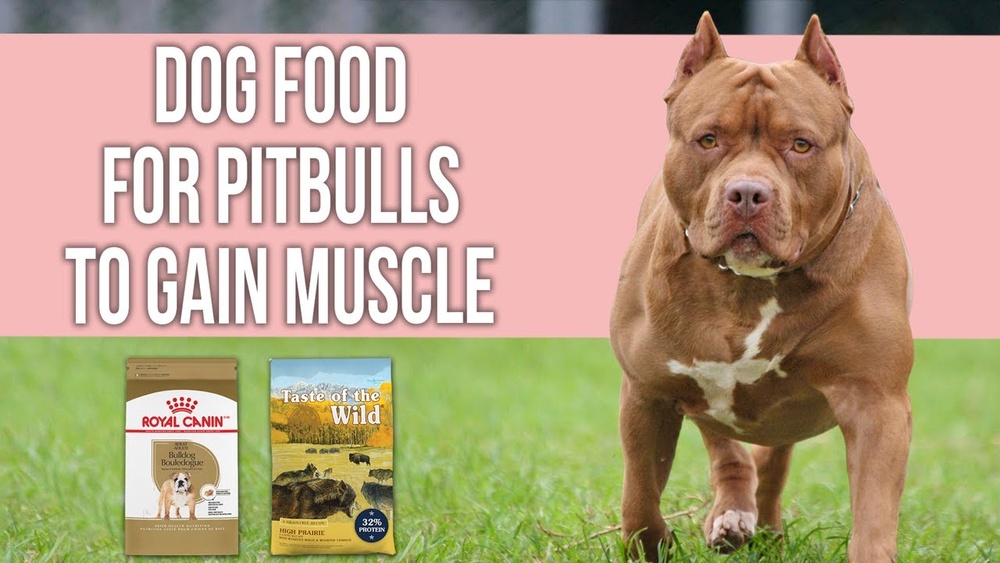
If you want your Pitbull to build strong, lean muscles, choosing the right dog food is key. Your dog’s diet directly affects their strength, energy, and overall health.
But with so many options out there, how do you know which food will help your Pitbull gain muscle effectively? This guide will help you discover the best dog food tailored to your Pitbull’s needs. Keep reading to find out how you can support your dog’s muscle growth and keep them at their peak performance.
Credit: shop.bullymax.com
Nutritional Needs Of Muscle-building Pitbulls
Pitbulls need special nutrition to build strong muscles. Their diet must support muscle growth and keep them healthy. Good food helps them stay active and powerful. It supplies the right fuel for their body and muscles to grow.
Understanding the key nutrients helps in choosing the best dog food. Muscle-building Pitbulls need more than just calories. They need balanced protein, fats, carbs, vitamins, and minerals.
Protein Requirements
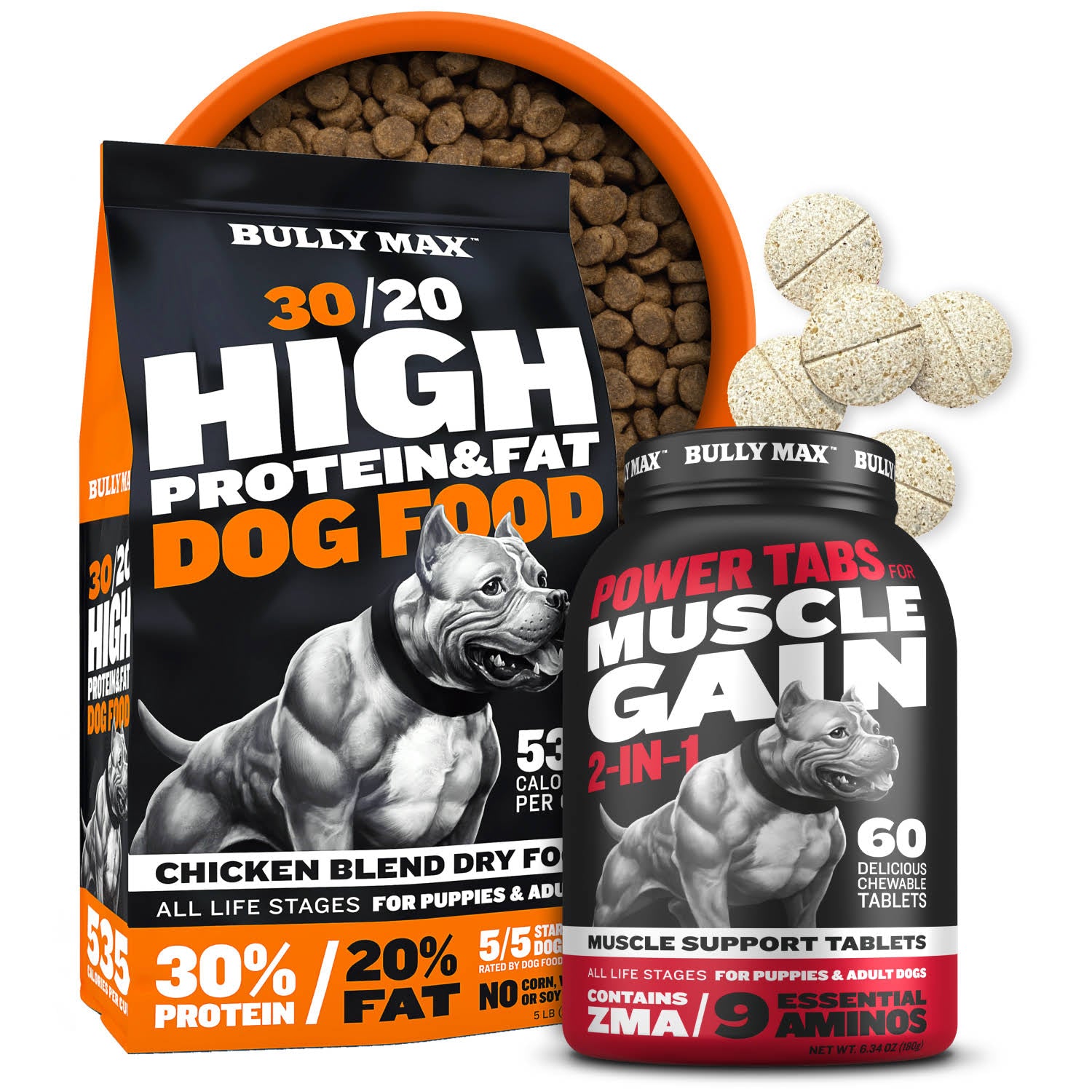
Protein is the main building block for muscles. Pitbulls need a high-protein diet to repair and grow muscle tissue. Look for foods with animal-based proteins like chicken, beef, or fish. These provide essential amino acids. Aim for at least 25-30% protein content in their food. This helps maintain muscle mass and strength.
Essential Fats And Carbohydrates
Fats give energy and support healthy skin and coat. Choose foods with omega-3 and omega-6 fatty acids. These fats reduce inflammation and improve joint health. Carbohydrates provide quick energy for workouts and playtime. Whole grains and vegetables are good carb sources. Avoid foods with too many fillers or simple sugars.
Vitamins And Minerals For Strength
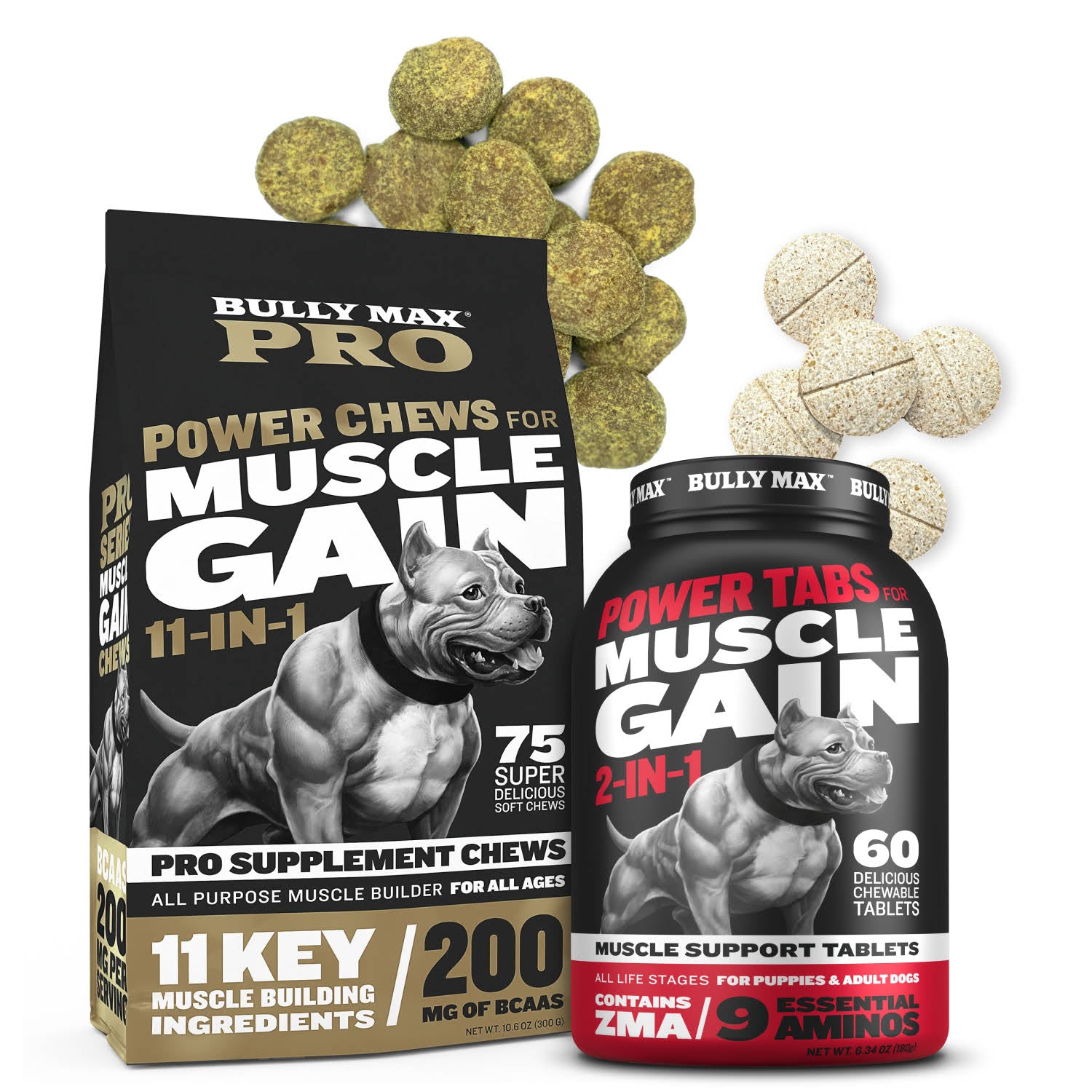
Vitamins and minerals support muscle function and overall health. Calcium and phosphorus help build strong bones. Vitamin E and C protect muscles from damage. Zinc and magnesium aid in muscle recovery. A balanced diet with fresh ingredients provides these nutrients naturally. Supplements may help but consult a vet first.

Credit: omshanti.cat
Key Ingredients To Look For
Choosing the right dog food for your Pitbull is important for muscle growth. The ingredients in the food affect strength and energy. Some ingredients help build muscle better than others. Knowing what to look for makes a big difference.
High-quality Protein Sources
Protein helps build and repair muscles. Look for foods with real meat like chicken, beef, or fish. These proteins have all essential amino acids. Avoid foods with low-quality protein or by-products. Quality protein supports strong muscles and good health.
Healthy Fats
Fats provide energy and support muscle function. Good fats come from fish oil, flaxseed, and chicken fat. These fats also help keep skin and coat healthy. Avoid too many unhealthy fats from fillers. Balanced fats improve endurance and muscle recovery.
Digestible Carbohydrates
Carbohydrates give energy for active Pitbulls. Choose carbs like sweet potatoes, brown rice, and oats. These carbs are easy to digest and provide steady energy. Avoid foods with too many fillers like corn or wheat. Proper carbs support training and muscle gain.
Top Dog Food Brands For Muscle Gain
Choosing the right dog food helps your Pitbull build strong muscles. Quality nutrition supports energy and recovery after exercise. Some brands focus on high protein and balanced nutrients. These foods help your dog gain muscle safely and healthily.
Premium Dry Kibble Options
Dry kibble is easy to store and feed. Many premium brands offer formulas rich in protein. Look for foods with chicken, beef, or fish as main ingredients. These provide essential amino acids for muscle growth. Also, check for added vitamins and minerals. These support overall health and stamina.
Wet Food Choices
Wet dog food contains more moisture than dry kibble. It often has higher protein content too. Brands make wet food with real meat and vegetables. This helps keep your Pitbull hydrated and strong. Wet food can be mixed with dry kibble for variety. It also appeals to picky eaters.
Raw And Freeze-dried Alternatives
Raw and freeze-dried foods preserve natural nutrients. They include raw meats, organs, and bones. These diets mimic what dogs ate in the wild. Such options give high protein and healthy fats. Freeze-dried foods are easy to store and prepare. These choices support muscle growth and lean body mass.
Homemade Meals For Muscle Growth
Homemade meals can help your Pitbull build strong muscles. You control the ingredients and quality. This way, you give your dog the best nutrition to grow healthy muscle. Home-cooked food is fresh and free from fillers. It supports muscle repair and growth after exercise. Let’s explore how to make balanced meals and what to add for better results.
Balanced Recipes
A good muscle-building meal has protein, carbs, and fats. Use lean meats like chicken, turkey, or beef. Add cooked rice or sweet potatoes for energy. Include vegetables like carrots or peas for vitamins. Make sure each meal has a mix of these parts. This balance helps your Pitbull get strong and stay active.
Supplements To Add
Some supplements improve muscle growth and recovery. Omega-3 oils support joint health and reduce inflammation. A pinch of calcium keeps bones strong. Probiotics help digestion and nutrient absorption. Always check with your vet before adding supplements. Use only safe, natural options for your dog.
Meal Preparation Tips
Cook all meats thoroughly to kill bacteria. Chop veggies finely to aid digestion. Prepare meals in batches and freeze portions. Thaw food slowly before serving. Keep meals fresh and avoid adding salt or spices. Consistency in feeding times helps your Pitbull thrive.
Feeding Schedule And Portion Control
Feeding schedule and portion control play a big role in helping your Pitbull gain muscle. The right timing and amount of food support strong muscles and healthy weight. Careful planning makes sure your dog gets enough energy without overeating. Let’s explore how to set a good feeding routine and control portions well.
Meal Frequency
Divide your Pitbull’s daily food into two or three meals. This keeps energy steady throughout the day. Smaller, frequent meals help digestion and muscle repair. Avoid one large meal to reduce stress on the stomach. Feed at the same times every day for a good routine.
Adjusting Portions For Activity Level
More active Pitbulls need larger portions to build muscle. Less active dogs require smaller amounts to prevent fat gain. Watch your dog’s energy and exercise to adjust food size. Increase food after play or training sessions. Cut back on rest days to avoid excess weight.
Monitoring Weight And Muscle Mass
Weigh your Pitbull regularly to track progress. Check muscle tone by feeling the shoulders and hips. Healthy muscle feels firm, not soft or bony. Change portions if your dog loses or gains too much weight. Keep notes on feeding and activity to find the best balance.
Common Pitfalls And How To Avoid Them
Feeding a Pitbull for muscle gain needs care and attention. Many dog owners make mistakes that slow progress or harm health. Knowing common pitfalls helps keep your dog strong and fit. Avoiding these errors makes feeding easier and better for your Pitbull’s muscles.
Overfeeding And Obesity
Giving too much food can cause obesity. Extra weight strains joints and lowers energy. Muscle gain means lean mass, not fat. Measure food portions based on your dog’s weight and activity. Watch for signs of weight gain. Adjust food amounts to keep your Pitbull fit and active.
Allergies And Sensitivities
Pitbulls can have food allergies or sensitivities. These cause itching, upset stomach, or poor coat health. Common allergens include grains, dairy, and certain proteins. Choose hypoallergenic or limited ingredient foods. Watch your dog’s reaction to new food. Changing diet slowly helps spot problems early.
Choosing The Right Food For Age And Activity
Puppies, adults, and seniors have different nutritional needs. Active Pitbulls need more protein and calories. Older dogs need balanced nutrients for joint health and energy. Select food designed for your dog’s life stage and activity level. Feeding the right food supports muscle growth and overall health.
Credit: shop.bullymax.com
Frequently Asked Questions
What Nutrients Help Pitbulls Gain Muscle Fast?
Protein and healthy fats are key for muscle growth. Look for dog food rich in high-quality animal proteins and omega fatty acids. These nutrients support muscle repair and energy, helping your Pitbull build strength effectively.
How Much Protein Should Pitbull Dog Food Have?
Ideal Pitbull food should contain 25-30% protein. This range supports muscle development without overloading their system. Quality sources like chicken, beef, or fish are best for optimal muscle gain.
Can Homemade Food Help Pitbulls Build Muscle?
Yes, homemade meals can support muscle gain if balanced. Include lean meats, vegetables, and healthy fats. Consult a vet to ensure nutrient needs are met for your Pitbull’s muscle growth.
Is Grain-free Dog Food Better For Muscle Gain?
Grain-free dog food isn’t necessarily better for muscle building. Focus on protein quality and content instead. Some Pitbulls may benefit from grain-free diets, but it depends on individual sensitivities.
Conclusion
Choosing the right food helps your pitbull build strong muscles. Protein-rich meals support muscle growth and repair. Balanced nutrition keeps your dog active and healthy. Avoid foods with fillers or too many carbs. Consistency in feeding routines makes a big difference.
Watch your dog’s progress and adjust as needed. Healthy muscles mean a happy, energetic pitbull. Good food choices lead to long-term strength and vitality. Keep your dog’s needs in mind every day. Strong muscles start with smart, simple feeding.