As your Labrador ages, you want to make sure they stay happy, healthy, and full of energy. Choosing the best dog food for older Labs isn’t just about filling their bowl—it’s about giving your loyal friend the nutrients they need to thrive in their golden years.
You might wonder which ingredients truly support joint health, digestion, and overall vitality. You’ll discover simple, effective options that can make a real difference for your dog’s wellbeing. Keep reading to find out how to give your aging Lab the nutrition they deserve.
Nutritional Needs Of Senior Labs
Senior Labrador Retrievers need special care in their diet. Their bodies change as they age. Proper nutrition helps them stay healthy and active. Choosing the right dog food supports their overall well-being.
Older Labs require foods that meet their unique needs. Their metabolism slows down. They need fewer calories but more nutrients to support aging joints and organs. A balanced diet can improve their quality of life.
Key Nutrients For Aging Dogs
Protein helps maintain muscle mass and strength. Senior Labs need high-quality protein sources. Fatty acids, like omega-3 and omega-6, support skin and coat health. They also reduce inflammation. Fiber aids digestion and prevents constipation. Vitamins E and C boost the immune system. Calcium and phosphorus keep bones strong.
Common Health Issues In Older Labs
Arthritis is common in aging Labradors. Joint support nutrients like glucosamine and chondroitin help. Dental problems may affect eating habits. Weight gain increases the risk of diabetes and heart disease. Kidney and liver function can decline with age. Proper nutrition helps manage these health concerns.
Adjusting Calorie Intake
Older Labs need fewer calories due to lower activity. Overfeeding can lead to obesity and related problems. Measure food portions carefully. Choose dog food formulated for senior dogs. Regular weight checks help maintain a healthy size. Adjust food amounts based on activity and health changes.
Top Ingredients For Senior Dog Food
Choosing the right ingredients in senior dog food helps support your older Labrador’s health. These ingredients boost energy, protect joints, and improve digestion. Quality nutrition is key for aging dogs to stay active and happy.
Proteins And Amino Acids
Proteins help repair muscles and keep your dog strong. Senior Labs need high-quality protein from sources like chicken, turkey, or fish. Amino acids from protein support immune health and maintain body functions.
Healthy Fats And Omega Fatty Acids
Healthy fats provide energy and keep your dog’s coat shiny. Omega-3 and Omega-6 fatty acids reduce inflammation and support brain health. Fish oil and flaxseed are great sources of these fats.
Vitamins And Minerals
Vitamins and minerals help with bone strength and overall health. Calcium and phosphorus keep bones strong, while antioxidants protect cells from damage. Vitamins A, C, and E support the immune system and improve skin health.
Best Dog Food Types For Older Labs
Choosing the right food type for older Labrador Retrievers is key to their health. Older Labs need diets that support joint health, maintain muscle, and boost energy. Different food types offer unique benefits. Understanding these can help pick the best option for your senior dog.
Dry Kibble Options
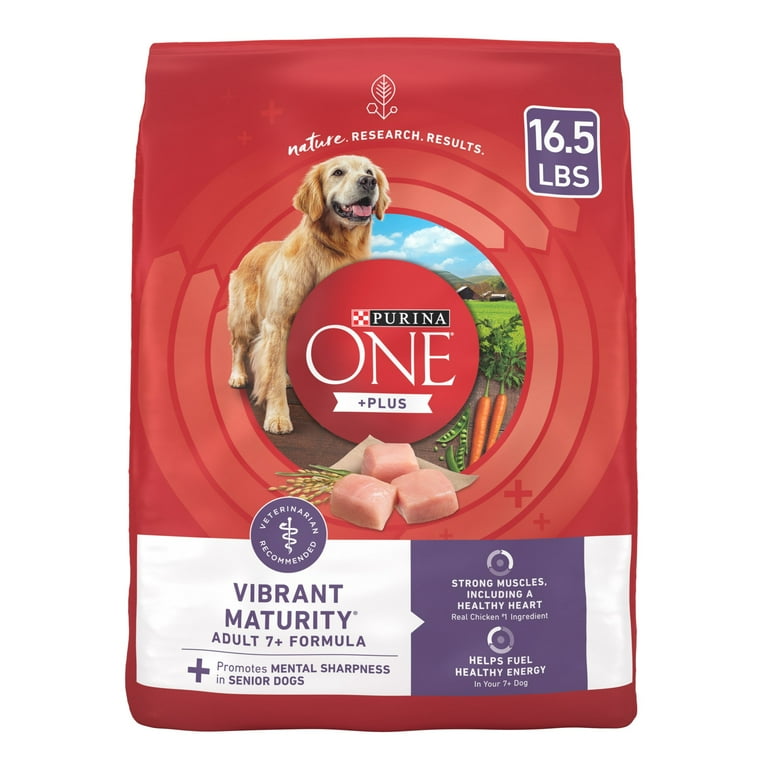
Dry kibble is the most common dog food type. It is easy to store and serve. Many brands make kibble with added nutrients for older dogs. Look for kibble with glucosamine and omega-3 fatty acids. These ingredients support joints and reduce inflammation. Kibble also helps keep teeth clean by reducing plaque buildup.
Wet And Canned Choices
Wet dog food is soft and easy to chew. It contains more water, which helps keep older Labs hydrated. Wet food often has higher protein levels and fewer carbs. This supports muscle maintenance and energy. Some older dogs prefer the taste and texture of wet food. It can be mixed with kibble for variety.
Raw And Homemade Diets
Raw and homemade diets give full control over ingredients. Fresh meats, vegetables, and grains can be included. These diets are rich in natural nutrients and free from fillers. Preparing food at home ensures freshness and avoids preservatives. Consult a vet before starting these diets to ensure balance. Proper planning prevents nutrient gaps and supports overall health.
:strip_icc()/Spruce-best-dog-food-at-walmart-4173197-a02410eb5618412b8495e0eaba6420a8.jpg)
Credit: www.tracingautonomy.net
Recommended Dog Food Brands
Choosing the right dog food brand is key for older Labs. Their needs change as they age. Good brands offer balanced nutrition and support health. Quality ingredients help keep your dog active and happy. Here are top dog food brands to consider for senior Labs.
Premium Brand Picks
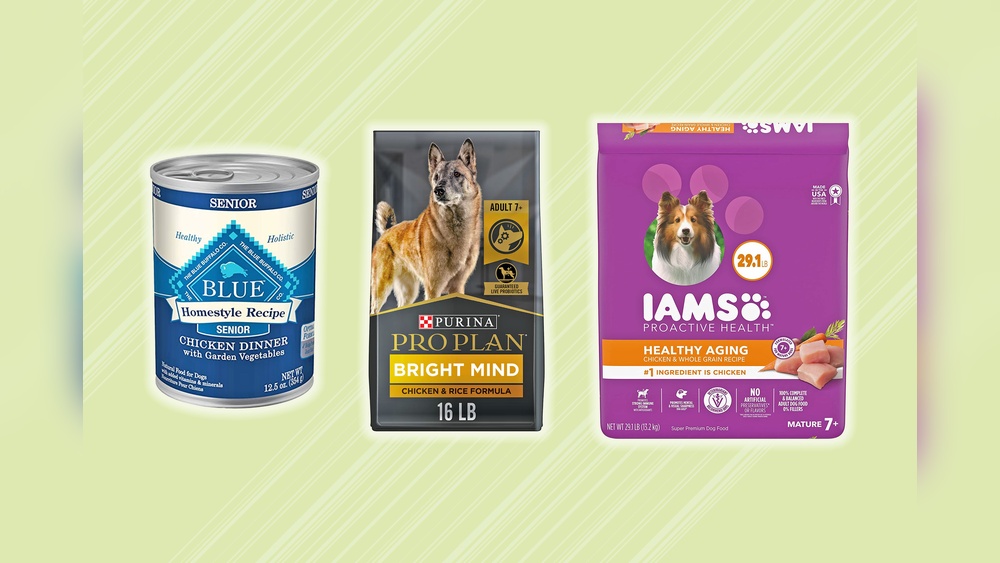
Premium brands focus on high-quality ingredients. They provide balanced meals with real meat and vegetables. Brands like Blue Buffalo, Wellness, and Orijen stand out. These foods support aging dogs with essential vitamins and minerals. They avoid fillers and artificial additives. Perfect for owners who want the best for their Labs.
Budget-friendly Options
Affordable dog food can still offer good nutrition. Brands like Diamond Naturals and Nutro provide value without sacrificing quality. These foods include protein, fiber, and healthy fats. They suit owners on a budget but care about their dog’s health. Always check the ingredient list for wholesome items.
Specialty Formulas For Joint Health
Older Labs often face joint problems. Some brands create special formulas with glucosamine and chondroitin. These nutrients help maintain cartilage and ease movement. Examples include Hill’s Science Diet and Royal Canin. These foods support healthy joints and reduce stiffness. They help your dog stay comfortable and active.
Feeding Tips For Senior Labs
Feeding older Labrador Retrievers needs care and attention. Their bodies change as they age. This affects how much and what they eat. Proper feeding helps keep senior Labs healthy and active. Understanding their needs is key to good nutrition. Follow these simple tips for feeding your older Lab well.
Meal Frequency And Portion Control
Feed your senior Lab smaller meals more often. Two to three meals a day work well. Smaller portions help digestion and energy levels. Avoid overfeeding to prevent weight gain. Use a measuring cup to control portions. Adjust food amount based on activity and weight changes.
Monitoring Weight And Health
Check your Lab’s weight regularly. Keep an eye on body shape and energy. Sudden weight loss or gain needs attention. Watch for changes in eating habits. Note any signs of discomfort or illness. Good weight helps prevent joint and heart problems.
When To Consult A Veterinarian
Visit the vet for regular health checks. Ask about the best diet for your Lab’s age. Get advice if your dog loses weight or shows health issues. Vets can recommend supplements or special food. Early help can improve your Lab’s quality of life.
Credit: www.walmart.com
Supplements To Support Aging Labs
Supplements can help aging Labs stay healthy and active. As Labs grow older, their bodies need extra care. Certain supplements support joints, digestion, and the immune system. These nutrients can improve quality of life and keep your dog feeling good.
Glucosamine And Chondroitin
Glucosamine and chondroitin support joint health. They help reduce stiffness and improve movement. Older Labs often suffer from arthritis or joint pain. These supplements may ease discomfort and protect cartilage. Regular use can keep your dog more comfortable during walks and play.
Probiotics And Digestive Health
Probiotics help balance the bacteria in the gut. A healthy digestive system improves nutrient absorption. Older dogs may face digestion problems or loose stools. Probiotics can reduce these issues and support gut health. This leads to better digestion and overall wellbeing.
Antioxidants For Immune Support
Antioxidants protect cells from damage caused by aging. They support the immune system and fight free radicals. Older Labs benefit from antioxidants like vitamins C and E. These supplements help your dog stay strong against illness. Antioxidants also promote healthy skin and coat.

Credit: www.riveroakvet.com
Frequently Asked Questions
What Nutrients Are Essential For Older Labs’ Diets?
Older Labs need protein, fiber, omega-3 fatty acids, and antioxidants. These nutrients support joint health, digestion, and immunity. Balanced nutrition helps maintain energy and muscle mass in senior dogs. Always choose dog food formulated for senior dogs to meet these needs effectively.
How To Choose The Best Dog Food For Older Labs?
Select dog food with high-quality protein, low fat, and added glucosamine. Look for foods with natural ingredients and no artificial additives. Consult your vet for specific health concerns. Proper nutrition helps manage weight and supports aging joints in older Labs.
Can Older Labs Eat Regular Adult Dog Food?
Regular adult dog food may lack nutrients for senior Labs. Older dogs need fewer calories but more joint-supporting ingredients. Feeding senior-specific formulas helps maintain health and vitality. Always transition gradually and monitor your dog’s response to new food.
How Often Should I Feed My Older Lab?
Feed your older Lab twice a day to maintain steady energy. Avoid free-feeding to prevent obesity. Portion control is crucial as metabolism slows with age. Follow feeding guidelines on the dog food package and adjust as needed.
Conclusion
Choosing the best food helps your older Lab stay strong and healthy. Good nutrition supports their joints, coat, and energy. Pay attention to ingredients like protein and fiber. Avoid foods with too many fillers or artificial parts. Regular meals with balanced nutrients make a big difference.
Your Lab will feel happier and move easier. Small changes in diet bring great benefits. Keep your dog’s needs in mind every day. Healthy food means more joyful years together.