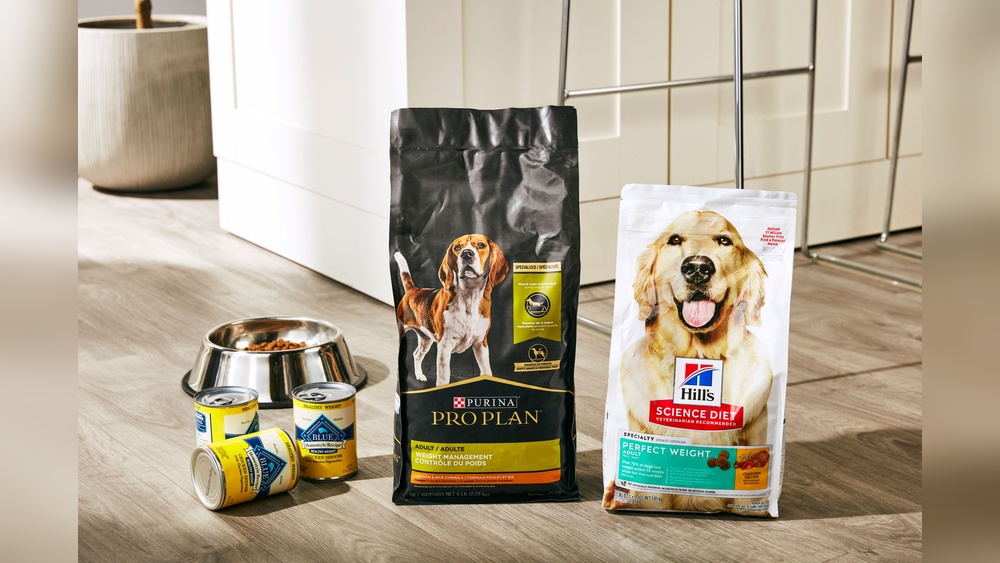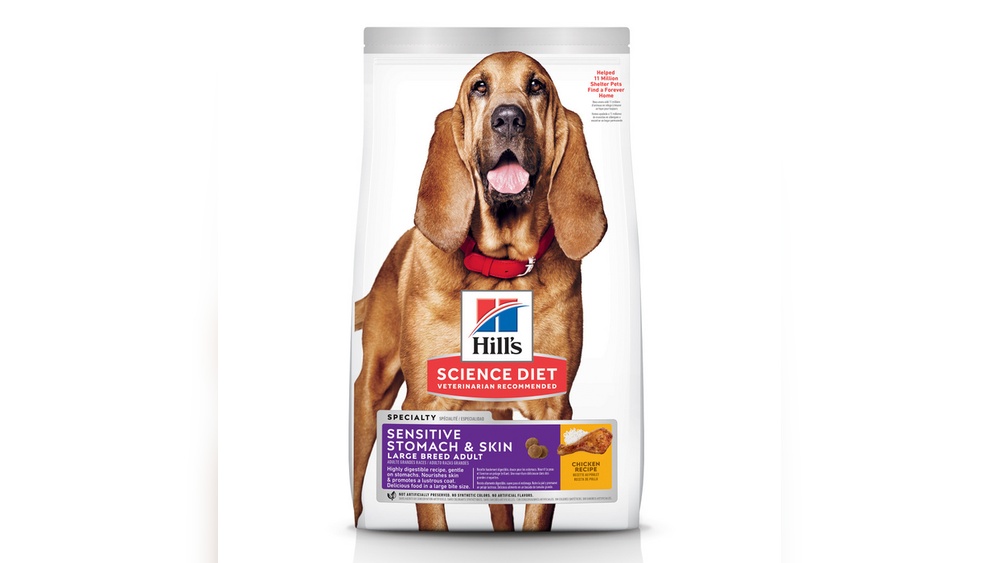
If your large breed dog struggles with a sensitive stomach, you know how frustrating it can be to find the right food. Feeding your furry friend the wrong diet can lead to discomfort, digestive issues, and even health problems.
But what if you could choose the best dog food that supports their unique needs and keeps their tummy happy? You’ll discover the top options designed specifically for large breeds with sensitive stomachs. Keep reading to learn how to make mealtime easier and healthier for your loyal companion.
Challenges Of Large Breed Sensitive Stomachs
Large breed dogs with sensitive stomachs face unique challenges. Their digestive systems can react poorly to certain foods. This causes discomfort and health problems. Choosing the right food is crucial to keep them healthy and happy. Understanding these challenges helps pet owners make better choices.
Common Digestive Issues
Large breeds often suffer from gas, bloating, and diarrhea. These problems show their stomachs cannot handle some ingredients. Food allergies or intolerances are common causes. Some dogs may vomit or have loose stools after eating. Identifying these issues early prevents serious health risks.
Nutritional Needs For Large Breeds
Large dogs need balanced nutrition to support their size. They require high-quality protein and moderate fat for energy. Calcium and phosphorus are important for strong bones. Sensitive stomachs need gentle, easy-to-digest ingredients. Avoiding fillers and artificial additives helps reduce stomach upset.
Impact Of Sensitive Stomach On Health
Ongoing stomach problems can weaken a dog’s immune system. Poor digestion affects nutrient absorption and energy levels. This can lead to weight loss and low vitality. Sensitive stomachs may cause behavioral changes due to discomfort. Proper diet helps maintain overall health and well-being.
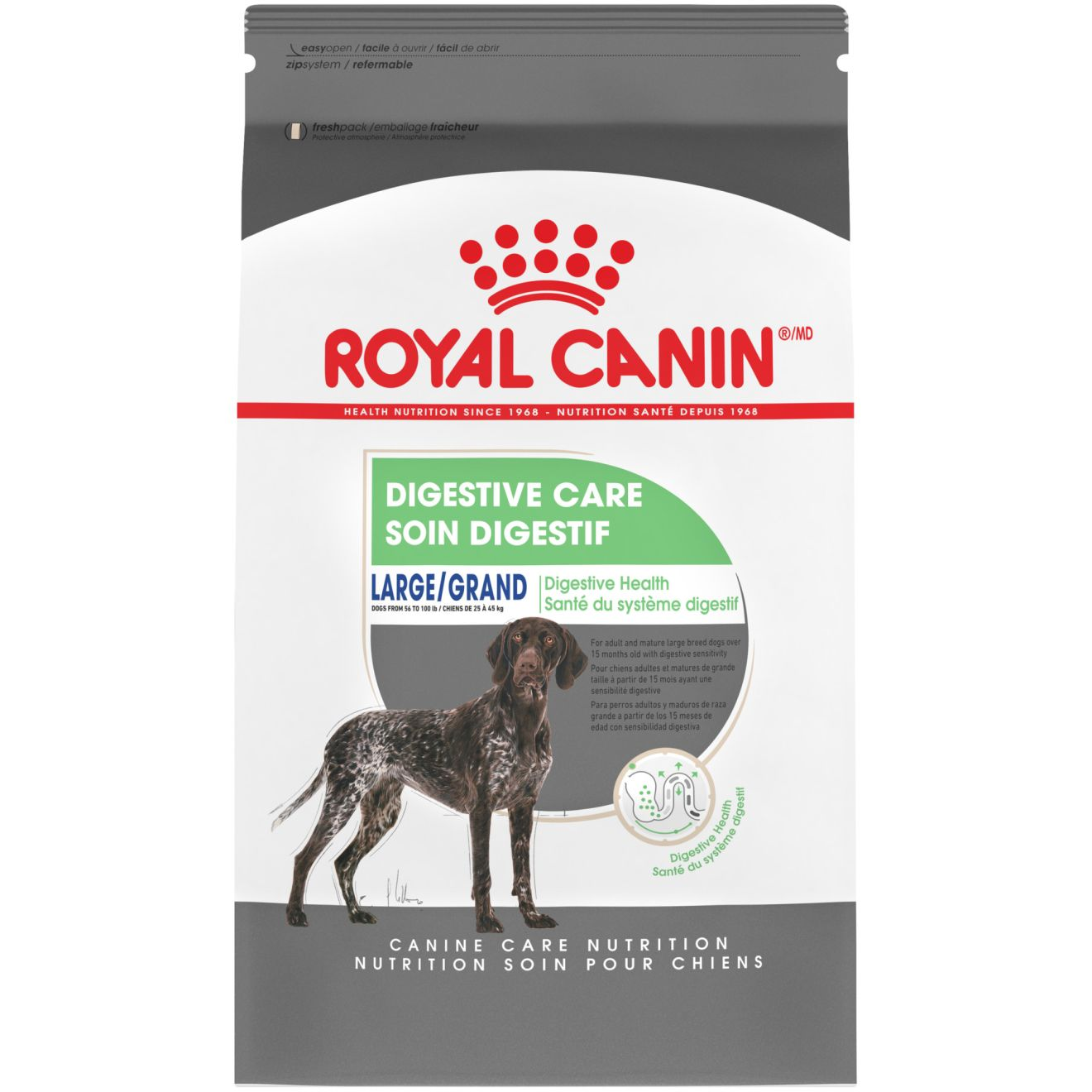
Credit: www.royalcanin.com
Key Ingredients For Sensitive Stomachs
Choosing the right ingredients is crucial for dogs with sensitive stomachs. These ingredients help reduce digestive problems and improve nutrient absorption. The best dog food supports gut health and keeps your large breed dog comfortable.
Ingredients that are gentle and easy to digest make a big difference. They help avoid upset stomachs and boost overall wellbeing. Understanding these key ingredients helps you pick the best food for your dog.
Easily Digestible Proteins
Proteins are essential for muscle health and energy. Easily digestible proteins, like chicken, turkey, or fish, are gentle on the stomach. They break down quickly and reduce the chance of stomach upset. Avoid heavy proteins that may cause digestion issues.
Low-fat Formulas
Fat provides energy but can be hard to digest in large amounts. Low-fat dog food helps sensitive stomachs by reducing strain on the digestive system. This keeps your dog comfortable and prevents diarrhea or vomiting. Choose formulas with balanced fat content for better digestion.
Fiber Sources That Aid Digestion
Fiber supports healthy digestion and regular bowel movements. Ingredients like pumpkin, sweet potato, and beet pulp are gentle fiber sources. They help soothe the gut and promote nutrient absorption. Proper fiber helps avoid constipation or diarrhea in sensitive dogs.
Avoiding Common Allergens
Common allergens can trigger digestive problems and skin issues. Ingredients like corn, soy, wheat, and dairy often cause allergies. Avoiding these helps reduce stomach irritation. Select dog food with limited or novel ingredients for better tolerance.
Top Dog Food Brands For Sensitive Stomachs
Choosing the right dog food is key for large breeds with sensitive stomachs. Sensitive stomachs need gentle, easy-to-digest ingredients. Many brands create recipes to help reduce upset tummies. These brands focus on quality and simple formulas. They offer options that suit different preferences and needs.
Premium Dry Kibble Options
Dry kibble is popular for its convenience and crunch. Premium brands use high-quality proteins and fibers. These help support digestion and gut health. Ingredients like sweet potatoes and rice often replace wheat. They reduce stomach irritation and provide steady energy. Some formulas include probiotics to aid digestion.
Wet Food Choices
Wet food offers moisture and softness. It can be easier for sensitive dogs to eat. Top brands avoid fillers and artificial ingredients. Their recipes often use real meat and vegetables. Wet food helps keep dogs hydrated too. This is good for dogs that drink less water.
Grain-free Alternatives
Grain-free dog foods skip common grains like wheat and corn. These grains can cause allergies or stomach upset. Grain-free options use potatoes or peas for carbohydrates. They tend to be gentle on sensitive stomachs. Many brands ensure these foods still have balanced nutrients.
Limited Ingredient Formulas
Limited ingredient dog food has fewer ingredients to lower allergy risks. It uses a single protein source and simple carbs. This makes it easier to spot food sensitivities. These formulas avoid complex additives and fillers. Many brands offer these options for sensitive dogs.
Homemade Diets And Supplements
Homemade diets and supplements offer a natural way to support large breed dogs with sensitive stomachs. Preparing food at home lets you control ingredients and avoid allergens. Adding the right supplements can improve digestion and nutrient absorption. This approach helps keep your dog healthy and comfortable.
Simple Recipes For Sensitive Stomachs
Cook lean meats like chicken or turkey without seasoning. Mix with plain cooked rice or sweet potatoes for easy digestion. Add steamed vegetables such as carrots or green beans in small amounts. Avoid dairy, spicy foods, and grains that may cause upset. These meals provide balanced nutrition without harsh ingredients.
Probiotics And Digestive Enzymes
Probiotics help restore healthy gut bacteria and improve digestion. Digestive enzymes break down food to make nutrient absorption easier. Both supplements can reduce bloating and gas. Choose products made for dogs and follow dosage instructions carefully. These aids support a sensitive stomach and overall gut health.
Consulting With A Veterinarian
Talk to your vet before changing your dog’s diet or adding supplements. They can recommend safe recipes and the right supplements. A vet can test for food allergies or digestive issues. Professional guidance helps avoid harmful ingredients and ensures proper nutrition. Always prioritize your dog’s health and safety.
Feeding Tips For Large Breed Dogs
Feeding large breed dogs with sensitive stomachs needs special care. Their digestion is delicate and requires the right diet and feeding habits. Proper feeding supports their health and prevents stomach issues. This section shares useful tips for feeding large breeds safely and effectively.
Meal Frequency And Portion Control
Feed your dog two to three small meals daily. Large meals can cause stomach discomfort or bloating. Dividing food helps digestion and energy levels. Measure portions carefully to avoid overfeeding. Follow your vet’s advice on the right amount for your dog’s weight and activity.
Transitioning To New Foods
Change your dog’s food slowly over 7 to 10 days. Mix a small amount of new food with the old one. Gradually increase the new food portion each day. This helps the stomach adjust without upset. Watch your dog for any signs of digestive trouble during the transition.
Monitoring And Adjusting Diet
Check your dog’s stool and behavior regularly. Consistent soft stools or vomiting need attention. Adjust food type or amount if problems arise. Consult your vet for advice on diet changes. Keep a feeding diary to track what works best for your dog.
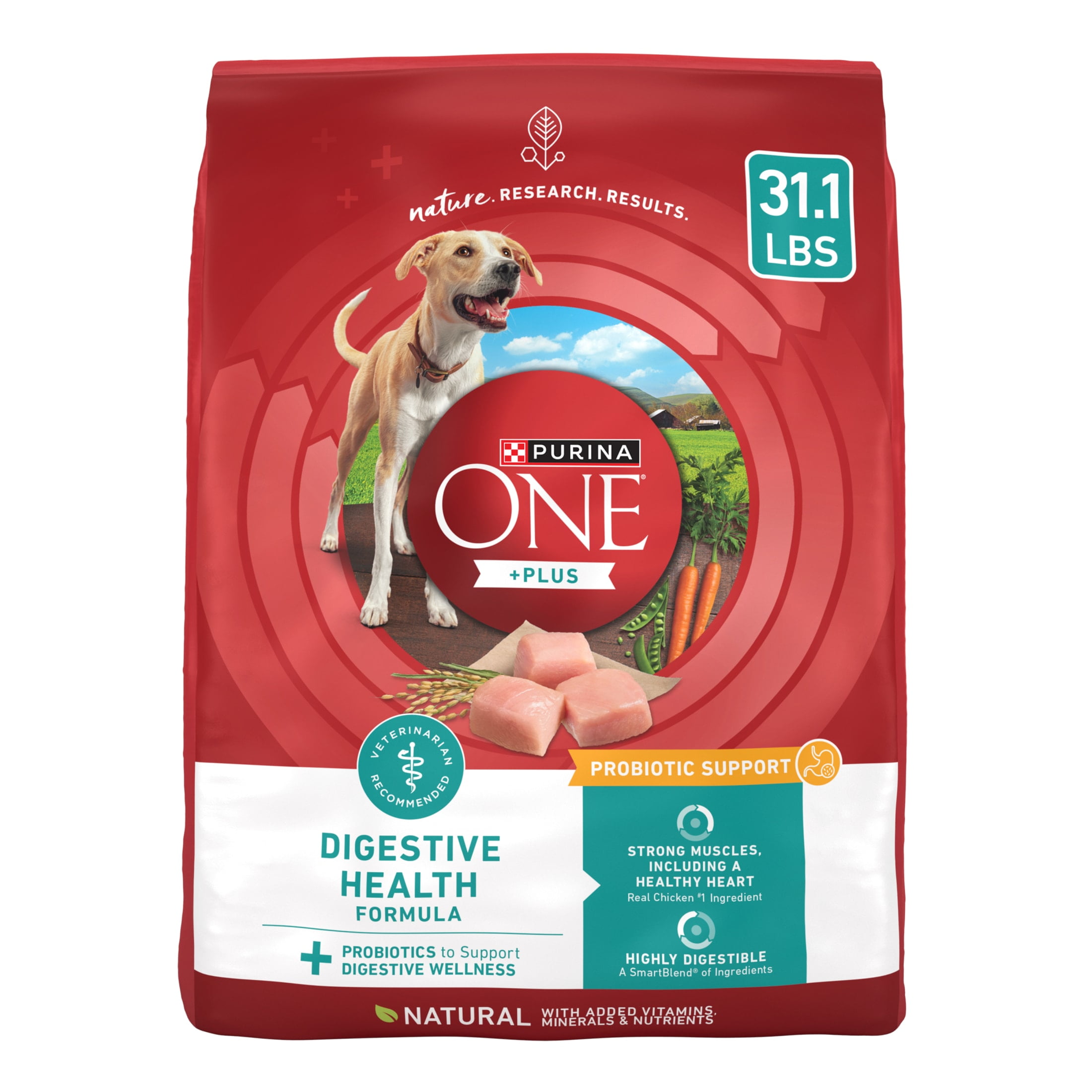
Credit: realendpoints.com
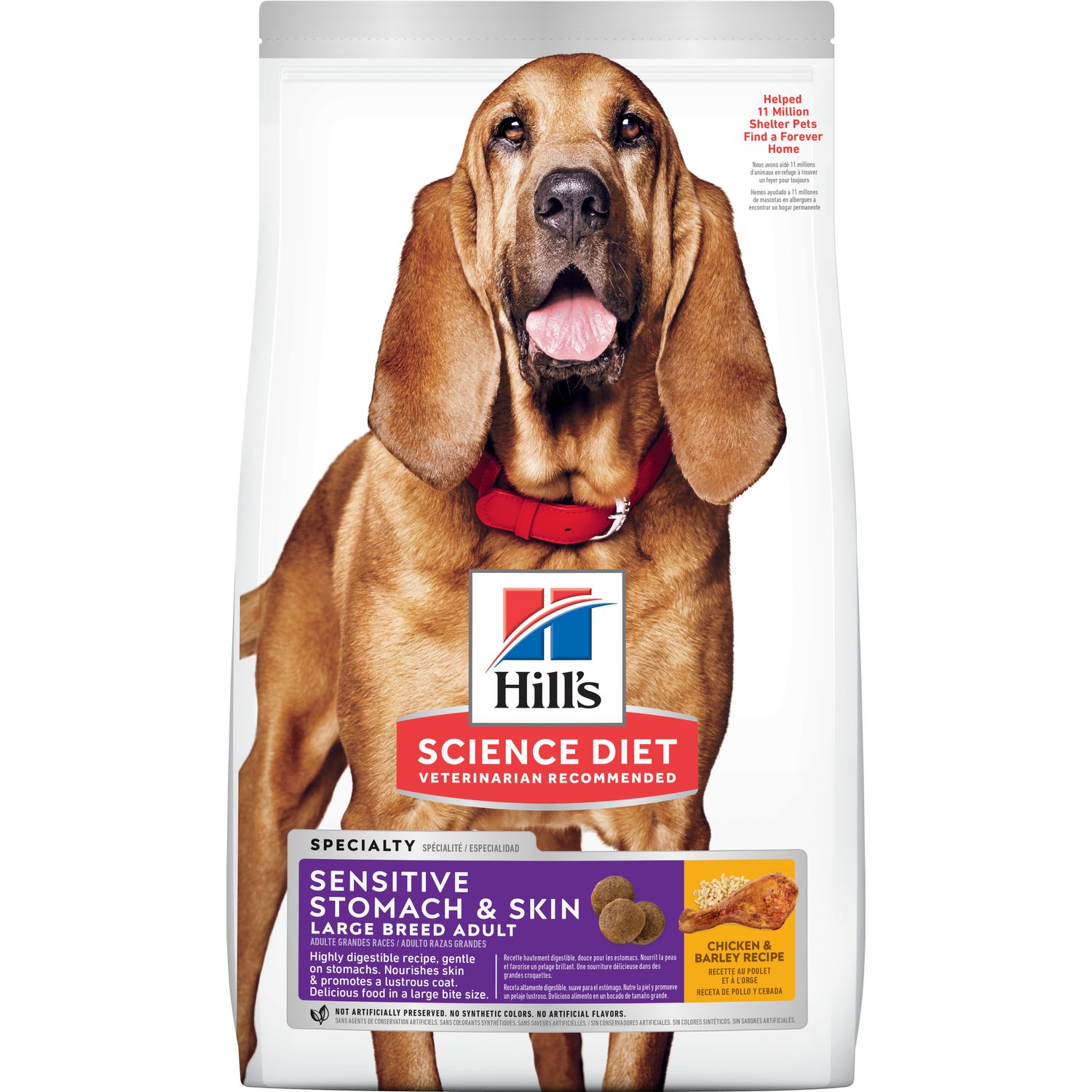
Credit: realendpoints.com
Frequently Asked Questions
What Ingredients Help Large Breed Dogs With Sensitive Stomachs?
Ingredients like pumpkin, sweet potatoes, and salmon aid digestion. They provide fiber, omega-3 fatty acids, and gentle proteins. Avoid fillers like corn and soy that can irritate sensitive stomachs.
How To Choose Dog Food For Large Breed Sensitive Stomach?
Look for limited ingredient formulas with easily digestible proteins. Choose foods free from artificial additives and common allergens. Check for added probiotics and fiber to support gut health.
Can Sensitive Stomachs In Large Breed Dogs Improve With Diet?
Yes, a proper diet can reduce digestive issues. Switching to sensitive stomach formulas often improves stool quality and reduces gas. Consistency and gradual transition are key.
Are Grain-free Diets Better For Sensitive Stomach Large Dogs?
Grain-free diets can help if your dog is allergic to grains. However, not all sensitive stomach dogs need grain-free food. Consult your vet to find the best option.
Conclusion
Choosing the right food helps your large dog’s sensitive stomach feel better. Good ingredients support digestion and keep your dog healthy. Avoid foods with fillers or artificial additives. Pay attention to how your dog reacts to new food. Healthy meals lead to happier, more energetic dogs.
Taking care of their diet makes a big difference. Trust your instincts and your dog’s needs. A careful choice means a stronger, more comfortable companion. Keep your dog’s tummy calm and enjoy many happy years together.