Finding the best weight maintenance dog food for your furry friend can feel overwhelming. You want to keep your dog healthy without the stress of constant dieting or guesswork.
The right food helps your dog stay fit, energetic, and happy every day. If you’re tired of worrying about your dog’s weight or unsure which formula works best, this guide is made just for you. Keep reading to discover how to choose dog food that supports your pet’s ideal weight and overall well-being—because your dog deserves the best care possible.
Why Weight Maintenance Matters
Keeping your dog at a healthy weight is very important. Weight maintenance helps your dog live longer and feel better. It also reduces the chance of many health problems. A balanced diet with the right dog food plays a big role in weight control. Understanding why weight maintenance matters helps you care for your dog better.
Health Risks Of Obesity
Obesity in dogs causes many health issues. It can lead to diabetes, heart disease, and joint pain. Overweight dogs often have trouble breathing and less energy. Obesity also increases the risk of certain cancers. These health problems shorten your dog’s life and lower its quality.
Benefits Of Proper Weight
A dog with a healthy weight is more active and happy. Proper weight helps dogs move easily and stay strong. It lowers the risk of disease and pain. Maintaining weight improves your dog’s mood and behavior. Healthy dogs enjoy longer, happier lives with fewer vet visits.
Signs Of Weight Issues
Notice if your dog gains weight quickly or looks tired. Difficulty walking or climbing stairs can signal weight problems. Feeling your dog’s ribs helps check its weight. If ribs are hard to find, your dog may be overweight. Watch for changes in appetite or energy levels too.
:strip_icc()/sps-tier-3-product-hills-science-diet-perfect-weight-adult-dog-food-ahuang-086-2297c2254e834607925497383a3dc8b6.jpeg)
Credit: www.thesprucepets.com
Key Ingredients For Weight Control
Choosing the right ingredients in dog food is important for weight control. These ingredients help keep your dog healthy and full. They support muscle strength and prevent excess fat.
Good weight maintenance dog food balances proteins, carbs, fiber, and fats. Each plays a key role in managing your dog’s weight.
High-quality Proteins
Proteins build and repair muscles. They help dogs stay strong and active. High-quality proteins come from meat, fish, or eggs. These proteins are easier to digest and provide energy without extra fat. Protein keeps your dog full longer, reducing hunger and overeating.
Low Glycemic Carbohydrates
Low glycemic carbs release energy slowly. They avoid blood sugar spikes that cause fat storage. Sources include sweet potatoes, brown rice, and barley. These carbs provide steady energy and help maintain healthy weight. They also support good digestion and overall health.
Fiber For Satiety
Fiber adds bulk to food without extra calories. It helps dogs feel full after meals. Fiber also supports healthy digestion and regular bowel movements. Common fiber sources are pumpkin, beet pulp, and peas. Including fiber in dog food helps control appetite and prevents overeating.
Essential Fats
Essential fats support skin, coat, and brain health. They provide energy and help absorb vitamins. Good fats come from fish oil, flaxseed, and chicken fat. These fats also help control inflammation and keep your dog active. Balanced fats are important for weight management and overall wellness.
Top Weight Maintenance Dog Foods
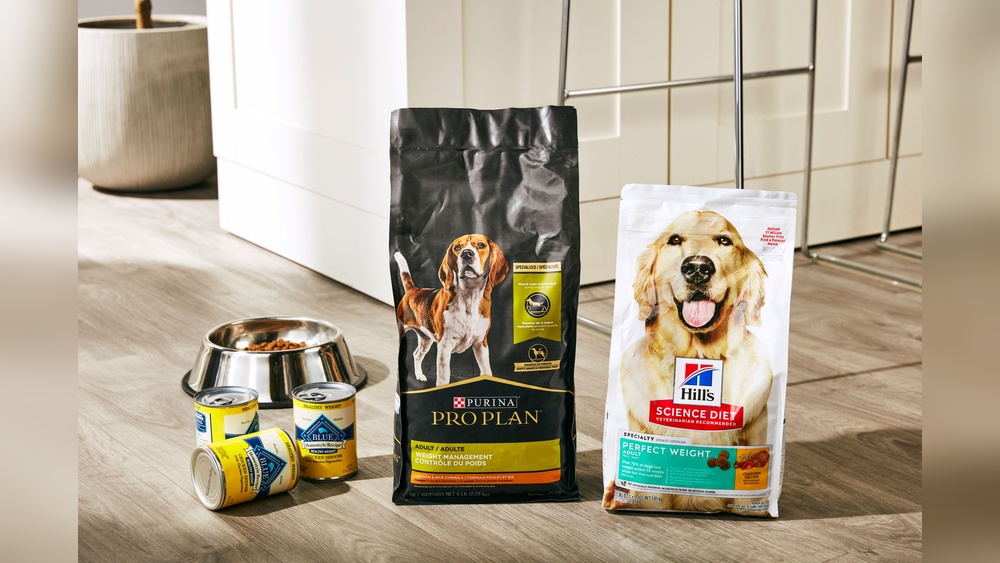
Choosing the right food helps keep your dog at a healthy weight. Good weight maintenance dog food supports energy and controls calories. It also provides essential nutrients for overall health. Here are some top options to consider for your dog’s diet.
Dry Kibble Options
Dry kibble is easy to store and serve. It often contains balanced nutrients and fiber. Many brands offer formulas with reduced fat and calories. These help dogs feel full without overeating. Kibble also helps clean teeth by reducing plaque buildup.
Wet Food Choices
Wet food has higher moisture, which helps hydration. It usually contains fewer calories per serving. This makes portion control easier for weight management. Wet food is soft and tasty, appealing to picky eaters. It also offers variety in flavors and textures.
Grain-free Alternatives
Grain-free dog food removes wheat, corn, and soy. These foods suit dogs with allergies or sensitivities. They often use potatoes or peas as carbohydrate sources. Grain-free options can be lower in calories and carbs. This helps some dogs maintain a healthy weight.
Specialty Veterinary Diets
Veterinary diets target specific health needs. Weight management formulas control calories and fat precisely. They include added fiber to increase fullness. These diets require a vet’s recommendation. They support weight loss and long-term weight control safely.
Choosing The Right Food For Your Dog
Choosing the right food for your dog is key to keeping them healthy and happy. The best weight maintenance dog food supports a balanced diet. It helps your dog stay fit without gaining or losing too much weight. This guide breaks down important factors to consider when picking dog food.
Considering Age And Breed
Different ages need different nutrition. Puppies require food rich in proteins and fats for growth. Adult dogs need balanced meals to maintain weight. Older dogs benefit from lower calories and more fiber. Breed also affects diet. Small breeds have faster metabolisms and need more calories per pound. Large breeds require controlled calories to avoid weight gain.
Assessing Activity Levels
Active dogs burn more calories. They need more energy from their food. Less active dogs require fewer calories to prevent weight gain. Adjust food amounts based on daily exercise. Monitor your dog’s weight and energy. Change the diet as activity changes to keep weight steady.
Consulting With Your Vet
Your vet knows your dog’s health best. Ask for advice on the right food type. Vets can recommend brands and formulas suited to your dog’s needs. Regular check-ups help track weight and health. Follow your vet’s guidance for a balanced diet plan.
Feeding Tips For Weight Control
Controlling your dog’s weight starts with smart feeding habits. Proper feeding helps keep your dog healthy and active. It also prevents obesity and related health problems. Follow these simple tips to manage your dog’s weight effectively.
Portion Management
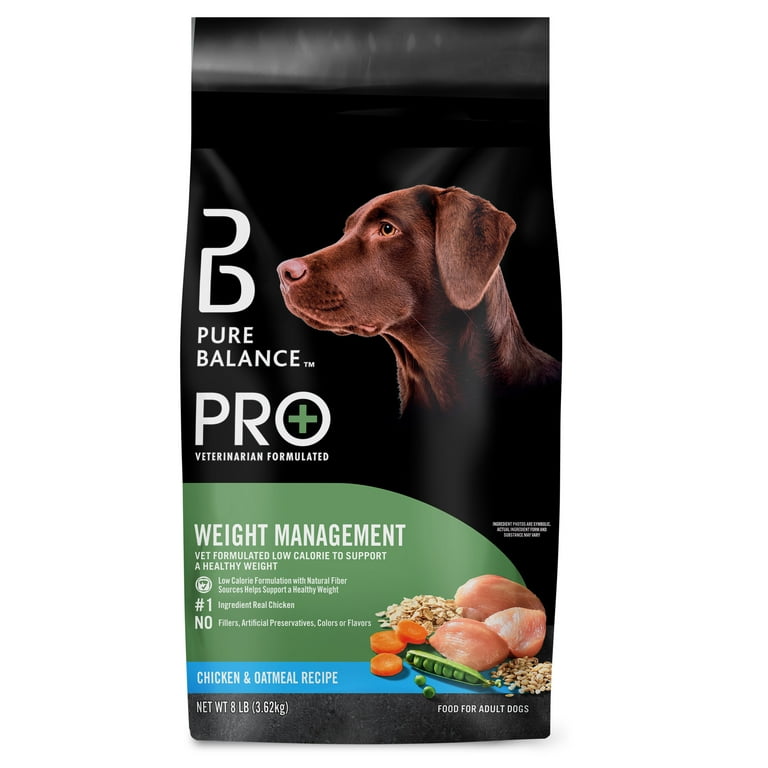
Measure your dog’s food carefully at every meal. Use a standard measuring cup to avoid guessing. Follow the feeding guidelines on the dog food package. Adjust portions based on your dog’s activity level and weight. Avoid free-feeding as it encourages overeating.
Meal Frequency
Feed your dog at regular times each day. Two or three small meals work better than one large meal. This helps control hunger and prevents begging. Consistent meal times support good digestion and metabolism. Stick to the schedule even on weekends or holidays.
Avoiding Overfeeding Treats
Limit treats to less than 10% of daily calories. Choose healthy, low-calorie treats for training or rewards. Avoid giving table scraps, which are often high in fat. Use treats wisely to encourage good behavior without adding weight. Treats should never replace balanced meals.
Credit: www.walmart.com
Lifestyle Habits To Support Weight Maintenance
Maintaining a healthy weight for your dog requires more than just good food. Lifestyle habits play a key role in keeping your pet fit and happy. Small changes in daily routines help prevent weight gain and improve overall health.
Consistent care and attention make a big difference. Focus on exercise, weight monitoring, and encouraging good behaviors. These habits support your dog’s well-being and weight management.
Exercise Routines
Regular exercise helps burn calories and build muscle. Daily walks are simple and effective. Playtime with toys or games like fetch keeps your dog active. Adjust exercise based on your dog’s age and breed. Consistency is important to maintain a healthy weight.
Monitoring Weight Regularly
Check your dog’s weight often. Use a scale or visit the vet. Tracking weight helps spot changes early. Keep a record to see trends over time. Early action prevents serious health issues related to weight.
Encouraging Healthy Behaviors
Teach your dog good habits around food and activity. Avoid giving too many treats. Use healthy snacks for rewards. Create a feeding schedule to control portions. Praise your dog for active play and good manners. Positive habits support long-term weight control.
Credit: www.walmart.com
Frequently Asked Questions
What Is The Best Dog Food For Weight Maintenance?
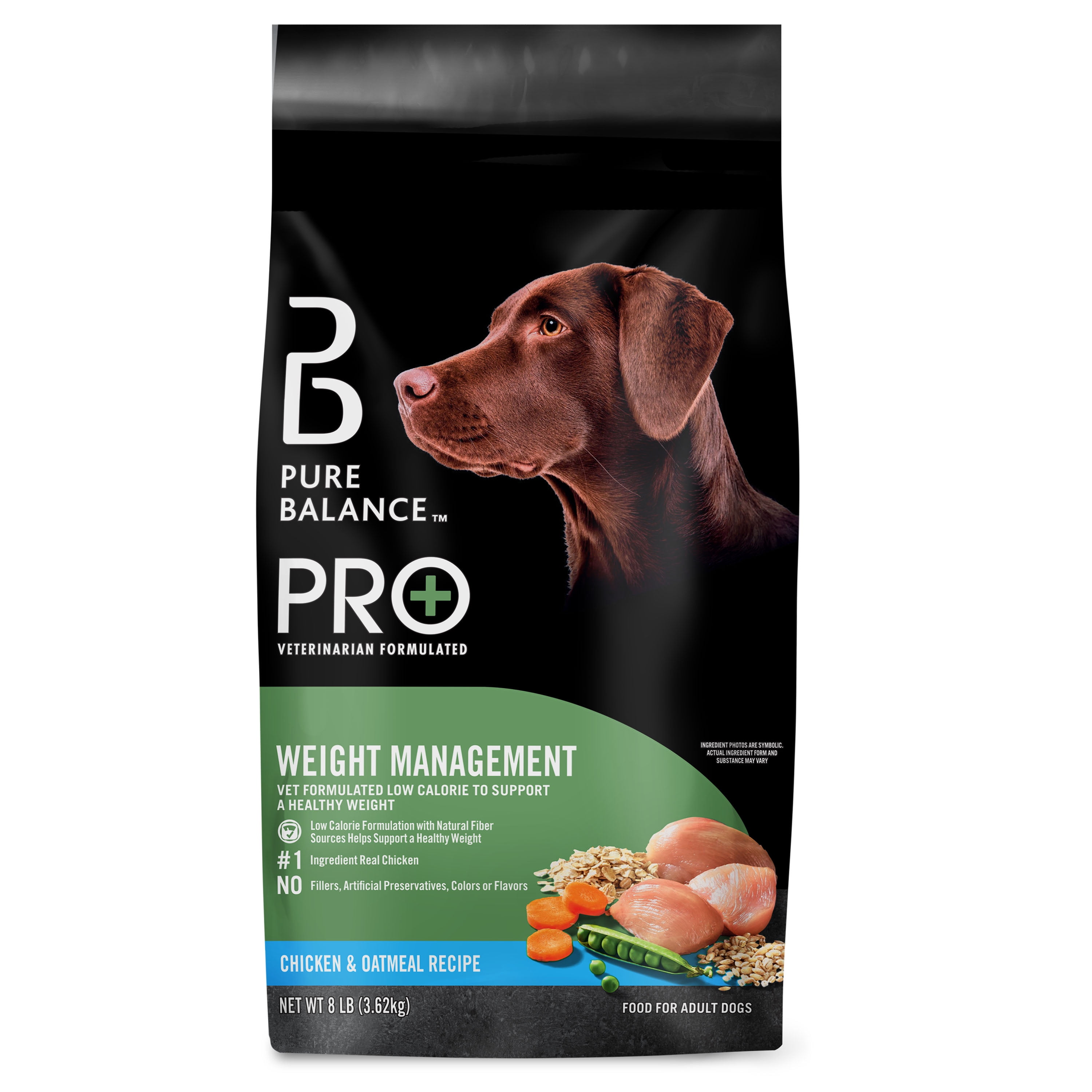
The best dog food for weight maintenance is low in calories and rich in protein. It supports muscle health while controlling fat. Look for options with natural ingredients and balanced nutrients to keep your dog fit and healthy.
How To Choose Weight Control Dog Food?
Choose weight control dog food by checking calorie content and ingredient quality. Opt for foods with high protein and fiber. Avoid fillers and artificial additives. Always consult your vet for personalized recommendations based on your dog’s needs.
Can Weight Maintenance Dog Food Improve My Dog’s Health?
Yes, weight maintenance dog food helps regulate your dog’s weight, reducing obesity risks. It promotes better energy levels and joint health. Proper nutrition supports overall wellness, making your dog more active and happy.
How Often Should I Feed Weight Maintenance Dog Food?
Feed weight maintenance dog food according to your dog’s size, age, and activity level. Typically, two meals a day are recommended. Follow package guidelines and adjust portions as needed to maintain a healthy weight.
Conclusion
Choosing the right weight maintenance dog food helps keep pets healthy and happy. Balanced nutrition supports energy and controls weight well. Regular feeding with quality food prevents obesity and related issues. Watch your dog’s weight and adjust portions as needed.
Healthy meals improve your dog’s life and longevity. Small changes in diet make a big difference over time. Careful food choices show your love and attention. Keep your dog active and feed smart for lasting health.