

Finding the best dog food for your Husky with a sensitive stomach can feel like a real challenge. You want to keep your furry friend happy and healthy, but digestive issues can make mealtime stressful for both of you.
What if you could choose the perfect food that soothes your Husky’s tummy while giving them the energy and nutrition they need? You’ll discover simple, effective options that can transform your dog’s eating experience and improve their overall well-being. Keep reading to learn how to make the best choice for your beloved pet.
Husky Stomach Sensitivities
Huskies have unique digestive systems. Their stomachs can be sensitive to certain foods. This can cause discomfort and health problems. Understanding their stomach sensitivities helps in choosing the right food. Proper nutrition supports their energy and overall well-being.
Choosing the best dog food for Huskies with sensitive stomachs needs care. Knowing the common issues and signs of sensitivities can guide better choices. This ensures your Husky stays healthy and happy.
Common Digestive Issues
Huskies often face digestive problems like gas and diarrhea. Upset stomachs can cause vomiting or loose stools. Food allergies or intolerances may trigger these issues. Sometimes, bacteria or parasites also cause stomach troubles. Sensitive stomachs may react to certain proteins or grains. These problems affect nutrient absorption and energy levels.
Signs Of Food Sensitivities
Watch for symptoms such as itching, redness, or swelling. Frequent scratching or licking of paws can signal sensitivity. Digestive signs include vomiting, diarrhea, or bloating. A Husky might refuse food or lose weight. Changes in behavior or low energy may also appear. Early detection helps prevent serious health problems.

Credit: wefeedraw.com
Key Ingredients For Sensitive Stomachs
Choosing the right ingredients is vital for Huskies with sensitive stomachs. The food must support easy digestion and avoid irritation. Sensitive stomachs react poorly to harsh or complex ingredients. Simple, gentle components help keep your dog healthy and happy.
Easily Digestible Proteins
Proteins are essential for your Husky’s energy and muscle health. Opt for proteins that break down easily, such as chicken, turkey, or fish. These proteins reduce strain on the digestive system. Avoid common allergens like beef or lamb if sensitivity occurs. Hydrolyzed proteins are another good choice. They are broken into smaller parts, making digestion smoother.
Gentle Carbohydrate Sources
Carbohydrates provide energy but can cause stomach upset if too complex. Choose simple carbs like sweet potatoes, white rice, or oats. These are easier to digest and less likely to cause gas. Avoid grains like corn or wheat, which may trigger allergies. Gentle carbs help maintain steady energy levels without digestive issues.
Beneficial Fiber Types
Fiber aids digestion and promotes healthy bowel movements. Soluble fibers like pumpkin or beet pulp soothe the stomach lining. Insoluble fibers help push waste through the gut. A balanced mix of fibers supports regular digestion. Too much fiber can cause bloating, so balance is key.
Avoiding Harmful Additives
Choosing the right food for Huskies with sensitive stomachs means avoiding harmful additives. These additives can cause digestive problems and discomfort. Feeding your dog clean, natural food helps maintain their health and happiness. Understanding what to avoid is key to keeping your Husky’s stomach calm and healthy.
Common Irritants In Dog Food
Many dog foods contain ingredients that irritate sensitive stomachs. Common irritants include artificial colors, flavors, and certain chemicals. These can trigger allergies or digestive upset in Huskies. Watch out for ingredients like corn, wheat, and soy. These fillers often cause gas, bloating, or diarrhea. Choosing foods without these irritants helps support your dog’s digestion.
Artificial Preservatives And Fillers
Artificial preservatives keep dog food fresh but can harm sensitive dogs. Ingredients like BHA, BHT, and ethoxyquin may cause stomach issues. Fillers add bulk but offer little nutrition. They often lead to digestive discomfort and poor nutrient absorption. Opt for dog foods made with natural preservatives and no fillers. This choice protects your Husky’s sensitive stomach and promotes overall health.
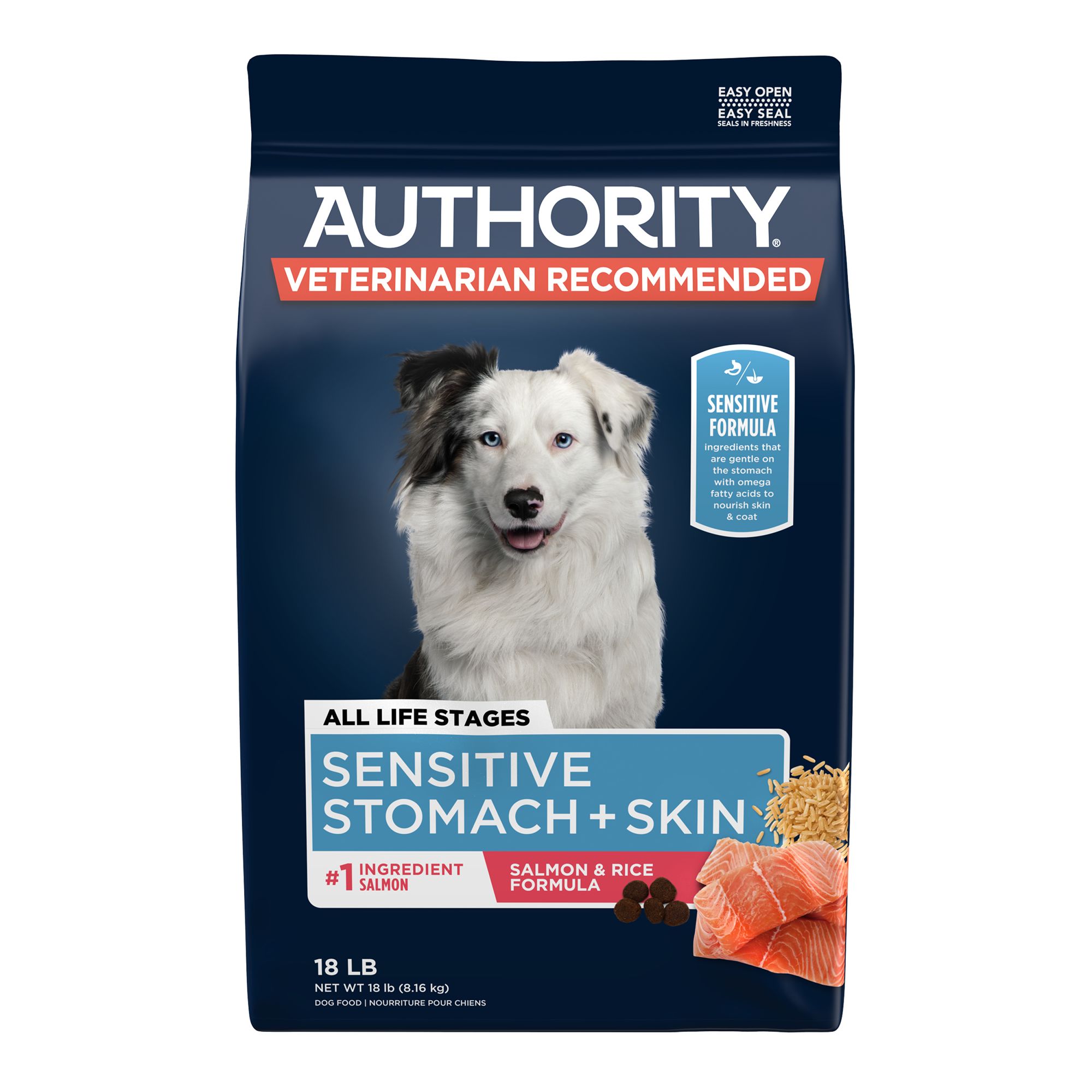
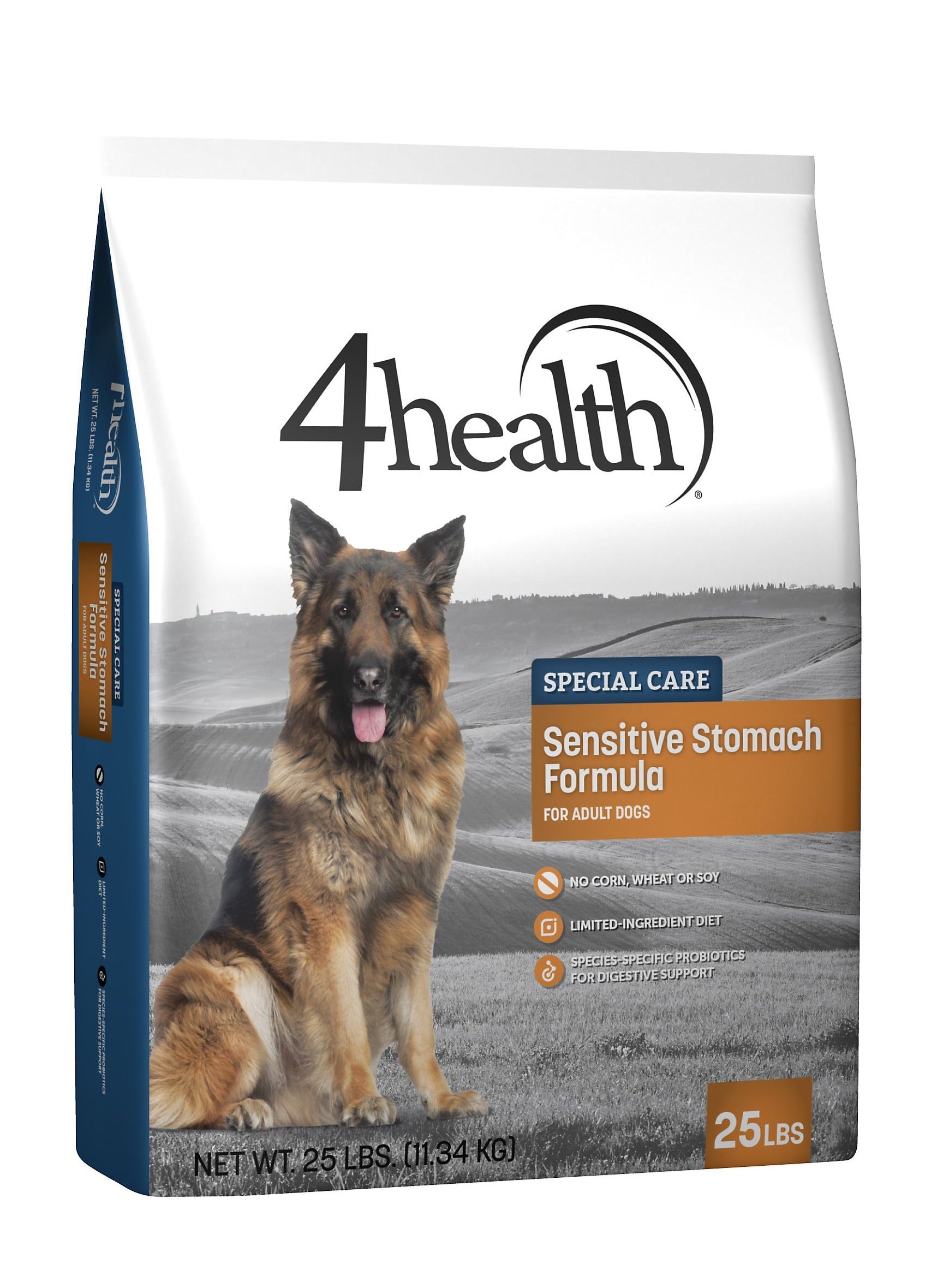
Top Dog Food Brands For Huskies
Choosing the right dog food is key for Huskies with sensitive stomachs. Quality brands offer foods made with care for digestive health. These brands focus on simple ingredients and gentle formulas. They help reduce stomach upset and keep your Husky happy.
Grain-free Options
Grain-free dog foods avoid corn, wheat, and soy. These grains can cause stomach issues in sensitive Huskies. Top brands use potatoes or peas as carbohydrate sources. This choice helps dogs digest food more easily. Grain-free diets often include healthy fats and proteins.
Limited Ingredient Diets
Limited ingredient diets contain fewer components to lower allergy risks. These foods have one protein and a few simple carbs. They reduce the chance of stomach irritation. Brands offering these diets focus on natural, easy-to-digest ingredients. This diet suits Huskies with specific food sensitivities.
Hypoallergenic Formulas
Hypoallergenic dog foods use special proteins like hydrolyzed or novel proteins. They are designed to avoid allergic reactions. These formulas often exclude common allergens. They support sensitive stomachs by reducing immune responses. Many Huskies benefit from these gentle, safe recipes.
Homemade Meals For Sensitive Huskies
Homemade meals offer a great way to feed huskies with sensitive stomachs. Preparing food at home lets you control every ingredient. This helps avoid allergens and hard-to-digest foods. You can make meals that suit your dog’s unique needs. Fresh, simple ingredients support better digestion and overall health.
Safe Ingredients To Use
Choose ingredients that are gentle on the stomach. Plain cooked chicken, turkey, or lean beef are good protein sources. Rice and sweet potatoes provide easy-to-digest carbohydrates. Carrots and green beans add fiber and vitamins without upsetting digestion. Avoid onions, garlic, and spicy foods. Keep seasonings minimal or none at all. Fresh water should always be available.
Simple Recipes To Try
Start with a basic chicken and rice dish. Boil chicken breast until fully cooked, then shred it. Cook white rice until soft and mix with chicken. Add steamed carrots for extra nutrients. Another option is turkey with sweet potato. Bake or boil sweet potatoes and mash them. Combine with cooked ground turkey. Serve in small portions and watch for any reactions.
Credit: villageatoakwood.com
Transitioning To New Food
Changing your husky’s food requires care, especially with a sensitive stomach. Sudden changes can cause upset tummy, diarrhea, or vomiting. A smooth transition helps your dog adjust well to the new diet. It supports digestion and keeps your husky happy and healthy.
Gradual Switching Tips
Start by mixing a small amount of the new food with the old. Increase the new food portion slowly over 7 to 10 days. This slow change gives your husky’s stomach time to adapt. Watch your dog’s eating habits and stool quality during this period. Avoid giving treats or other foods that may confuse the process.
Monitoring Your Husky’s Reaction
Check your husky’s behavior daily. Look for signs like vomiting, diarrhea, or lack of appetite. Also, watch for gas or bloating, which may indicate a problem. If any issues occur, slow down the transition or consult a vet. Keep notes on your dog’s reactions for better feeding decisions.
Supplements To Support Digestion
Supplements can help support digestion in huskies with sensitive stomachs. These supplements improve nutrient absorption and reduce stomach upset. Including the right supplements in their diet can make a big difference in their overall health.
Probiotics And Enzymes
Probiotics are good bacteria that balance the gut. They help break down food and fight harmful germs. Enzymes aid digestion by breaking down proteins, fats, and carbs. Together, they ease digestion and reduce bloating or gas. Probiotics and enzymes support a healthy gut environment for huskies.
Omega Fatty Acids
Omega fatty acids reduce inflammation in the digestive tract. They improve the lining of the stomach and intestines. These fats also boost the immune system, helping huskies fight infections. Including omega fatty acids supports a calm and healthy digestive system.
Veterinarian Advice And Testing
Veterinarian advice and testing play a crucial role in managing Huskies with sensitive stomachs. These dogs may suffer from food allergies or digestive problems that require professional care. Vets help identify the root cause and suggest the best diet for your pet’s health.
Professional guidance ensures your dog gets the right nutrients without discomfort. Testing can reveal allergies or intolerances that are hard to detect at home. Early diagnosis helps prevent serious health issues and improves your dog’s quality of life.
When To Seek Professional Help
Take your Husky to a vet if stomach problems last more than a few days. Signs like vomiting, diarrhea, or loss of appetite need immediate attention. Persistent scratching or skin rashes can also indicate allergies.
Sudden weight loss or bloating requires urgent veterinary care. Your vet may recommend a special diet or medications. Regular check-ups help monitor your dog’s condition closely.
Allergy Testing Options
Allergy tests identify specific foods or environmental triggers causing discomfort. Blood tests measure your dog’s immune response to various allergens. Skin tests expose small areas to allergens and observe reactions.
Tests provide clear information to tailor your Husky’s diet effectively. Avoiding allergens keeps your dog comfortable and healthy. Your vet will explain which test suits your dog best.
Credit: www.petsense.com
Frequently Asked Questions
What Ingredients Are Best For Huskies With Sensitive Stomachs?
Hypoallergenic ingredients like limited proteins, rice, and sweet potatoes are ideal. Avoid artificial additives and fillers to prevent irritation.
How To Identify A Sensitive Stomach In Huskies?
Symptoms include vomiting, diarrhea, gas, and frequent stomach upset. Watch for changes in appetite or stool consistency after meals.
Can Grain-free Dog Food Help Huskies With Digestion?
Grain-free diets may reduce allergies and improve digestion but consult a vet first. Some Huskies benefit from whole grains instead.
How Often Should I Feed My Sensitive-stomach Husky?
Feed smaller, frequent meals to ease digestion and prevent stomach overload. Two to three meals daily are generally recommended.
Conclusion
Choosing the right dog food helps your husky stay healthy and happy. Sensitive stomachs need gentle ingredients that digest well. Look for foods with limited ingredients and no fillers. Quality nutrition supports their energy and strong immune system. Watch how your husky reacts to new meals.
Small changes can make a big difference in comfort. Feeding your husky properly shows how much you care. Keep your dog’s tummy calm and enjoy many playful days together. Simple choices lead to a healthier, happier husky life.


