If your dog is scratching more than usual or has flaky, dry skin, you know how uncomfortable it can be for them—and how worrying it is for you. Finding the right food can make a huge difference in easing their dry skin and allergies.
But with so many options out there, how do you choose the best one? This guide will help you discover the top dog foods that soothe your pet’s skin and keep allergies at bay. Keep reading to find the solution your furry friend deserves.
Causes Of Dry Skin And Allergies In Dogs
Dry skin and allergies in dogs cause discomfort and itching. These issues can lead to redness, hair loss, and infections. Understanding the causes helps in finding the best dog food for dry skin and allergies. Many factors contribute to these problems. Some are related to allergens, diet, or the environment.
Common Allergens Affecting Dogs
Dogs can be allergic to many things. Pollen from trees, grass, and weeds often triggers allergies. Dust mites and mold spores also cause reactions. Some dogs react to certain foods, like beef, dairy, or wheat. Flea bites can cause severe itching and skin problems. These allergens irritate the skin and cause dryness and inflammation.
Nutritional Deficiencies And Skin Health
Poor diet affects a dog’s skin health. Lack of omega-3 and omega-6 fatty acids leads to dry, flaky skin. Vitamins like A, E, and biotin support skin repair and moisture. Protein is essential for healthy skin and hair growth. Without balanced nutrition, dogs develop weak skin barriers. This makes them more prone to allergies and irritation.
Environmental Factors
Weather changes often affect a dog’s skin. Cold, dry air causes skin to lose moisture. Hot weather and sun exposure can dry out the skin too. Harsh shampoos and frequent baths remove natural oils. Dirty or dusty living spaces increase allergy risks. Stress and poor hygiene also weaken skin protection against irritants.
Key Nutrients For Healthy Skin
Healthy skin needs the right nutrients. These nutrients support skin repair and reduce dryness. They also help calm allergies. Feeding your dog food rich in these nutrients can improve their skin health. Understanding key nutrients helps you choose the best food for dry skin and allergies.
Omega-3 And Omega-6 Fatty Acids
Omega-3 and omega-6 fatty acids keep skin soft and hydrated. They reduce inflammation and itchiness. These fats help repair damaged skin cells. Fish oil and flaxseed are good sources. Balanced amounts of both omegas support a healthy skin barrier.
Vitamins And Minerals
Vitamins like A, E, and B complex protect skin from damage. Vitamin A supports skin cell growth. Vitamin E acts as an antioxidant. Zinc and selenium are essential minerals for skin repair. These nutrients keep skin strong and healthy.
Protein Quality And Sources
Protein helps build new skin cells. High-quality proteins come from meat, fish, or eggs. They provide essential amino acids needed for skin repair. Poor protein sources can worsen skin problems. Choose dog food with named meat or fish as the first ingredient.
Types Of Dog Food For Skin And Allergy Relief
Choosing the right dog food helps ease dry skin and allergies in dogs. Different types of dog food target these issues in unique ways. Each type offers specific ingredients that can soothe skin and reduce allergic reactions.
Understanding these options helps you pick the best food for your dog’s needs. Let’s explore the main types designed for skin and allergy relief.
Hypoallergenic Dog Food
Hypoallergenic dog food contains proteins and ingredients less likely to cause allergies. These foods often use novel protein sources like duck or venison. They avoid common allergens such as beef, chicken, and dairy. This helps reduce itching, redness, and inflammation. Dogs with sensitive skin may find relief with hypoallergenic diets.
Grain-free Options
Grain-free dog food removes common grains like wheat, corn, and soy. Some dogs react to these grains, causing skin problems. Grain-free diets use alternative carbs like sweet potatoes or peas. This switch can calm irritated skin and improve coat health. These options suit dogs with grain sensitivities or allergies.
Limited Ingredient Diets
Limited ingredient diets contain fewer ingredients to reduce allergy risks. They focus on simple recipes with one protein and one carbohydrate source. This makes it easier to identify and avoid allergens. Limited ingredient food supports dogs with multiple food sensitivities. It helps maintain healthy skin and reduce allergy symptoms.
Credit: www.nbcnews.com
Top Dog Food Brands For Dry Skin And Allergies
Choosing the right dog food helps manage dry skin and allergies. Good brands offer formulas that soothe irritation and improve coat health. Ingredients like omega fatty acids, vitamins, and limited allergens support skin repair. Here are some top dog food brands that target these issues.
Premium Prescription Diets
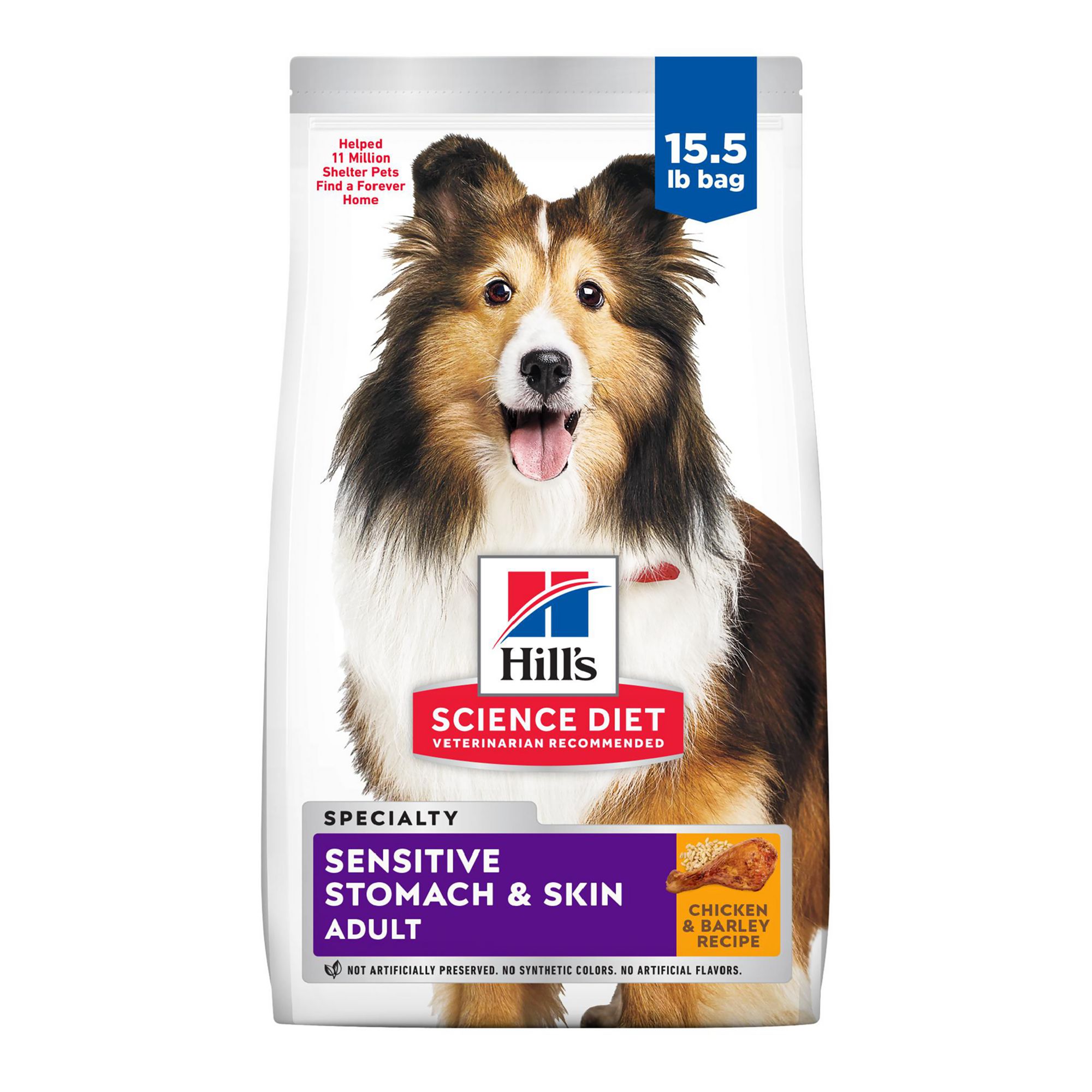
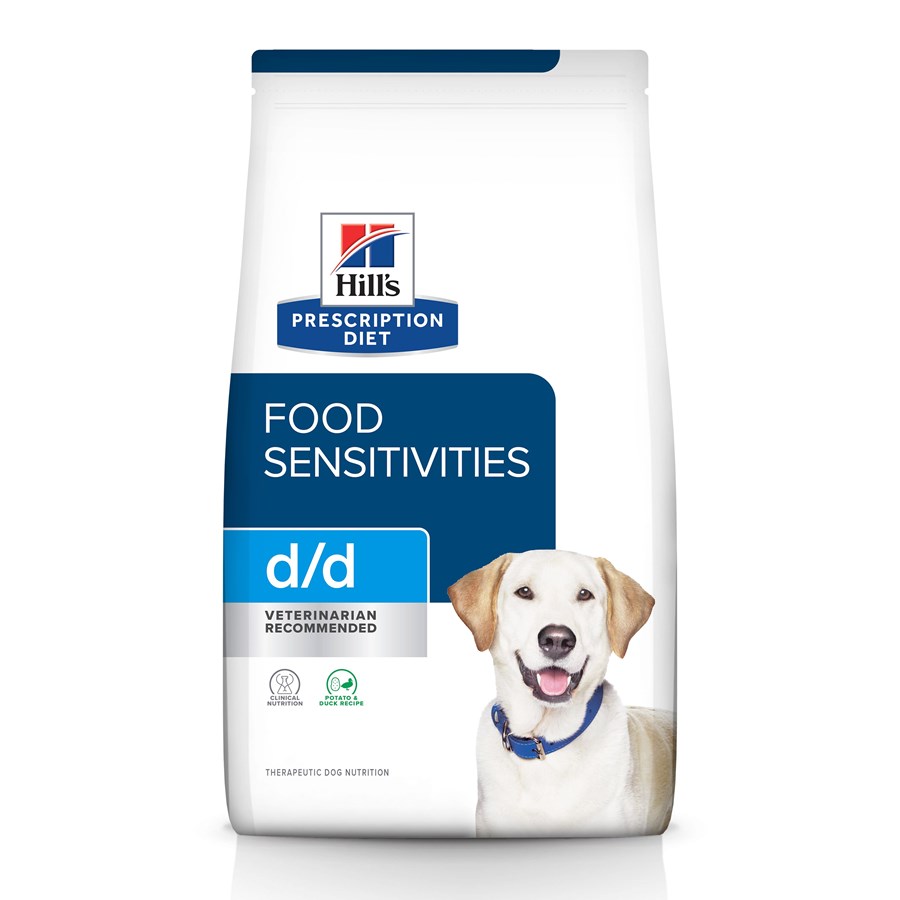
Prescription diets come with vet approval for sensitive dogs. Brands like Hill’s Prescription Diet and Royal Canin have special recipes. These foods reduce inflammation and limit allergens. They often contain hydrolyzed proteins or novel ingredients. Such diets help dogs with severe skin problems.
Natural And Organic Choices
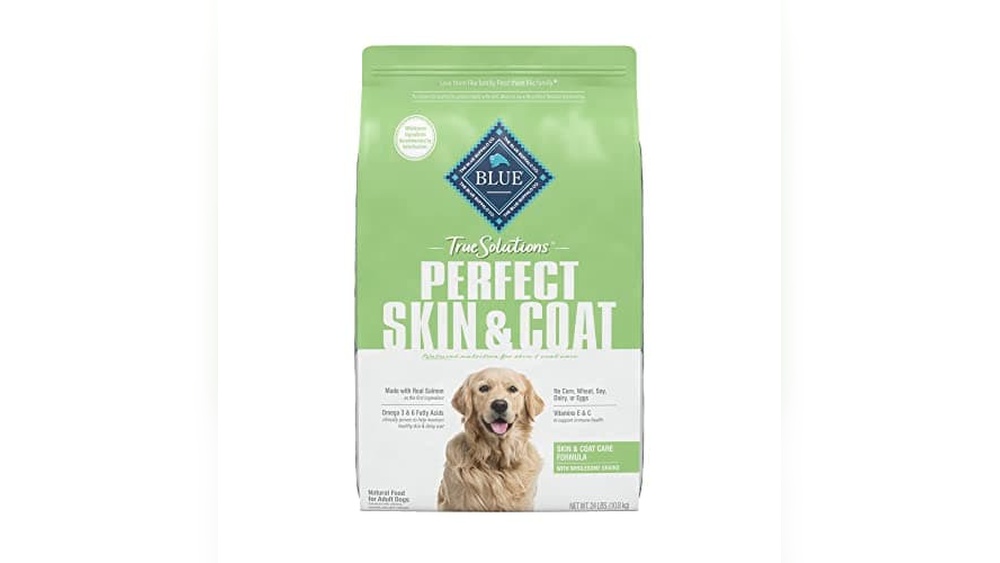
Natural foods use simple, wholesome ingredients without artificial additives. Brands such as Blue Buffalo and Wellness offer organic options rich in omega-3 and omega-6. These fatty acids support healthy skin and reduce dryness. Natural diets also avoid common allergens like corn and wheat.
Budget-friendly Options
Good nutrition does not always mean high price. Brands like Nutro and Diamond provide affordable formulas for sensitive skin. These foods include essential nutrients and avoid harsh fillers. Budget options help maintain skin health without overspending. Consistent feeding of quality food matters most.
Homemade And Diy Dog Food Recipes
Making homemade dog food can help manage dry skin and allergies effectively. You control every ingredient, ensuring nothing harmful enters your dog’s diet. Fresh, natural foods often soothe irritated skin and reduce allergic reactions.
Homemade meals let you tailor nutrition to your dog’s needs. You avoid fillers and additives found in many commercial foods. Preparing food yourself creates variety and keeps your dog interested in mealtime.
Safe Ingredients For Skin Health
Choose ingredients rich in omega-3 and omega-6 fatty acids. Fish like salmon and sardines support healthy skin and coat. Sweet potatoes and pumpkin provide vitamins that calm inflammation. Avoid common allergens like wheat, corn, and soy. Use fresh vegetables like carrots and green beans for extra nutrients.
Balanced Meal Planning
Balance proteins, fats, and carbohydrates in every meal. Proteins should come from high-quality sources like chicken or turkey. Carbohydrates from rice or oats provide energy without causing allergies. Include a small amount of healthy fat for skin hydration. Consult your vet to ensure meals meet all nutritional needs.
Supplements To Add
Fish oil supplements boost omega-3 fatty acids for skin health. Probiotics help improve digestion and reduce allergy symptoms. Vitamin E supports skin repair and reduces dryness. Adding zinc can help with skin healing and immune support. Always check with your vet before adding supplements.
Credit: www.petsmart.com
Tips For Transitioning Your Dog’s Diet
Changing your dog’s food needs care and patience. Sudden changes can upset their stomach or skin. A smooth diet switch helps your dog adjust well. It also reduces allergy flare-ups and dry skin problems. Follow clear steps to make the transition easy and safe.
Gradual Switch Strategies
Start by mixing a small amount of new food with old food. Increase the new food portion slowly over 7 to 10 days. Watch for any signs of discomfort or refusal to eat. A slow change helps the dog’s digestive system adapt. Avoid switching too fast to prevent upset stomach.
Monitoring Allergic Reactions
Watch for itching, redness, or unusual scratching after food change. Notice any vomiting, diarrhea, or changes in energy. These signs may show an allergy or intolerance. Keep a daily log of your dog’s behavior and symptoms. Early detection helps manage allergies better.
When To Consult A Veterinarian
Contact your vet if skin problems or allergies worsen. Seek help if your dog refuses to eat or loses weight. Professional advice can guide you to the right diet. Vets may suggest allergy tests or special foods. Timely consultation keeps your dog healthy and happy.
Additional Remedies For Dry Skin And Allergies
Dry skin and allergies cause discomfort for dogs. Besides feeding the best dog food for dry skin and allergies, other remedies help ease symptoms. These treatments support skin health and reduce irritation. They work well with a proper diet to improve your dog’s comfort.
Topical Treatments And Shampoos
Topical treatments soothe itchy and dry skin directly. Medicated shampoos contain ingredients that calm irritation and remove allergens. Use shampoos made for sensitive skin to avoid harsh chemicals. Apply creams or sprays recommended by vets to target problem areas. Regular use helps keep the skin moist and less itchy.
Environmental Management
Environmental factors often trigger allergies and dry skin. Keep your dog’s living area clean and dust-free. Use air purifiers to reduce airborne allergens like pollen and dust mites. Wash bedding frequently in hot water to remove irritants. Avoid exposing your dog to smoke, strong chemicals, or harsh cleaning products. These steps reduce allergy flare-ups.
Regular Grooming Practices
Grooming removes dirt, dead skin, and allergens from your dog’s coat. Brush your dog regularly to improve air circulation on the skin. Bathing with gentle shampoo helps maintain skin moisture. Check your dog’s skin for signs of redness or dryness during grooming. Proper grooming keeps the coat healthy and reduces itching.
Credit: cruceroclick.com
Frequently Asked Questions
What Ingredients Help With Dog Dry Skin And Allergies?
Omega-3 fatty acids, zinc, and vitamin E improve skin health. Limited-ingredient diets reduce allergy triggers. Hypoallergenic proteins like duck or salmon are beneficial. Avoid common allergens such as wheat, soy, and corn for best results.
How To Choose Dog Food For Skin Allergies?
Look for foods labeled hypoallergenic or sensitive skin formulas. Check for high-quality proteins and added omega fatty acids. Avoid artificial additives and fillers. Consult your vet for specific allergy testing and recommendations.
Can Diet Alone Cure Dog Dry Skin And Allergies?
Diet helps manage symptoms but may not fully cure allergies. Combining diet with vet-prescribed treatments improves results. Regular grooming and environmental control also support skin health. Always monitor your dog’s response and adjust food as needed.
Are Grain-free Dog Foods Better For Allergic Skin?
Grain-free diets can reduce some dogs’ allergic reactions. However, not all dogs benefit from grain-free formulas. Identify your dog’s specific allergens before switching. Consult a vet to ensure a balanced, nutritious diet.
Conclusion
Choosing the right dog food helps ease dry skin and allergies. Good nutrition supports a healthy coat and reduces itching. Ingredients like omega fatty acids and limited allergens matter most. Watch your dog’s reaction to new food closely. Consistency in diet brings better results over time.
Healthy skin means a happier, more comfortable pet. Keep learning about your dog’s needs and adjust as needed. A simple change in food can improve your dog’s life.