
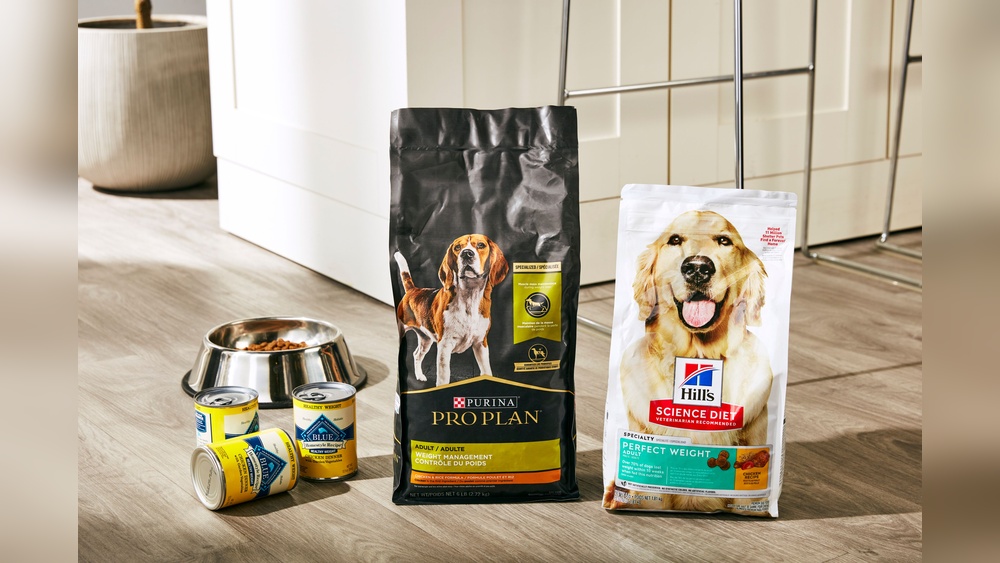
Is your dog carrying a few extra pounds that worry you? Finding the best dog food for dogs to lose weight can make all the difference in helping your furry friend get healthier and happier.
You want a solution that’s safe, effective, and easy to follow. You’ll discover simple choices that support weight loss without sacrificing taste or nutrition. Keep reading to learn how the right food can transform your dog’s energy, mood, and overall well-being.
Your dog deserves the best—let’s make that happen together.

Credit: www.businessinsider.com
Why Weight Management Matters
Weight management is important for every dog’s health and happiness. Carrying extra weight can cause many problems for dogs. Keeping your dog at a healthy weight helps them live longer and feel better. It also reduces the chance of serious diseases.
Choosing the right dog food is a key part of managing weight. Feeding the best dog food for weight loss supports healthy body weight. This helps dogs stay active and enjoy life more.
Health Risks Of Overweight Dogs
Overweight dogs face many health risks. Extra weight puts stress on their joints and bones. This can cause arthritis and pain. It also makes moving hard and tiring.
Obesity raises the risk of heart disease and diabetes. It can cause breathing problems and lower energy levels. Overweight dogs may have shorter lifespans than healthy dogs.
Benefits Of A Healthy Weight
A healthy weight helps dogs stay active and strong. Their joints feel better and move more easily. Dogs with good weight have more energy to play and exercise.
Maintaining a healthy weight lowers the risk of illness. It supports a strong heart, good digestion, and healthy breathing. Healthy dogs tend to live longer and enjoy life more fully.
:strip_icc()/sps-tier-3-product-hills-science-diet-perfect-weight-adult-dog-food-ahuang-086-2297c2254e834607925497383a3dc8b6.jpeg)
Credit: www.thesprucepets.com
Key Ingredients For Weight Loss
Choosing the right ingredients in dog food is key for weight loss. These ingredients help control calories and keep your dog full. They also support muscle health and digestion. Knowing what to look for makes it easier to pick the best food.
High Protein Sources
Protein helps build and maintain strong muscles. It also keeps dogs feeling full longer. Good sources include chicken, turkey, and fish. These proteins have fewer calories than fatty meats. Protein supports energy and helps dogs stay active.
Low Fat Options
Fat provides energy but can add too many calories. Choosing dog food with low fat helps reduce weight gain. Look for foods with healthy fats like fish oil. These fats support skin and coat health without extra calories.
Fiber And Digestive Health
Fiber helps dogs feel full and improves digestion. Ingredients like pumpkin, sweet potatoes, and peas add fiber. Fiber slows digestion and controls hunger. It also helps keep the digestive system working well.
Types Of Weight Loss Dog Food
Choosing the right type of weight loss dog food helps your dog shed pounds safely. Different foods offer various benefits. Understanding these types makes feeding easier and more effective.
Each type supports weight loss in unique ways. The choice depends on your dog’s needs and preferences.
Dry Kibble
Dry kibble is popular for weight loss diets. It contains fewer calories and more fiber to keep dogs full. Many brands make low-fat, high-protein kibble. This helps build muscle while losing fat. Kibble is easy to store and serve. It also helps clean teeth during chewing.
Wet Food
Wet food has higher moisture content than kibble. This helps dogs feel full with fewer calories. It is often tastier, which encourages picky eaters. Wet food usually has less carbohydrate and fat. Choose options labeled for weight control or light formulas. Serving wet food can increase hydration too.
Raw And Homemade Diets
Raw and homemade diets offer fresh ingredients and full control over nutrition. These diets can be low in carbs and high in protein. They help manage weight by avoiding fillers and additives. Preparing food at home requires careful planning to meet all nutrient needs. Consult a vet or pet nutritionist before starting.
Top Dog Food Brands For Weight Control
Choosing the right dog food helps dogs lose weight safely. Quality brands offer formulas made for weight control. These foods have fewer calories but keep dogs full. This helps maintain energy and supports healthy weight loss. Below are top dog food brands that work well for weight management.
Premium Options
Premium dog foods often use high-quality ingredients. They include lean proteins and fiber to reduce hunger. Brands like Hill’s Science Diet and Blue Buffalo offer special weight control recipes. These foods support muscle health and reduce fat. They also have balanced vitamins and minerals for overall wellness.
Budget-friendly Choices
Affordable dog food brands can still help with weight loss. Look for options with controlled calories and good nutrition. Brands such as Diamond Naturals and Nutro offer weight management formulas. These are gentle on the wallet but effective. Always check the ingredient list for protein and fiber content.
Veterinarian Recommended
Veterinarians often suggest prescription diets for overweight dogs. Brands like Royal Canin and Purina Pro Plan Veterinary Diets are common choices. These foods are made to support weight loss and improve health. They require a vet’s approval and close monitoring. These diets help dogs lose weight safely under expert care.
Feeding Tips For Weight Loss
Helping your dog lose weight requires more than just picking the right food. How you feed your dog plays a big role in their weight loss journey. Simple changes in feeding habits can make a big difference.
Here are some important tips to guide you in feeding your dog for healthy weight loss.
Portion Control
Measure your dog’s food carefully at every meal. Avoid guessing the amount. Use a kitchen scale or measuring cup. Follow the feeding instructions on the dog food label. Adjust portions based on your vet’s advice and your dog’s progress. Smaller portions help reduce calorie intake.
Meal Frequency
Feed your dog smaller meals more often during the day. Two to three meals work well for many dogs. This helps control hunger and keeps energy steady. Avoid free-feeding or leaving food out all day. Regular meal times build good eating habits.
Avoiding Treat Overuse
Treats can add many extra calories. Limit treats to healthy options in small amounts. Use treats for training or special rewards only. Replace high-calorie treats with low-calorie veggies like carrots. Keep track of all treats given daily to avoid overfeeding.
Monitoring Progress And Adjusting Diet
Monitoring your dog’s progress during a weight loss plan is very important. It helps you see if the diet is working. Adjusting the diet may be needed based on your dog’s results. Careful tracking keeps your dog healthy and safe.
Tracking Weight Changes
Weigh your dog regularly, at least once a week. Use the same scale and time of day for accuracy. Write down the weight each time to spot trends. Small changes matter. Keep an eye on energy levels and behavior too.
When To Consult A Vet
Visit a vet if your dog’s weight does not change. Sudden weight loss or gain needs medical attention. A vet can check for health problems. They can suggest diet or exercise changes. Always ask for advice before changing your dog’s food or routine.

Credit: www.houndsy.com
Frequently Asked Questions
What Ingredients Help Dogs Lose Weight Effectively?
High protein, low fat, and fiber-rich ingredients aid weight loss. They keep dogs full and boost metabolism. Avoid fillers and high-calorie additives for best results.
How Much Dog Food Should I Feed For Weight Loss?
Feed your dog smaller portions, adjusted for ideal weight and activity. Follow vet recommendations and product feeding guidelines carefully to prevent overeating and promote steady weight loss.
Can Grain-free Dog Food Help With Weight Loss?
Grain-free dog food may benefit dogs with allergies but doesn’t guarantee weight loss. Focus on calorie control, balanced nutrients, and portion size instead of just grain content.
How Often Should I Feed My Dog To Lose Weight?
Feed your dog two to three small meals daily. Regular, consistent feeding times help control hunger and prevent overeating, supporting gradual and healthy weight loss.
Conclusion
Choosing the best dog food helps your pet lose weight safely. Healthy ingredients give energy and support good health. Feeding the right portions avoids overeating and weight gain. Regular exercise works with diet for better results. Watch your dog’s progress and adjust food as needed.
A balanced plan keeps your dog happy and active. Small changes make a big difference over time. Your dog deserves care and attention every day. Keep these tips in mind to help your dog thrive.


