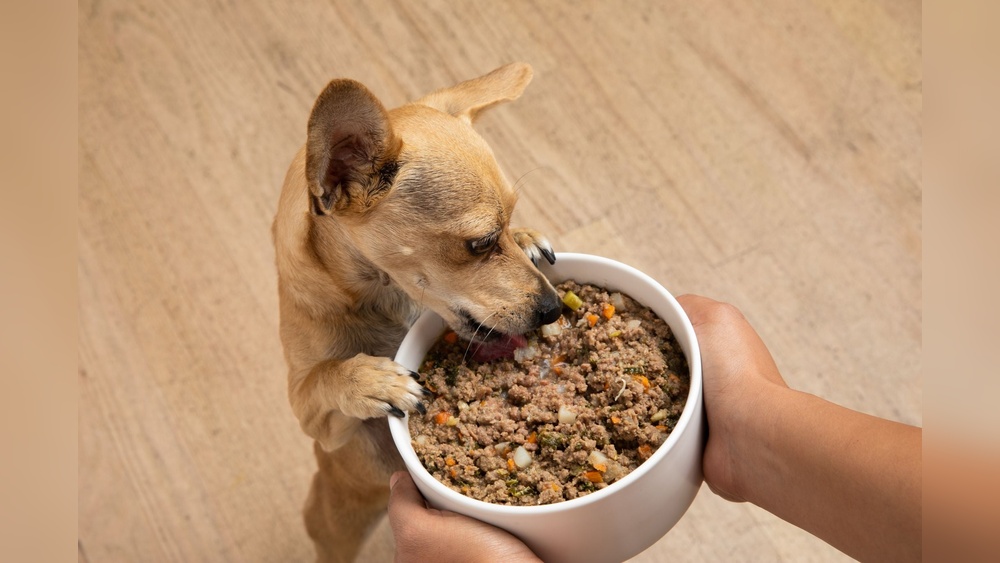
If your Doberman struggles with a sensitive stomach, you know how frustrating it can be to find the right food. You want to keep your dog healthy and happy without worrying about upset tummies or digestive issues.
Choosing the best dog food for your Doberman’s sensitive stomach is key to giving them the comfort and nutrition they deserve. You’ll discover simple, effective options that can make mealtime enjoyable again—for both you and your dog. Keep reading to find out how to give your loyal companion the care they truly need.

Credit: www.dogtrainingguru.org
Doberman Stomach Sensitivities
Dobermans are strong and active dogs. Some Dobermans have stomach sensitivities. These can make feeding them a challenge. Knowing their digestive needs helps keep them healthy. Choosing the right food supports their sensitive stomachs.
Understanding Doberman stomach sensitivities can prevent many health problems. Watch for signs and know the causes. This knowledge guides you to the best dog food for your pet.
Common Digestive Issues
Many Dobermans face common digestive problems. These include gas, diarrhea, and vomiting. Some dogs have food intolerance or allergies. Bloating and stomach pain also occur. These issues affect their energy and mood.
Causes Of Sensitivities
Food ingredients often cause stomach sensitivities. Some Dobermans react to grains or certain proteins. Sudden changes in diet can upset digestion. Stress and infections also lead to stomach problems. Genetics may make some dogs more sensitive.
Signs To Watch For
Look for signs of stomach trouble in your Doberman. Vomiting and diarrhea happen often. Loss of appetite or weight is a red flag. Excessive gas or bloating can be painful. Watch for lethargy or changes in behavior too.
Key Nutrients For Sensitive Stomachs
Choosing the right nutrients helps Dobermans with sensitive stomachs feel better. Sensitive stomachs need gentle care through diet. Proper nutrition can reduce discomfort and improve digestion. Understanding key nutrients helps pick the best dog food for your pet.
Easily Digestible Proteins
Proteins are essential for muscle and tissue health. Easily digestible proteins help reduce stomach upset. Look for ingredients like chicken, turkey, or fish. These proteins break down faster and cause less irritation. Avoid proteins that are hard to digest or common allergens.
Fiber And Prebiotics
Fiber supports healthy digestion and regular bowel movements. Prebiotics feed good bacteria in the gut. This helps balance your dog’s digestive system. Choose dog foods with natural fiber sources like pumpkin or sweet potato. These ingredients soothe the stomach and improve nutrient absorption.
Avoiding Allergens
Common allergens can trigger stomach problems in Dobermans. Wheat, corn, soy, and artificial additives often cause reactions. Select dog food free from these ingredients. Grain-free and limited ingredient diets may reduce allergies. Always check labels carefully to avoid hidden allergens.
Types Of Dog Food To Consider
Choosing the right dog food for a Doberman with a sensitive stomach can be tricky. Different types of food affect digestion in various ways. Understanding these types helps in picking the best option. This section explains common choices that suit sensitive stomachs.
Grain-free Options
Grain-free dog food does not contain wheat, corn, or rice. These grains can cause stomach upset in some dogs. Grain-free diets use potatoes, peas, or other veggies instead. This option often reduces allergic reactions and improves digestion. Many Dobermans with sensitive stomachs thrive on grain-free meals.
Limited Ingredient Diets
Limited ingredient diets have fewer components. They focus on one protein and one carbohydrate source. This simplicity makes it easier to spot food allergies or intolerances. These diets help avoid ingredients that cause stomach issues. Dobermans can benefit from limited ingredients to stay healthy and comfortable.
Wet Vs Dry Food
Wet food contains more moisture than dry kibble. It is easier to chew and digest. Wet food can soothe a sensitive stomach and keep dogs hydrated. Dry food is convenient and helps clean teeth. Some owners mix both types to balance nutrition and digestion. Choosing between wet and dry depends on your Doberman’s needs.
Credit: www.brownebrothers.ie
Top Dog Food Picks For Dobermans
Dobermans with sensitive stomachs need special care in their diet. Choosing the right dog food helps avoid upset tummies and keeps your dog healthy. The best foods balance nutrition and gentle ingredients. Here are some top dog food picks for Dobermans.
These options include premium brands, budget-friendly choices, and specialty formulas. Each one supports your dog’s digestion and overall wellness. Find the best fit for your Doberman’s needs and lifestyle.
Premium Brands Reviewed
Premium dog foods often use high-quality ingredients. These foods avoid fillers that can irritate sensitive stomachs. Brands like Blue Buffalo and Wellness offer recipes with real meat and limited additives. They provide balanced nutrition with easy-to-digest proteins. Many include probiotics to aid digestion. These formulas help keep your Doberman’s stomach calm and strong.
Budget-friendly Choices
Good nutrition doesn’t always cost a lot. Some budget-friendly dog foods provide gentle ingredients and solid nutrition. Brands like Natural Balance and Canidae offer options with limited ingredients. These foods avoid common allergens and fillers. They are affordable and effective for sensitive dogs. Choosing these helps maintain health without breaking the bank.
Specialty Formulas
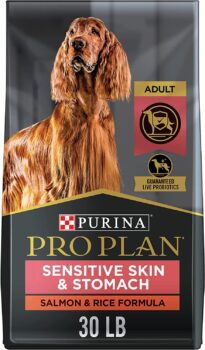
Specialty formulas target specific digestive needs. Foods labeled for sensitive stomachs or food allergies are best. These often use novel protein sources like duck or venison. Grain-free options reduce the risk of irritation. Some include added fiber and digestive enzymes. These formulas support easy digestion and reduce discomfort. They suit Dobermans with more complex stomach issues.
Tips For Transitioning To New Food
Switching your Doberman to a new dog food needs care. Sudden changes can upset their sensitive stomach. A smooth transition helps your dog adjust well. This reduces the chance of digestive problems. Follow these tips to make the change easy.
Gradual Introduction Plan
Start by mixing a small amount of new food with the old. Use about 25% new food and 75% old food for the first three days. Then, increase the new food to 50% for the next three days. After that, move to 75% new food and 25% old food. Finally, feed only the new food. This slow change helps your dog’s stomach adjust.
Monitoring Your Dog’s Reaction
Watch your dog closely during the transition. Look for signs like vomiting, diarrhea, or loss of appetite. Also, check if your dog seems less active or uncomfortable. These signs can mean the new food is not agreeing with them. Note any changes in stool color or consistency. Keep a daily record to track your dog’s reaction.
When To Consult A Vet
If your dog shows serious symptoms like constant vomiting or diarrhea, contact your vet. Also, seek help if your dog refuses to eat for more than two days. Any sudden weight loss or lethargy needs veterinary advice. Your vet can suggest the best food for your Doberman’s sensitive stomach. Early help prevents bigger health problems.
Additional Care For Sensitive Dobermans
Dobermans with sensitive stomachs need extra care beyond just food choice. Their digestion can be delicate and prone to upset. Proper care helps keep them healthy and happy. Paying attention to diet, supplements, and daily habits supports their well-being.
Supplements That Help
Probiotics support good bacteria in the gut. They improve digestion and reduce discomfort. Omega-3 fatty acids can ease inflammation and boost coat health. Digestive enzymes help break down food better. These supplements aid nutrient absorption and reduce stomach stress.
Feeding Schedule Recommendations
Feed smaller, frequent meals instead of one large meal. This avoids overloading the stomach. Consistent meal times help regulate digestion. Avoid sudden changes in food type or amount. A steady routine prevents stomach upset and improves comfort.
Lifestyle Considerations
Limit stress as it affects digestion negatively. Provide a calm and safe environment. Ensure regular exercise to keep digestion moving. Avoid feeding right before or after exercise. Clean water should always be available to stay hydrated.
Credit: iheartdogs.com
Frequently Asked Questions
What Ingredients Are Best For Dobermans With Sensitive Stomachs?
Look for limited ingredients like rice, sweet potatoes, and lean proteins. Avoid fillers, artificial additives, and common allergens. Choose easily digestible formulas designed for sensitive digestion to reduce discomfort and improve nutrient absorption.
How Can I Identify Sensitive Stomach Symptoms In Dobermans?
Symptoms include frequent vomiting, diarrhea, gas, and bloating. Your Doberman may also show decreased appetite or lethargy. Consistent digestive issues suggest sensitivity, so consult your vet for accurate diagnosis and dietary advice.
Is Grain-free Dog Food Suitable For Sensitive Dobermans?
Grain-free food can help if your dog is allergic to grains. However, not all sensitive dogs need grain-free diets. Consult your vet to determine if grain-free options are appropriate for your Doberman’s specific needs.
How Often Should I Feed A Doberman With A Sensitive Stomach?
Feed smaller, more frequent meals to aid digestion and prevent stomach upset. Typically, two to three meals per day work well. Consistency helps maintain digestive health and reduces stress on your Doberman’s stomach.
Conclusion
Choosing the right food helps your Doberman feel better every day. Sensitive stomachs need gentle, healthy ingredients. Watch how your dog reacts to new meals. Keep meals consistent and avoid sudden changes. Quality dog food supports digestion and energy. Happy tummies lead to happy dogs.
Remember, patience is key during this process. Your Doberman deserves care and good nutrition. Find the food that fits your dog best. Small changes can make a big difference. Keep your dog’s health a top priority always.