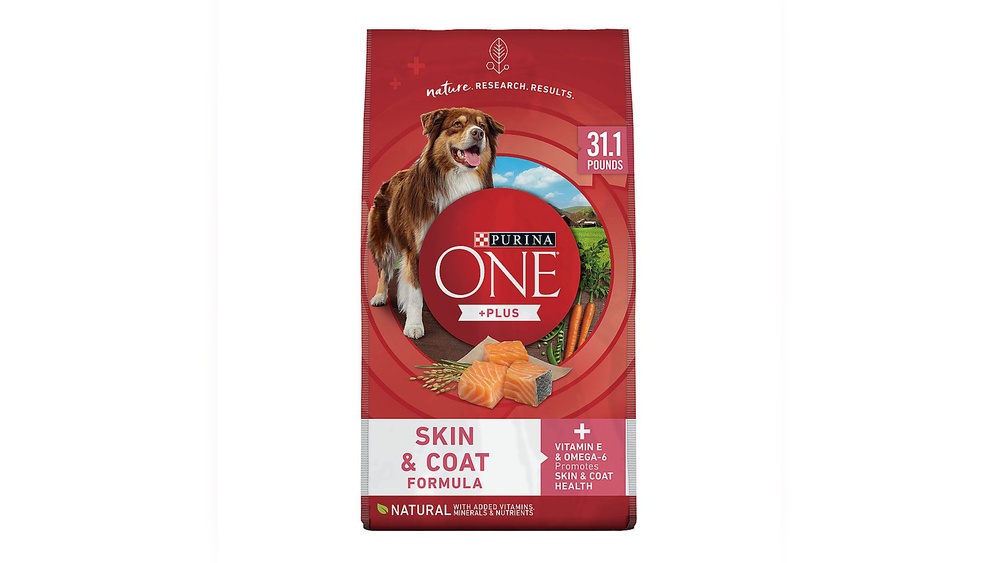
If your dog constantly scratches, chews, or seems uncomfortable, allergies might be the hidden cause. Finding the best dog food for allergy-prone dogs can make a huge difference in your furry friend’s health and happiness.
You want to give your dog meals that soothe their sensitive system, not trigger more problems. This guide will help you discover the top dog foods designed to ease allergies and keep your pet feeling their best every day. Keep reading to learn how the right food can transform your dog’s life—and yours.
Common Allergies In Dogs
Dogs can suffer from allergies just like humans. These allergies can cause discomfort and health problems. Recognizing common allergies helps owners choose the best food and care for their pets. Allergies often affect the skin, ears, and digestion.
Symptoms To Watch For
Itching and scratching are common signs of allergies. Red, irritated skin or rashes may appear. Some dogs develop hot spots, which are painful skin sores. Ear infections or frequent shaking of the head can indicate allergies. Vomiting or diarrhea might also be related to food allergies. Watch for excessive licking of paws or face as well.
Common Allergy Triggers
Food ingredients like beef, chicken, and dairy often cause reactions. Grains such as wheat and corn can trigger allergies. Environmental factors include pollen, mold, and dust mites. Flea bites are another common cause of allergic reactions. Some dogs react to certain cleaning products or perfumes. Knowing these triggers helps in selecting safe dog food.
Benefits Of Hypoallergenic Dog Food
Hypoallergenic dog food offers many benefits for dogs with allergies. It reduces allergic reactions and soothes skin problems. This food type contains fewer common allergens. It supports better digestion and overall health.
Choosing hypoallergenic food helps dogs feel more comfortable. It can prevent itching, redness, and ear infections. Dogs may enjoy better energy and mood. Feeding the right food improves their quality of life.
How It Helps Allergic Dogs
Hypoallergenic dog food limits exposure to allergens. It uses simple, easy-to-digest ingredients. This reduces the chance of triggering allergies. Dogs often show less itching and inflammation.
The food supports healthy skin and coat. It can reduce scratching and biting. This means fewer visits to the vet for allergy treatments. Hypoallergenic food helps dogs stay active and happy.
Key Ingredients To Avoid
Common allergens include beef, dairy, wheat, and soy. These often cause allergic reactions in dogs. Avoid foods with artificial colors and preservatives. These chemicals may worsen allergies or cause new ones.
Some dogs react to chicken and eggs too. Read labels carefully to spot hidden allergens. Select dog food with novel proteins like duck or venison. This helps reduce allergy symptoms and improve health.
Top Hypoallergenic Dog Food Types
Choosing the right food can help dogs with allergies feel better. Hypoallergenic dog foods reduce the risk of allergic reactions. These foods use special ingredients to avoid common triggers. Below are the top types of hypoallergenic dog foods that offer relief for allergy-prone dogs.
Limited Ingredient Diets
Limited ingredient diets contain fewer ingredients than regular dog foods. This helps identify and avoid allergens easily. These diets use simple recipes with one protein and one carbohydrate source. They reduce the chance of triggering allergies in sensitive dogs. Limited ingredient diets keep meals simple and nutritious.
Novel Protein Formulas
Novel protein formulas use uncommon protein sources. Proteins like duck, venison, or rabbit are less likely to cause allergies. Dogs rarely eat these proteins, so their immune systems do not react. These formulas offer variety and help avoid common allergens like chicken or beef. They are ideal for dogs with multiple food sensitivities.
Hydrolyzed Protein Options
Hydrolyzed protein dog foods break down proteins into tiny parts. These small pieces are too small to trigger an immune response. This makes hydrolyzed options safe for dogs with severe allergies. They support digestion and reduce allergic reactions effectively. Hydrolyzed proteins are often recommended by veterinarians for allergy cases.
:strip_icc()/Spruce-best-dog-food-for-allergies-4173781-024027f06d344cd8acf7267d38694fa3.jpg)
Credit: www.thesprucepets.com
Best Dog Food Brands For Allergies
Choosing the best dog food brand for allergy-prone dogs is important. Dogs with allergies need special diets. These diets help reduce skin problems and upset stomachs. The right food can improve your dog’s health and comfort. Quality ingredients and careful formulation matter most. Below are top dog food brands that suit sensitive dogs.
Premium Choices
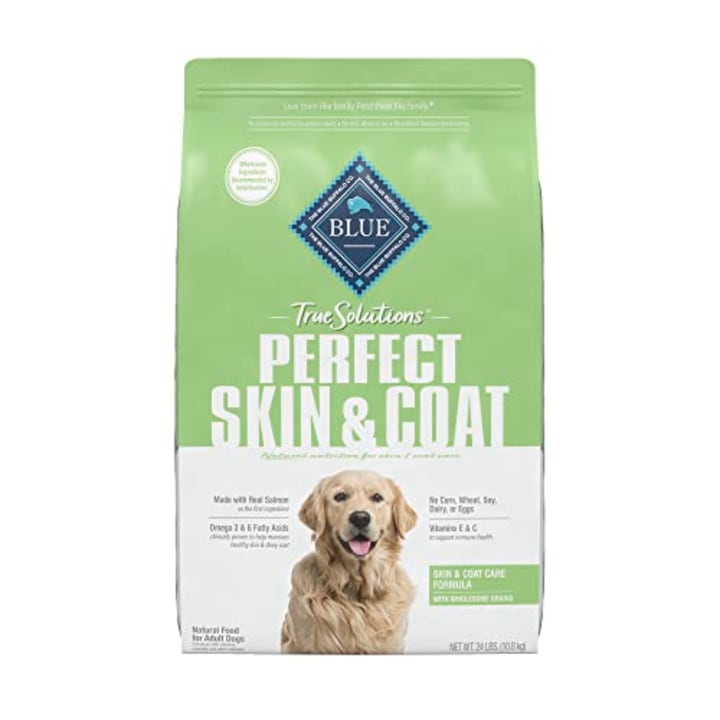
Premium dog food brands use high-quality ingredients. They avoid common allergens like wheat, soy, and corn. Many use novel proteins such as duck or venison. These proteins reduce allergic reactions. Brands like Blue Buffalo, Wellness, and Natural Balance offer special allergy formulas. These foods include limited ingredients to prevent triggers. They also have added vitamins and minerals for overall health.
Budget-friendly Options
Budget-friendly dog foods can still support allergy-prone dogs. Look for brands with simple ingredient lists. They focus on fewer, high-quality ingredients. Brands like Taste of the Wild and Nutro provide affordable allergy-friendly options. These formulas often use lamb or fish as protein sources. They avoid artificial colors and fillers. Such dog foods protect your dog’s health without high costs.
Homemade Hypoallergenic Dog Food
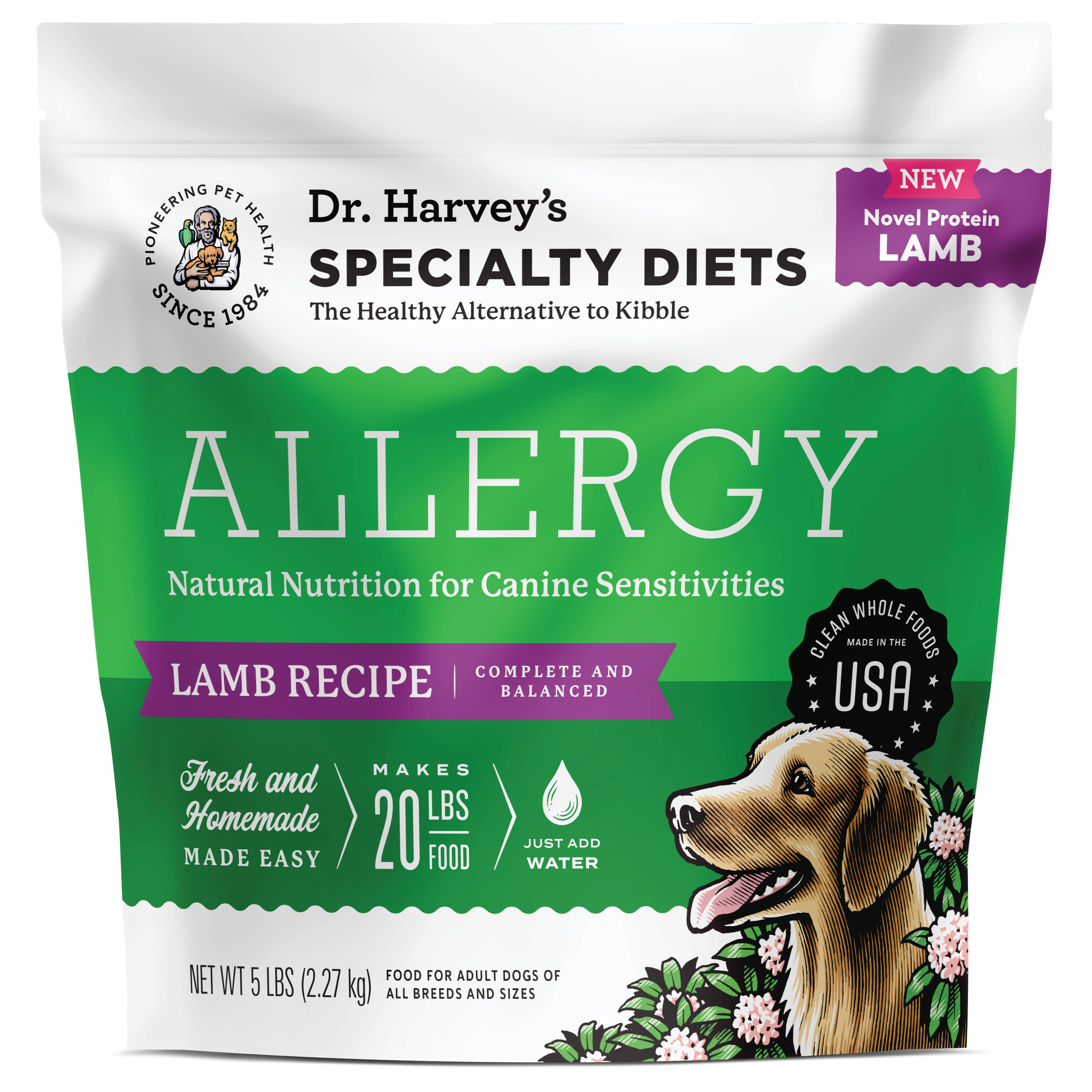
Homemade hypoallergenic dog food helps control allergies in sensitive dogs. It avoids common allergens found in many commercial foods. You can choose safe ingredients and cook fresh meals at home. This gives you full control over what your dog eats. Many allergy-prone dogs feel better with homemade diets.
Preparing food at home also allows you to avoid artificial additives. You can focus on simple, natural ingredients that support your dog’s health. Homemade meals can be tasty and nutritious. They help reduce itching, redness, and digestive issues.
Safe Ingredients To Use
Choose ingredients that rarely cause allergies. Lean meats like turkey, rabbit, or venison are good options. Rice and sweet potatoes provide easy-to-digest carbohydrates. Vegetables such as green beans, carrots, and peas add fiber and vitamins.
Use oils like coconut or fish oil for healthy fats. Avoid common allergens like beef, chicken, dairy, wheat, and soy. Keep meals simple, with only a few ingredients. This helps identify any food triggers.
Sample Recipes
Try this simple hypoallergenic recipe:
- 1 cup cooked turkey (ground or shredded)
- 1/2 cup cooked sweet potatoes
- 1/4 cup steamed green beans
- 1 teaspoon fish oil
Mix all ingredients well. Serve fresh or store in the fridge for a day.
Another recipe includes:
- 1 cup cooked venison
- 1/2 cup cooked white rice
- 1/4 cup cooked carrots
- 1 teaspoon coconut oil
Combine all ingredients and serve at room temperature. These recipes provide balanced nutrition with low allergy risk.
Credit: ieced.com.ec
Tips For Switching To New Dog Food
Switching to new dog food needs care and patience. Sudden changes can upset your dog’s stomach. Allergy-prone dogs are even more sensitive. Proper steps help your dog adjust comfortably. Watch for signs that show how your dog reacts.
Gradual Transition Steps
Start by mixing 25% new food with 75% old food. Feed this mix for three days. Then increase new food to 50% for the next three days. After that, feed 75% new food and 25% old food. Finally, offer only the new dog food. This slow change helps avoid stomach problems.
Monitoring Dog’s Reaction
Check your dog’s skin and coat for any changes. Look for itching, redness, or hair loss. Watch for digestive issues like vomiting or diarrhea. Track energy levels and appetite daily. If problems occur, stop the new food and talk to your vet. Careful watching keeps your dog healthy and happy.
When To Consult A Vet
Knowing when to consult a vet is important for dogs with allergies. Allergies can cause discomfort and health problems. Early vet visits help catch serious issues fast. A vet can guide you on the best food and care for your dog’s needs.
Signs Of Severe Allergies
Severe allergies need quick vet attention. Watch for constant scratching or biting. Red, swollen skin shows irritation. Hair loss in patches is a warning. Vomiting or diarrhea may signal food allergies. Breathing problems need immediate care. These signs mean allergies affect your dog’s health deeply.
Allergy Testing Options
Vets use tests to find allergy causes. Blood tests check for common allergens. Skin tests expose small amounts of allergens. Both help identify food or environmental triggers. Test results guide diet changes and treatments. Testing makes allergy management safer and clearer.
Credit: www.signtrade.info
Frequently Asked Questions
What Ingredients Should I Avoid For Allergy-prone Dogs?
Avoid common allergens like wheat, soy, corn, and artificial additives. Focus on limited ingredient diets to reduce allergy risks. Always check the label for hidden allergens and consult your vet before changing food.
How To Choose The Best Dog Food For Allergies?
Look for hypoallergenic formulas with novel proteins like duck or venison. Grain-free and limited ingredient diets help minimize allergic reactions. Prioritize foods with natural ingredients and consult your vet for tailored advice.
Can Homemade Dog Food Help With Allergies?
Yes, homemade meals allow control over ingredients, reducing allergens. Use vet-approved recipes to ensure balanced nutrition. Avoid common allergens and introduce new proteins gradually while monitoring your dog’s reaction.
How Long Does It Take To See Allergy Improvement?
Improvement usually appears within 4 to 6 weeks after switching food. Consistency is key; avoid treats or other foods during this period. If no improvement occurs, consult your veterinarian for alternative options.
Conclusion
Choosing the right food helps your dog feel better and stay healthy. Allergies can cause itching and discomfort. A good diet reduces these problems. Always read labels to avoid common allergens. Consult your vet for the best options. Watch your dog’s reaction to new foods closely.
Patience is key during this process. Healthy food leads to a happy, active pet. Small changes can make a big difference. Your dog deserves the best care every day.