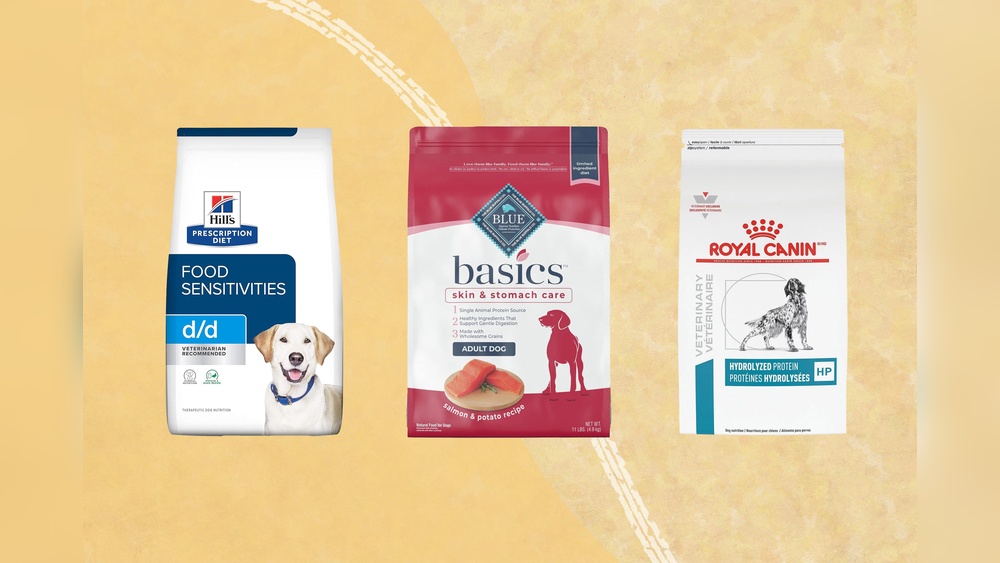
Is your dog constantly scratching, biting, or licking because of allergies? Watching your furry friend suffer from itching can be heartbreaking.
But choosing the right dog food can make a huge difference in easing their discomfort. You want to find food that not only nourishes your dog but also targets those pesky allergies causing the itching. You’ll discover the best dog food options designed specifically to calm your pet’s irritated skin and improve their overall health.
Keep reading to help your dog feel comfortable and happy again.
)
Credit: lyka.com.au
Causes Of Dog Allergies
Dog allergies cause itching and discomfort. Understanding the causes helps manage symptoms better. Allergies happen when a dog’s immune system reacts to harmless substances. These substances are called allergens. Allergens can come from food, environment, or genetics. Identifying the triggers is key to relief.
Common Allergens In Dog Food
Many dogs react to certain ingredients in their food. Common allergens include beef, chicken, dairy, and wheat. Some dogs are sensitive to soy and corn. These ingredients can cause itching, redness, and digestive issues. Choosing hypoallergenic dog food can reduce these reactions.
Environmental Triggers
Environmental factors also cause allergies in dogs. Pollen, dust mites, and mold are common triggers. Dogs may itch more during certain seasons. Fleas and flea bites also cause severe allergic reactions. Keeping your dog clean and flea-free helps reduce symptoms.
Breed Susceptibility
Some dog breeds are more prone to allergies. Breeds like Bulldogs, Retrievers, and Terriers often show allergic reactions. Genetic factors influence the immune system’s response. Knowing your dog’s breed helps predict allergy risks. Early care can improve your dog’s quality of life.
Symptoms Of Allergies And Itching
Allergies and itching in dogs cause many uncomfortable symptoms. Recognizing these signs early helps in managing your dog’s health better. Itchy skin and constant scratching are common clues. Dogs may show other signs too. Understanding these symptoms improves your ability to choose the best food for allergy relief.
Skin Irritation Signs
Redness and swelling often appear on the skin. You may see bumps or rashes in affected areas. Hair loss happens from frequent scratching or licking. Dry, flaky skin is another sign of irritation. These symptoms usually affect paws, ears, and belly.
Behavioral Changes
Dogs with allergies may act restless or nervous. They scratch or bite themselves more than usual. Sleep disturbances occur due to constant itching. Some dogs become quieter or less playful. These changes show discomfort and distress from allergies.
Secondary Infections
Open wounds from scratching can lead to infections. Bacteria or yeast may grow on irritated skin. Infections cause foul odor and discharge. Your dog may lick infected spots more often. Treating allergies quickly helps prevent these complications.
Ingredients To Avoid In Dog Food
Choosing the right dog food is key for pets with allergies or itchy skin. Some ingredients in dog food can cause or worsen these problems. Avoiding certain components helps keep your dog comfortable and healthy.
Knowing what to skip in dog food labels makes shopping easier. This guide highlights common ingredients that often trigger allergies or skin issues in dogs.
Common Allergenic Proteins
Proteins like beef, chicken, and dairy often cause allergies in dogs. Fish and eggs can also be problematic. These proteins can lead to itching, redness, and digestive problems. Many allergy-friendly dog foods use novel proteins like duck or venison instead.
Artificial Additives And Preservatives
Artificial colors, flavors, and preservatives can irritate your dog’s skin. These chemicals may cause allergic reactions or worsen itching. Look for dog foods labeled free from artificial additives to reduce allergy risks.
Fillers And Grains
Ingredients like corn, wheat, and soy act as fillers in many dog foods. These grains can cause allergies or sensitivities in some dogs. Avoiding fillers improves digestion and reduces skin irritation for allergy-prone dogs.
Credit: www.milleringenuity.com
Top Dog Food Options For Allergies
Choosing the right dog food can ease allergy symptoms like itching. Allergies cause discomfort and skin problems in dogs. The right diet helps reduce these issues naturally. Here are top dog food options that support dogs with allergies.
Limited Ingredient Diets
Limited ingredient diets have fewer ingredients. This lowers the chance of allergic reactions. These foods focus on simple recipes with a single protein and few carbs. They help identify which ingredient causes allergies. Many vets recommend limited diets for sensitive dogs.
Hypoallergenic Formulas
Hypoallergenic dog foods use proteins broken down into tiny pieces. These pieces are less likely to trigger allergies. They often contain no common allergens like wheat or soy. Hypoallergenic formulas help dogs with severe allergies feel better. These foods support healthy skin and reduce itching.
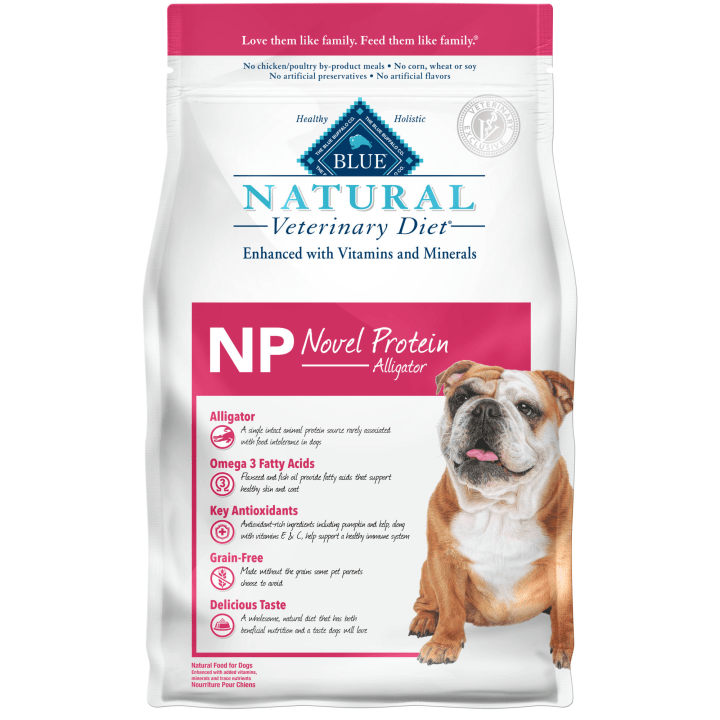
Novel Protein Sources
Novel proteins come from uncommon meats like duck, venison, or rabbit. Dogs rarely eat these meats, so allergies are less common. These proteins provide new options for dogs with food sensitivities. Novel protein diets can calm allergic reactions and improve coat health.
Natural Remedies To Soothe Itching
Natural remedies can help ease your dog’s itching caused by allergies. These options support your pet’s skin health gently and effectively. Using natural ingredients reduces the risk of side effects often found in medicines.
Explore ways to soothe itching with omega fatty acids, herbal supplements, and homemade food recipes. These methods provide relief and improve your dog’s overall well-being.
Omega Fatty Acids
Omega fatty acids like omega-3 and omega-6 are vital for healthy skin. They reduce inflammation and calm itchy skin. Fish oil and flaxseed oil are rich sources of these fats. Adding them to your dog’s diet can lessen allergy symptoms. Consult your vet for the right dosage and type.
Herbal Supplements
Certain herbs help soothe irritated skin naturally. Aloe vera, chamomile, and calendula have anti-inflammatory properties. They also help heal and protect the skin barrier. Herbal supplements can be given as teas, powders, or topical treatments. Always check with your vet before starting any new supplement.
Homemade Food Recipes
Preparing homemade meals lets you control ingredients carefully. Use fresh, hypoallergenic foods that avoid common allergens. Ingredients like boiled chicken, sweet potatoes, and rice are gentle on sensitive stomachs. Homemade recipes can reduce itching and improve digestion. Make sure the diet is balanced to keep your dog healthy.
Credit: lolahemp.com
Lifestyle Changes For Allergy Management
Managing your dog’s allergies goes beyond food choices. Lifestyle changes can greatly ease itching and discomfort. Simple daily habits help control allergy symptoms and improve your dog’s quality of life.
Consistent care and attention reduce flare-ups. Focus on grooming, environment, and stress levels. These areas play a big role in allergy management.
Regular Grooming Practices
Brush your dog often to remove allergens from the fur. Bathing with hypoallergenic shampoo cleans the skin gently. Keep nails trimmed to avoid scratching injuries. Clean ears regularly to prevent infections. Grooming reduces irritants that cause itching and redness.
Environmental Control Tips
Keep your home clean and dust-free. Use air purifiers to lower pollen and dust mites. Wash your dog’s bedding weekly in hot water. Avoid walking in tall grass or dusty areas. Limit exposure to strong chemicals and smoke. These steps reduce contact with allergy triggers.
Stress Reduction Techniques
Stress can worsen allergy symptoms in dogs. Provide a calm and safe space for your pet. Use gentle play and regular exercise to ease anxiety. Maintain a consistent daily routine. Offer comfort with soothing voices and petting. Lower stress supports better skin health and healing.
When To See A Veterinarian
Knowing when to see a veterinarian is important for managing your dog’s allergies and itching. Some symptoms need professional care to avoid serious problems. Acting early can help your dog feel better faster.
Persistent Symptoms
If your dog’s itching lasts more than a week, it needs a vet check. Constant scratching can cause skin damage and infections. Watch for redness, hair loss, or sores that do not heal. These signs show the allergy may be severe.
Allergy Testing Options
Veterinarians offer tests to find the cause of allergies. Skin tests and blood tests help identify specific allergens. Knowing the trigger helps in choosing the right treatment and diet. Testing is simple and can save your dog from ongoing discomfort.
Medical Treatments
The vet may prescribe medications to reduce itching and inflammation. These include antihistamines, steroids, or special shampoos. Some dogs need allergy shots to build resistance. Medical treatment works with proper diet and care for best results.
Frequently Asked Questions
What Ingredients Help Reduce Dog Allergies And Itching?
Ingredients like salmon, sweet potatoes, and novel proteins help reduce allergies. They are hypoallergenic and support skin health, minimizing itching and irritation in dogs.
How To Choose The Best Dog Food For Allergic Skin?
Select dog food with limited ingredients and no common allergens. Look for omega-3 fatty acids and natural antioxidants to soothe sensitive skin and improve coat quality.
Can Grain-free Dog Food Help With Allergies And Itching?
Grain-free dog food may help if your dog is sensitive to grains. However, not all allergies are grain-related, so consult your vet before switching diets.
How Long Does It Take For Dog Food To Reduce Itching?
It usually takes 4 to 6 weeks to see improvement. Consistent feeding of allergy-friendly food helps reduce itching and improves your dog’s skin condition.
Conclusion
Choosing the best dog food for allergies and itching helps your pet feel better. Healthy food can reduce itching and skin problems quickly. Always check ingredients to avoid allergens that harm your dog. Consult your vet to find the right diet for your pet’s needs.
A good diet supports your dog’s health and happiness. Small changes in food can make a big difference. Keep your dog comfortable and free from allergy discomfort every day. Your dog deserves the best care and nutrition possible.