
Choosing the best dog for your first time can feel overwhelming. You want a furry friend who fits your lifestyle and brings joy without too much hassle.
Imagine coming home to a loyal companion who understands you and is easy to care for. This guide will help you find that perfect match, making your first experience with a dog simple and rewarding. Keep reading to discover which breeds are ideal for first-time owners like you.
:strip_icc()/Dogs-adjusted-f267f1f11298417e91eff0fcae3feff1.jpg)
Credit: www.thesprucepets.com
Traits Of Ideal First-time Dogs
Choosing the right dog for the first time is important. The right dog fits your lifestyle and personality. Some traits make dogs better for new owners. These traits help the dog and owner live happily together.
Understanding these traits helps you pick a dog that is easy to care for. It makes training and bonding easier. Here are key traits to consider for first-time dog owners.
Temperament And Behavior
The ideal first-time dog has a calm and friendly temperament. They stay relaxed in new situations. Gentle behavior makes them safe around children and guests. A patient dog handles mistakes from new owners well. Dogs that are not aggressive or overly shy work best.
Size And Energy Levels
Smaller to medium-sized dogs often suit first-timers better. They are easier to handle and need less space. Moderate energy levels mean the dog enjoys playtime but also rests well. Dogs that need too much exercise can overwhelm new owners. A balanced energy dog fits well in most homes.
Trainability And Intelligence
Dogs that learn commands quickly reduce frustration. High trainability means the dog listens and follows rules. Smart dogs understand routines and adapt easily. This makes house training and socializing simpler. Choose a dog that is eager to please and respond well.
Top Friendly Breeds For New Owners
Choosing a friendly dog breed helps new owners build a strong bond. Friendly dogs are patient, gentle, and easy to train. They adjust well to different homes and family routines. These breeds enjoy spending time with people and other pets. They offer comfort and companionship for first-time dog owners.
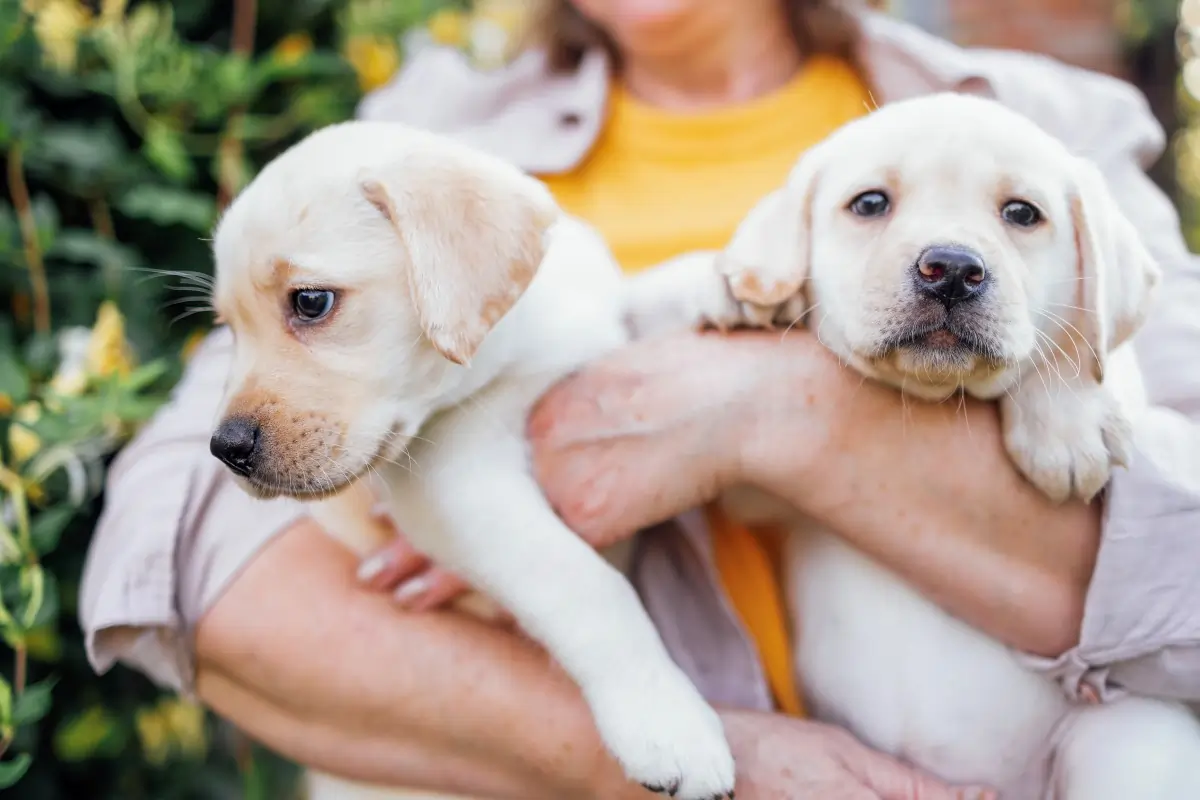
Labrador Retriever
Labradors are loyal and kind. They love playing and are very social. Their calm nature makes training simple. They enjoy being part of family activities.
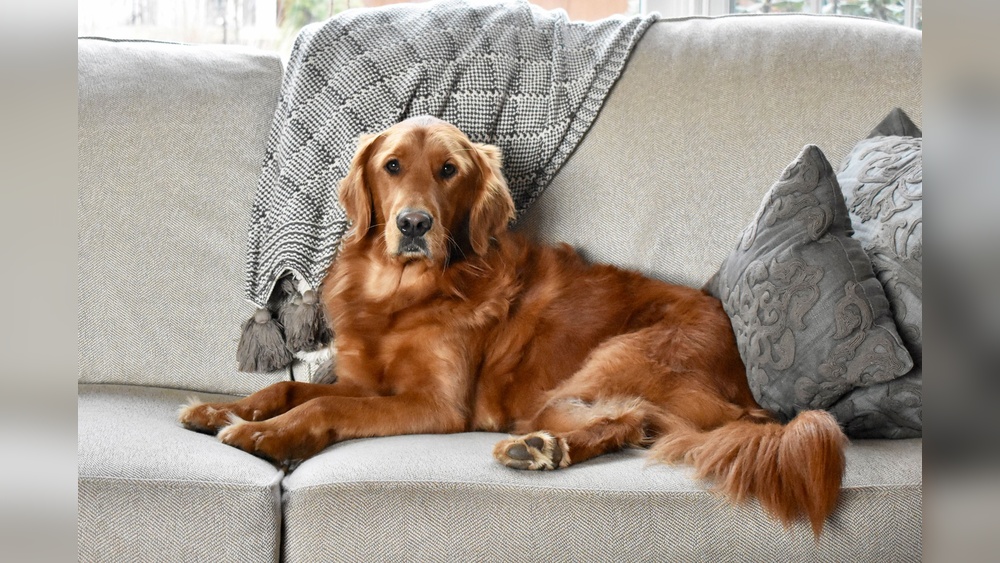
Golden Retriever
Golden Retrievers are gentle and patient. They are great with children and other pets. Their friendly attitude helps new owners feel confident. They need regular exercise and love outdoor fun.
Cavalier King Charles Spaniel
This breed is small and affectionate. They enjoy cuddles and quiet time. Cavaliers adapt well to apartment living. They have a sweet, gentle personality.
Pug
Pugs are playful and loving. Their small size suits many homes. They have a happy, easygoing temperament. Pugs need little exercise but lots of attention.
Beagle
Beagles are curious and friendly. They love exploring but stay close to family. Their size is manageable for new owners. Beagles need daily walks to stay happy.
Bichon Frise
Bichons are cheerful and gentle. They enjoy being around people. Their hypoallergenic coat suits allergy sufferers. Bichons are easy to train and highly social.
Shih Tzu
Shih Tzus are calm and friendly. They thrive indoors and enjoy lap time. Their small size and gentle nature suit new owners. Shih Tzus love attention and simple play.
Matching Dogs To Lifestyle
Choosing the best dog for a first-time owner starts with matching the dog to your lifestyle. Dogs have different energy levels, space needs, and care demands. Picking a dog that fits your daily routine helps create a happy life for both of you.
Think about your usual activities, your home size, and how much time you can spend with your dog. This makes training easier and keeps your dog healthy and content.
Active Vs. Sedentary Owners
Active people often enjoy dogs that love exercise and play. Breeds like Border Collies or Labrador Retrievers suit those who run, hike, or spend time outdoors.
Sedentary owners may prefer calm and low-energy dogs. Breeds like Bulldogs or Basset Hounds are happy with short walks and quiet time.
Matching energy levels helps avoid frustration for both owner and dog.
Living Space Considerations
Small apartments need smaller or less active dogs. Chihuahuas and French Bulldogs adapt well to limited space.
Larger homes with yards offer room for bigger or more energetic dogs. Golden Retrievers and German Shepherds enjoy running and playing outside.
Choose a dog that fits your living area to keep your pet safe and comfortable.
Time Commitment And Care Needs
Some dogs require daily grooming, training, and social time. Poodles and Shih Tzus need regular brushing and attention.
Others have simpler care routines and need less grooming. Beagles and Boxers are easier to care for.
Consider how much time you can spend caring for your dog before choosing a breed.

Credit: www.opencontabilidade.com
Preparing For Your New Dog
Bringing a new dog home is an exciting step. It needs planning and care. Preparing well helps your dog feel safe and happy. This guide covers the basics to get ready for your new pet.
Essential Supplies
Start by gathering the right supplies. A sturdy collar and leash are must-haves. Choose a comfortable bed for your dog to rest. Food and water bowls should be stable and easy to clean. Stock up on quality dog food suited to your dog’s age and size. Toys keep your dog entertained and help with chewing. Don’t forget grooming tools like a brush and nail clippers.
Training Basics
Training begins from day one. Teach simple commands like “sit,” “stay,” and “come.” Use treats and praise to encourage good behavior. Establish a consistent routine for feeding and walks. House training needs patience and regular bathroom breaks. Avoid harsh punishments; gentle guidance works best. Socialize your dog with people and other pets carefully and positively.
Health And Vet Care
Schedule a vet visit soon after adoption. Vaccinations protect your dog from common diseases. Discuss flea, tick, and worm prevention options. Spaying or neutering is important for health and behavior. Keep a record of all vet visits and treatments. Watch for signs of illness like changes in appetite or energy. A healthy dog needs regular exercise and a balanced diet.
Common Challenges For New Owners
Bringing a dog home for the first time can be exciting and challenging. New owners often face hurdles that test their patience and learning. Understanding these common challenges helps create a happy home for both you and your dog.
Managing Behavior Issues
New dogs may show chewing, barking, or jumping. These behaviors can be frustrating but are normal. Consistent training and gentle correction help reduce problems. Use clear commands and reward good actions. Avoid harsh punishment as it can scare your dog.
Socialization Tips
Socializing your dog is key to a calm pet. Introduce your dog to different people and animals slowly. Choose safe, quiet places for first meetings. Positive experiences build confidence and reduce fear. Socialization helps your dog behave well in new situations.
Building A Routine
Dogs thrive on routine. Set regular times for feeding, walks, and play. A steady schedule makes your dog feel safe and secure. Routine also helps with house training and reduces anxiety. Keep the routine simple and consistent every day.
Credit: www.bellaandduke.com
Frequently Asked Questions
What Is The Best Dog Breed For First-time Owners?
The best dog breed for first-time owners is usually a small, friendly, and low-maintenance breed. Breeds like the Labrador Retriever, Cavalier King Charles Spaniel, or French Bulldog are great choices due to their gentle nature and ease of training.
How Do I Choose A Dog As A Beginner?
Start by assessing your lifestyle, living space, and activity level. Choose a breed that matches your time availability and experience. Research breeds known for being good with first-time owners and consult with breeders or shelters for advice.
Are Small Dogs Better For First-time Dog Owners?
Small dogs can be better for first-time owners because they require less space and exercise. However, temperament and care needs matter more than size. Some small breeds are high-energy, so consider personality alongside size when choosing your dog.
How Much Time Does A First-time Dog Owner Need Daily?
First-time dog owners should dedicate at least 1 to 2 hours daily for exercise, training, and bonding. Consistent attention helps the dog adjust well and prevents behavioral problems. Time commitment varies by breed and age.
Conclusion
Choosing the best dog for your first time is exciting and important. Think about your lifestyle and home space. Pick a dog that matches your energy and time. Friendly, low-maintenance breeds often work best for beginners. Remember, every dog needs love, care, and patience.
A good match brings joy and lasting friendship. Start your journey with kindness and readiness. Your new dog will thank you every day. Enjoy the adventure of being a dog owner!


