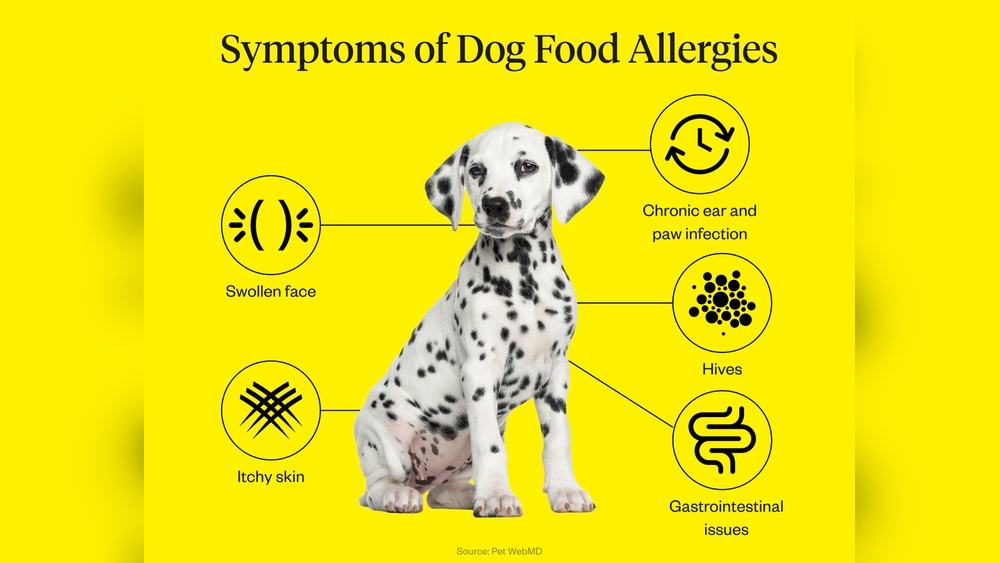
If your dog struggles with allergies and painful ear infections, you know how tough it can be to watch them suffer. Finding the right dog food can make a huge difference in reducing these problems and keeping your furry friend happy and healthy.
But with so many options out there, how do you choose the best one? This guide will help you discover the top dog foods designed specifically to ease allergies and support ear health. Keep reading to learn how you can improve your dog’s comfort and well-being starting today.
Causes Of Dog Allergies And Ear Infections
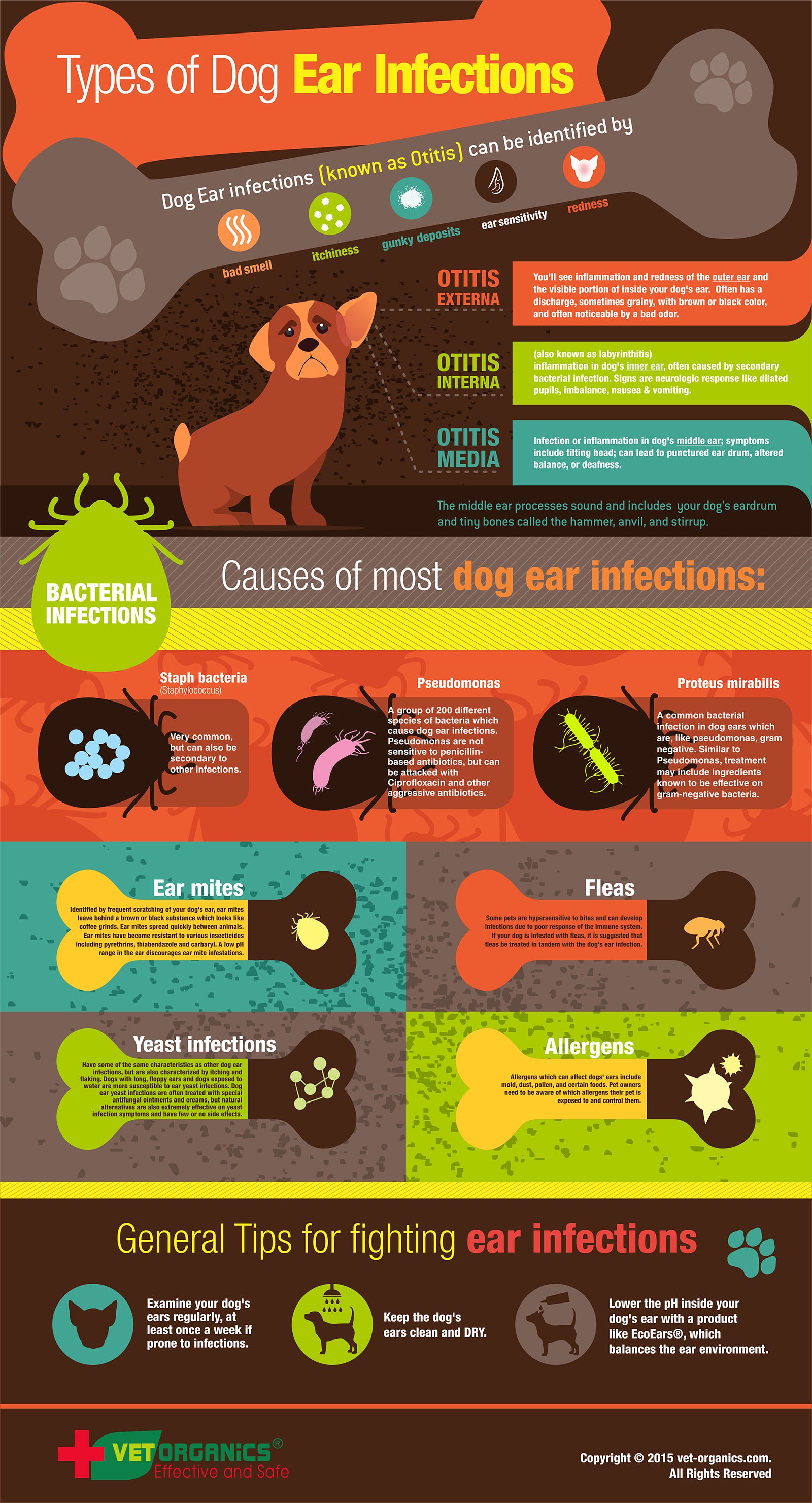
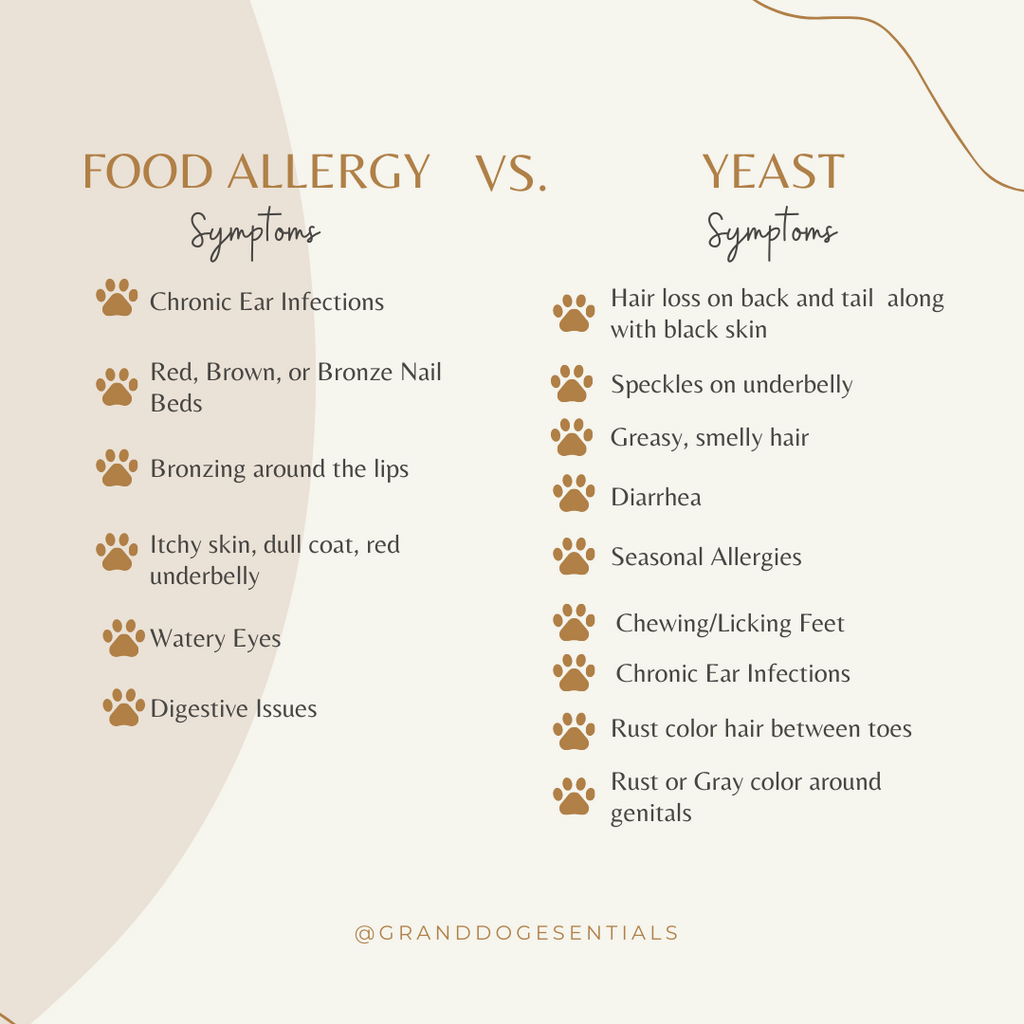
Dog allergies and ear infections often start with triggers in their environment or diet. These triggers cause the immune system to react, leading to itching, redness, and discomfort. Understanding the causes helps in choosing the best dog food for allergies and ear infections. Identifying these factors can ease your dog’s suffering and improve their health.
Common Allergens In Dog Food
Certain ingredients in dog food often cause allergic reactions. Beef, chicken, dairy, and wheat are frequent offenders. Dogs may develop sensitivities to these proteins or grains. Artificial additives and preservatives can also trigger allergies. Feeding a limited-ingredient or hypoallergenic diet helps reduce symptoms.
Environmental Triggers
Pollens, dust mites, and mold are common environmental allergens. These tiny particles irritate the skin and ears of sensitive dogs. Moisture and warmth in the ear canal create a perfect place for infections. Regular cleaning and keeping ears dry can prevent flare-ups. Avoiding exposure to known irritants is also helpful.
Breed Susceptibility
Some dog breeds are more prone to allergies and ear infections. Breeds like Cocker Spaniels, Bulldogs, and Golden Retrievers often face these issues. Their ear shape or skin type may increase risk. Knowing your dog’s breed can guide better care choices. Choosing dog food that suits their needs supports overall health.
Credit: teeblatt.ch
Key Ingredients For Allergy Relief
Choosing the right ingredients helps ease dog allergies and ear infections. Certain foods reduce inflammation and support skin health. These key ingredients improve comfort and reduce itching.
Understanding these ingredients guides you to better dog food choices. It supports your pet’s overall well-being and health.
Hypoallergenic Proteins
Hypoallergenic proteins reduce allergic reactions in dogs. Common sources include duck, venison, and salmon. These proteins are less likely to cause skin irritations. They support muscle growth and repair without triggering allergies. Using novel proteins helps sensitive dogs feel better.
Grain-free Options
Grains can cause allergies in some dogs. Grain-free dog food removes wheat, corn, and soy. This lowers the risk of skin problems and ear infections. Instead, foods use sweet potatoes or peas for energy. Grain-free diets improve digestion and reduce allergic symptoms.
Omega Fatty Acids Benefits
Omega fatty acids fight inflammation and improve skin health. They come from fish oils and flaxseed. These fats reduce itching and dryness in dogs. Omega-3 and Omega-6 support a healthy immune system. Regular intake helps heal irritated skin and ears.
Nutritional Needs For Ear Health
Ear health is essential for dogs, especially those with allergies or frequent ear infections. Proper nutrition supports strong immune defenses and reduces inflammation. Feeding the right nutrients helps keep ears clean and healthy. Here are key nutritional elements for ear health.
Anti-inflammatory Nutrients
Omega-3 fatty acids reduce swelling and soothe irritated skin. Fish oil and flaxseed oil are rich in these fats. They help calm ear inflammation and promote healing. Avoid foods with too many omega-6 fats, which can worsen inflammation.
Vitamins And Minerals
Vitamin E protects cells from damage and supports skin health. Zinc helps repair skin and fight infections. Vitamin A maintains healthy skin and fur. These nutrients strengthen the ears’ natural barrier against allergens and bacteria.
Probiotics Role
Probiotics balance good bacteria in the gut and on the skin. A healthy gut can improve immune response and reduce allergy symptoms. Probiotics may lower the risk of ear infections by supporting overall health.

Credit: www.nirmalainstitute.org
Top Dog Foods For Allergies In 2025
Choosing the right dog food for allergies in 2025 is key to keeping pets healthy. Allergies cause itching, redness, and ear infections in dogs. Special diets help reduce these symptoms. Many dog foods now focus on hypoallergenic ingredients that avoid common triggers.
Understanding the best options can save your dog from discomfort. This guide highlights top dog foods designed for allergy relief. Options range from premium brands to affordable choices. Some are even recommended by veterinarians.
Premium Hypoallergenic Brands
Premium brands use limited ingredients to reduce allergy risks. They often include novel proteins like duck or venison. These foods avoid grains and artificial additives. High-quality sources improve digestion and skin health. Many pet owners trust these brands for severe allergies.
Budget-friendly Choices
Affordable dog foods also offer allergy support. These products focus on simple, natural ingredients. Many use chicken or fish with rice for easy digestion. Budget options often exclude common allergens like soy or corn. They provide good nutrition without high costs.
Veterinarian Recommended Products
Veterinarians suggest foods formulated for allergic dogs. These diets undergo clinical testing for safety and effectiveness. They include hydrolyzed proteins to prevent immune reactions. Prescription diets also help control ear infections. Vet-approved foods ensure balanced nutrition for sensitive dogs.
Best Dog Foods For Ear Infections
Ear infections in dogs cause pain and discomfort. Choosing the right food helps support ear health. Certain ingredients reduce inflammation and boost immunity. Feeding your dog the best food aids in healing and prevention.
Formulas Targeting Ear Health
Some dog foods include nutrients for ear care. Omega-3 fatty acids reduce swelling and irritation. Zinc supports skin and ear tissue repair. Antioxidants fight harmful free radicals. These formulas help dogs with ear infection problems feel better faster.
Natural And Organic Options
Natural and organic dog foods avoid artificial additives. They use whole food ingredients to reduce allergy risks. Herbs like chamomile and calendula calm irritated skin. Limited ingredients reduce the chance of reactions. These options suit dogs with sensitive ears and skin.
Specialized Diets
Veterinary diets address allergies causing ear infections. Hypoallergenic foods exclude common allergens like wheat or soy. Grain-free diets lower irritation in some dogs. Prescription foods provide balanced nutrients for healing. These diets help manage chronic ear problems effectively.
Tips For Transitioning Dog Food Safely
Changing your dog’s food needs care. Sudden switches can upset their stomach. This is more important for dogs with allergies or ear infections. A smooth change helps avoid new problems. It also lets you watch how your dog reacts to the new food.
Gradual Change Process
Start by mixing a small amount of new food with the old. Increase the new food slowly over 7 to 10 days. This helps your dog’s digestive system adjust. Watch your dog’s appetite and energy during this time. Keep the feeding times consistent every day.
Monitoring Allergic Reactions
Look for signs like itching, redness, or swelling. Check for ear scratching or shaking. Loose stools or vomiting can also show a reaction. Note any changes in your dog’s behavior or comfort. Record these signs to discuss with your vet.
When To Consult A Vet
Call your vet if your dog shows severe symptoms. Persistent itching or ear infections need professional care. Sudden loss of appetite or lethargy is a warning sign. Early vet advice can prevent serious issues. Always keep your vet informed during the food change.
Lifestyle Changes To Support Allergy Management
Managing allergies and ear infections in dogs involves more than just diet. Lifestyle changes play a key role in reducing symptoms and improving your pet’s comfort. Simple daily habits can help lower allergy triggers and support healing.
Small adjustments at home and in your dog’s routine make a big difference. Consistency is important for long-term relief. Focus on keeping your dog clean, reducing allergens in the environment, and supporting health with supplements or medication.
Regular Grooming And Cleaning
Keep your dog’s coat clean and free of dirt and allergens. Brush your dog often to remove loose hair and dust. Bathing with gentle, hypoallergenic shampoo helps soothe irritated skin. Clean your dog’s ears carefully to prevent infections. Use vet-approved ear cleaners and avoid moisture buildup. Grooming keeps allergens off your dog’s skin and fur.
Environmental Adjustments
Control dust and pollen inside your home. Vacuum floors and furniture regularly with a HEPA filter vacuum. Wash your dog’s bedding weekly in hot water. Use air purifiers to reduce airborne allergens. Keep windows closed during high pollen seasons. Avoid smoking or using strong chemicals near your dog. A cleaner environment lowers allergy triggers effectively.
Supplements And Medications
Consult your vet about supplements that support skin health. Omega-3 fatty acids reduce inflammation and improve coat condition. Probiotics can help balance your dog’s digestive system. Use medications only as prescribed to control itching and infections. Follow the vet’s instructions carefully for best results. Supplements and medicine aid allergy management when combined with care.
Credit: granddog.ca
Frequently Asked Questions
What Ingredients Help Reduce Dog Allergies And Ear Infections?
Hypoallergenic proteins like fish or lamb reduce allergic reactions. Omega-3 fatty acids help soothe inflammation. Limited ingredient diets avoid common allergens like wheat, soy, and dairy. These ingredients support ear health and minimize allergy symptoms effectively.
Can Grain-free Dog Food Prevent Ear Infections?
Grain-free diets often reduce allergens causing ear infections. Some dogs are sensitive to grains like corn or wheat. Grain-free food focuses on novel proteins and healthy fats. It may improve skin and ear health in allergic dogs.
How Long To See Results From Allergy Dog Food?
Improvement usually appears within 4 to 6 weeks. Consistency is key; sudden diet changes can worsen symptoms. Monitor ear condition and itching regularly. Consult your vet if no improvement after two months.
Are There Specific Dog Food Brands For Allergies?
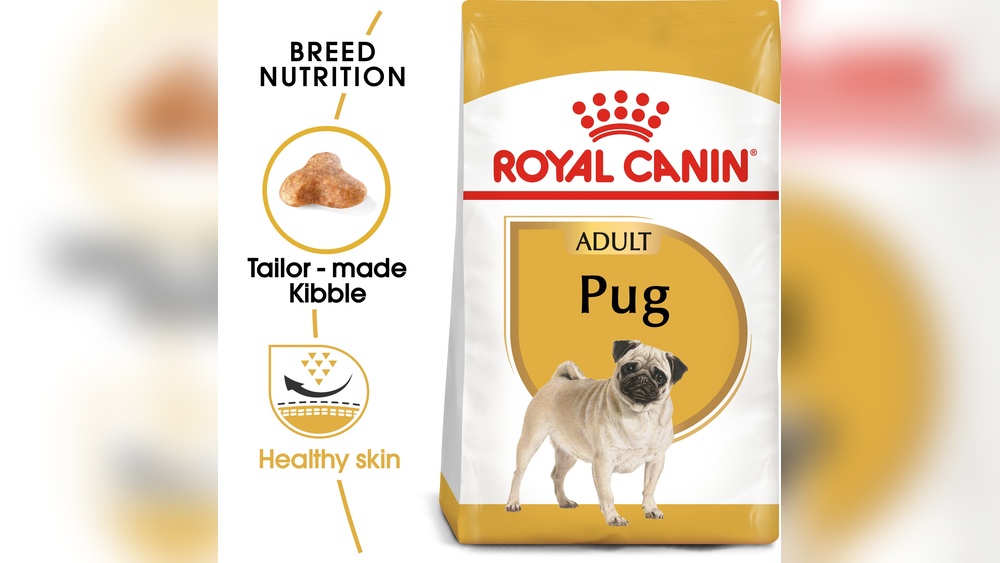
Yes, brands like Hill’s Prescription Diet, Royal Canin, and Blue Buffalo offer allergy formulas. These foods contain limited ingredients and added nutrients for skin health. Always choose vet-recommended brands to ensure quality and safety.
Conclusion
Choosing the right dog food helps reduce allergies and ear infections. Foods with limited ingredients often ease your pet’s discomfort. Avoid common allergens like wheat, soy, and dairy. A balanced diet supports your dog’s overall health. Watch for signs of improvement after diet changes.
Consult your vet for personalized advice and care. Healthy food means a happier, more comfortable dog. Small changes can make a big difference in their life. Keep your dog’s needs in mind every feeding time. Better food leads to fewer health problems and more joy.