If your dog is struggling with allergies and ear infections, you know how frustrating it can be to see them uncomfortable and restless. Finding the right food might be the key to easing their symptoms and improving their quality of life.
But with so many options out there, how do you choose what’s truly best for your furry friend? You’ll discover the best dog food choices designed specifically to help reduce allergies and support ear health. Keep reading to learn how you can make a simple change that could bring big relief to your dog’s daily life.
Common Causes Of Dog Allergies
Dog allergies cause discomfort and health problems. Understanding common causes helps manage these issues. Allergies can trigger itching, redness, and ear infections. Identifying the source of allergies is the first step to relief.
Food Allergens
Some dog foods contain ingredients that cause allergies. Common allergens include beef, chicken, dairy, and wheat. Dogs may react by scratching, licking, or shaking their heads. Choosing hypoallergenic or limited-ingredient diets can reduce these reactions.
Environmental Triggers
Pollen, dust mites, and mold often cause allergies in dogs. These triggers irritate the skin and ears. Symptoms may worsen during certain seasons. Regular cleaning and avoiding high-pollen areas help lower exposure.
Genetic Factors
Some dog breeds inherit allergy tendencies. Breeds like Bulldogs, Retrievers, and Terriers show higher allergy rates. Genetics affect immune system responses to allergens. Knowing your dog’s breed risks guides better allergy care.
Signs Of Allergies And Ear Infections
Allergies and ear infections are common problems in dogs. Recognizing the signs early helps your dog get the right care fast. Some signs are clear, while others may be easy to miss. Knowing what to watch for can make a big difference.
Skin Irritations
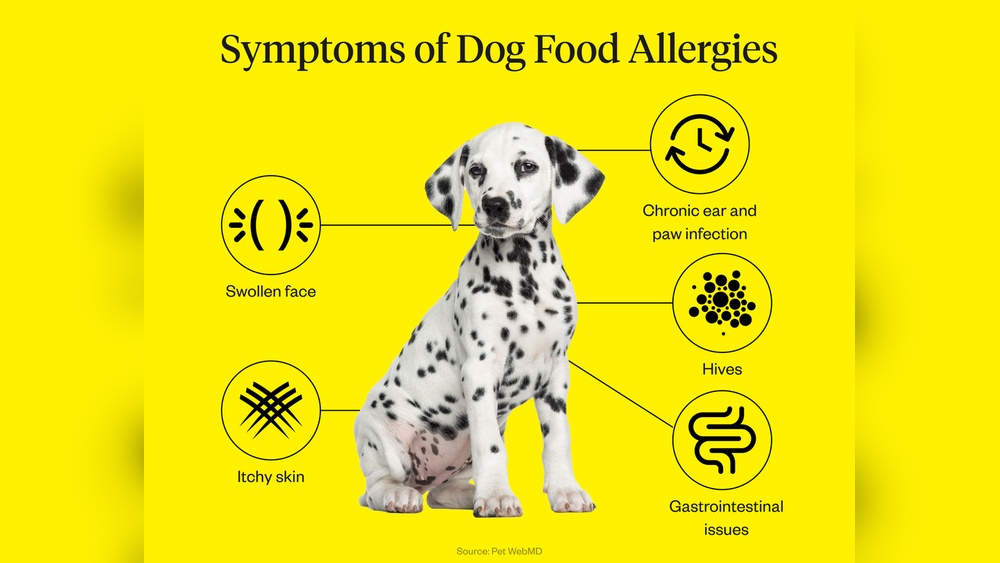
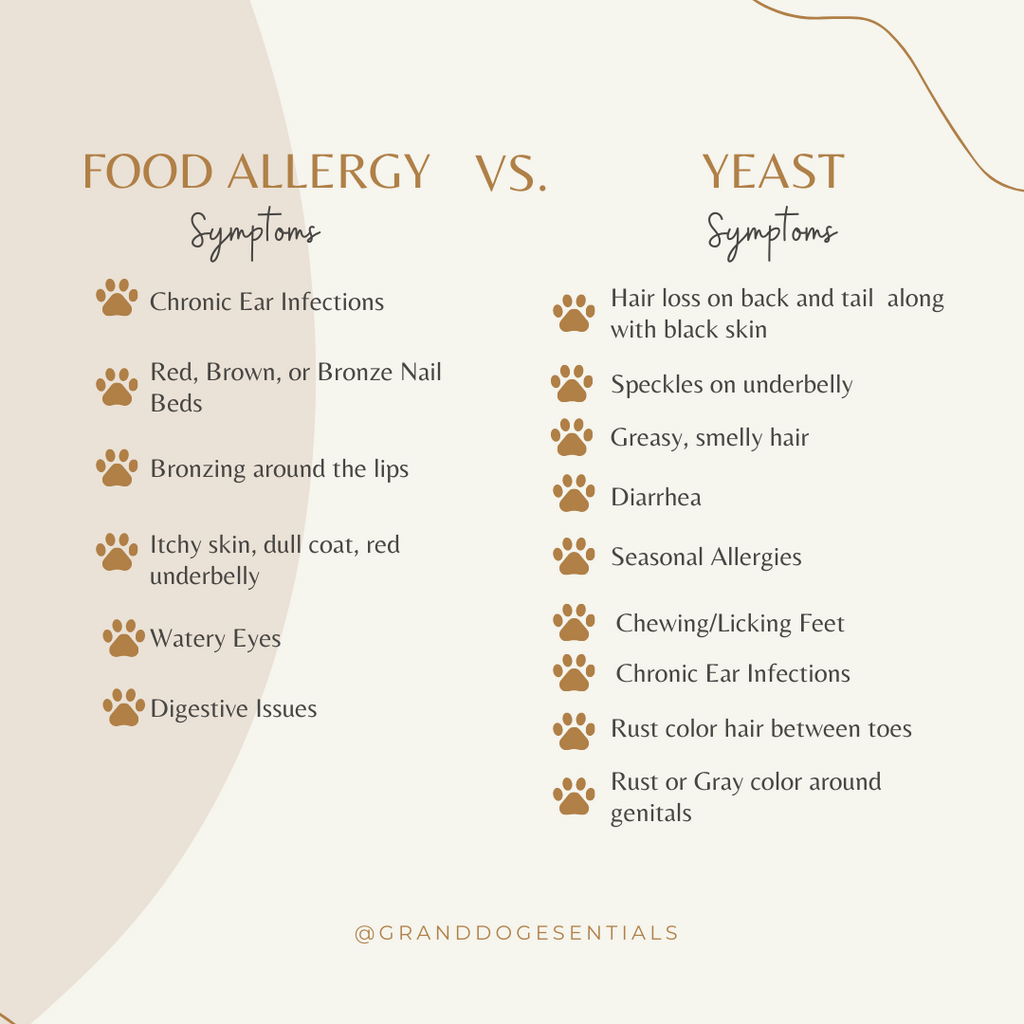
Look for redness on your dog’s skin. It may be dry or flaky. Your dog might scratch or lick certain spots a lot. These areas often include the paws, belly, and around the ears. Hair loss and bumps can also appear. These are common signs of allergies affecting the skin.
Ear Symptoms
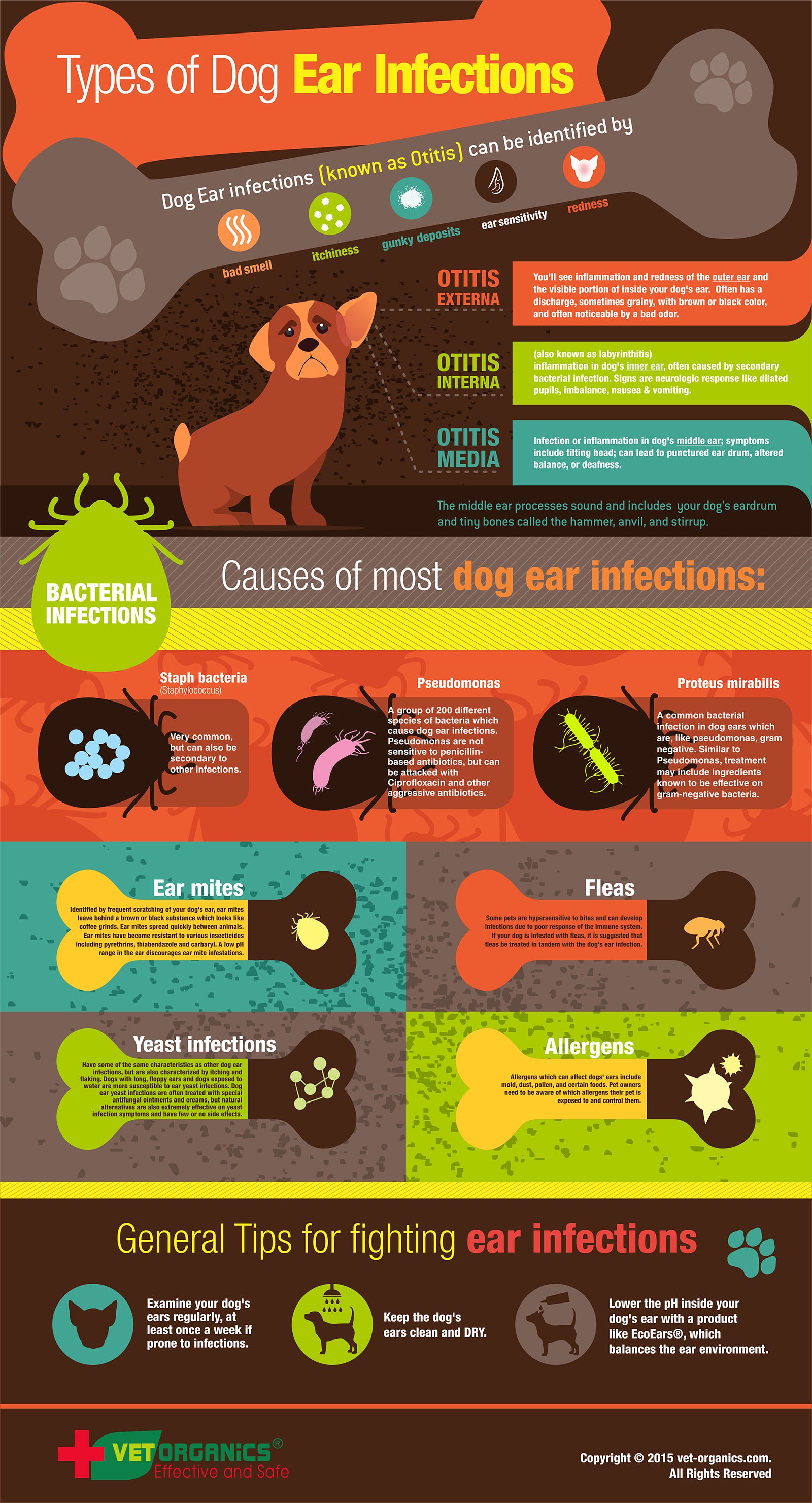
Your dog’s ears may show swelling or redness. Watch for a bad smell coming from the ears. Frequent shaking of the head or scratching at the ears is a red flag. Sometimes, you might see discharge or crust inside the ear. Ear infections often cause discomfort and pain.
Behavioral Changes
Notice if your dog seems restless or irritable. Scratching or rubbing against furniture may increase. Your dog may also become less active or lose interest in play. Changes in sleep patterns or appetite can happen too. These changes often signal discomfort from allergies or infections.
Key Ingredients For Allergy Relief
Choosing the right dog food helps reduce allergies and ear infections. Certain ingredients calm your dog’s body and skin. These key ingredients fight irritation and support healing. Understanding these helps pick the best food for your dog.
Hypoallergenic Proteins
Hypoallergenic proteins cause fewer allergic reactions. Common sources include duck, venison, and fish. These proteins are easy to digest and less likely to trigger allergies. Using novel proteins can lower skin and ear problems. This keeps your dog comfortable and healthier.
Omega Fatty Acids
Omega fatty acids support skin and coat health. They reduce redness and itching caused by allergies. Fish oil and flaxseed are rich in these fats. Omega-3 and Omega-6 help repair damaged skin. Regular intake soothes inflamed ears and skin.
Natural Anti-inflammatories
Natural anti-inflammatories calm irritated skin and reduce swelling. Ingredients like turmeric and ginger have these properties. These help fight infections and ease discomfort. They promote faster healing for ear issues. Natural options support your dog’s immune system gently.
Top Dog Foods For Allergies
Choosing the right food helps dogs with allergies feel better. Allergies cause itching, redness, and ear infections. Feeding the right diet reduces these problems. Many dog foods are made to avoid common allergens. These foods help dogs stay healthy and comfortable.
Limited Ingredient Diets
Limited ingredient diets have fewer ingredients. They reduce the chance of allergic reactions. These diets focus on simple recipes with one protein and one carb source. Dogs with food sensitivities often do well on these diets. They make it easier to find the cause of allergies.
Grain-free Options
Grain-free foods avoid common grains like wheat, corn, and soy. Some dogs react to these grains with skin issues or ear infections. Grain-free options use alternative carbs like potatoes or peas. These foods can improve digestion and reduce allergy symptoms. They suit dogs with grain sensitivities.
Novel Protein Formulas
Novel proteins are rare meats dogs don’t usually eat. Examples include duck, venison, or kangaroo. These proteins lower allergy risks because dogs are less exposed to them. Novel protein diets help dogs with common meat allergies. They support healthy skin and reduce ear infections.
Foods That Support Ear Health
Foods that support ear health play a key role in reducing allergies and infections. Ear problems often start with inflammation or bacteria. The right diet can help control these issues. Certain nutrients strengthen the immune system and soothe irritated skin. Feeding your dog a diet rich in these foods can improve ear health over time.
Probiotics And Gut Health
Probiotics help balance the gut bacteria. A healthy gut supports the immune system well. Dogs with good gut health resist infections better. Probiotics reduce inflammation linked to allergies. Yogurt, kefir, and specially made dog foods contain probiotics. Regular intake can lower the risk of ear infections.
Vitamins And Minerals
Vitamins A, E, and zinc support skin and ear health. Vitamin A repairs skin tissue and reduces dryness. Vitamin E acts as an antioxidant to protect cells. Zinc boosts the immune system and heals wounds. Foods rich in these nutrients include carrots, spinach, and pumpkin. Supplements may help but consult a vet first.
Moisture-rich Diets
Moisture helps keep the ear canal clean and healthy. Dry diets can cause flaky, itchy skin around ears. Wet dog food and fresh vegetables add needed moisture. Hydration flushes out allergens and reduces irritation. Feeding moisture-rich diets supports overall ear comfort and health.
Credit: teeblatt.ch
Homemade Diets For Sensitive Dogs
Homemade diets offer control over what sensitive dogs eat. They help avoid allergens and ingredients causing ear infections. Owners can prepare fresh meals tailored to their pet’s needs. This approach supports dogs with food sensitivities and skin issues. Creating homemade food requires care to keep meals safe and nutritious.
Safe Ingredients
Choose ingredients known to be gentle on dogs. Common safe options include boiled chicken, sweet potatoes, and rice. Avoid grains, dairy, and common allergens like beef or soy. Fresh vegetables like carrots and green beans add fiber and vitamins. Always wash and cook ingredients well to prevent bacteria. Avoid spices, salt, and artificial additives.
Balanced Nutrition Tips
Balance protein, carbohydrates, and fats in meals. Include a mix of meat, veggies, and a small amount of healthy fat. Add supplements like fish oil for omega-3 fatty acids. Calcium is essential—use crushed eggshells or supplements. Variety helps prevent nutrient gaps. Monitor your dog’s energy and coat health for clues on diet success.
Consulting Your Vet
Talk to your vet before changing your dog’s diet. They can suggest tests to identify allergies or deficiencies. Your vet can help design a balanced homemade plan. Regular check-ups ensure your dog stays healthy on the new diet. Adjust meals based on your vet’s advice and your dog’s response.
Feeding Tips To Prevent Allergies
Feeding your dog properly can help reduce allergies and ear infections. Careful food choices matter a lot. Small changes in diet can make a big difference in your pet’s health.
Understanding how to feed your dog can prevent allergic reactions. It is important to learn about safe foods and how to introduce them. Watch your dog’s response closely.
Introducing New Foods
Introduce new foods slowly over several days. Start with a small amount to see how your dog reacts. Gradually increase the portion if no signs of allergy appear. This helps your dog adjust without stress.
Avoiding Common Triggers
Common allergens include wheat, soy, and dairy. Avoid these ingredients to reduce allergy risk. Choose dog food with limited ingredients. This lowers the chance of triggering an allergic reaction.
Monitoring Your Dog’s Reaction
Watch for itching, redness, or ear scratching after meals. Keep a food diary to track any problems. Consult your vet if symptoms persist or worsen. Early action can prevent severe ear infections.
Credit: granddog.ca
When To Seek Veterinary Help
Knowing when to seek veterinary help is important for dogs with allergies and ear infections. Early care can stop problems from getting worse. Watch your dog closely for signs that need professional attention. Quick action can improve your dog’s health and comfort.
Persistent Symptoms
Symptoms that last more than a week need a vet’s check. Scratching ears or shaking the head often shows ongoing irritation. Redness, swelling, or bad smells from ears also need medical care. Persistent symptoms might mean the infection or allergy is serious.
Emergency Signs
Seek emergency care if your dog has severe pain or swelling. Sudden loss of balance or severe bleeding from the ear calls for urgent help. If your dog stops eating or acts very weak, visit the vet right away. These signs could mean serious infections or complications.
Allergy Testing Options
Veterinarians offer tests to find the cause of allergies. Skin tests or blood tests can identify specific allergens. Knowing the allergen helps in choosing the right dog food and treatment. Allergy testing guides better care and reduces ear infection risks.

Credit: www.nirmalainstitute.org
Frequently Asked Questions
What Ingredients Help Reduce Dog Allergies And Ear Infections?
Hypoallergenic proteins like duck or salmon reduce allergies. Omega-3 fatty acids and probiotics support ear health and immune function. Avoid common allergens such as wheat, corn, and soy to minimize reactions. Choosing grain-free or limited-ingredient diets often helps sensitive dogs.
How Can Dog Food Improve Ear Infection Symptoms?
Anti-inflammatory ingredients like omega-3s reduce ear swelling. Probiotics balance ear bacteria, preventing infections. A balanced diet strengthens the immune system, helping dogs fight infections naturally. Consistent feeding of quality dog food supports overall ear health and reduces recurrence.
Are Grain-free Diets Best For Dogs With Allergies?
Grain-free diets often reduce allergic reactions caused by wheat or corn. However, not all dogs need grain-free food. Consult your vet before switching diets. Quality protein sources and limited ingredients are more crucial for allergy management than just removing grains.
How Long Does It Take For Dog Food To Affect Allergies?
Improvement usually appears within 4 to 6 weeks of diet change. Consistent feeding of hypoallergenic food is essential for best results. If symptoms persist, consult your vet for further testing or treatment options.
Conclusion
Choosing the right dog food helps reduce allergies and ear infections. Foods with limited ingredients often ease symptoms well. Avoid common allergens like wheat, soy, and dairy. Omega-3 fatty acids support healthy skin and ears. Consistent feeding of quality food improves your dog’s comfort.
Always watch for changes in your pet’s health. Consult your vet for personalized advice and care. Good nutrition plays a big role in your dog’s happiness. Keep your furry friend healthy with smart food choices. Simple steps can lead to big health benefits.