If you love your dog, protecting them from fleas, ticks, and heartworms is a must. These tiny pests can cause big problems, from itchy skin to serious health risks.
But with so many prevention options out there, it’s easy to feel overwhelmed. What works best? What keeps your dog safe without hassle? This guide will help you find the best flea, tick, and heartworm prevention that fits your lifestyle and keeps your furry friend healthy all year long.
Keep reading—you owe it to your dog to stay one step ahead of these pests.
Choosing The Right Prevention
Choosing the right prevention for your dog is very important. Fleas, ticks, and heartworms can cause serious health problems. Each dog is different and needs specific care. Understanding the types of treatments helps you make the best choice. You want a safe and effective option that fits your dog’s lifestyle.
Types Of Flea And Tick Treatments
Flea and tick treatments come in many forms. Spot-on treatments are easy to apply on the skin. Oral pills protect your dog from inside out. Shampoos and sprays help remove pests quickly. Collars provide long-lasting protection without daily care. Each type has its own benefits and uses.
Heartworm Prevention Options
Heartworm prevention is vital for your dog’s health. Monthly pills are common and simple to use. Some injections protect for six months or longer. Regular testing ensures your dog stays free from infection. Choose a method that fits your schedule and your vet’s advice.
Combination Products Benefits
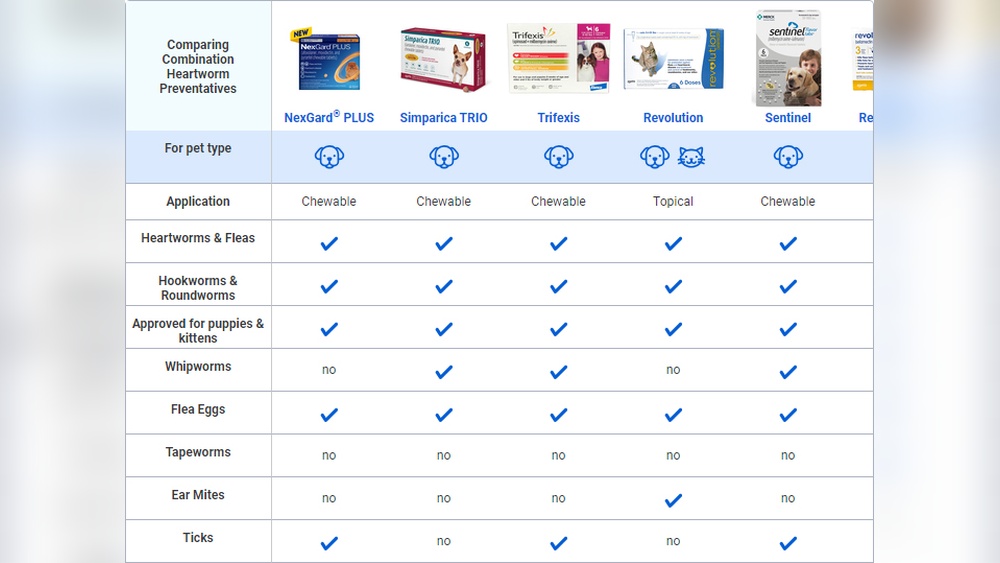
Combination products protect against fleas, ticks, and heartworms all at once. They reduce the number of treatments needed. These products save time and reduce stress for your dog. Make sure to select a combination product approved by your vet. It offers broad protection in one easy step.

Credit: www.kompas.hr
Top Ingredients To Look For
Choosing the right ingredients is key for dog flea, tick, and heartworm prevention. Safe and effective components help keep pets healthy. Knowing these ingredients helps pet owners pick the best products.
Effective Flea And Tick Ingredients
Ingredients like fipronil and permethrin kill fleas and ticks fast. They work by attacking the nervous system of pests. Imidacloprid also stops fleas from biting and growing. These ingredients provide long-lasting protection for dogs.
Heartworm Preventive Agents
Ivermectin and milbemycin oxime prevent heartworm larvae from developing. They stop heartworm disease before it starts. Selamectin is another strong agent that fights heartworms and skin parasites. Regular use keeps dogs safe from deadly infections.
Safety And Side Effects
Always check ingredient doses to avoid harm. Some dogs may have mild reactions like itching or vomiting. Severe side effects are rare but need vet attention. Choosing vet-approved products reduces risks and protects your dog well.
Application Methods
Choosing the right application method for dog flea, tick, and heartworm prevention is important. Each method works differently and suits different dogs. Understanding these options helps keep your dog safe and comfortable.
Oral Medications
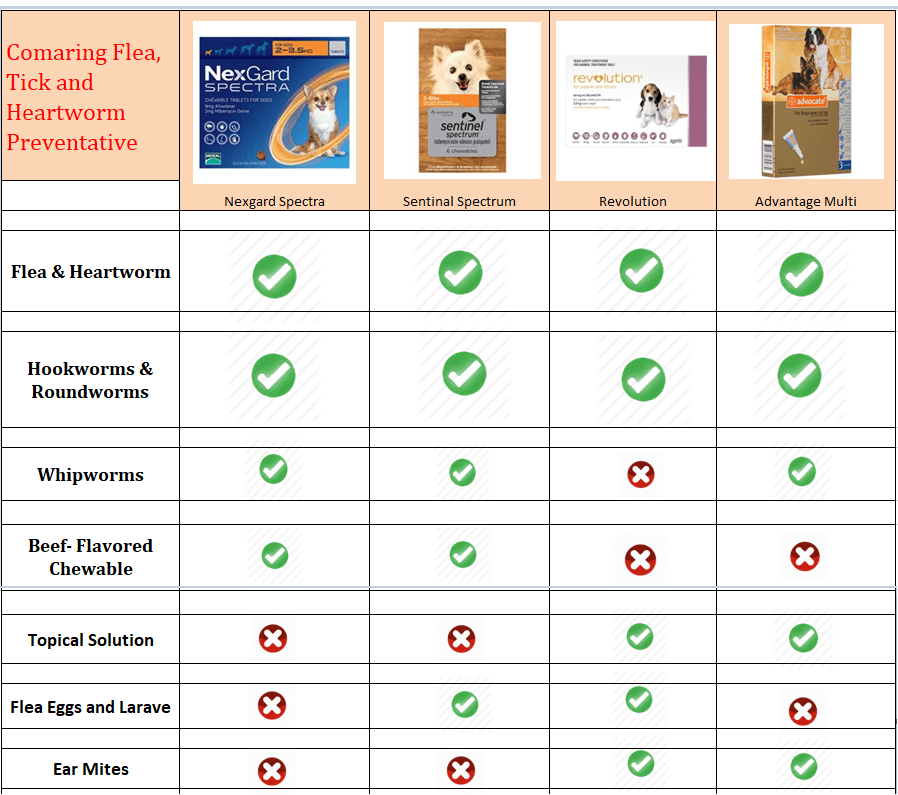
Oral medications come as chewable tablets or pills. Dogs usually take them once a month. They work from inside the body to kill fleas, ticks, and heartworms. Many dogs enjoy the taste, making it easy to give.
These medications start working fast. They protect your dog for 30 days or longer. Some oral drugs also prevent heartworms. A vet can recommend the best option for your dog’s size and health.
Topical Treatments
Topical treatments are liquids applied to the dog’s skin. Usually placed between the shoulder blades. They spread over the skin to kill parasites on contact. These treatments work for about a month.
Topicals are water-resistant but avoid bathing your dog right after application. They are easy to use and safe for most dogs. Check the label for age and weight requirements before use.
Collars And Sprays
Collars release chemicals that repel or kill fleas and ticks. They offer long-lasting protection, sometimes up to eight months. Collars are simple to use and good for active dogs.
Sprays provide quick relief by killing pests on contact. They are useful for immediate treatment or heavy infestations. Sprays need careful application to avoid sensitive areas like eyes.
Credit: www.yesayan.org
Seasonal And Environmental Considerations
Seasonal and environmental factors greatly affect the risk of fleas, ticks, and heartworms in dogs. Understanding these helps protect your pet better. Prevention should change with the seasons and the places your dog visits.
High-risk Seasons
Fleas and ticks are more active in warm months. Spring and summer bring higher risks. Heartworm-carrying mosquitoes also increase during these times. Keeping prevention strong all year is important in some areas. In colder regions, winter may lower the threat, but caution is still needed.
Living In Tick-prone Areas
Some regions have more ticks due to woods and tall grass. Dogs in these places face a higher chance of tick bites. Regular checks after outdoor play are crucial. Use tick prevention products recommended by your vet. Yard maintenance, like trimming grass, helps reduce tick habitats.
Traveling With Your Dog
Trips to new places can expose dogs to different pests. Check local risks before travel. Carry your dog’s prevention medicines with you. Some areas need extra protection against heartworms or ticks. Always inspect your dog after outdoor activities during travel.
Monitoring And Maintaining Protection
Keeping your dog safe from fleas, ticks, and heartworms needs constant care. Regular checks and timely treatments help maintain strong protection. Watch your dog closely for any signs of pests or illness. Stay on schedule with medications and visit the vet often. These steps make a big difference in your dog’s health.
Signs Of Infestation
Look for scratching, redness, or hair loss on your dog. Fleas cause small, dark spots on the skin. Ticks appear as tiny bumps, often near the ears or neck. Heartworm symptoms include coughing and low energy. Early detection helps stop serious problems fast.
When To Reapply Treatments
Follow the instructions on your flea and tick medicine carefully. Most treatments need monthly reapplication to stay effective. Some products protect against heartworms with daily or monthly doses. Mark the dates on a calendar to avoid missing any. Consistency keeps your dog fully protected.
Regular Veterinary Checkups
Take your dog to the vet at least twice a year. The vet checks for hidden signs of pests and heartworms. Blood tests and skin exams catch problems early. Your vet can also update your dog’s prevention plan. Regular visits keep protection strong and your dog healthy.
Credit: www.cruceroclick.com
Natural And Alternative Options
Natural and alternative options for preventing fleas, ticks, and heartworms in dogs attract many pet owners. These methods use herbs, diet changes, and supplements instead of chemicals. Some owners prefer these choices to avoid side effects and use gentle care. Understanding these options helps make better decisions for your dog’s health.
Herbal Remedies
Herbs like neem, rosemary, and lavender repel fleas and ticks. These plants contain oils that insects dislike. You can find sprays and shampoos made with these herbs. Some owners also create homemade herbal rinses for their dogs. Using herbal remedies requires regular application for best results. Always check if your dog has allergies to any plant.
Diet And Supplements
Healthy food can boost your dog’s resistance to parasites. Adding omega-3 fatty acids supports skin health. Some supplements contain garlic or brewer’s yeast, believed to deter fleas. Feeding a balanced diet improves your dog’s immune system. Consult a vet before starting any new supplement. Avoid giving large amounts of garlic, which can be harmful.
Effectiveness And Risks
Natural methods can help reduce fleas and ticks but may not fully prevent infestations. These options often work slower than chemical treatments. Some herbs can cause skin irritation or allergic reactions. Supplements may interact with other medications. Always watch your dog closely for side effects. Combining natural options with vet advice improves safety and success.
Frequently Asked Questions
What Is The Best Flea And Tick Prevention For Dogs?
The best flea and tick prevention depends on your dog’s size and lifestyle. Popular options include topical treatments, oral medications, and collars. Consult your vet to choose a safe, effective product tailored to your dog’s needs and environment.
How Often Should I Give Heartworm Prevention To My Dog?
Heartworm prevention is typically given once a month year-round in most regions. Some areas with low mosquito activity may require seasonal dosing. Always follow your veterinarian’s advice to ensure continuous protection against heartworms.
Can Flea, Tick, And Heartworm Preventatives Be Combined?
Yes, many products combine flea, tick, and heartworm prevention in one dose. Combination treatments simplify care and improve compliance. Always use vet-approved products to avoid drug interactions and ensure your dog’s safety.
Are Natural Flea And Tick Preventatives Effective?
Natural preventatives like essential oils may repel fleas and ticks but are less reliable than vet-approved treatments. They lack scientific proof for heartworm prevention. For best protection, use proven medications recommended by your veterinarian.
Conclusion
Protecting your dog from fleas, ticks, and heartworms keeps them healthy. Choose prevention methods that suit your dog’s age and lifestyle. Regular vet visits help catch problems early and keep treatments effective. Consistency in prevention is key to avoid infestations and illness.
Healthy pets mean happy homes. Stay informed and act quickly to protect your furry friend. Prevention saves time, money, and worry. Your dog depends on you for their safety. Keep them safe, comfortable, and full of life.