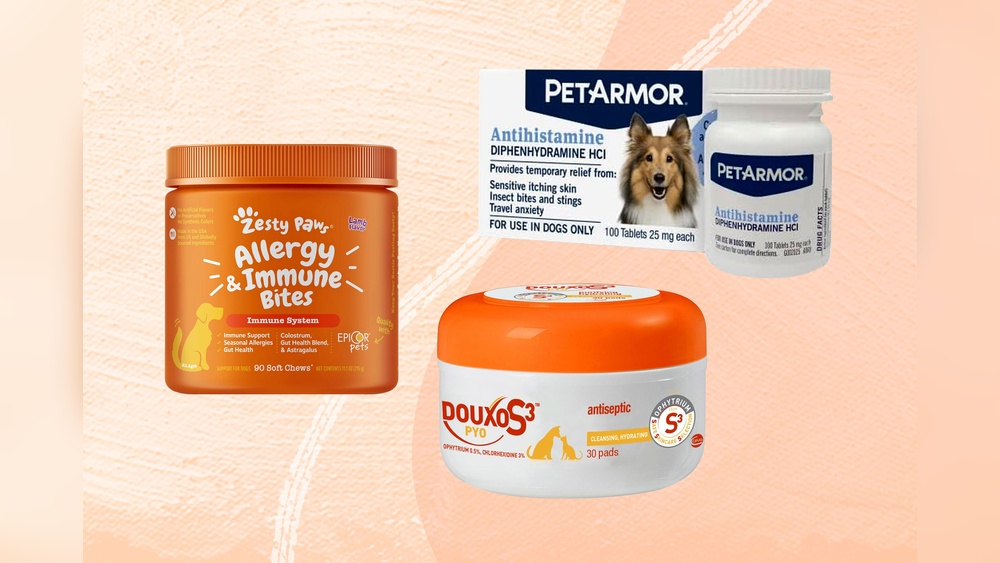
If your dog is scratching, sneezing, or showing signs of discomfort, you know how hard it is to see your furry friend suffer. Finding the best over the counter allergy med for dogs can bring quick relief and peace of mind.
But with so many options out there, how do you choose what’s safe and effective for your pet? This guide will help you understand what works, what to avoid, and how to make your dog feel like themselves again. Keep reading to discover the top solutions that can ease your dog’s allergies fast and safely.
Common Dog Allergies
Dogs can suffer from allergies just like people do. These allergies cause discomfort and affect their daily life. Recognizing common allergies helps owners take better care of their pets.
Allergies in dogs appear in many forms. They often show up as skin problems or digestive issues. Knowing the signs early can prevent serious health problems.
Symptoms To Watch
Itching and scratching are common signs of allergies in dogs. Red, inflamed skin or hot spots can develop. Dogs may lick or chew their paws a lot. Sneezing and watery eyes also happen. Some dogs have ear infections or hair loss. Digestive problems like vomiting or diarrhea occur too. Watch for sudden changes in behavior or appetite.
Causes And Triggers
Food allergies often cause skin and stomach problems. Common triggers include beef, chicken, and dairy. Environmental allergens like pollen and dust mites irritate dogs. Flea bites can cause severe allergic reactions. Chemicals in cleaning products or shampoos may also trigger allergies. A dog’s genetics can make them more prone to allergies.
Types Of Otc Allergy Meds
Dogs can suffer from allergies just like humans. Many pet owners seek over the counter (OTC) allergy medications to ease their dogs’ discomfort. These meds come in different types. Each type works in a unique way to reduce allergy symptoms.
Understanding the types of OTC allergy meds helps you choose the right one for your dog. Some work fast, while others help with long-term relief. Here are the main types available.
Antihistamines
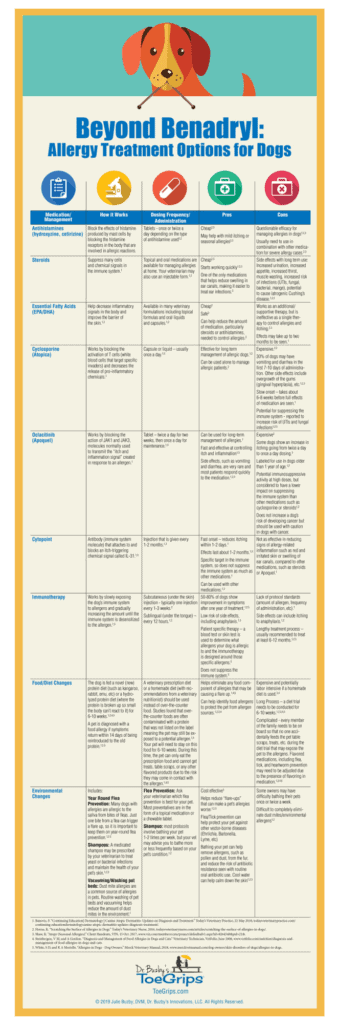
Antihistamines block histamine, a chemical that causes allergy symptoms. They reduce itching, sneezing, and swelling. Common antihistamines include diphenhydramine (Benadryl) and cetirizine (Zyrtec). These meds are safe for many dogs but always check the dose with your vet. Antihistamines usually start working within an hour.
Steroids
Steroids reduce inflammation quickly. They are strong and effective for severe allergy symptoms. Steroids help with swelling, redness, and itching. Over the counter steroids like hydrocortisone creams can be applied to the skin. Oral steroids need vet advice before use. Steroids should not be used long term without guidance.
Natural Remedies
Some owners prefer natural remedies for allergies. These include supplements like fish oil, coconut oil, and aloe vera. Natural remedies can soothe the skin and improve coat health. They may not work as fast as medicines but are gentler. Always check with your vet before starting natural treatments.
Top Antihistamines For Dogs
Antihistamines are common medicines used to help dogs with allergy symptoms. They reduce itching, swelling, and sneezing. Many antihistamines are available over the counter. These can be safe for dogs if given in the right dose.
Choosing the right antihistamine can make a big difference. Below are some of the best options for dogs. Each has unique benefits and uses.
Diphenhydramine
Diphenhydramine is one of the most popular antihistamines for dogs. It helps with itching and allergic reactions. It also works well for motion sickness. This medicine acts quickly and lasts for several hours. Many vets recommend it for mild to moderate allergies.
Common side effects include drowsiness and dry mouth. Always check the correct dose before giving diphenhydramine to your dog.
Loratadine
Loratadine is a non-drowsy antihistamine. It reduces itching and skin irritation. It works slower than diphenhydramine but causes less sleepiness. This makes it a good choice for active dogs.
Loratadine usually takes a few hours to start working. It can be taken daily to manage long-term allergies. Make sure to follow dosing instructions carefully.
Cetirizine
Cetirizine is another effective antihistamine for dogs. It treats itching, swelling, and watery eyes. It works faster than loratadine and lasts longer. Some dogs may feel a little sleepy after taking it.
This medicine is often used for skin allergies and insect bites. Proper dosing is important to avoid side effects. Consult your vet before starting cetirizine.
Credit: toegrips.com
Choosing The Right Medication
Choosing the right over the counter allergy medication for your dog is very important. The correct medicine can ease your pet’s discomfort and improve their quality of life. Each dog reacts differently to medications, so careful selection matters. Understanding dosage, possible side effects, and when to avoid these medicines helps you make the best choice for your furry friend.
Dosage Guidelines
Always follow the dosage instructions on the package or from your vet. Giving too much medicine can harm your dog. Giving too little may not relieve symptoms. Dosage depends on your dog’s weight and age. Use a proper measuring tool for accuracy. Never guess the amount. If unsure, ask a veterinarian before giving medication.
Potential Side Effects
Side effects can happen with any allergy medicine. Common issues include drowsiness, dry mouth, or upset stomach. Watch your dog for changes in behavior or health. Stop the medicine and call the vet if you see vomiting, diarrhea, or severe reactions. Knowing side effects helps you keep your dog safe and comfortable.
When To Avoid Otc Options
Do not use over the counter allergy meds if your dog has other illnesses. Avoid if your dog is pregnant or nursing. Some breeds may be sensitive to certain medicines. Dogs taking other drugs may have dangerous reactions. When in doubt, consult your vet before giving any medicine. Your vet can suggest safer or stronger treatments if needed.
Tips For Administering Meds
Giving allergy medicine to dogs can be tricky. Dogs may not like taking pills or liquids. Using the right approach makes the process smoother. It helps your dog stay calm and safe. The right methods also ensure the medicine works well.
Safe Methods
Hold your dog gently but firmly. Use a calm voice to soothe them. For pills, try hiding medicine in a small treat. Peanut butter or cheese works well. For liquids, use a dropper or syringe. Place the medicine at the side of the mouth. Avoid forcing the mouth open too wide. Always follow the dosage instructions carefully. Keep medicine out of your dog’s reach. Store it in a cool, dry place.
Monitoring Your Dog
Watch your dog after giving medicine. Look for any unusual behavior or reactions. Signs like vomiting, itching, or swelling need attention. Track how often your dog takes the medicine. Keep a log to share with your vet. Call the vet if your dog shows side effects. Early action helps avoid serious problems.
:strip_icc()/petarmor-antihistamine-allergy-relief-for-dogs-864894db58e44bbfaa630819ad4dc166.jpg)
Credit: www.thesprucepets.com
When To See A Vet
Knowing when to see a vet is key for your dog’s health. Over the counter allergy meds can help mild symptoms. Some signs need a vet’s care right away. Watch your dog closely and act fast.
Persistent Symptoms
Allergy signs lasting more than a week need a vet check. Scratching, redness, or swelling that stays or worsens is not normal. Over the counter meds may not work for long-term issues. A vet can find the cause and suggest better treatment.
Severe Reactions
Serious allergy signs require immediate vet attention. Trouble breathing, swelling of the face or mouth, and vomiting are emergencies. Do not wait or try home remedies. Quick vet care can save your dog’s life.

Credit: www.amazon.com
Frequently Asked Questions
What Are The Best Otc Allergy Meds For Dogs?
The best OTC allergy meds for dogs include antihistamines like Benadryl and Claritin. Always consult a vet before use. These meds help reduce itching, swelling, and allergic reactions safely.
Can I Give Human Allergy Meds To My Dog?
Some human allergy meds are safe for dogs, but dosage varies. Always check with a vet first. Incorrect use can cause serious side effects or worsen allergies.
How Do Otc Allergy Meds Help Dogs?
OTC allergy meds block histamines that cause itching and inflammation. They provide relief from symptoms like sneezing, redness, and swelling. These meds improve your dog’s comfort during allergy season.
Are There Side Effects Of Otc Allergy Meds In Dogs?
Yes, side effects can include drowsiness, dry mouth, or upset stomach. Monitor your dog closely and stop use if symptoms worsen. Always follow vet guidance for safe use.
Conclusion
Choosing the right over-the-counter allergy medicine helps your dog feel better fast. Always check the label for safe ingredients. Watch your dog closely for any side effects. Consult a vet if symptoms continue or worsen. Simple steps keep your furry friend happy and healthy.
Treating allergies early makes a big difference. Your dog deserves comfort and care every day.