If you’re struggling with depression or anxiety, finding the right support can make all the difference. A loving dog can become your loyal companion, offering comfort and lifting your spirits when you need it most.
But not all dogs are the same—some breeds have qualities that make them especially good at helping with emotional challenges. You’ll discover the best dog breeds that can bring calm, joy, and steady support into your life. Keep reading to find the perfect furry friend who can help you feel better every day.

Credit: www.bphope.com
Traits Of Calming Dogs
Calming dogs have special traits that help ease feelings of depression and anxiety. Their behavior and personality make them great companions for emotional support. These traits create a peaceful and comforting presence. They help bring balance and calm to daily life.
Gentle Temperaments
Calming dogs often have soft and gentle temperaments. They rarely show aggression or loud behavior. Their calm nature helps reduce stress in their owners. These dogs stay relaxed even in noisy or busy places. Their steady mood makes them reliable friends.
Affectionate Nature
Dogs with an affectionate nature offer constant comfort and love. They enjoy close contact like cuddling or sitting beside you. This closeness can lift spirits and ease loneliness. Their love feels warm and safe, providing emotional support.
Low Energy Levels
Low energy dogs match well with calm and quiet lifestyles. They do not demand lots of exercise or playtime. This helps avoid added stress for owners with anxiety. These dogs prefer slow walks and gentle activities. Their easygoing pace suits a peaceful home.
Intuitive Behavior
Many calming dogs sense their owner’s mood changes quickly. They respond with comforting actions like nuzzling or staying close. This intuition helps owners feel understood and supported. These dogs adapt to emotional needs without training. Their natural empathy makes a big difference.
Top Dog Breeds For Anxiety Relief
Dogs help ease feelings of anxiety and depression. They offer comfort and calm through their presence. Some breeds have traits that make them better at providing emotional support. These dogs are gentle, loyal, and patient. Their nature helps reduce stress and improve mood.
Below are some top dog breeds known for their anxiety-relief qualities. Each breed brings unique qualities that soothe and comfort their owners.
Labrador Retriever
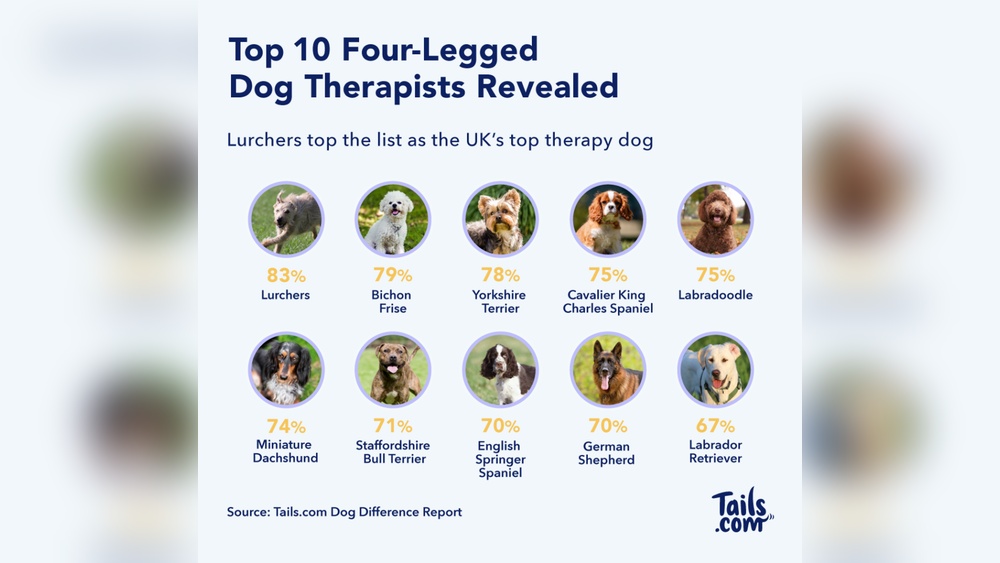
Labradors are friendly and very loyal dogs. They love to be around people and enjoy cuddles. Their calm nature helps reduce anxiety quickly. Labradors are also easy to train, making them great companions.
Cavalier King Charles Spaniel
This breed is small and very affectionate. They enjoy sitting close and giving gentle kisses. Their sweet personality makes owners feel safe and loved. Cavaliers are perfect for those who want a calm lap dog.
Golden Retriever
Golden Retrievers are gentle and patient. They have a loving and warm nature. These dogs are good with children and adults alike. Their friendly attitude helps lift spirits and ease worries.
Pug
Pugs have a playful and charming personality. They enjoy being the center of attention. Their funny faces and loving eyes bring smiles fast. Pugs are great for lightening a heavy mood.
Breeds Known For Easing Depression
Certain dog breeds have a special gift for easing feelings of depression. Their calm presence and loving nature bring comfort. These dogs offer companionship that can brighten dark days. They help reduce stress and bring smiles with simple acts of affection.
Bichon Frise
The Bichon Frise is a cheerful and playful dog. Its small size makes it easy to hold close. This breed loves to cuddle and be near people. Bichons are friendly and enjoy making their owners happy. Their lively spirit helps lift moods quickly.
Shih Tzu
Shih Tzus are gentle and sweet companions. They enjoy quiet time and soft petting. Their calm nature helps ease anxiety and sadness. These dogs form strong bonds and offer steady support. Their presence feels like a warm, comforting hug.
Great Dane
Great Danes are gentle giants with a soft heart. Their large size brings a sense of security. They move slowly and calmly, which soothes the mind. Great Danes are loyal and patient friends. Their quiet companionship helps reduce feelings of loneliness.
Newfoundland
Newfoundlands are known for their calm and loving nature. They have a peaceful energy that comforts owners. This breed is patient and gentle with everyone. Newfoundlands enjoy being close and offering quiet support. Their steady presence can calm a troubled mind.
How Dogs Help Mental Health
Dogs offer more than companionship. They play a key role in improving mental health. Their presence can calm the mind and lift the spirit. Understanding how dogs help mental health shows why they suit people with depression and anxiety.
Reducing Stress Hormones
Spending time with dogs lowers cortisol, the stress hormone. Petting a dog releases oxytocin, a feel-good chemical. These changes reduce tension and promote calmness. This helps ease feelings of anxiety and sadness.
Encouraging Physical Activity
Dogs need daily walks, which get their owners moving. Exercise improves mood and energy levels. It also helps reduce symptoms of depression. Walking a dog creates a healthy routine and purpose.
Providing Unconditional Support
Dogs offer love without judgment or conditions. This support builds confidence and reduces loneliness. Their loyalty helps people feel safe and valued. This bond strengthens emotional well-being every day.
Enhancing Social Interaction
Dogs open doors for social connections. Walking a dog often leads to conversations and new friendships. These interactions reduce feelings of isolation. Social support is important for mental health recovery.
Choosing The Right Breed For You
Choosing the right dog breed can help ease depression and anxiety. A good match brings comfort and joy. Think about your daily life and needs. The right dog fits your routine and space. Consider the dog’s energy and care needs too.
Assessing Your Lifestyle
Look at your daily schedule. Busy days need a low-maintenance dog. More free time allows for active breeds. Think about your work hours and social life. Dogs need attention and exercise every day.
Considering Living Space
Space matters for your dog’s happiness. Small apartments suit small or calm dogs. Larger homes handle active or bigger breeds. A backyard helps active dogs burn energy. Make sure your dog has room to move.
Matching Energy Levels
Your energy should match your dog’s. Calm dogs suit quiet, relaxed owners. Active dogs need lots of play and walks. Too much energy can stress some owners. Pick a dog that fits your activity level.
Allergy And Care Needs
Check for allergies before choosing a dog. Some breeds shed less and cause fewer allergies. Grooming needs vary by breed and coat type. Regular care keeps dogs healthy and happy. Know the time and cost of care needed.

Credit: pettable.com
Training Tips For Calming Companions
Training a dog to be a calming companion takes time and care. The right approach helps your dog stay relaxed and supportive. Training also builds trust and deepens your bond. Focus on gentle methods that promote calm behavior.
Consistency And Patience
Dogs learn best with steady routines. Keep training sessions short but regular. Use the same commands every time. Patience helps dogs feel safe and understand expectations. Avoid rushing the process or getting frustrated.
Positive Reinforcement
Reward calm behavior with treats or praise. This encourages dogs to repeat good actions. Use gentle tones and kind words. Avoid punishment as it can increase anxiety. Positive rewards create a happy learning environment.
Socialization Techniques
Introduce your dog slowly to new people and places. Controlled exposure reduces fear and stress. Start with quiet settings and gentle introductions. Praise your dog for calm reactions. Well-socialized dogs feel more secure and relaxed.
Creating A Safe Environment
Provide a quiet, comfortable space for your dog. Use soft bedding and familiar toys. Limit loud noises and sudden changes. A calm space helps dogs feel protected. Safe surroundings support a relaxed, trusting companion.
Alternatives To Purebred Dogs
Purebred dogs are popular choices for many, but they are not the only option. Alternatives offer unique benefits for mental health support. These dogs often have great temperaments and can provide comfort and companionship. Many people find mixed breeds and rescue dogs equally loving and supportive.
Adopting Mixed Breeds
Mixed breed dogs often combine traits from different breeds. This mix can create balanced, calm, and friendly pets. Many mixed breeds adapt well to home life and bring joy to their owners. Adoption centers have many mixed breeds waiting for loving homes. These dogs can be perfect companions for people with depression or anxiety.
Therapy And Service Dogs
Therapy dogs offer comfort in stressful situations. They visit hospitals, schools, and nursing homes to help people feel better. Service dogs assist with daily tasks and provide emotional support. They are trained to sense anxiety and depression signs. These dogs help reduce stress and promote calmness in their owners.
Rescue Organizations Focused On Mental Health
Some rescue groups specialize in dogs for mental health support. They train dogs to help people with anxiety and depression. These organizations carefully match dogs with owners who need them most. Adopting from such rescues ensures a dog suited for emotional support. This option helps both the dog and the person in need.

Credit: www.purewow.com
Frequently Asked Questions
What Dog Breeds Help With Depression And Anxiety?
Breeds like Labrador Retrievers, Golden Retrievers, and Cavalier King Charles Spaniels provide emotional support. They are calm, affectionate, and easy to train, making them ideal companions for those with depression or anxiety.
How Do Dogs Reduce Symptoms Of Anxiety?
Dogs offer companionship, reduce loneliness, and encourage physical activity. Their presence lowers stress hormones and increases serotonin, improving overall mood and reducing anxiety symptoms effectively.
Which Small Dog Breeds Are Good For Anxiety?
Small breeds like French Bulldogs, Pugs, and Shih Tzus are gentle and loving. Their manageable size and calm nature make them perfect for anxiety relief in confined living spaces.
Can Therapy Dogs Help With Depression?
Yes, therapy dogs are trained to provide emotional comfort. They help reduce stress, promote social interaction, and improve mental health in people suffering from depression.
Conclusion
Choosing the right dog breed can help ease feelings of depression and anxiety. Dogs offer comfort, companionship, and love every day. Some breeds naturally provide calmness and support. Their presence can bring peace and joy to your life. Remember, a dog’s loyalty can brighten even the darkest moments.
Take time to find a breed that fits your lifestyle. A well-matched dog can become a true friend and healer. Let their gentle nature guide you toward better mental health. Caring for a dog also encourages routine and activity. This simple bond can make a big difference.