

Are you struggling with your dog’s sudden bad behavior? Maybe your furry friend is chewing everything in sight or barking nonstop.
These behavior problems in dogs can be frustrating and confusing. But what if you could understand why your dog acts this way and find simple, effective solutions? Keep reading, because fixing these issues is easier than you think—and your dog will thank you for it.
Credit: www.aspcapetinsurance.com
Common Dog Behavior Problems
Dogs show different behaviors, but some cause problems at home or outside. These common behavior issues can be hard to handle. Understanding them helps owners find better ways to train and care for their pets.
Excessive Barking
Barking is normal, but too much barking can annoy neighbors. Dogs may bark for attention, fear, or boredom. It’s important to find the cause and help the dog stay calm.
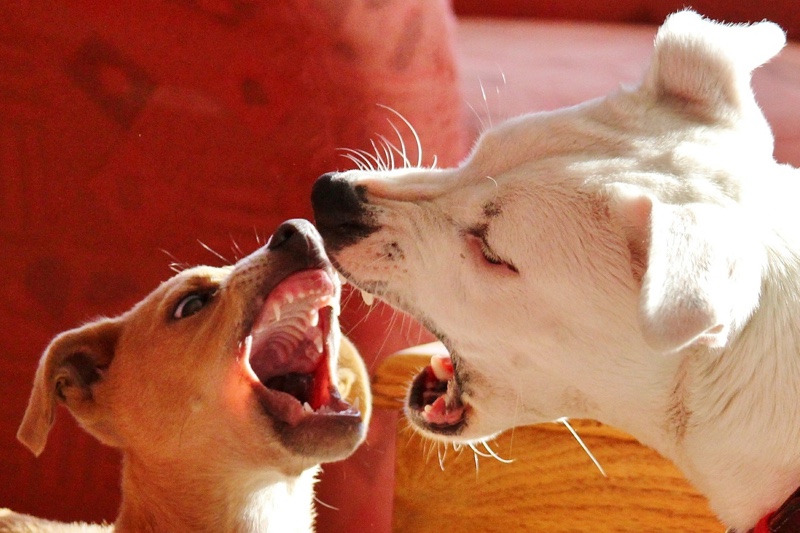
Aggression Towards People
Some dogs growl, snap, or bite people. This can be due to fear, pain, or poor social skills. Early training and gentle guidance can reduce aggressive acts.
Aggression Towards Other Dogs
Dogs might fight or show hostility to other dogs. This can happen on walks or at the park. Training and socializing help dogs get along better.
Separation Anxiety
Dogs may feel stressed when left alone. They can bark, chew, or try to escape. Teaching dogs to feel safe alone reduces this anxiety.
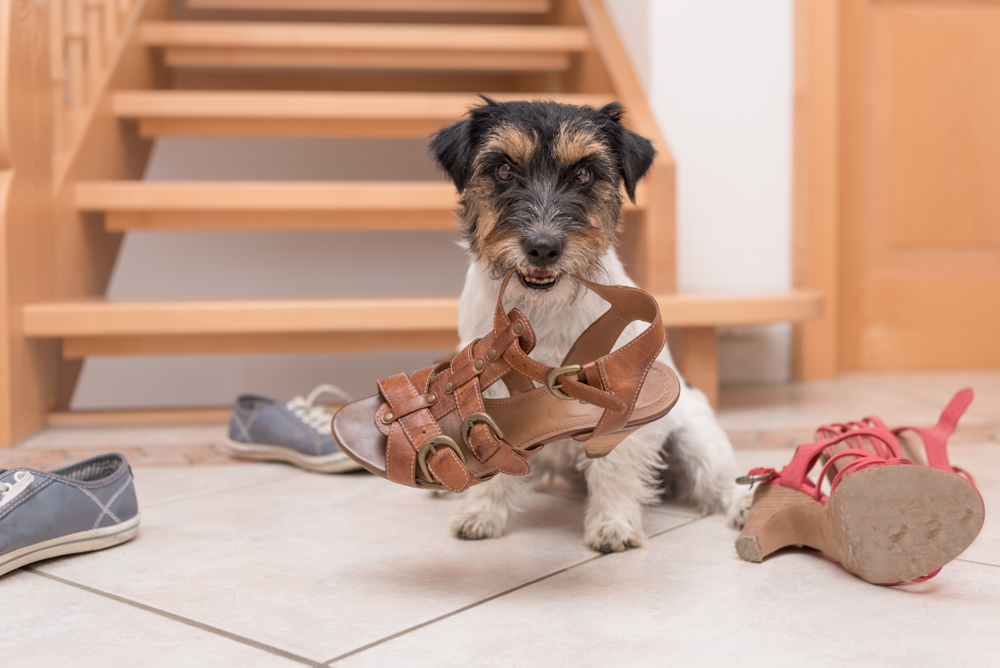
Destructive Chewing
Chewing is normal but can damage furniture or shoes. Dogs often chew because they are bored or teething. Providing toys and exercise helps stop this behavior.
Jumping On People
Dogs jump to greet or get attention. This can be scary or annoying for visitors. Training dogs to sit calmly is key to stopping jumping.
House Soiling
Accidents inside the house happen with some dogs. This may be due to lack of training or health problems. Consistent routines and patience improve house training.
Digging And Escaping
Dogs dig to explore or escape. They may dig in the garden or try to run away. Providing exercise and secure spaces keeps dogs safe and happy.
Causes Behind Behavior Issues
Understanding why dogs show behavior problems helps solve them faster. Behavior issues often have clear causes. Identifying these causes is the first step toward better behavior.
Lack Of Training
Dogs need training to learn good behavior. Without training, dogs may not know what is allowed. They might act out to get attention or test limits. Consistent training builds good habits in dogs.
Fear And Anxiety
Fear can make dogs act strangely. Loud noises or new places may scare them. Anxious dogs might bark, bite, or hide. Helping dogs feel safe reduces fear-based behavior problems.
Boredom And Lack Of Exercise
Dogs need activity to stay happy. Bored dogs may chew furniture or dig holes. Regular exercise uses their energy in a good way. Play and walks keep dogs calm and content.
Medical Problems
Health issues can cause behavior changes. Pain or illness may make dogs irritable or restless. A vet checkup can find hidden medical problems. Treating health issues often improves behavior.
Inconsistent Owner Responses
Dogs learn from their owners’ actions. Mixed signals confuse dogs about rules. One day allowed, the next day punished. Clear and steady responses help dogs understand what to do.
Training Techniques That Work
Training dogs can fix many behavior problems. Using the right methods helps dogs learn fast. Training builds trust and respect between you and your dog. It also makes life easier for both of you.
Simple, clear techniques work best. Dogs need patience and clear signals. Consistency and kindness are key to success. Here are some training methods that really help.
Positive Reinforcement
Positive reinforcement means giving rewards for good behavior. Treats, praise, and petting work well. This method encourages dogs to repeat good actions. It makes learning fun and stress-free. Avoid punishment; it can cause fear and confusion.
Clicker Training
Clicker training uses a small sound device to mark good behavior. The click tells the dog they did right. Follow the click with a treat or praise. This method helps dogs learn fast and clearly. It improves communication between you and your dog.
Consistency And Routine
Dogs learn best with a steady routine. Training at the same time each day helps. Use the same words and signals every time. Consistency stops confusion and speeds up learning. Make training part of your daily life.
Socialization Strategies
Socialization teaches dogs to behave well around people and animals. Introduce your dog to new places and friends slowly. Positive experiences build confidence and reduce fear. Social dogs are calmer and less likely to develop problems.
Basic Commands For Control
Teaching basic commands like sit, stay, and come gives you control. These commands keep your dog safe and calm. Practice commands often and reward good responses. A dog that listens is a happy dog.
Credit: www.ovrs.com
Managing Anxiety And Fear
Managing anxiety and fear in dogs is important for their well-being. These feelings can cause behavior problems. Dogs may bark, hide, or act aggressively. Helping them feel safe is the first step. Gentle and steady approaches work best to reduce fear.
Creating Safe Spaces
Safe spaces give dogs a place to relax. A quiet corner with a bed or crate works well. Keep the area free from loud noises and distractions. Add familiar toys and blankets for comfort. This space helps dogs calm down during stressful times.
Gradual Desensitization
Gradual desensitization means exposing dogs to fears slowly. Start with small, less scary versions of the trigger. For example, play a low sound if your dog fears noise. Increase the intensity only when the dog stays calm. This process builds confidence over time.
Counter-conditioning
Counter-conditioning changes how dogs feel about triggers. Pair the scary thing with something good, like treats. The goal is to make the dog happy instead of afraid. Repeat this often to create positive associations. It helps change negative reactions to calm responses.
Use Of Calming Products
Calming products can support anxiety management. Options include calming sprays, collars, and supplements. These products often use natural ingredients like lavender or chamomile. Use them alongside training for best results. Always check with a vet before starting new products.
Preventing Destructive Behaviors
Destructive behaviors in dogs can cause stress and damage at home. Preventing these habits is key to a happy pet and household. Understanding what triggers these actions helps to reduce them.
Dogs often act out when bored or anxious. Giving them the right tools and attention stops many problems before they start.
Providing Adequate Exercise
Exercise burns energy and keeps dogs calm. A tired dog is less likely to chew or dig. Daily walks and playtime help meet their physical needs. Tailor exercise to your dog’s breed and age.
Interactive Toys And Enrichment
Toys that challenge the mind reduce boredom. Puzzle toys and treat dispensers keep dogs busy. Rotate toys to maintain interest. Enrichment activities create a positive focus for dogs.
Supervision And Confinement
Watching your dog prevents bad habits. Use baby gates or crates to limit access. Confinement keeps dogs safe and stops destruction. Supervised freedom teaches proper behavior gradually.
Redirecting Unwanted Chewing
Provide chew toys to replace household items. Praise your dog when chewing the right things. Remove tempting objects from reach. Consistent redirection helps dogs learn what is okay.
When To Seek Professional Help
Behavior problems in dogs can be tough to handle alone. Some issues might need expert help to improve your dog’s life. Knowing when to seek professional help is important. Early action can prevent problems from getting worse.
Choosing A Trainer Or Behaviorist
Choose a trainer or behaviorist with experience in your dog’s specific issues. Look for certified professionals with good reviews. Ask about their methods to ensure they use positive training. Avoid trainers who rely on punishment or fear. The right expert can make a big difference in results.
Veterinary Behavioral Consultations
Veterinarians with behavioral training can help diagnose underlying health problems. Sometimes behavior issues link to pain or illness. A vet can suggest tests and treatment plans. They work with trainers to create a full care plan. This step is vital for severe or sudden changes in behavior.
Medication Options
Some dogs benefit from medication to manage anxiety or aggression. Medication is not a fix alone but aids behavior therapy. A vet prescribes the correct medicine and dosage. Regular check-ups ensure the medicine works well. Use medication only under professional guidance to keep your dog safe.
Long-term Behavior Plans
Long-term plans include training, environment changes, and care routines. Consistency is key to lasting improvement. Professionals help set realistic goals and timelines. Regular follow-ups track progress and adjust plans. A well-structured plan supports your dog’s mental and emotional health.

Credit: www.amazon.com
Frequently Asked Questions
What Are Common Behavior Problems In Dogs?
Common behavior problems include aggression, barking, chewing, digging, and separation anxiety. These issues often stem from fear, boredom, or lack of training.
How Can I Prevent Behavior Problems In My Dog?
Prevent problems by socializing your dog early, providing regular exercise, and consistent training. Positive reinforcement helps build good habits and reduces unwanted behaviors.
When Should I Seek Professional Help For Dog Behavior?
Seek help if your dog’s behavior is aggressive, destructive, or worsening despite training. A professional trainer or vet can identify causes and provide solutions.
Can Diet Affect My Dog’s Behavior?
Yes, poor nutrition can cause irritability and hyperactivity. Balanced diets support brain health and improve mood and behavior in dogs.
Conclusion
Dogs show behavior problems for many reasons. Understanding these signs helps you act early. Consistent training and patience improve your dog’s actions. Seeking help from a vet or trainer can guide you. Remember, every dog learns and adapts at its own pace.
Good care and love create a happy, well-behaved pet. Keep observing and supporting your dog every day. Small steps lead to big changes. Your effort makes a difference in your dog’s life.


