

If you have a Rottweiler or are thinking about getting one, understanding their behavior is key to building a strong bond. These dogs are known for their loyalty and strength, but their true nature goes much deeper.
You might wonder what makes a Rottweiler tick, how they show affection, or what to expect in daily life. This article will give you clear insights into your Rottweiler’s personality, helping you connect with your dog like never before. Keep reading to discover the secrets behind their actions and how you can bring out the best in your furry companion.
Rottweiler Origins
The Rottweiler is a strong and loyal dog breed. Its origins trace back many centuries. Understanding where this breed comes from helps explain its behavior. Rottweilers were bred for specific tasks. These tasks shaped their physical and mental traits. Their history reveals why they are confident and protective today.
Historical Background
The Rottweiler’s roots go back to Roman times. Roman soldiers used herding dogs to control cattle. These dogs moved with the army’s livestock as they traveled. Over time, these dogs bred with local German dogs. This mix created the early Rottweiler type. The town of Rottweil in Germany gave the breed its name. The breed became popular there for herding and guarding animals.
Working Roles
Rottweilers worked as cattle drivers and guard dogs. They helped farmers protect their property and animals. Their strength and intelligence made them perfect workers. Rottweilers could pull carts and carry heavy loads too. Their protective nature helped keep farms safe. These roles required them to be brave and alert. This background explains their loyal and watchful behavior today.
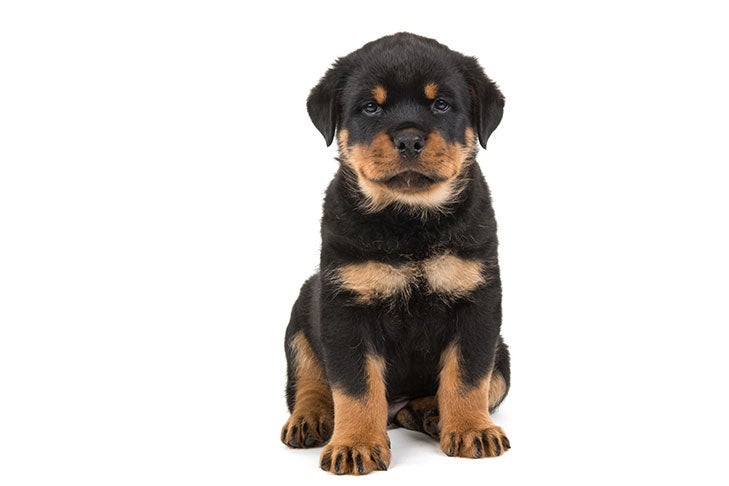
Credit: www.akc.org
Physical Characteristics
Rottweilers have strong and striking physical traits. These traits reflect their history as working dogs. Their appearance shows power and agility in every move. Understanding these features helps appreciate the breed better.
Size And Build
Rottweilers are large dogs with a sturdy body. Males typically weigh between 95 and 135 pounds. Females are smaller, usually weighing 80 to 100 pounds. Their height ranges from 22 to 27 inches at the shoulder. Muscular and compact, they look balanced and solid. Their broad chest and strong legs give them strength and speed. This build makes them excellent guard dogs and companions.
Coat And Color
The coat of a Rottweiler is short and dense. It lies flat against the body, giving a smooth look. Their fur protects them from cold and heat. The typical color is black with clear rust or mahogany markings. These markings appear above the eyes, on the cheeks, chest, and legs. The contrast in colors adds to their bold appearance. Regular grooming keeps their coat shiny and healthy.
Temperament Traits
Rottweilers have strong and clear temperament traits. These traits shape their behavior and how they interact with people. Understanding these traits helps owners provide the right care and training. Rottweilers are known for their unique personality, which blends loyalty, protectiveness, and confidence. Each trait plays a vital role in their daily life and relationships.
Loyalty And Bonding
Rottweilers form deep bonds with their families. They are very loyal and love to stay close to their owners. This loyalty makes them great companions and family dogs. They enjoy being part of daily activities and often want to please their humans. Their strong bond helps build trust and respect between dog and owner.
Protectiveness
Protectiveness is a natural trait in Rottweilers. They watch over their home and family carefully. This makes them excellent guard dogs. They are alert and will warn of any unusual activity. Their protectiveness is balanced by their calm nature around loved ones. Proper training helps channel this trait positively.
Confidence And Independence
Rottweilers show high confidence in many situations. They are not easily scared and handle new experiences well. This confidence helps them learn quickly and solve problems. At the same time, they have an independent streak. They can think and act on their own but still respect their owner’s guidance. This mix of traits makes them strong and smart dogs.
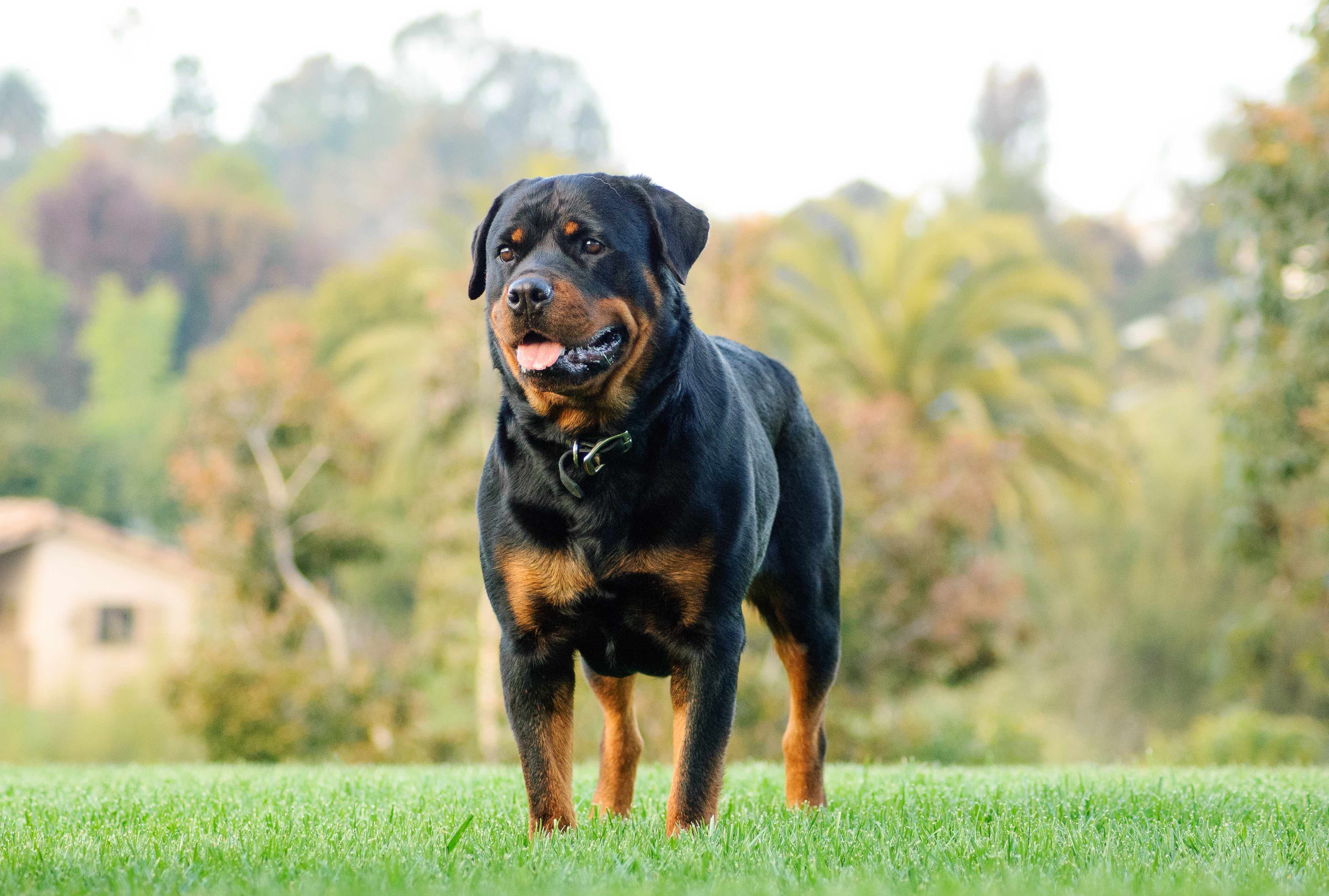
Credit: www.petmd.com
Social Behavior
Rottweilers have strong social instincts. They form close bonds with their family and enjoy being part of daily life. Their social behavior shows loyalty and protectiveness. Understanding how they interact helps create a happy home for them.
Interaction With Family
Rottweilers love their family members deeply. They enjoy spending time with people they trust. These dogs often follow their family around the house. They show affection by leaning or resting their head on you. Rottweilers are protective but gentle with children. They want to be included in family activities.
Behavior Around Strangers
Rottweilers are cautious around strangers. They watch new people carefully before reacting. If they sense danger, they may bark or stand firm. These dogs protect their home and family without being overly aggressive. Proper training helps them stay calm with visitors. They learn to tell the difference between friends and threats.
Compatibility With Other Pets
Rottweilers can live well with other pets. Early socialization is key to peaceful relationships. They may try to lead other dogs in the home. With gentle introduction, they accept cats and smaller animals. Their strong nature means supervision is important at first. They usually become loyal companions to other pets over time.
Training And Obedience
Training and obedience shape a Rottweiler’s behavior and personality. These dogs are smart and eager to learn. Proper training helps them become well-mannered and safe companions. Consistency and patience play key roles in their learning process.
Rottweilers respond well to clear commands and routines. Early training builds a strong foundation for good habits. Obedience training also strengthens the bond between owner and dog. It sets limits and teaches respect for boundaries.
Early Socialization
Start socialization early to help Rottweilers adapt to new situations. Introduce them to different people, animals, and places. Early exposure reduces fear and aggression later. It helps the dog become confident and calm around others.
Socialization should be gentle and positive. Short, pleasant experiences work best. Avoid overwhelming the puppy with too much at once. Consistent social contact makes training easier and more effective.
Positive Reinforcement Techniques
Use treats, praise, and affection to reward good behavior. Positive reinforcement encourages Rottweilers to repeat desired actions. Avoid harsh punishments or yelling, which can cause fear or aggression.
Keep training sessions short and fun. Reward immediately after the dog obeys. This helps the dog understand which behavior is right. Positive methods create trust and a happy learning experience.
Common Challenges
Rottweilers may show stubbornness or strong will during training. They need firm but gentle leadership. Some dogs can be possessive or protective, requiring careful management.
Consistency is important to avoid confusion. Skipping training sessions slows progress. Patience helps overcome setbacks and builds confidence. Regular practice leads to steady improvement over time.
Exercise Needs
Rottweilers are strong and active dogs. They need regular exercise to stay healthy and happy. Exercise helps control their weight and burns off extra energy. Without enough activity, Rottweilers can become bored and restless. This can lead to unwanted behaviors like chewing or digging. Understanding their exercise needs is key for a well-behaved pet.
Daily Activity Requirements
Rottweilers need at least one hour of exercise every day. This can be split into two sessions—morning and evening. Walking is a great way to keep them active. Running or playing fetch also helps burn energy. They enjoy having space to run freely in a safe area. Consistent daily activity keeps their muscles strong and joints healthy.
Mental Stimulation
Physical exercise alone is not enough for Rottweilers. Their minds need exercise too. Puzzle toys and training sessions challenge their intelligence. Teaching new commands keeps their brain busy. Mental stimulation prevents boredom and destructive behavior. It also strengthens the bond between you and your dog. A tired mind leads to a calm and happy Rottweiler.
Health And Wellness
Rottweilers are strong dogs with a sturdy build. Their health and wellness need careful attention. Good care helps them live a long, happy life. Understanding their health needs keeps them active and alert.
Common Health Issues
Rottweilers can face certain health problems. Hip dysplasia is common and causes joint pain. Regular vet checks help catch it early. Heart disease is another issue to watch. It affects their stamina and energy. Some Rottweilers may develop eye problems. Regular eye exams keep their vision clear. Early care prevents serious health troubles.
Diet And Nutrition
A balanced diet supports a Rottweiler’s strong body. High-quality protein builds muscles and strength. Avoid foods with too many fillers or sugars. Fresh water must always be available. Feeding them the right amount keeps weight in check. Overfeeding can lead to obesity and health risks. Healthy snacks like carrots or apples work well. Proper nutrition keeps their coat shiny and skin healthy.
Myths And Misconceptions
Rottweilers often face many myths and misunderstandings. These myths affect how people see their behavior. Many think these dogs are naturally dangerous or aggressive. This view is unfair and not true for most Rottweilers. Understanding the truth helps owners care better for these dogs.
Aggression Myths
People often believe Rottweilers are always aggressive. This is not correct. Aggression depends on training and socialization, not breed alone. Many Rottweilers are calm and friendly with proper care. Bad behavior usually comes from fear or lack of training. Good owners raise well-behaved and loving dogs.
Media Influence
Media often shows Rottweilers in a negative light. Movies and news sometimes focus on attacks by these dogs. This makes people afraid and spreads wrong ideas. The media rarely shows the many kind and gentle Rottweilers. Real behavior depends on the dog’s upbringing, not just its breed.

Credit: www.akc.org
Frequently Asked Questions
What Is The Typical Temperament Of A Rottweiler Dog?
Rottweilers are confident, loyal, and protective dogs. They are calm with family but can be wary of strangers. Proper socialization helps maintain their balanced temperament.
How Do Rottweilers Behave Around Children?
Rottweilers are generally good with children when raised together. They are gentle and protective but should always be supervised around young kids.
Are Rottweilers Aggressive By Nature?
Rottweilers are not naturally aggressive. Aggression usually results from poor training or lack of socialization. Proper care leads to well-mannered dogs.
How Do Rottweilers Respond To Training?
Rottweilers are intelligent and eager to please. They respond well to consistent, positive training methods. Early training is essential for good behavior.
Conclusion
Rottweilers are loyal and protective dogs. They need early training and social time. These dogs enjoy being active and with family. Understanding their behavior helps build trust and friendship. Patience and kindness bring out their best side. Every Rottweiler is unique, so watch and learn.
Care and love make them happy and calm. A well-raised Rottweiler is a great companion. Keep their mind and body busy for good behavior. They can be strong, but also very gentle.


