Are you wondering if your dog is getting all the nutrients they need from their food? Choosing the most nutritionally complete dog food can feel overwhelming with so many options out there.
But what if you could find the perfect meal that supports your dog’s health, energy, and happiness every day? You’ll discover exactly what makes dog food truly complete and how to spot the best choices for your furry friend. Keep reading to unlock the key to giving your dog the nutrition they deserve.
Criteria For Nutritional Completeness
Choosing the most nutritionally complete dog food means understanding what makes a diet balanced and healthy. Nutritional completeness means the food provides all the nutrients a dog needs to live well. These nutrients support energy, growth, and overall health. Knowing the criteria helps pick the right food for your dog’s needs.
Essential Nutrients For Dogs
Dogs need a mix of proteins, fats, carbohydrates, vitamins, and minerals. Proteins build and repair tissues. Fats give energy and help absorb vitamins. Carbohydrates provide fuel for daily activities. Vitamins and minerals keep the body’s systems working properly. Missing any of these can harm your dog’s health.
Aafco Standards And Guidelines
The Association of American Feed Control Officials (AAFCO) sets rules for pet food. These rules ensure dog food meets minimum nutrition needs. Food labeled “complete and balanced” meets AAFCO standards. These standards guide pet food makers to include the right nutrients in the right amounts.
Role Of Protein, Fats, And Carbohydrates
Protein is key for muscles and immune health. Fats provide long-lasting energy and keep skin healthy. Carbohydrates offer quick energy and support digestion. A good dog food blends these three in balanced amounts. This balance keeps dogs active and healthy every day.
Importance Of Vitamins And Minerals
Vitamins and minerals help bones, teeth, and blood. They support vision, brain function, and the immune system. Calcium and phosphorus build strong bones. Zinc and iron keep cells healthy. A complete dog food includes these nutrients in safe amounts.

Credit: wefeedraw.com
Types Of Dog Food
Choosing the right type of dog food is key to keeping your pet healthy. Different foods offer various nutrients and benefits. Knowing the options helps you pick the best for your dog’s needs. Here are the main types of dog food to consider.
Dry Kibble Advantages
Dry kibble is the most common dog food type. It is easy to store and has a long shelf life. Kibble helps keep your dog’s teeth clean by reducing plaque. It is also usually the most affordable option. Many brands add vitamins and minerals to make it balanced.
Benefits Of Wet Food
Wet food contains more moisture than dry kibble. This helps keep dogs hydrated, especially those who drink less water. Wet food is soft and easy to chew, ideal for older dogs. It tends to be more flavorful, appealing to picky eaters. Nutrients are often preserved well in wet food.
Raw And Fresh Food Options
Raw and fresh foods are closer to a dog’s natural diet. They include fresh meat, vegetables, and fruits. These foods can provide high protein and fewer additives. Some owners believe raw diets improve coat and energy. Proper handling is important to avoid bacteria risks.
Homemade Diets Considerations
Homemade diets let you control every ingredient your dog eats. You can tailor meals to your dog’s allergies and preferences. It takes time and knowledge to balance nutrients correctly. Consulting a vet or pet nutritionist is important. Homemade diets can be healthy but require careful planning.
Top Nutritionally Complete Dog Foods
Top nutritionally complete dog foods provide all essential nutrients your dog needs. They support healthy growth, strong muscles, and a shiny coat. Choosing the right dog food helps maintain energy and overall well-being. Quality ingredients make a big difference in nutrition and taste.
Different types of dog food suit various preferences and health needs. Dry, wet, raw, and specialty diets each have unique benefits. Understanding these options helps you pick the best food for your dog’s health.
Premium Dry Dog Foods
Premium dry dog foods offer balanced nutrition and convenience. They contain proteins, fats, vitamins, and minerals in the right amounts. These foods often include added nutrients for joint and skin health. Dry kibble helps keep teeth clean and gums healthy. Most dogs enjoy the crunchy texture and taste.
Best Wet Dog Food Brands
Wet dog foods provide high moisture content, which aids hydration. They often have rich flavors and soft textures dogs like. Wet foods are easy to digest and good for picky eaters. Quality brands use real meat and avoid fillers. This type of food helps support urinary tract health.
High-quality Raw Food Choices
Raw food diets include fresh meat, bones, and vegetables. They mimic a dog’s natural diet in the wild. Raw food supports healthy teeth and strong muscles. It contains essential nutrients that cooking may destroy. Preparing raw food requires careful handling to avoid bacteria.
Specialty Diets For Health Needs
Specialty diets target specific health issues like allergies or weight control. They use limited ingredients to reduce food sensitivities. Some diets support kidney, liver, or digestive health. These foods often come with veterinary guidance. They help improve your dog’s quality of life.

Credit: www.businessinsider.com
Factors Influencing Food Choice
Choosing the right dog food is not simple. Many factors affect what food suits your dog best. These factors ensure your dog gets the right nutrition for a happy, healthy life. Understanding these helps pick the most complete food for your dog’s needs.
Age And Life Stage
Dogs need different nutrients at each life stage. Puppies require food rich in protein and fat to grow. Adult dogs need balanced nutrition to maintain health. Senior dogs benefit from food that supports joint health and digestion. Choosing food based on age helps meet these changing needs.
Breed And Size Specific Needs
Small breeds digest food differently than large breeds. Large dogs need food that supports strong bones and joints. Small breeds often need smaller kibble for easy chewing. Some breeds have special dietary needs due to genetics. Picking breed-specific food supports overall health.
Allergies And Sensitivities
Some dogs react badly to certain ingredients. Common allergens include wheat, soy, and chicken. Food allergies cause itching, upset stomach, or ear infections. Sensitive dogs need hypoallergenic or limited-ingredient food. Checking ingredients helps avoid allergy problems.
Budget And Availability
Good nutrition does not always mean expensive food. Many affordable options provide essential nutrients. Consider local stores and online sellers for availability. Consistent access to food helps keep your dog healthy. Budget-friendly choices can still meet nutritional needs well.
Reading Dog Food Labels
Reading dog food labels helps choose the best nutrition for your dog. Labels provide details about ingredients, nutrients, and quality. Understanding these details can improve your dog’s health and happiness. Learn to read labels carefully to spot good and bad ingredients.
Identifying Key Ingredients
Check the first few ingredients on the list. They show what the food mostly contains. Meat or fish should come first for good protein. Look for whole foods like chicken, beef, or salmon. Avoid vague terms like “meat by-product” or “animal digest.” These often mean low-quality parts.
Understanding Guaranteed Analysis
This section lists the nutrient levels in the food. It includes protein, fat, fiber, and moisture. Protein is important for muscle and energy. Fat provides calories and supports skin health. Fiber helps digestion. The guaranteed analysis helps compare different foods easily.
Recognizing Fillers And Additives
Fillers add bulk but little nutrition. Common fillers include corn, wheat, and soy. These can cause allergies or upset stomachs. Additives like artificial colors or flavors are not needed. Natural ingredients are better for your dog’s health. Avoid foods with many chemicals or preservatives.
Certifications And Quality Seals
Look for seals from trusted organizations on the package. These show the food meets safety and quality standards. Examples include AAFCO and USDA certifications. Such marks give confidence about the food’s reliability. Choose brands with clear and honest labeling.
Credit: www.businessinsider.com
Tips For Transitioning Foods
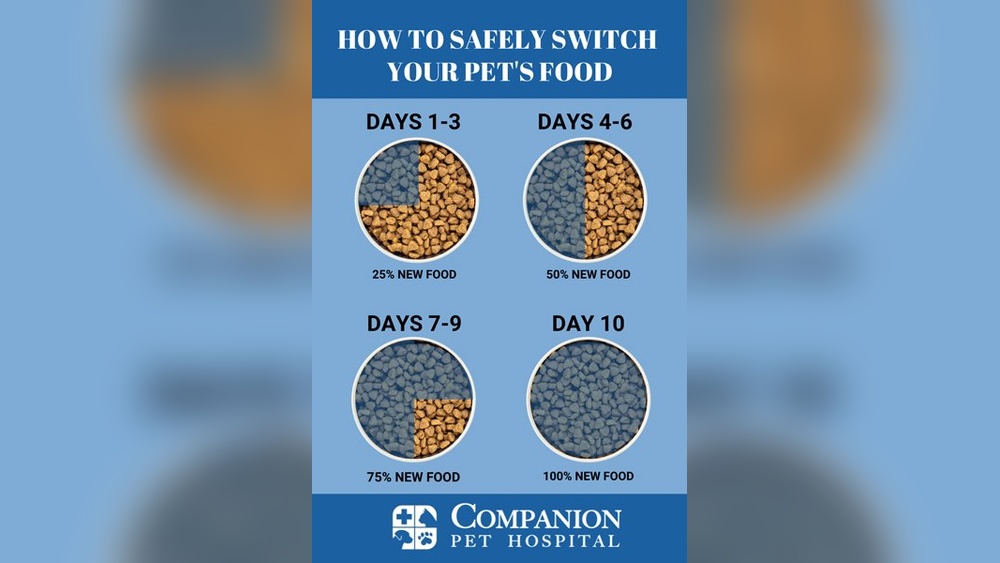
Changing your dog’s food needs care and patience. Sudden switches can upset their stomach. Proper transition helps your dog accept new food easily. It also reduces the risk of digestive problems.
Gradual Introduction Techniques
Start by mixing a small amount of new food with the old. Slowly increase the new food portion over 7 to 10 days. This helps your dog’s digestive system adjust. Watch for your dog’s interest in the new food. Keep the feeding schedule consistent to avoid confusion.
Monitoring For Reactions
Check your dog daily for signs of discomfort or allergies. Look for vomiting, diarrhea, or skin irritation. If any reaction occurs, slow down the transition. Consult your vet if symptoms persist or worsen. Early detection keeps your dog safe and healthy.
Adjusting Portions And Frequency
Observe your dog’s hunger and energy levels during the change. Adjust food amounts to match their activity and size. Keep feeding times regular to build a routine. Avoid overfeeding to prevent weight gain. Proper portions support good health and digestion.
Consulting With Veterinarians
Choosing the most nutritionally complete dog food is important for your pet’s health. Veterinarians are the best source of guidance. They understand your dog’s unique needs. Talking to a vet ensures your dog gets the right nutrients. It also helps avoid health problems related to diet. Here is how vets assist in feeding your dog well.
Personalized Nutritional Advice
Every dog is different. Age, size, breed, and activity level affect food needs. Vets give advice tailored to your dog. They suggest foods that match your dog’s life stage. This advice helps keep your dog healthy and active. Personalized plans improve your dog’s energy and coat quality.
Addressing Health Conditions
Some dogs have special health problems. Conditions like allergies, diabetes, or kidney issues need special diets. Veterinarians know which foods help or harm these conditions. They guide you to avoid ingredients that cause problems. Proper diets can reduce symptoms and improve your dog’s life.
Supplement Recommendations
Sometimes dog food alone is not enough. Vets may suggest supplements like vitamins or fatty acids. These add extra nutrients your dog needs. Supplements support joints, skin, and immune health. Using supplements carefully prevents overdosing and keeps your dog safe.
Frequently Asked Questions
What Defines The Most Nutritionally Complete Dog Food?
The most nutritionally complete dog food meets AAFCO standards. It contains balanced proteins, fats, vitamins, and minerals for all life stages. This ensures your dog gets essential nutrients for health, energy, and longevity.
Which Ingredients Make Dog Food Nutritionally Complete?
High-quality protein, healthy fats, carbohydrates, vitamins, and minerals make dog food complete. Ingredients like real meat, whole grains, and vegetables provide balanced nutrition. Avoid fillers and artificial additives for optimal health.
How Do I Choose The Best Complete Dog Food?
Look for AAFCO certification and quality ingredients on the label. Consider your dog’s age, breed, and health needs. Consult your vet for personalized recommendations to ensure balanced nutrition.
Can Homemade Diets Be Nutritionally Complete For Dogs?
Homemade diets can be complete if properly balanced with vet guidance. They require precise portions of protein, fats, carbs, and supplements. Without expert advice, homemade meals risk nutrient deficiencies.
Conclusion
Choosing the most nutritionally complete dog food helps keep your pet healthy. Dogs need balanced meals with proteins, fats, and vitamins. Check the label for essential nutrients and quality ingredients. Fresh water and regular exercise support good health too. Remember, every dog is different and may need special care.
Talk to your vet for advice on the best diet. Feeding your dog well shows love and keeps tails wagging happily. Simple steps make a big difference in your dog’s life.