

Are you wondering if it’s okay for your puppy to eat adult dog food? You want to give your furry friend the best start in life, but with so many opinions out there, it’s easy to feel confused.
Feeding your puppy the right food is not just about filling their tummy—it’s about helping them grow strong and healthy. You’ll discover why choosing the correct food matters and what could happen if your puppy eats adult dog food. Keep reading to find out how to make the best choice for your puppy’s nutrition and happiness.
Credit: www.chewy.com
Nutritional Needs Of Puppies
Puppies need special care in their diet. Their nutritional needs differ from adult dogs. Feeding the right food helps them grow strong and healthy. Understanding these needs is key to proper puppy care.
Growth And Development Demands
Puppies grow very fast during the first year. Their bodies build bones, muscles, and organs rapidly. This growth requires more calories than adult dogs need. Puppies also need food that supports brain and eye development. Proper nutrition helps puppies reach their full potential.
Key Nutrients For Puppies
Puppies need protein to build strong muscles. Fat provides energy for active puppies. Calcium and phosphorus are vital for strong bones and teeth. DHA, a type of fat, supports brain and eye health. Vitamins and minerals help the immune system stay strong. Each nutrient plays an important role.
Differences From Adult Dogs
Adult dog food often lacks enough calories for puppies. It may not contain enough protein or fat. Puppies require more nutrients per pound of body weight. Adult food does not support rapid growth well. Feeding adult food to puppies can slow their development. Puppy food is made to meet these higher needs.
Risks Of Feeding Adult Dog Food To Puppies
Feeding adult dog food to puppies can cause several risks. Puppies need special nutrition for their growth and health. Adult dog food lacks some important nutrients for puppies. This can lead to problems in their development and wellbeing.
Nutrient Deficiencies
Puppies need more protein, fat, and calories than adult dogs. Adult food has lower levels of these nutrients. This can cause puppies to miss key vitamins and minerals. Missing nutrients can slow down their growth. It can also weaken their bones and immune system.
Digestive Issues
Puppies have sensitive stomachs. Adult dog food is harder for them to digest. Feeding adult food can cause upset stomachs, diarrhea, or vomiting. These problems make puppies uncomfortable and sick. Proper puppy food supports healthy digestion and gut health.
Long-term Health Effects
Poor nutrition early in life can cause lasting damage. Puppies may develop weak bones and joints. They might have poor muscle growth and low energy. This can affect their quality of life as adults. Feeding the right food helps puppies grow strong and healthy.
When Adult Dog Food Might Be Appropriate
Adult dog food is made for dogs that are fully grown. Puppies need special nutrients to grow strong and healthy. Still, some situations may require feeding adult dog food to a puppy. Knowing when this is okay helps keep your puppy safe and healthy.
Emergency Situations
Sometimes, you might run out of puppy food. Or you may not find puppy food nearby. In such cases, feeding adult dog food for a short time is better than no food. Watch your puppy closely for any signs of discomfort. Switch back to puppy food as soon as possible.
Consulting A Veterinarian
A vet can guide you on the best food for your puppy. Some puppies have health problems needing special diets. The vet might suggest adult dog food or a special formula. Always ask a vet before changing your puppy’s diet. This keeps your puppy’s health on track.
Temporary Feeding Guidelines
Use adult dog food only for a short time. Feed small amounts and watch your puppy’s reaction. Avoid feeding adult food every day for long periods. Mix adult food with puppy food to make the change easier. Return to puppy food as soon as you can.
Credit: www.gallant.com
Choosing The Right Food For Puppies
Choosing the right food for puppies is very important for their growth. Puppies have special needs different from adult dogs. The right food helps build strong bones, muscles, and a healthy immune system. Feeding the wrong food can cause problems later in life.
Knowing what to feed your puppy helps keep them happy and active. Puppy food is made to support fast growth and high energy. It also helps with brain development and good digestion.
Puppy-specific Formulations
Puppy foods have more protein and fat than adult dog foods. These nutrients help puppies grow quickly and build strong muscles. Puppy food also contains more vitamins and minerals like calcium. These support bone and teeth development. Feeding adult dog food to puppies can lead to nutrient gaps. This may cause poor growth or health issues.
Reading Dog Food Labels
Labels show important facts about dog food. Look for words like “complete and balanced” for puppies. Check the ingredient list for real meat as the first item. Avoid foods with too many fillers like corn or soy. Labels also show guaranteed analysis of protein, fat, and fiber. This helps you choose food that meets your puppy’s needs.
Balancing Homemade Diets
Some owners choose to feed homemade meals to puppies. It is hard to make meals that have all needed nutrients. Puppies need the right amounts of protein, fat, vitamins, and minerals. Consult a vet or pet nutritionist to create a balanced diet. Homemade food without balance can cause health problems in puppies.
Transitioning From Puppy To Adult Food
Changing a puppy’s food to adult dog food is an important step. Puppies need special nutrients to grow strong. Adult dog food has different ingredients made for grown dogs. Switching at the right time helps keep your puppy healthy and happy.
The process should be slow and careful. Sudden changes can upset your puppy’s stomach. Watching your puppy’s health during this change is very important. This helps you know if the new food suits them well.
Ideal Timing
Puppies usually start eating adult food between 9 to 12 months. Small breeds may change earlier, around 9 months. Larger breeds may need puppy food longer, up to 12 months. Check your vet’s advice for the best time for your puppy.
Gradual Switch Process
Mix a small amount of adult food with puppy food at first. Slowly increase adult food and reduce puppy food over 7 to 10 days. Watch your puppy eat and see if they like the new food. This slow change helps avoid stomach upset.
Monitoring Puppy Health
Look for signs of good health like energy and shiny coat. Watch for diarrhea, vomiting, or loss of appetite. If problems happen, slow down the switch or talk to your vet. Regular check-ups help ensure your puppy stays healthy during change.
Expert Tips For Healthy Puppy Feeding
Feeding a puppy correctly sets the stage for strong growth and good health. Puppies need special care with their diet. Experts suggest following key feeding tips to keep them healthy and happy.
Portion Control
Serving the right amount of food is very important. Too much food can lead to weight gain. Too little can cause poor growth. Measure portions based on your puppy’s age and weight. Check the dog food packaging for guidelines. Adjust portions as your puppy grows and gains weight.
Feeding Frequency
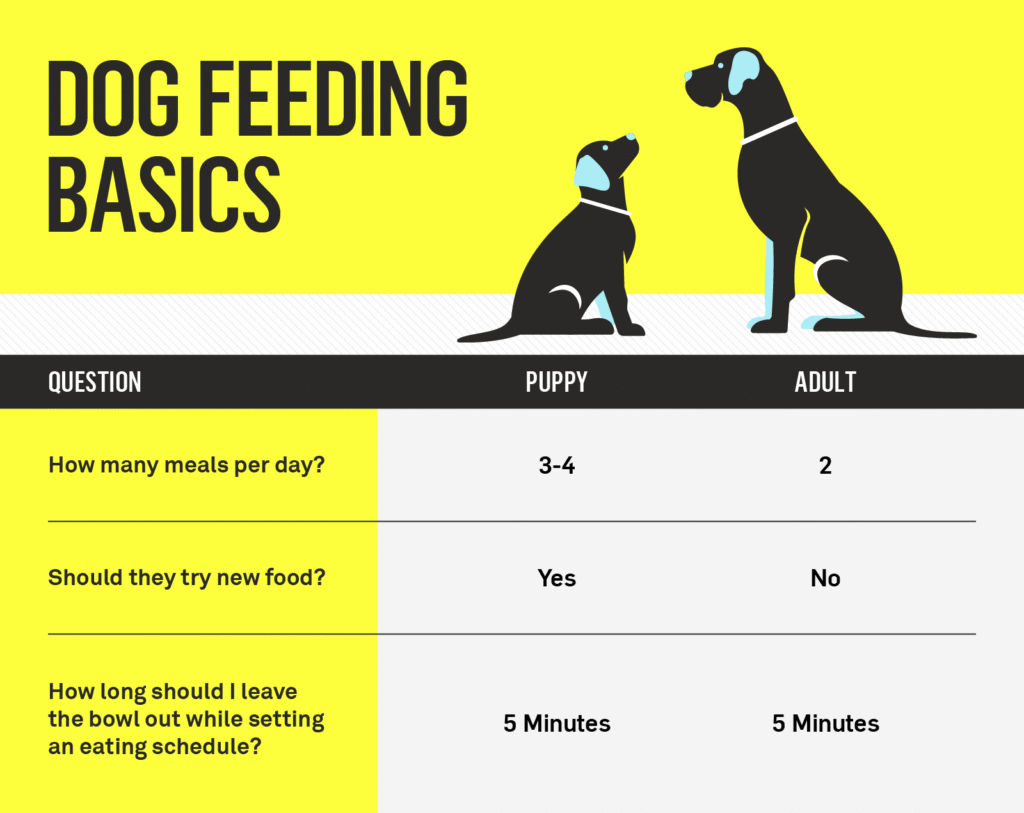
Puppies require more frequent meals than adult dogs. Young puppies eat about four times a day. As they grow, reduce to three meals, then two meals daily. Regular meal times help keep digestion steady. Avoid free feeding to prevent overeating.
Avoiding Common Feeding Mistakes
Do not feed adult dog food regularly to puppies. Adult food lacks essential nutrients for puppies. Avoid sudden changes in diet to prevent stomach upset. Do not give table scraps or human food often. Always provide fresh water alongside meals.
Credit: www.purina.com
Frequently Asked Questions
Can Puppies Eat Adult Dog Food Safely?
Puppies can eat adult dog food occasionally, but it lacks essential nutrients for growth. Puppy food supports development better with higher protein and calories.
What Happens If Puppies Eat Only Adult Dog Food?
Feeding only adult dog food may cause nutrient deficiencies in puppies. They might experience slower growth, weaker immunity, and digestive issues without proper puppy nutrition.
When Should Puppies Switch To Adult Dog Food?
Puppies typically transition to adult dog food between 12 to 18 months. Consult your vet for the right time based on your puppy’s breed and growth rate.
Is Adult Dog Food Harmful To Puppy Health?
Adult dog food isn’t harmful in small amounts but isn’t ideal long-term. It may lack vitamins and minerals essential for puppies’ rapid growth and development.
Conclusion
Puppies need food made just for their growth and health. Adult dog food lacks some nutrients puppies require. Feeding adult food to puppies can cause health problems. Always choose puppy food for balanced nutrition. Consult your vet for the best diet advice.
Healthy puppies grow into strong adult dogs. Careful food choices support their energy and development. Keep your puppy happy and healthy with the right food.


