

Are you wondering how much nutritional brewer’s yeast you should give your dog? You want to boost your furry friend’s health, but too much or too little can make a big difference.
Finding the right amount can feel tricky, especially with all the advice out there. Keep reading, and you’ll discover simple, clear guidelines that help you give your dog the perfect dose of this powerful supplement. Your dog’s well-being depends on it, and you’re just one step away from making the best choice.

Credit: www.amazon.com
Benefits Of Brewers Yeast For Dogs
Brewers yeast offers many benefits for dogs. It is a natural supplement rich in nutrients. Many dog owners use it to support their pet’s health. Brewers yeast contains vitamins, minerals, and proteins that help dogs stay healthy. It can improve immune function, skin condition, and digestion.
Boosting Immune Health
Brewers yeast helps strengthen a dog’s immune system. It contains beta-glucans, which support immune cells. A stronger immune system fights infections better. Dogs may get sick less often with regular use. This can lead to a healthier, happier pet.
Improving Skin And Coat
Brewers yeast promotes shiny, healthy fur. It is rich in B vitamins and zinc. These nutrients reduce itching and dryness. Dogs with allergies or skin problems may benefit. A soft, glossy coat is a sign of good health.
Supporting Digestive Function
Brewers yeast supports healthy digestion. It contains probiotics that help balance gut bacteria. This can reduce gas and bloating in dogs. Better digestion means better nutrient absorption. A happy tummy often means a happy dog.
Safe Dosage Guidelines
Knowing the right amount of nutritional brewer’s yeast for your dog is important. Too much can cause stomach upset. Too little may not give any health benefits. Follow safe dosage guidelines to keep your dog healthy and happy. These rules depend on your dog’s size, how often you give it, and the form of brewer’s yeast you choose.
Dosage By Dog Size
Small dogs need less brewer’s yeast than large dogs. For dogs under 20 pounds, give 1/4 teaspoon daily. Medium dogs, 20 to 50 pounds, can have 1/2 teaspoon. Large dogs over 50 pounds may take 1 teaspoon or more. Always start with a smaller amount. Watch for any signs of discomfort.
Frequency Of Supplementation
Daily use is common but not always needed. Some owners give brewer’s yeast three to five times a week. Others give it every day for better results. Pay attention to your dog’s reaction. Too frequent doses can cause gas or diarrhea. Adjust the frequency if you see any problems.
Forms Of Brewers Yeast
Brewer’s yeast comes in powder, flakes, and tablets. Powder is easy to mix with food. Flakes add texture and taste. Tablets are best for precise dosing. Choose the form your dog prefers. Always check the label for purity and added ingredients. Avoid brewer’s yeast with added salt or flavorings.
Potential Side Effects
Brewers yeast is often safe for dogs but may cause side effects in some cases. Knowing these side effects helps you watch your dog’s health closely. It also guides proper dosage to avoid problems. Always start with small amounts and observe your dog’s response.
Signs Of Allergic Reactions
Some dogs may have allergies to brewers yeast. Watch for itching, redness, or swelling of the skin. Sneezing or coughing can also happen. If your dog shows these signs, stop giving brewers yeast. Contact your vet for advice and treatment.
Digestive Upset Risks
Brewers yeast can cause stomach upset in some dogs. Look for vomiting, diarrhea, or gas. These problems usually happen with high doses. Start with a small amount to reduce risk. Give with food to help digestion.
Interactions With Medications
Brewers yeast may affect some medicines. It can interfere with diabetes drugs by changing blood sugar levels. Also, it might affect allergy or antifungal medications. Tell your vet before adding brewers yeast to your dog’s diet. This avoids harmful interactions and keeps your dog safe.
Choosing Quality Brewers Yeast
Choosing quality brewers yeast for your dog is very important. The right kind can support your dog’s health well. Poor quality yeast can cause problems or offer no benefits. Knowing what to look for helps you pick the best product. This guide explains how to find good brewers yeast for your pet.
Organic Vs. Regular Options
Organic brewers yeast is made without chemicals or pesticides. It is often cleaner and safer for dogs. Regular brewers yeast may contain residues from farming or processing. Organic options usually cost more but offer better purity. Choose organic if you want fewer additives and more natural nutrients.
Checking For Additives
Many brewers yeast products have added flavors or fillers. These can upset your dog’s stomach or reduce the benefits. Always read the label carefully. Avoid yeast with artificial colors, sweeteners, or preservatives. The best choice is pure brewers yeast with no extras.
Trusted Brands And Sources
Pick brewers yeast from brands known for pet safety. Reliable brands test their products for quality and purity. Check reviews and ask your vet for recommendations. Buy from stores or websites that specialize in pet supplies. This lowers the risk of getting low-quality or unsafe yeast.
Incorporating Brewers Yeast Into Diet
Adding brewers yeast to your dog’s diet can improve their health. It supplies important nutrients like B vitamins, protein, and minerals. Introducing it carefully helps your dog enjoy the benefits without digestive upset. Start with small amounts and watch how your dog reacts.
Mixing With Regular Food
Sprinkle the brewers yeast powder over your dog’s usual meals. Mix it well to spread the flavor evenly. Start with a quarter teaspoon for small dogs and half a teaspoon for larger dogs. Gradually increase the amount over a week if your dog handles it well. This method helps your dog get used to the new taste and nutrients.
Using Treats And Snacks
Mix brewers yeast into homemade treats or sprinkle on store-bought snacks. This makes the yeast more appealing to picky eaters. You can also blend it with peanut butter or yogurt for a tasty treat. Keep the amount small to avoid overfeeding. Treats with brewers yeast offer a fun way to boost nutrition.
Monitoring Your Dog’s Response
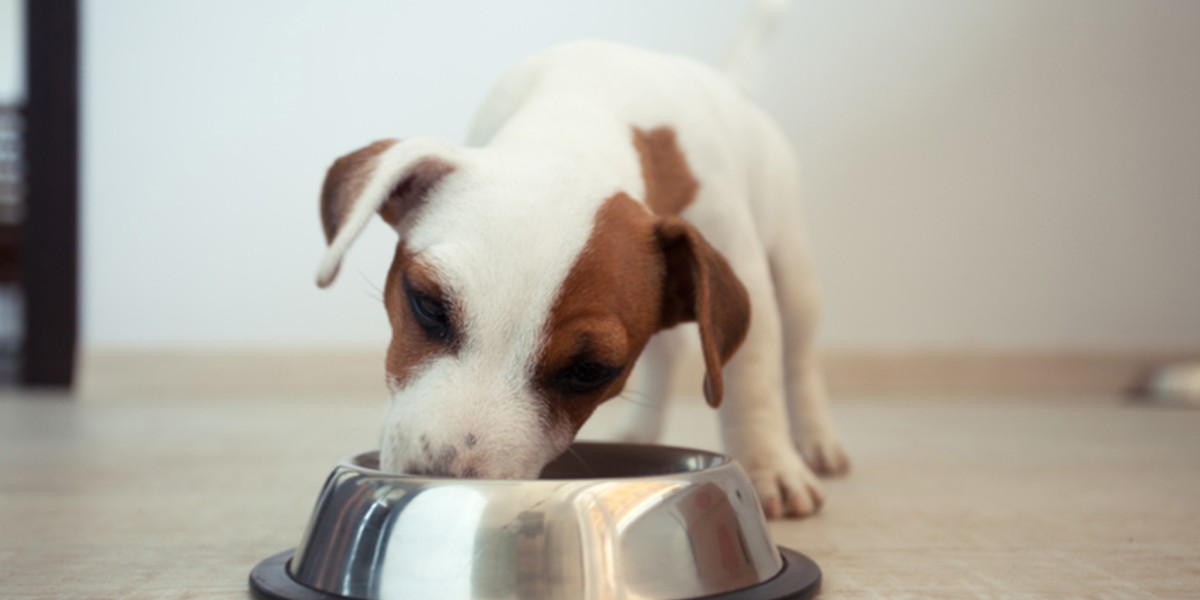
Watch your dog closely after adding brewers yeast. Look for signs like itching, upset stomach, or changes in behavior. Stop using it if your dog shows any negative reactions. If your dog stays healthy and happy, continue with the daily dose. Regular monitoring ensures safe and effective supplementation.
Credit: www.purina.com

Credit: www.amazon.com
Frequently Asked Questions
How Much Nutritional Brewer’s Yeast Is Safe For Dogs?
For most dogs, 1 teaspoon per 10 pounds of body weight daily is safe. Start with smaller amounts to monitor tolerance.
Can Brewer’s Yeast Cause Allergies In Dogs?
Yes, some dogs may develop allergies to brewer’s yeast. Watch for itching, redness, or digestive upset after feeding.
What Are The Benefits Of Brewer’s Yeast For Dogs?
Brewer’s yeast supports healthy skin, coat, and digestion. It is rich in B vitamins and minerals essential for dogs.
How Do I Introduce Brewer’s Yeast To My Dog’s Diet?
Add brewer’s yeast gradually to your dog’s food. Start with a small amount and increase over 1-2 weeks.
Conclusion
Brewers yeast can support your dog’s health in many ways. Start with small amounts to avoid tummy trouble. Watch your dog’s reaction and adjust the dose carefully. Always talk to your vet before adding new supplements. Balance and moderation keep your dog safe and happy.
Regular check-ups help track health improvements. Remember, every dog is different, so personalize the amount. Simple steps lead to better nutrition and well-being.


