

Have you ever picked up a bag of dog food and wondered what’s really inside? You want the best for your furry friend, but understanding the label can be confusing.
Does dog food have a nutrition facts panel like the one on your own groceries? Knowing this can help you make smarter choices and keep your pet healthy. Keep reading, and you’ll discover exactly what to look for on dog food packaging—and why it matters for your dog’s well-being.
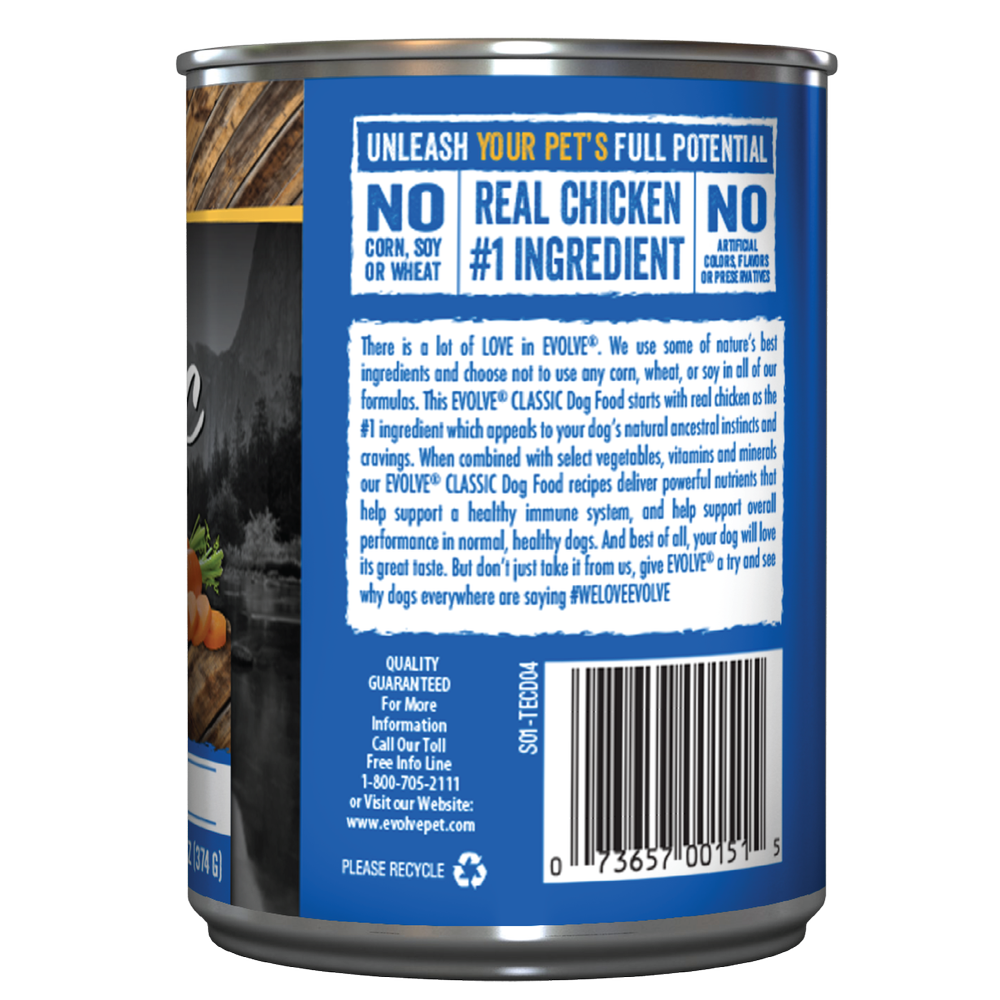
Credit: evolvepetfood.com
Nutrition Labels On Dog Food
Nutrition labels on dog food help pet owners understand what they feed their dogs. These labels provide important details about the food’s ingredients and nutrients. Knowing how to read them ensures your dog gets the right nutrition.
Dog food labels differ from human food labels but serve a similar purpose. They show essential facts that keep your dog healthy and happy. Let’s explore what you find on these labels.
What To Expect On Packaging
Dog food packages usually show the brand name and product type first. They list the main ingredients next. Expect to see guaranteed analysis, feeding guidelines, and nutrient profiles. These details help you choose food that fits your dog’s needs.
Mandatory Information
Labels must include the list of ingredients in order of weight. They show the minimum protein and fat percentages. Maximum moisture and fiber content appear too. The name and address of the manufacturer or distributor must be clear. Feeding instructions give daily portion recommendations.
Differences From Human Food Labels
Dog food labels do not have a Nutrition Facts Panel like human food. Instead, they have a Guaranteed Analysis. This shows the minimum or maximum levels of nutrients. Human labels list daily values and calories differently. Dog food labels focus on nutrients important for pets.
Key Nutrients Listed
Dog food labels include a nutrition facts panel that shows important nutrients. This panel helps pet owners understand what their dogs eat every day. It lists key nutrients that support a dog’s health and energy.
Proteins And Fats
Proteins are vital for muscle growth and repair. Dog food labels show the amount of protein in each serving. Fats provide energy and help absorb vitamins. They also keep a dog’s skin and coat healthy. The panel lists total fat and sometimes specific types of fat.
Vitamins And Minerals
Vitamins and minerals support many body functions. Commonly listed vitamins include A, D, and E. Minerals like calcium and phosphorus help build strong bones. These nutrients keep dogs active and healthy. The panel shows the percentage of daily needs met.
Caloric Content
The calorie count shows how much energy the food provides. It helps control a dog’s weight and activity level. The panel lists calories per serving or per cup. Knowing calories helps feed the right amount every day.
Regulations And Standards
Dog food packaging includes important information for pet owners. Regulations and standards ensure that this information is clear and reliable. These rules guide what details must appear on the label. They also protect pets’ health by setting quality benchmarks. Understanding these standards helps owners choose safe and nutritious food for their dogs.
Aafco Guidelines
The Association of American Feed Control Officials (AAFCO) sets pet food standards. They provide guidelines for nutrient levels and ingredient definitions. AAFCO ensures dog food labels show accurate nutrition facts. Their rules help manufacturers create balanced recipes. Pet owners rely on these guidelines for quality assurance.
Fda Requirements
The Food and Drug Administration (FDA) oversees pet food safety. They monitor ingredients to prevent harmful substances in dog food. The FDA requires truthful labeling to avoid misleading claims. This agency checks that manufacturers follow health standards. Their role is key to protecting dogs from unsafe products.
Labeling Compliance
Dog food labels must meet strict compliance rules. They include nutrient content, ingredient list, and feeding instructions. Labels also show manufacturer information and expiration dates. Compliance ensures transparency and helps pet owners make informed choices. Inspectors verify these labels to maintain trust in the pet food market.
How To Read Dog Food Labels
Reading dog food labels helps you choose the best nutrition for your pet. Labels provide important details about ingredients and nutrients. Understanding these details ensures your dog gets a healthy diet. Here are simple ways to read dog food labels effectively.
Interpreting Ingredients
Ingredients list shows what is inside the food. Items are listed by weight, from highest to lowest. Look for real meat or fish as the first ingredient. Avoid foods with many fillers like corn or wheat. Ingredients like “by-products” or “meal” can mean lower quality. Choose foods with clear, simple ingredient names.
Assessing Nutritional Adequacy
Check the label for a statement of nutritional adequacy. It shows if the food meets the standards for your dog’s life stage. Look for phrases like “complete and balanced.” This means the food has all necessary nutrients. Also, check the guaranteed analysis for protein, fat, and fiber. These numbers indicate the food’s nutritional value.
Spotting Marketing Terms
Terms like “natural,” “premium,” or “gourmet” do not guarantee quality. These words can be marketing tactics to attract buyers. Focus on the ingredients and nutritional information instead. Avoid getting fooled by flashy labels or pictures. Trust facts over fancy words for your dog’s health.
Common Misconceptions
Many pet owners have wrong ideas about dog food labels. These common misconceptions can cause confusion. Knowing the facts helps you choose better food for your dog. Here are some common misunderstandings about dog food nutrition facts panels.
Confusing Human And Pet Food Labels
Dog food labels look like human food labels, but they are not the same. Human foods list calories, fat, and sugar clearly. Dog food labels focus on nutrients important for pets. Ingredients might be listed differently too. Expect differences in format and details.
Assuming All Labels Are Accurate
Not all dog food labels are fully accurate. Some brands may exaggerate claims. Nutrient amounts can vary batch to batch. Dog food is regulated, but errors happen. Check for reputable brands with good reviews. Use labels as a guide, not a guarantee.
Overlooking Expiration Dates
Many ignore expiration dates on dog food packages. Old food loses nutrients and tastes bad. Feeding expired food can upset your dog’s stomach. Always check the date before buying or feeding. Fresh food ensures your pet gets proper nutrition.

Credit: americannaturalpremium.com
Choosing The Right Dog Food
Choosing the right dog food is important for your pet’s health. Dogs have different needs based on age, size, and activity. Picking the best food helps keep them strong and happy. It also prevents health problems and supports their energy levels.
Matching Food To Dog’s Needs
Each dog needs specific nutrients. Puppies need more protein for growth. Older dogs need fewer calories but more vitamins. Active dogs burn more energy and need food that fuels them. Check the nutrition facts panel on dog food labels. It shows if the food matches your dog’s needs.
Consulting Veterinarians
Veterinarians know the best diets for dogs. They can suggest food based on health issues. Some dogs may need special diets for allergies or weight control. Ask your vet before changing your dog’s food. Their advice helps avoid health problems and keeps your dog healthy.
Considering Special Diets
Some dogs need special diets for health reasons. These include grain-free, low-fat, or hypoallergenic foods. Special diets help dogs with allergies or sensitive stomachs. Read the nutrition facts panel to check ingredients. Choose food that supports your dog’s condition and lifestyle.

Credit: discovernutrisource.com
Frequently Asked Questions
Does Dog Food Have A Nutrition Facts Panel?
Yes, many dog foods include a nutrition facts panel. It shows essential nutrients like protein, fat, fiber, and vitamins. This helps pet owners understand the food’s nutritional value and compare products easily. It ensures your dog gets a balanced diet.
What Information Is On A Dog Food Label?
A dog food label displays ingredients, guaranteed analysis, feeding guidelines, and nutritional adequacy statements. It helps owners select the right food for their pet’s needs. Labels often include calories, moisture content, and nutrient percentages for transparency.
Why Is A Nutrition Facts Panel Important For Dog Food?
The nutrition facts panel ensures your dog’s diet meets health requirements. It guides portion control and nutrient balance. This panel helps prevent nutritional deficiencies and supports your dog’s overall well-being.
Are All Dog Foods Required To Have Nutrition Panels?
Not all dog foods legally require nutrition panels, but most reputable brands include them. Panels build trust and comply with pet food regulations. Homemade or raw diets may lack these details.
Conclusion
Dog food often has a nutrition facts panel to help pet owners. This panel shows key information like calories, protein, and fat. Reading it helps choose the right food for your dog’s needs. It also reveals ingredients and nutrients your dog gets daily.
Always check these details to keep your pet healthy and strong. Understanding the nutrition facts makes feeding easier and safer. So, next time you buy dog food, look at the panel carefully. It guides you to make smart choices for your furry friend.


