

Have you ever wished your dog could tell you exactly what they want? Imagine the joy of having clear conversations with your furry friend.
Training a dog to “talk” might sound impossible, but with the right approach, you can unlock amazing communication between you and your pet. You’ll discover simple, proven steps to help your dog express themselves in ways you never thought possible.
Ready to strengthen your bond and understand your dog like never before? Keep reading—your dog’s voice is closer than you think.
Basics Of Dog Communication
Dogs communicate in ways beyond just barking. Understanding their signals helps build a strong bond. This knowledge is key to training a dog to “talk” back. It all starts with learning the basics of how dogs express themselves.
Dogs use sounds and body language to share feelings and needs. Recognizing these signs makes training easier and more effective. Let’s explore the two main areas of dog communication.
Understanding Canine Sounds
Dogs use many sounds to express themselves. Barking can mean excitement, warning, or a call for attention. Whining often shows stress or a desire for something. Growling may signal discomfort or a warning. Each sound carries a clear message. Learning these helps you respond correctly to your dog.
Pay close attention to the pitch and length of sounds. A short bark is different from a long howl. Dogs also mix sounds to explain more complex feelings. Listening carefully is the first step to training your dog to “talk.”
Reading Body Language
Dogs speak with their bodies as much as with their voices. Tail wagging can mean happiness or nervousness, depending on the speed. Raised hackles show fear or aggression. Relaxed ears and soft eyes mean calmness and trust. Understanding these signs helps you know your dog’s mood.
Posture tells a lot too. A dog standing tall may feel confident. A crouched dog might be scared or submissive. Watch their movements and expressions to understand their feelings better. This skill is vital for teaching your dog to communicate clearly with you.
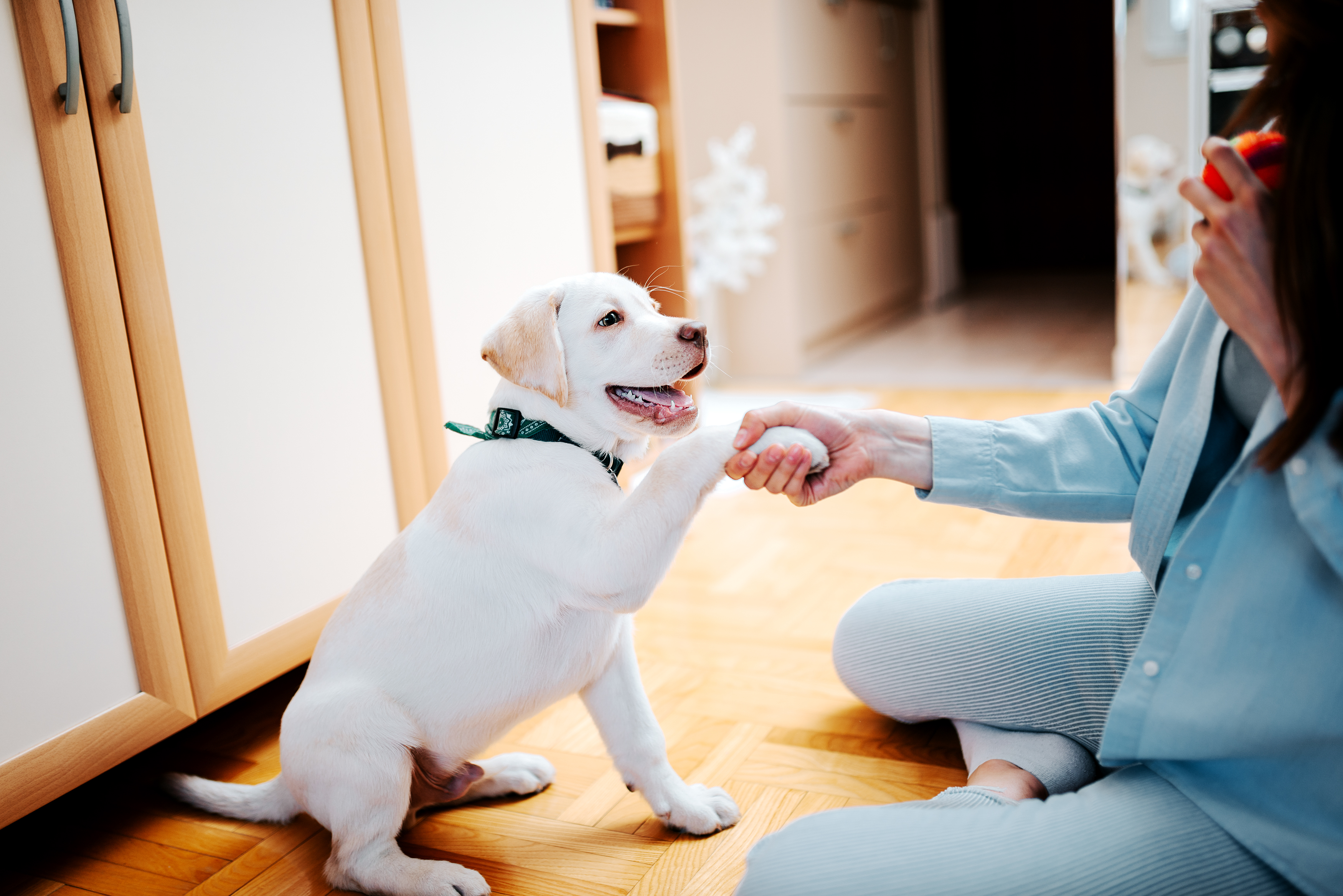
Credit: www.newsweek.com
Choosing The Right Training Method
Choosing the right training method is key to teaching your dog to talk. Each dog learns differently. Picking the best approach helps your dog understand and respond faster. Training should be clear, fun, and consistent. This section covers three popular methods to guide your training journey.
Clicker Training
Clicker training uses a small device that makes a clicking sound. The click marks the exact moment your dog does the right action. You then give a treat as a reward. This method helps your dog connect sounds with behaviors quickly. It works well for teaching new words or sounds. Dogs enjoy the clear signals and rewards. Clicker training keeps lessons short and positive.
Positive Reinforcement
Positive reinforcement means rewarding good behavior to encourage it. Treats, praise, or playtime can be rewards. This method makes your dog want to repeat the action. It builds trust and strengthens your bond. Avoid punishment or harsh corrections. Keep training sessions happy and stress-free. Positive reinforcement suits all dog breeds and ages. It helps your dog learn to talk in a gentle way.
Using Voice Commands
Voice commands use clear, simple words to guide your dog. Speak slowly and use the same words each time. Your dog learns to link sounds with actions or responses. Combining voice commands with hand signals boosts understanding. Repeat commands often with patience. Voice commands help your dog focus on your instructions. This method is easy to use anywhere and anytime.
Teaching Simple Words
Teaching your dog simple words is the first step to help them communicate. Start with easy, clear words. Dogs learn best through repetition and positive feelings. Keep sessions short and fun. This helps your dog stay interested and ready to learn more.
Starting With Basic Commands
Begin with common commands like “sit,” “stay,” and “come.” These words are simple and useful. Use a calm, clear voice each time. Show your dog what you want with hand signals. Repeat the word and action many times. Praise and reward your dog when they follow the command. This builds a strong connection between the word and the action.
Associating Words With Actions
Help your dog link words to specific actions. For example, say “ball” while holding or showing the ball. Let your dog touch or play with it. Use the word often during playtime. This makes the word more meaningful. Practice daily to strengthen the bond. Your dog will start to understand the word means the object or action.
Encouraging Vocalization
Encouraging your dog to vocalize is a key step in teaching it to talk. Dogs naturally use sounds to communicate. Training helps them use those sounds on command. Patience and consistency make a big difference. You want your dog to associate sounds with positive experiences. This builds confidence and interest in talking.
Prompting Barking On Command
Start by choosing a clear command like “Speak.” Use a happy tone to catch your dog’s attention. Show something exciting, like a toy or treat, to encourage barking. When your dog barks, say the command and praise immediately. Repeat this often to link the word with the action. Keep sessions short to avoid stress. With time, your dog will bark when asked.
Rewarding Attempts To Talk
Every sound your dog makes toward talking deserves a reward. Treats, petting, or kind words work well. Reward even quiet or unusual sounds at first. This shows your dog that trying to talk is good. Gradually, reward only clearer or louder attempts. Consistent rewards motivate your dog to keep trying. Positive feedback creates a fun learning space.
Advanced Talking Techniques
Advanced talking techniques help dogs communicate better. These methods go beyond simple commands. They teach dogs to express ideas and feelings. Training takes time and patience. It builds on basic talking skills. Using tools and clear goals makes learning easier for your dog.
Using Sound Boards And Buttons
Sound boards and buttons are popular tools. Each button has a word or phrase. Dogs learn to press buttons to “talk.” Start with a few buttons for simple words. For example, “play,” “food,” or “outside.”
Place buttons where your dog can reach them easily. Encourage your dog to press buttons by rewarding them. Praise and treats help dogs understand. Practice often and keep sessions short.
Over time, add more buttons with new words. This helps dogs build a bigger vocabulary. They start to use buttons to ask for things. Sound boards can make dog communication clearer.
Training For Specific Words
Training dogs for specific words improves their talking skills. Choose important words your dog uses often. Examples include “walk,” “toy,” or “bath.”
Say the word clearly while showing the object. Let your dog touch or see it. Repeat the word every time your dog interacts with it. Reward your dog for trying to say the word.
Use the word in different situations to strengthen learning. For example, say “walk” before going outside. This helps dogs connect words with actions. Practice regularly to make the words stick.
Common Challenges And Solutions
Training a dog to talk is exciting but not without problems. Many dog owners face common challenges during this process. Understanding these challenges helps find practical solutions. It makes training easier and more fun for both of you.
Dealing With Lack Of Interest
Some dogs may not show interest in talking training. This can slow progress and cause frustration. Try using favorite treats or toys as rewards. Keep sessions short, no more than 5 to 10 minutes. Change the training location to keep your dog curious. Use a happy, encouraging tone to grab attention. Be patient and consistent. Interest usually grows with time and positive feedback.
Managing Overexcitement
Dogs can get too excited and lose focus during training. This makes learning difficult. Start each session with calming exercises like gentle petting or quiet commands. Use a calm voice and slow movements. Give your dog breaks if they get too hyper. Reward calm behavior more than excitement. Over time, your dog will learn to stay calm and focused during training.
Maintaining Progress
Maintaining progress is key to helping your dog keep learning to talk. Consistency and fun keep your dog interested and eager to practice. Practice every day to make talking a habit. Mixing up activities stops training from feeling boring.
Regular Practice Routines
Set a specific time each day for training. Short sessions work best, about 5 to 10 minutes. Repeat the same words and sounds often. This helps your dog remember what to say. Use clear commands and praise your dog when it tries to talk. Keep the environment calm and free of distractions. Regular practice builds strong habits over time.
Keeping Training Fun And Engaging
Use toys and treats to make training exciting. Change the games to keep your dog curious. Celebrate small wins with happy voices and petting. Play simple sound games to encourage talking. Avoid pressure or punishment during training. A happy dog learns better and faster. Keep training a fun time you both enjoy.

Credit: apps.apple.com

Credit: www.amazon.ae
Frequently Asked Questions
How Can I Teach My Dog To Talk?
You can train your dog to use sound buttons or specific barks to communicate. Consistency and positive reinforcement are key. Start with simple words like “play” or “food” and reward your dog for correct usage.
What Tools Help Dogs Learn To Talk?
Soundboards, voice recorders, and interactive buttons are effective tools. These devices allow dogs to associate sounds with actions. Using these regularly improves their understanding and ability to communicate.
How Long Does It Take To Train A Talking Dog?
Training time varies but usually takes several weeks to months. Patience and daily practice are essential. Gradually increase complexity as your dog masters basic communication.
Can All Dog Breeds Learn To Talk?
Most breeds can learn basic communication with training. Intelligence and temperament influence learning speed. Consistent training tailored to your dog’s needs yields the best results.
Conclusion
Training a dog to talk takes time and patience. Start with simple words and use clear commands. Reward your dog often to keep them motivated. Practice daily for the best results. Remember, every dog learns at its own pace. Enjoy the process and celebrate small wins.
Talking dogs are more than fun—they build strong bonds. Keep training consistent and gentle. Your dog will surprise you with progress. Stay calm and positive throughout the journey. Talking with your dog can become a special way to connect.


