

Are you curious about which dog breeds are known to be the most vicious? Whether you’re thinking about bringing a dog into your home or simply want to stay safe around unfamiliar dogs, knowing which breeds have a reputation for aggression can be crucial.
This isn’t just about fear—it’s about understanding behavior and making smart choices for you and your family. Keep reading to discover the facts that could protect you and help you make informed decisions about dogs.
Credit: www.scala-santa.com
Traits Of Fierce Dog Breeds
Fierce dog breeds often have unique traits that set them apart from other dogs. These traits can make them strong protectors but also challenging pets. Understanding these traits helps owners handle them better. It also shows why some breeds seem more aggressive or tough.
Aggression Factors
Aggression in fierce dog breeds can come from many causes. Genetics play a role in their natural behavior. Fear or feeling threatened often triggers aggression. Poor training or lack of socialization can increase aggressive acts. Sometimes, pain or illness causes a dog to act out. Knowing these factors helps manage a dog’s behavior.
Protective Instincts
Many fierce breeds have strong protective instincts. They guard their family and territory without hesitation. This trait makes them loyal and reliable. They watch for danger and respond quickly. Protective instincts can sometimes be mistaken for aggression. Training helps these dogs use their instincts properly.
Common Behavioral Patterns
Fierce dog breeds show some common behaviors. They may be alert and wary of strangers. These dogs often have high energy and need exercise. They tend to be confident and bold in new situations. Some may bark loudly or growl to warn others. Understanding these patterns aids in better care and training.
Top Fierce Dog Breeds
Some dog breeds have strong reputations for being fierce. These dogs often show great strength and protectiveness. Their powerful nature can be both a benefit and a challenge. Understanding these breeds helps owners manage them well.
Here are some of the top fierce dog breeds known for their bold behavior and loyalty.
Pit Bull Terrier
Pit Bulls are muscular and brave. They have a strong bite and high energy. These dogs are very loyal to their families. Training and socializing them early is very important. They can be gentle with the right care.
Rottweiler
Rottweilers are large and powerful dogs. They are natural protectors and very confident. This breed needs firm and consistent training. They bond closely with their owners. Without guidance, they may become aggressive.
Doberman Pinscher
Dobermans are fast and alert. They are excellent guard dogs with sharp instincts. This breed is intelligent and easy to train. They need plenty of exercise and mental challenges. Dobermans are both fierce and loyal.
German Shepherd
German Shepherds are smart and strong. They work well as police and service dogs. Their protective nature makes them wary of strangers. Early socialization helps them stay calm. This breed is brave but very trainable.
Chow Chow
Chow Chows have a strong will and independent mind. They are known for being protective and reserved. This breed can be stubborn and cautious. Socializing early helps reduce aggressive tendencies. They make loyal but watchful pets.
Breed History And Origins
Understanding the history and origins of dog breeds helps explain their behavior. Some breeds were created for specific tasks that needed strength and aggression. These traits shaped their nature over time. Knowing this background gives insight into why some dogs act fiercely.
Breed history shows how roles and needs changed through years. Temperament evolved as dogs adapted to different duties. This helps us see why certain breeds have strong protective instincts or high energy levels.
Purpose Of Breeding
Many breeds were developed for guarding, hunting, or fighting. Humans chose dogs for traits like bravery and toughness. These qualities helped dogs complete dangerous jobs. Some breeds were meant to protect property and families. Others tracked or hunted wild animals. Breeding focused on strength and alertness.
Historical Roles
Dogs played key roles in human survival and safety. Some breeds guarded homes and livestock from predators. Others worked alongside hunters to catch prey. In battles, dogs served as protectors and weapons. These roles demanded strong, fearless dogs. The history of these jobs explains why some breeds are more aggressive.
Evolution Of Temperament
Temperament changes as breeds adapt to new environments. Some dogs became calmer with training and care. Others kept strong guarding instincts to stay alert. Socialization also affects how dogs behave today. Temperament depends on both breeding and experience. Understanding this helps manage their natural tendencies better.

Credit: www.lilawyer.com
Impact Of Training And Environment
Training and environment shape a dog’s behavior more than breed alone. Even breeds labeled as vicious can become calm and friendly with proper care. The right guidance helps dogs control their instincts and respond well to people.
A dog raised in a loving, structured home learns trust and respect. Without good training, fear or aggression may grow. This shows why environment and training matter most for all dogs.
Socialization Importance
Introducing dogs to people and other animals early is key. Socialization reduces fear and helps dogs feel safe. It teaches dogs how to act in different situations. Dogs that lack socialization may react with aggression.
Socializing puppies in many places makes them confident adults. Exposure to sounds, sights, and friendly interaction improves their behavior. Early socialization helps prevent biting and fear issues.
Training Techniques
Positive training methods work best for all dogs. Rewarding good behavior encourages dogs to repeat it. Harsh punishment can make dogs fearful or aggressive. Consistency in training builds clear communication between dog and owner.
Basic commands like sit, stay, and come improve control. Training should start young and continue often. Using treats and praise creates a strong bond and trust.
Owner Responsibility
Owners must understand their dog’s needs and personality. Providing exercise and mental stimulation reduces frustration and bad behavior. Owners should watch for signs of stress or fear in dogs.
Proper care means setting rules and boundaries. Neglect or abuse can lead to aggression. Responsible owners seek help from trainers or vets when needed. Taking these steps ensures safer, happier dogs and communities.
Safety Tips Around Fierce Breeds
Safety around fierce dog breeds requires awareness and care. These dogs can show strong behaviors that may surprise many. Understanding how to act keeps everyone safe. Simple steps help reduce risks and protect both dogs and people.
Recognizing Warning Signs
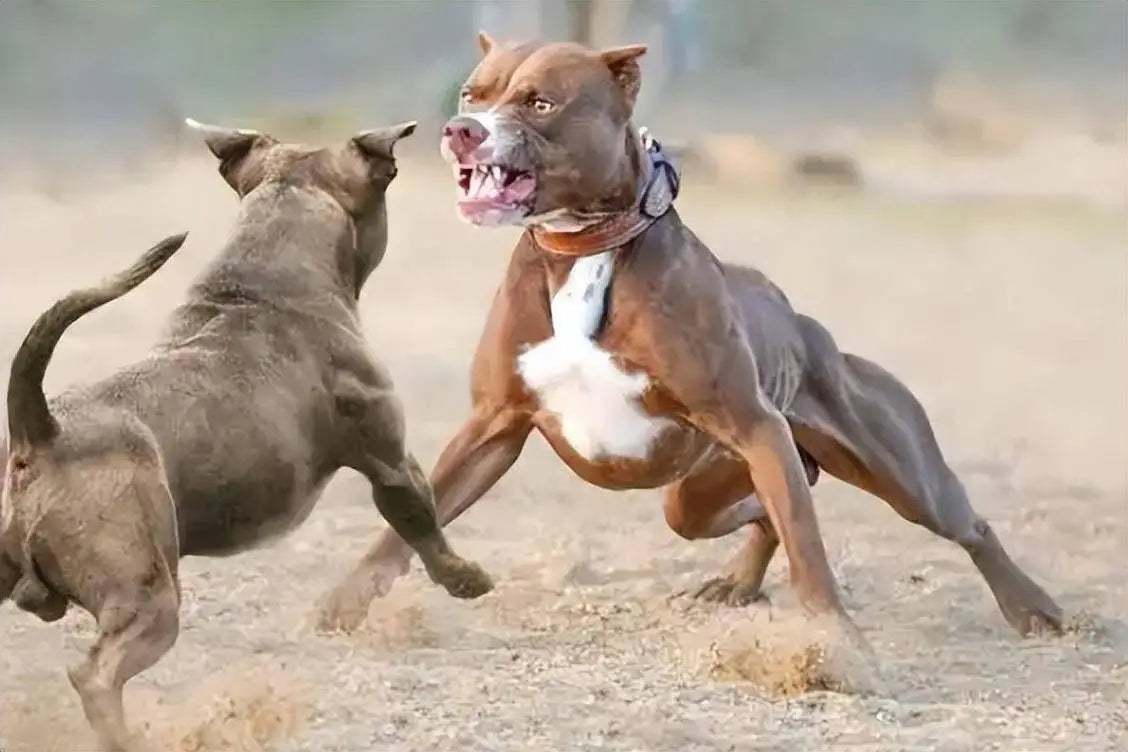
Fierce dogs often show signs before they act. Watch for growling, baring teeth, or stiff body posture. Ears pinned back and raised hackles also signal danger. Avoid eye contact and sudden moves near these dogs. Early recognition helps prevent trouble.
Handling Aggressive Behavior
Stay calm if a dog acts aggressive. Do not yell or run away. Stand still and avoid sudden gestures. Speak softly to soothe the dog’s nerves. Slowly back away without turning your back. Use objects like a bag to keep distance if needed.
Preventing Dog Attacks
Keep fierce dogs on leashes and controlled. Teach children not to approach strange dogs. Avoid disturbing dogs when eating or sleeping. Respect their space and body language always. Training and socializing dogs reduce aggressive actions greatly.
Legal And Ethical Considerations
Legal and ethical issues play a big role in owning certain dog breeds. Some breeds face strict rules due to their history or behavior. Owners must understand laws and act responsibly. This protects both the dogs and the community.
Breed-specific Legislation
Breed-Specific Legislation (BSL) targets certain breeds seen as dangerous. These laws can ban or limit owning these dogs. They aim to reduce attacks and injuries. Critics say BSL punishes dogs unfairly. Laws vary by city or country. Knowing local rules is key for owners.
Ethical Ownership
Owning a strong breed means more responsibility. Training and socializing dogs early is crucial. Owners must control their pets in public spaces. Neglect or abuse can cause aggressive behavior. Ethical care helps dogs behave well and stay safe. Respect for the dog’s needs builds trust and good behavior.
Community Awareness
Communities need to understand dog breeds better. Education about dog body language can prevent bites. People should learn how to behave around dogs. Reporting aggressive behavior helps keep neighborhoods safe. Awareness programs reduce fear and promote harmony. Everyone shares the duty to keep dogs and people safe.

Credit: curtislegalgroup.com
Frequently Asked Questions
What Defines A Dog Breed As Vicious?
A dog breed is considered vicious based on its aggression tendencies. This includes behavior, history, and bite statistics. Proper training and socialization can influence a dog’s temperament significantly.
Which Dog Breeds Are Most Commonly Labeled Vicious?
Breeds like Pit Bulls, Rottweilers, and Doberman Pinschers are often labeled vicious. This is due to their strength and protective instincts. However, individual behavior varies widely within these breeds.
Are Vicious Dog Breeds Dangerous As Pets?
Vicious breeds can be dangerous without proper training and care. Responsible ownership, socialization, and environment play critical roles in pet safety. Many so-called vicious breeds are gentle with proper guidance.
How Can Owners Manage Aggressive Dog Breeds Effectively?
Owners should provide consistent training, early socialization, and regular exercise. Positive reinforcement helps manage aggression. Consulting professionals or trainers is crucial for handling potentially aggressive breeds safely.
Conclusion
Some dog breeds may show more aggression than others. But behavior depends on training and care. Responsible owners help dogs stay calm and friendly. Understanding breeds helps keep everyone safe. Always respect dogs and their needs. Choose a dog that fits your lifestyle.
Treat dogs with kindness and patience. Safety starts with knowledge and love.


