
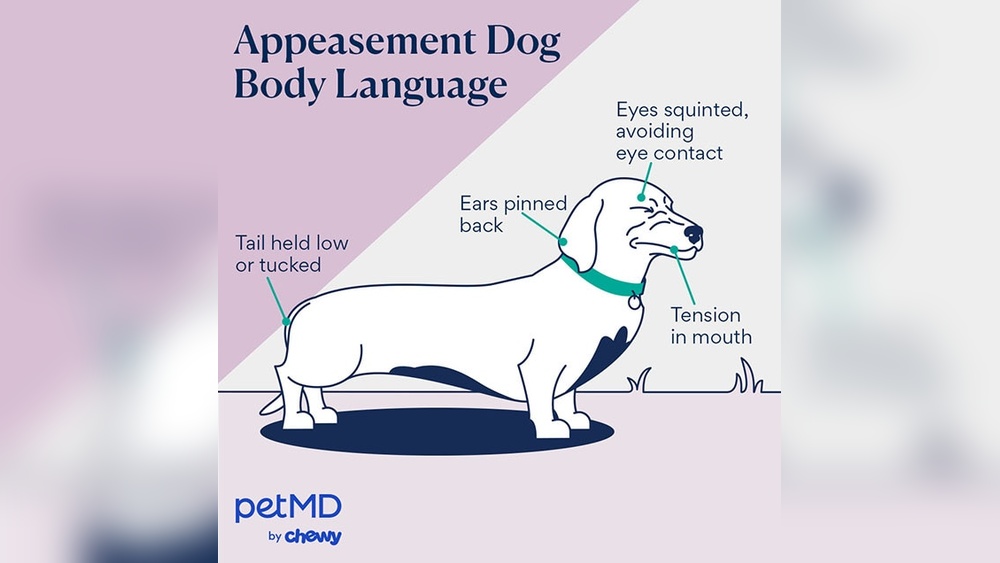
Have you ever noticed your dog lowering its head, avoiding eye contact, or licking its lips when you look at them? These actions might seem small, but they carry a powerful message called appeasement behavior.
Understanding these signals can transform the way you connect with your furry friend. If you want to deepen your bond and communicate more clearly with your dog, learning about appeasement behavior is a must. Keep reading to discover what these subtle signs mean and how they impact your relationship.
Calm Signals In Dogs
Calm signals in dogs are gentle behaviors dogs use to avoid fights. These signals help dogs stay peaceful and show they mean no harm. Dogs use calm signals to communicate with other dogs and people. Understanding these signals helps us read a dog’s feelings better.
Types Of Calm Signals
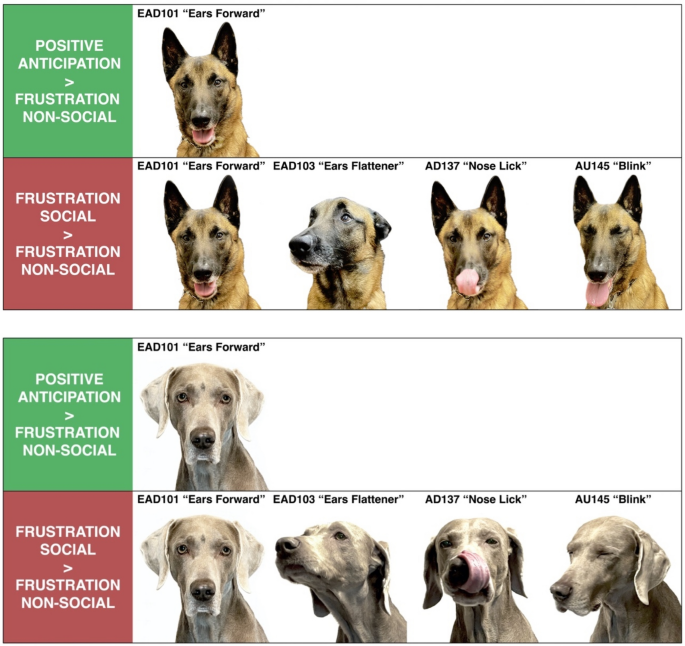
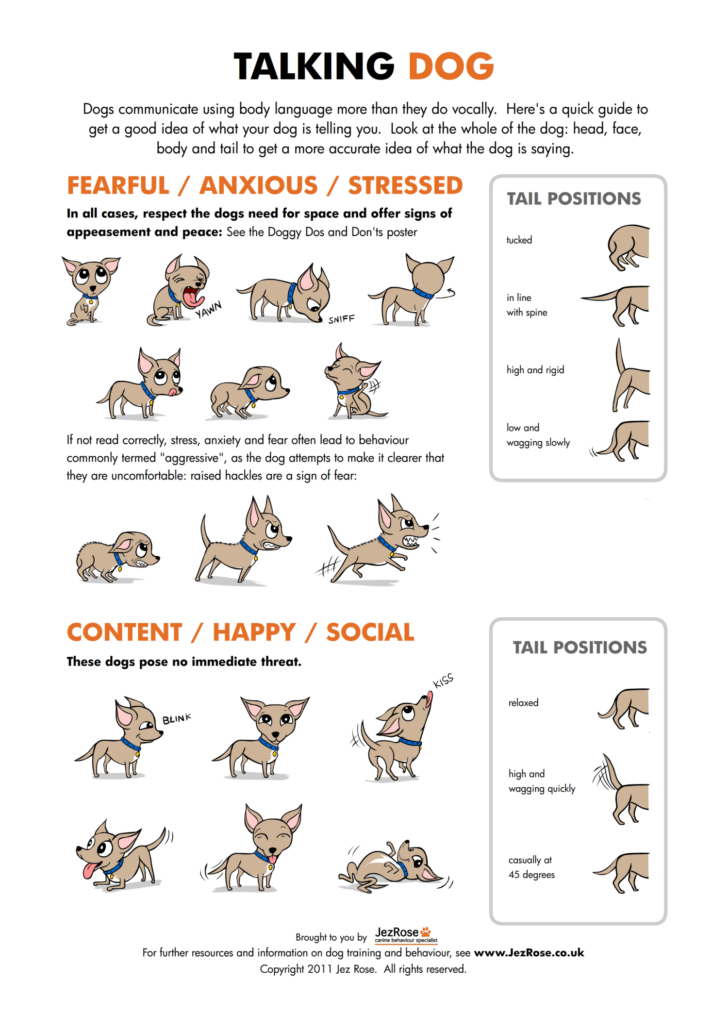
Dogs use many calm signals. Yawning is one. It shows the dog feels stressed or wants to calm down. Another is licking lips. This means the dog is nervous or trying to soothe itself. Turning the head away is common. It tells others, “I do not want trouble.” Slow blinking means the dog feels safe and relaxed.
How Dogs Use Calm Signals
Dogs use calm signals to keep peace in tricky moments. If they meet a strange dog, they may yawn or look away to avoid fights. When a dog feels unsure, licking lips helps calm itself and others. Dogs also use calm signals to stop play if it gets too rough. These signals help dogs stay friends and avoid stress.
Recognizing Subtle Signals
Some calm signals are very soft. Slight head turns or tiny lip licks can be easy to miss. Watch a dog’s whole body to understand better. Tail position and ear movements give clues. Calm signals often happen quickly. Paying close attention helps you see these quiet messages. Recognizing them helps you respond kindly to a dog’s needs.

Credit: www.sciencedirect.com
Reasons For Appeasement Behavior
Dogs use appeasement behavior for several important reasons. This behavior helps them stay calm and safe in different situations. Understanding why dogs show these signals can help owners read their pets better. It also improves communication between dogs and people.
Avoiding Conflict
Dogs show appeasement to avoid fights or trouble. They use soft body language to show they are not a threat. This helps stop aggressive actions from other dogs or people. It keeps peace and reduces the chance of harm.
Building Social Bonds
Appeasement helps dogs make friends and stay part of the group. Friendly signals show respect and kindness to other dogs. This behavior creates trust and stronger social connections. Dogs use it to feel safe with others around them.
Reducing Stress
When dogs feel nervous or scared, they use appeasement signals. These actions help lower their stress and calm their minds. It also tells others they want peace and are not dangerous. This helps dogs feel better in tense moments.
Common Appeasement Traits
Dogs use appeasement behaviors to show they mean no harm. These signals help calm situations and avoid fights. Understanding these traits can improve how you read your dog’s feelings. Watch closely for subtle signs. They tell a clear story of peace and respect.
Body Language Indicators
Body language is the first sign of appeasement. Dogs may lower their bodies or crouch. A tail tucked between the legs means submission. Some dogs roll onto their backs to show trust. Slow movements or turning away shows they avoid conflict.
Vocal Cues
Sounds also play a role in appeasement. Soft whining or low whimpering signals discomfort. Gentle barking or quiet growling means the dog wants to be calm. These noises ask for peace, not aggression. Loud or harsh sounds show different emotions.
Facial Expressions
Facial signs tell a lot about a dog’s mood. Avoiding eye contact is common. Dogs may lick their lips or yawn to calm themselves. Raised eyebrows and relaxed mouths suggest they feel safe. Tight lips or staring can mean stress, not peace.
Interpreting Dog Interactions
Dogs communicate a lot through their body language. Understanding their interactions helps us see what they feel. Appeasement behavior is one way dogs show they want peace. These signals help avoid fights and keep play friendly. Recognizing these signs improves how dogs get along with others.
Appeasement In Play
During play, dogs often use soft signals. They may lower their body or wag their tail gently. These signs say, “I mean no harm.” Play bows are common. The dog bends front legs while standing on back legs. This invites fun and shows friendly intent. It helps keep play safe and happy.
Conflict Prevention
Appeasement signals stop fights before they start. Dogs may lick their lips or turn their head away. These actions show respect and calm. They tell others, “I do not want trouble.” Yawning and slow blinking also work this way. Such signs help dogs share space peacefully.
Responding To Threats
When dogs feel threatened, appeasement can calm the situation. They might lower their body and avoid eye contact. This shows they are not a danger. Sometimes, they walk away to keep peace. These behaviors reduce tension and prevent fights.
Training And Encouraging Calmness
Training and encouraging calmness in dogs is key for healthy behavior. Calm dogs feel safer and respond better to commands. This helps reduce stress for both the dog and owner.
Teaching calmness takes patience and consistency. It involves recognizing when your dog shows peaceful signs and rewarding them. Creating a calm space also supports relaxation and better behavior.
Reinforcing Peaceful Behavior
Notice when your dog stays calm during a situation. Praise gently with soft words or treats. This shows your dog that calmness is good.
Avoid rewarding anxious or aggressive acts. Wait for quiet moments to give attention. Calmness grows stronger with positive feedback.
Managing Anxiety And Aggression
Watch for signs of anxiety or anger, like barking or pacing. Use a calm voice to soothe your dog. Avoid yelling or sudden moves.
Give your dog a safe place to relax. Teach simple commands like “sit” or “stay” to focus their mind. Calm training helps reduce stress and prevents outbursts.
Creating A Calm Environment
Keep your dog’s area quiet and free from loud noises. Soft lighting and comfortable bedding help your dog relax.
Regular walks and playtime burn off energy and reduce anxiety. A calm environment supports training and helps build good habits.
Credit: www.nature.com
Benefits Of Appeasement Behavior
Appeasement behavior in dogs offers many benefits. It helps dogs live peacefully with humans and other animals. This behavior reduces stress and builds trust. Understanding it can improve your relationship with your dog.
Strengthening Human-dog Bond
Appeasement signals show your dog trusts you. These behaviors help your dog feel safe and calm. Responding kindly to these signals deepens your connection. Your dog learns you understand their feelings. This trust builds a strong bond over time.
Improving Dog Social Skills
Appeasement behavior teaches dogs how to behave around others. It helps dogs avoid fights and conflicts. Dogs use these signals to communicate respect and peace. This skill is important during play and group walks. Better social skills make dogs happier and more relaxed.
Enhancing Overall Well-being
Using appeasement behavior lowers your dog’s stress levels. Calm dogs are healthier and more confident. These behaviors help dogs cope with new situations. Less stress means fewer health problems. Appeasement supports your dog’s mental and physical health.
Credit: www.blueridgehumane.org
Frequently Asked Questions
What Is Appeasement Behavior In Dogs?
Appeasement behavior in dogs is a way they show submission and avoid conflict. It includes actions like lowering the body, licking lips, or avoiding eye contact. This behavior helps maintain peace and signals that the dog means no harm.
Why Do Dogs Display Appeasement Behavior?
Dogs use appeasement behavior to prevent fights and reduce tension. It’s their natural way to communicate friendliness or submission to other dogs and humans. This helps build trust and ensures social harmony within their environment.
How Can I Recognize Appeasement Signals In My Dog?
Look for signs like avoiding direct eye contact, yawning, lip licking, crouching, or turning away. These subtle cues indicate your dog is trying to calm a situation or show respect. Recognizing these helps improve your bond and communication.
Does Appeasement Behavior Mean My Dog Is Scared?
Not always. While appeasement can indicate fear, it often shows respect or a desire to avoid conflict. Context matters; observe your dog’s overall body language to understand their true feelings accurately.
Conclusion
Dogs use appeasement behavior to show they mean no harm. This helps keep peace and avoid fights. Understanding these signals makes it easier to read your dog’s feelings. You can build trust and stronger bonds by noticing these signs. Pay attention to body language like lowering heads or turning away.
These small actions speak loud messages. Respecting your dog’s calm signals helps both of you live happily together. Keep learning about your dog’s ways to care for them better every day.


