

If you want to understand your dog better and build a stronger bond, knowing their behavior is key. But where do you start?
Dog behavior books can give you clear answers and practical tips. Whether your dog is acting out, or you just want to communicate more effectively, these books hold the secrets to making life with your furry friend easier and more joyful.
Keep reading, and you’ll discover how the right knowledge can transform your relationship with your dog.
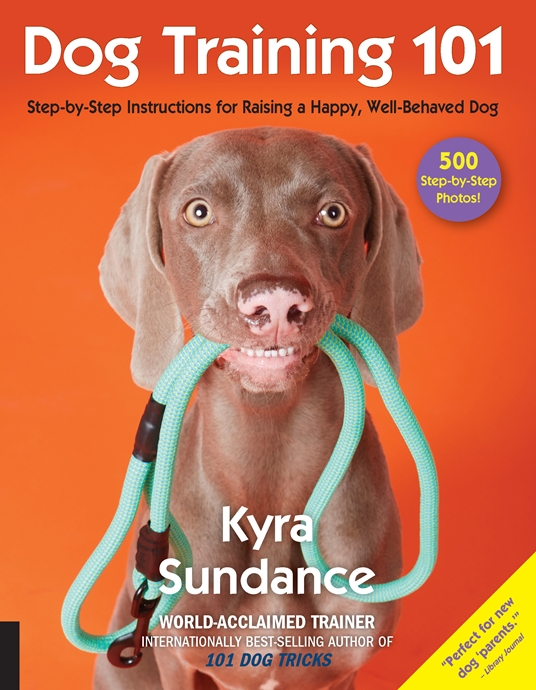
Credit: www.quarto.com
Choosing The Right Dog Behavior Book
Choosing the right dog behavior book can shape your relationship with your pet. Not all books fit every dog owner. Some focus on basic care and training. Others dive deep into complex behavior issues. Picking the right one saves time and frustration. It helps you understand your dog better. Here are some types of books to consider based on your needs.
Books For New Dog Owners
New dog owners need simple and clear advice. Books in this category explain dog behavior basics. They cover topics like house training, socialization, and commands. These books use easy words and step-by-step guides. They build confidence for first-time dog parents. Great for understanding your dog’s needs and feelings.
Advanced Guides For Experienced Handlers
Experienced handlers want books with detailed techniques. These guides explore complex behavior problems. They teach methods for training difficult dogs or specific breeds. They include case studies and scientific explanations. Perfect for trainers or those who want deeper knowledge. These books challenge your skills and expand your understanding.
Books By Certified Experts
Books written by certified dog behaviorists add trust and value. These authors have formal education and real experience. Their advice is based on science and tested methods. Readers get reliable solutions for common and rare behavior issues. Such books often include tips on dog psychology and training ethics. A smart choice for serious dog owners.
Common Dog Behaviors Explained
Understanding common dog behaviors helps build a stronger bond with your pet. Dogs communicate through actions, sounds, and habits. Learning these signals improves your ability to respond kindly and effectively. This section explains some common dog behaviors, so you can better understand your furry friend.
Body Language Signals
Dogs use their bodies to send messages. Tail wagging can show happiness or excitement. A tucked tail often means fear or stress. Ears held back may signal nervousness or submission. Raised hackles usually indicate alertness or aggression. Watching a dog’s body posture helps you read their mood quickly.
Vocalizations And Their Meanings
Barking varies by tone and length. Short, high-pitched barks often mean playfulness. Deep, loud barks can be a warning. Whining usually shows anxiety or need for attention. Growling signals discomfort or a desire to protect. Listening closely to sounds reveals what your dog tries to tell you.
Behavioral Patterns And Triggers
Dogs develop habits based on experiences and environment. Chewing may happen when a dog feels bored or anxious. Jumping up often seeks attention or excitement. Digging can be a natural instinct or stress relief. Recognizing triggers behind behaviors helps manage and guide your dog’s actions better.
Training Techniques From Top Authors
Training techniques from top authors offer clear guidance for dog owners. These experts share proven methods that help dogs learn fast and behave well. Their advice suits dogs of all ages and breeds. Reading their work can improve your training skills and deepen your bond with your dog.
Positive Reinforcement Methods
Top authors stress the power of positive reinforcement. Rewarding good behavior encourages dogs to repeat it. Treats, praise, and toys work well as rewards. This method avoids punishment and builds trust. Dogs learn faster when they feel safe and happy.
Correcting Unwanted Behaviors
Experts suggest gentle correction for bad behaviors. Clear commands and consistent rules guide dogs to better actions. Ignoring minor misbehavior can reduce attention-seeking acts. Interrupting harmful behavior quickly is important. Avoid harsh punishment to keep training positive and effective.
Building A Strong Owner-dog Bond
Top trainers highlight the bond as key to success. Spend quality time with your dog daily. Play, walk, and train together often. This builds trust and respect. A strong bond makes training easier and your dog happier.
Addressing Behavioral Problems
Behavioral problems in dogs can cause stress for both pets and owners. Books on dog behavior offer practical advice to handle these challenges effectively. These guides explain why dogs act a certain way and suggest easy steps to improve their behavior.
Understanding the root of the problem is the first step. Clear instructions help owners build better relationships with their dogs. Below are common issues and solutions found in dog behavior books.
Separation Anxiety Solutions
Separation anxiety happens when dogs feel scared alone. Books suggest creating a calm environment before leaving. Short absences help dogs get used to being alone. Using toys and treats can distract them. Training routines reduce stress over time.
Aggression Management
Aggression can appear as growling or biting. Behavior books teach how to spot early signs. Staying calm helps prevent fights. Positive reinforcement guides dogs to better reactions. Consistent rules and socialization reduce aggressive behavior.
Excessive Barking Remedies
Excessive barking can annoy neighbors and owners. Books explain triggers like boredom or fear. Training focuses on rewarding quiet behavior. Regular exercise and mental activities keep dogs calm. Clear commands teach when to stop barking.
Incorporating Expert Tips Into Daily Life
Expert tips from dog behavior books offer practical advice for daily life. Applying these tips helps create a happier, well-behaved dog. Consistency and understanding are key. Small changes in routine improve your dog’s mood and behavior quickly.
Routine And Consistency
Dogs thrive on routine. Feeding, walking, and playtime at the same hours create security. Consistent rules prevent confusion. Use the same commands each time. This helps dogs learn faster and obey better. A steady routine reduces anxiety and unwanted behavior.
Mental And Physical Stimulation
Dogs need both mental and physical exercise. Mental games like puzzle toys challenge their mind. Physical activities like walks and fetch keep them fit. Balance both for a healthy dog. Bored dogs may act out or become destructive. Regular playtime boosts happiness and focus.
Effective Communication Strategies
Clear communication builds trust. Use simple words and gestures your dog understands. Positive reinforcement encourages good behavior. Avoid harsh tones or punishment. Dogs respond well to praise and treats. Watch your dog’s body language to understand feelings. This strengthens your bond and improves training.

Credit: internationaldogtrainerschool.com
Recommended Dog Behavior Books List
Understanding dog behavior helps build a strong bond with your pet. Books on this topic offer valuable insights and practical tips. They guide owners to handle common challenges and improve their dogs’ lives. Here is a list of recommended dog behavior books to explore.
Classic Must-reads
Some books have stood the test of time. They provide clear advice and explain dog behavior well. “The Other End of the Leash” by Patricia McConnell is a favorite. It shows how humans and dogs communicate. “How to Speak Dog” by Stanley Coren helps readers understand dog body language. These classics remain helpful for all dog owners.
Recent Releases Worth Reading
New books bring fresh ideas and research. “Dog Sense” by John Bradshaw explains modern science about dogs. “The Canine Kingdom of Scent” by Anne Lill Kvam explores how dogs use their noses. These recent titles offer updated knowledge and useful tips for today’s dog parents.
Books For Specific Breeds Or Issues
Some books focus on certain breeds or problems. “Bulldogs For Dummies” covers breed traits and care. “The Cautious Canine” helps with fear and anxiety in dogs. These specialized books target particular needs and challenges. They provide focused advice for better care and training.
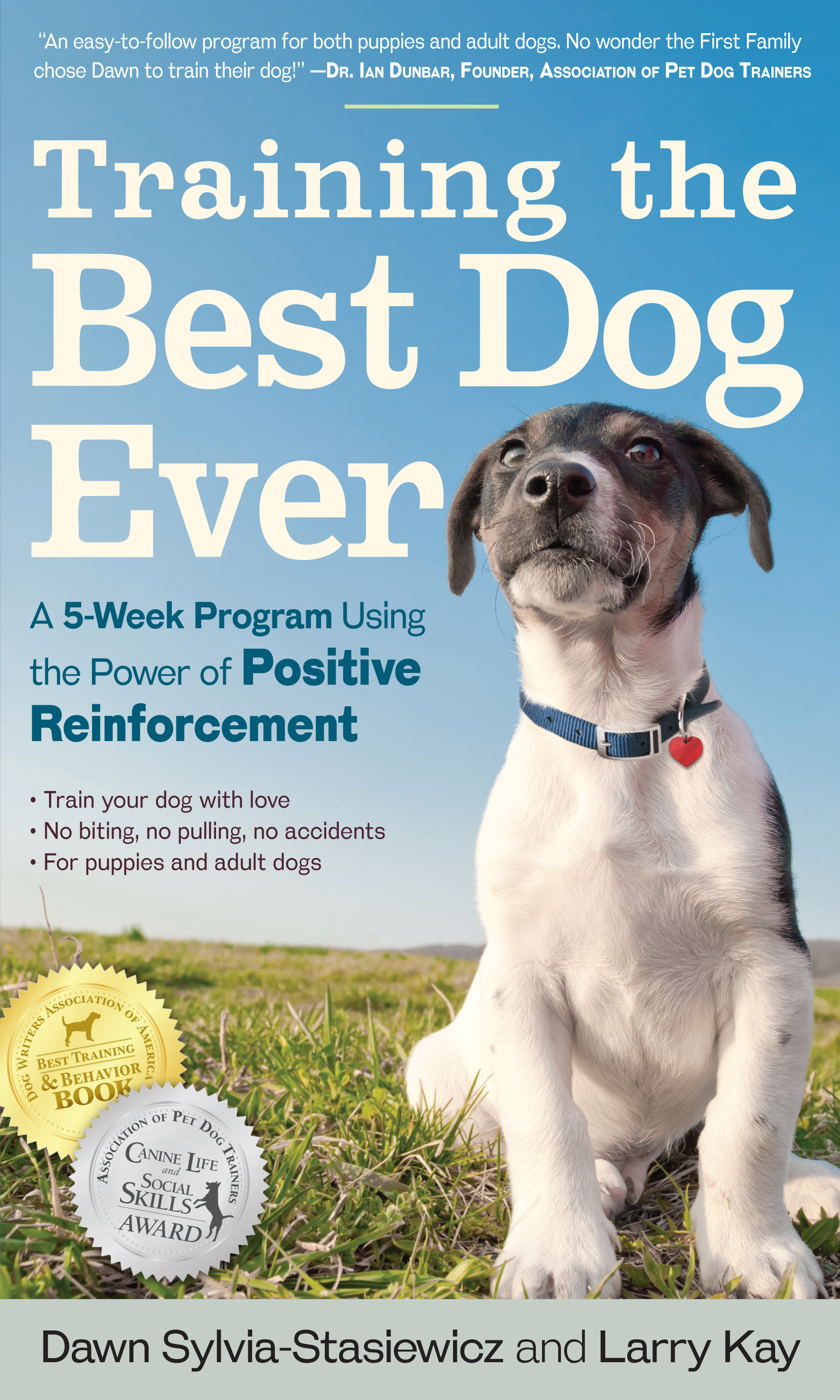
Credit: www.hachettebookgroup.com
Frequently Asked Questions
What Are The Best Dog Behavior Books For Beginners?
The best dog behavior books for beginners focus on basic training and understanding canine psychology. Titles by authors like Cesar Millan and Victoria Stilwell are highly recommended. These books provide clear, practical advice for new dog owners to improve communication and foster positive behavior.
How Do Dog Behavior Books Help In Training?
Dog behavior books explain canine instincts and body language. They offer effective training techniques based on positive reinforcement. These books help owners understand why dogs act certain ways, making training more successful and improving the owner-dog bond.
Are Dog Behavior Books Useful For Aggressive Dogs?
Yes, many dog behavior books address aggression by identifying triggers and offering management strategies. They provide step-by-step guidance to safely modify aggressive behavior with patience and consistency. Consulting a professional alongside is often advised for severe cases.
Can Dog Behavior Books Improve My Dog’s Social Skills?
Dog behavior books often include tips to enhance socialization. They teach owners how to introduce dogs to other pets and people properly. Following these techniques can reduce fear and anxiety, helping dogs develop better social skills and confidence.
Conclusion
Dog behavior books offer valuable tips for happy pets. They help understand your dog’s feelings and actions. Reading these books can improve your bond and training skills. Choose books that match your dog’s needs and your experience. Learning about dog behavior makes caring easier and more fun.
Start with simple guides and grow your knowledge step by step. Good books bring better communication and trust between you and your dog. A little reading goes a long way in raising a well-behaved dog.


