

Are you ready to turn your love for dogs into a rewarding business? Starting a dog breeding business can be both exciting and profitable, but it takes more than just passion.
You need the right knowledge, planning, and care to ensure your puppies are healthy and happy. You’ll discover simple steps to get your business up and running smoothly. Whether you’re a beginner or looking to improve your current setup, this guide will help you avoid common mistakes and set you on the path to success.
Keep reading to learn how you can make your dog breeding business thrive.
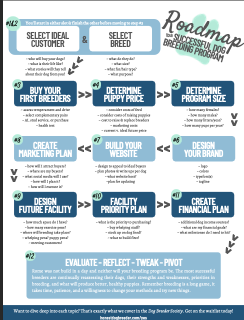
Credit: honestdogbreeder.com
Choosing The Right Breed
Choosing the right breed is a key step in starting a dog breeding business. The breed you select affects your costs, time, and success. It also determines the health and happiness of your dogs. Careful thought helps you avoid problems and meet customer needs.
Popular Breeds For Breeding
Some breeds have high demand and breed easily. Labrador Retrievers are friendly and popular. French Bulldogs attract many buyers due to their size and looks. German Shepherds are valued for their intelligence and work skills. Picking a well-known breed can bring steady business.
Breed Characteristics And Temperament
Each breed has unique traits and personality. Some dogs are calm and gentle. Others have high energy and need lots of exercise. Choose breeds that match your lifestyle and care ability. Healthy, happy dogs come from understanding their nature.
Market Demand And Trends
Watch the market to know which breeds buyers want. Trends change over time. Small dogs are popular in cities. Families may prefer bigger, friendly dogs. Research shows which breeds sell well and pay best. This knowledge helps you focus on profitable breeds.
Setting Up Your Breeding Space
Setting up your breeding space is crucial for a successful dog breeding business. This area must be safe, clean, and comfortable for your dogs. Proper planning helps protect the health of the dogs and puppies. It also makes daily care easier and more efficient.
Creating A Safe Environment
Choose a quiet and secure location for breeding. Avoid noisy or busy areas that stress dogs. Make sure the space is free from sharp objects and harmful chemicals. Use sturdy barriers to prevent dogs from escaping. Provide enough room for movement and rest. Good ventilation keeps the air fresh and reduces odors. Proper lighting helps you monitor the dogs well.
Essential Equipment And Supplies
Prepare separate bedding areas for each dog and puppy. Use washable and soft materials for comfort. Have feeding bowls, water containers, and cleaning tools ready. Stock up on puppy pads and waste disposal bags. A scale helps track the puppies’ growth. Thermometers ensure the space stays at a healthy temperature. Keep medical supplies like first-aid kits accessible.
Health And Hygiene Practices
Clean the breeding space daily to prevent diseases. Disinfect surfaces regularly with pet-safe cleaners. Wash bedding and toys often to reduce germs. Remove waste promptly to keep the area fresh. Monitor dogs for signs of illness or discomfort. Maintain a vaccination and vet check schedule. Good hygiene protects both dogs and humans.
Legal And Ethical Considerations
Starting a dog breeding business requires careful attention to legal and ethical rules. These rules protect dogs, breeders, and buyers. Following the law is not optional. Ethical practices build trust and keep dogs healthy.
Licenses And Permits
Obtain all needed licenses before starting. Rules vary by location and breed. Contact local authorities to learn what applies. Operating without permits can lead to fines or closure. Keep your paperwork updated and visible. This shows professionalism and compliance with the law.
Breeding Regulations
Understand laws about dog breeding in your area. Some places limit the number of dogs you can breed. Others require health checks or inspections. Follow rules about animal welfare and housing. Avoid practices banned by law, like overbreeding. Staying within legal limits protects your business and animals.
Ethical Breeding Practices
Breed dogs for health, temperament, and breed standards. Avoid breeding dogs with genetic problems. Provide clean, safe, and comfortable homes for all dogs. Give puppies proper care and socialization. Screen buyers to ensure puppies go to good homes. Ethical breeders care about dogs, not just profit.

Credit: www.audible.com
Health Care For Breeding Dogs
Proper health care is key to a successful dog breeding business. Healthy dogs produce strong, happy puppies. Taking care of breeding dogs prevents illness and reduces risks during pregnancy and birth.
Focus on regular health checks, good nutrition, and genetic screening. These steps keep your dogs fit and ready for breeding. A healthy dog means healthier puppies and better business.
Vaccinations And Vet Visits
Keep vaccinations up to date for all breeding dogs. Vaccines protect dogs from common diseases. Schedule regular vet visits to monitor health. Early detection of problems saves time and money. A vet can guide you on vaccination schedules and health care plans.
Genetic Testing
Genetic testing helps avoid passing diseases to puppies. Test breeding dogs for inherited conditions common in their breed. Use test results to select healthy mates. This lowers the chance of puppies having health problems. Genetic screening improves the quality of your breeding line.
Nutrition And Exercise
Feed breeding dogs a balanced diet with high-quality food. Proper nutrition supports pregnancy and milk production. Provide daily exercise to keep dogs strong and active. Avoid overfeeding or too little exercise. Healthy weight and muscle tone improve breeding success.
Breeding Process And Techniques
The breeding process and techniques form the heart of a dog breeding business. Understanding these steps helps ensure healthy puppies and successful outcomes. Every stage requires careful planning and attention.
From choosing the right dogs to caring for the mother during pregnancy, each phase matters. Knowing the basics can improve your breeding results and keep your dogs safe.
Selecting Breeding Pairs
Choosing the right breeding pairs is crucial. Select dogs with good health, strong genes, and proper temperament. Avoid breeding dogs with hereditary diseases or poor behavior traits.
Check pedigrees and health clearances before pairing. Match dogs that complement each other’s strengths and weaknesses. This improves the chance of healthy, well-balanced puppies.
Mating Methods
Mating can happen naturally or through artificial insemination. Natural mating is common but requires monitoring to ensure success. Artificial insemination offers control and helps with difficult pairings.
Know the female’s heat cycle to time mating accurately. Proper timing increases the chance of pregnancy. Always supervise mating to avoid injuries or stress.
Pregnancy And Whelping
Pregnancy lasts about 63 days in dogs. Provide good nutrition and a calm environment for the mother. Regular vet check-ups ensure the health of both mother and puppies.
Prepare a clean, quiet whelping area before birth. Help the mother during delivery if needed, but avoid unnecessary interference. Monitor puppies closely after birth for any problems.
Raising And Socializing Puppies
Raising and socializing puppies is a key part of a dog breeding business. Proper care shapes healthy and happy dogs. Early attention builds trust and good behavior. Social skills learned young help puppies adapt well.
Good habits start with daily care and feeding. Puppies need gentle handling and positive experiences. Monitoring health ensures they grow strong and safe.
Early Care And Feeding
Feed puppies small meals often with high-quality food. Clean water must be available at all times. Keep their living area clean and warm. Handle puppies gently to build comfort. Check their weight weekly to track growth. Start basic grooming like brushing early.
Socialization Tips
Expose puppies to different sounds and sights daily. Let them meet other friendly animals and people. Use toys and play to encourage interaction. Avoid scary or overwhelming situations. Praise good behavior to build confidence. Short, frequent social sessions work best.
Health Monitoring
Watch puppies for signs of illness or discomfort. Check eyes, ears, and skin regularly. Schedule vaccinations and vet visits on time. Keep a health record for each puppy. Address any health issues quickly. Clean bedding and spaces reduce infection risk.
Marketing Your Puppies
Marketing your puppies is a key step in growing your dog breeding business. It helps you reach more people who want to buy healthy, well-cared-for puppies. Good marketing builds trust and shows the quality of your puppies. This section covers how to promote your puppies effectively.
Building An Online Presence
Create a simple website with clear photos and details of your puppies. Share stories about each puppy’s health and personality. Use social media platforms like Facebook and Instagram to post updates and pictures regularly. Join online dog groups to connect with potential buyers. A strong online presence helps buyers find you easily.
Pricing And Sales Strategies
Set fair prices based on breed, health, and market demand. Avoid setting prices too low or too high. Offer discounts for early bookings or multiple puppy purchases. Accept clear payment methods to make buying easy and safe. Good pricing and simple sales make buyers feel confident.
Finding Responsible Buyers
Ask questions about buyers’ homes and experience with dogs. Explain the care needed for your puppies. Look for buyers who want pets, not just show dogs. Offer support and advice after the sale. Responsible buyers help keep your puppies safe and happy.
Managing Finances And Growth
Managing finances and growth is key to a successful dog breeding business. Careful money management helps keep your business healthy. Planning for growth ensures you meet demand without overspending. This section breaks down essential steps to handle your money and expand smartly.
Budgeting And Expenses
Create a clear budget to track all costs. Include food, vet visits, and breeding supplies. Factor in unexpected expenses like emergencies or repairs. Set aside money for marketing and licensing fees. Review your budget regularly to avoid overspending. Control costs to keep profits steady.
Record Keeping
Keep detailed records of all business transactions. Track income, expenses, and payments from clients. Maintain health and breeding records for each dog. Organized records make tax time easier. Use digital tools or simple spreadsheets for accuracy. Good records help you spot financial trends and improve decisions.
Scaling Your Business
Plan growth carefully to avoid stretching resources thin. Add more dogs only when you have space and time. Invest in better equipment or facilities as needed. Hire help if workload becomes too large. Expand your marketing to attract more clients. Grow step-by-step to maintain quality and control costs.

Credit: www.youtube.com
Frequently Asked Questions
What Are The Initial Steps To Start Dog Breeding Business?
Start by researching breeds, legal requirements, and market demand. Prepare a clean, safe breeding space. Get necessary licenses and vaccinations. Plan finances and create a business strategy. Networking with experienced breeders is essential for guidance and support.
How To Ensure Healthy Dogs For Breeding?
Choose dogs with strong health history and good genetics. Schedule regular veterinary checkups and vaccinations. Provide a balanced diet and exercise. Avoid breeding dogs with hereditary diseases. Monitor puppies for health issues to maintain quality breeding standards.
What Legal Permits Are Needed For Dog Breeding?
You need a business license and kennel permit. Compliance with local animal welfare laws is mandatory. Register your business with relevant authorities. Some regions require specific breeding licenses. Always stay updated with regulations to avoid legal issues.
How To Market A Dog Breeding Business Effectively?
Create a professional website showcasing your dogs and services. Use social media platforms to reach potential buyers. Attend dog shows and local pet events. Build relationships with veterinarians and pet stores. Offer excellent customer service and maintain transparency.
Conclusion
Starting a dog breeding business takes careful planning and hard work. Choose healthy dogs and learn about their care. Keep records and follow local rules. Build trust with buyers by being honest and kind. Patience is key; success does not happen overnight.
Enjoy the process of raising happy, healthy puppies. This business can be rewarding with the right effort. Stay focused and keep learning every day. Your passion will help your business grow steadily.


