
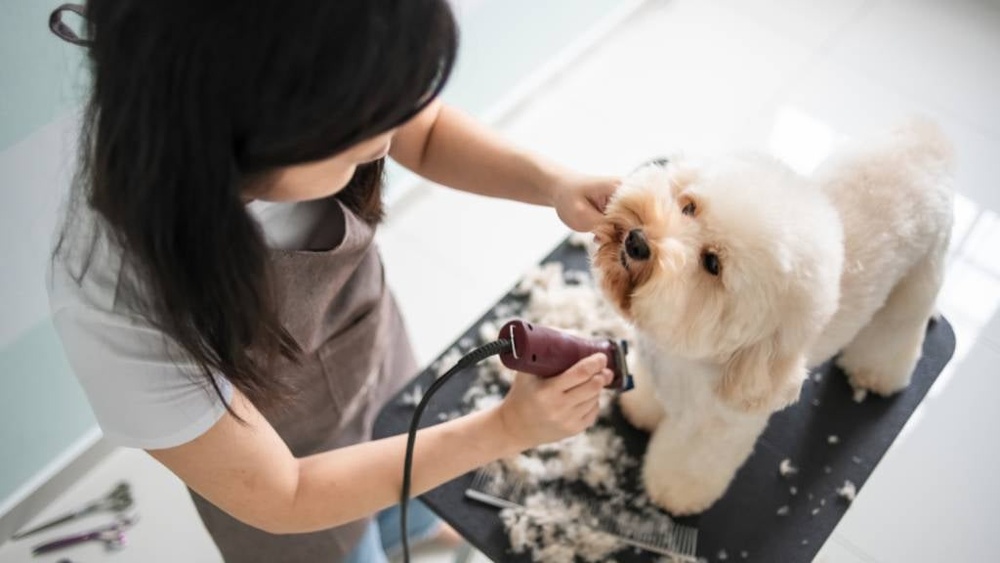
Taking care of your dog’s grooming isn’t just about keeping them looking good—it’s about their health and happiness too. But how often should you have your dog groomed?
The answer isn’t one-size-fits-all, and getting it right can save you from unexpected vet visits and discomfort for your furry friend. You’ll discover the key factors that determine the perfect grooming schedule for your dog. Keep reading to find out how to keep your dog comfortable, clean, and feeling great every day.

Credit: www.aussiepetmobile.com
Grooming Basics
Grooming basics are important for every dog owner to know. Regular grooming keeps dogs clean and healthy. It also helps you check your dog for any health problems early. Grooming is more than just making your dog look good. It is a key part of your dog’s care routine.
Understanding why grooming matters and knowing the signs your dog needs grooming can help you keep your pet happy. This knowledge helps you decide how often to groom your dog. Each dog is different, but some grooming needs are the same for all dogs.
Why Grooming Matters
Grooming keeps your dog’s coat clean and free of mats. Mats can cause pain and skin problems. Regular grooming removes dirt, dead hair, and parasites like fleas. It also helps keep your dog cool in summer and warm in winter. Grooming supports healthy skin and reduces shedding. It can prevent infections and detect lumps or wounds early. Grooming strengthens the bond between you and your dog. It also makes your dog more comfortable and happy.
Signs Your Dog Needs Grooming
Your dog may need grooming if its coat looks dirty or greasy. Notice if the fur feels rough or tangled. Check for mats or knots that pull on the skin. If your dog scratches or bites itself a lot, grooming might help. Look for a bad smell coming from your dog. Long nails that click on the floor mean a trim is needed. Also, dirty ears or eyes can signal grooming time. Excessive shedding and flaky skin are other signs. Watch for changes in your dog’s behavior related to discomfort.
Breed And Coat Types
Different dog breeds have different grooming needs. Their coat type plays a big role in how often they should be groomed. Some dogs need more frequent care to stay healthy and clean. Others can go longer between grooming sessions.
Understanding your dog’s breed and coat type helps you plan grooming better. It keeps your dog comfortable and looking good. Here is a simple guide to grooming based on coat types.
Short-haired Dogs
Short-haired dogs have smooth, thin coats. They do not tangle or mat easily. These dogs need less frequent grooming. Brushing once a week removes loose hair and dirt. Bathing once every two months is usually enough. Regular nail trimming and ear cleaning are important too.
Long-haired Dogs
Long-haired dogs have thick, flowing fur. Their coats can tangle and mat quickly. They need grooming every few weeks. Brushing several times a week stops mats and keeps fur soft. Bathing once a month helps keep the coat clean. Trimming may be needed to keep hair manageable.
Curly And Double Coats
Curly coats need special care to avoid knots. These dogs need brushing several times a week. Regular trims help maintain their curl shape. Double-coated dogs have a thick undercoat and a topcoat. They shed heavily during certain seasons. Brushing daily during shedding helps remove loose fur. Grooming every 6-8 weeks keeps their coat healthy.
Age And Health Factors
Age and health play a big role in how often your dog needs grooming. Different stages of life and health issues can change grooming needs. Paying attention to these factors keeps your dog clean and comfortable.
Puppies And Senior Dogs
Puppies need gentle grooming to get used to the process. Start slowly to build trust and comfort. Their fur is soft, so use mild brushes and shampoos.
Senior dogs may need more frequent grooming. Their skin can become dry or sensitive. Grooming helps spot issues like lumps or skin problems early. It also keeps their coat healthy and clean.
Health Conditions Affecting Grooming
Some dogs have health problems that change grooming needs. Skin allergies or infections require careful cleaning. Grooming can help ease discomfort and prevent worsening.
Dogs with arthritis or joint pain may find grooming hard. Shorter sessions and gentle handling work best. Talk to your vet for special grooming advice.
Credit: www.petgroom.ca
Grooming Frequency Guidelines
Knowing how often to groom your dog helps keep them healthy and happy. Grooming removes dirt, tangles, and loose hair. It also prevents skin problems and infections. Different dogs need grooming at different rates. Coat type, size, and activity level all matter. Follow these simple guidelines to find the right grooming schedule.
Monthly Grooming Routine
Most dogs do well with grooming once every month. This includes a bath, brushing, nail trimming, and ear cleaning. Monthly grooming keeps the coat shiny and skin clean. It also lets you check for lumps or parasites. Short-haired dogs need less frequent baths than long-haired breeds.
Seasonal Adjustments
Change grooming frequency as seasons shift. Dogs shed more in spring and fall. Brush more often during these times to manage loose hair. Warm weather means more dirt and sweat, so baths might be needed more. Cold months may require less bathing to keep skin oils intact. Adapt grooming to your dog’s comfort and coat condition.
Daily Maintenance Tips
Simple daily care improves grooming results. Brush your dog’s coat every day or every other day. It prevents mats and spreads natural oils. Check ears and eyes for signs of infection. Wipe paws after walks to remove dirt. Daily care reduces grooming time and keeps your dog fresh.
Diy Grooming Vs. Professional Services
Choosing between grooming your dog at home and using professional services depends on many factors. Both options have benefits and challenges. Some pet owners enjoy bonding with their dogs through grooming. Others prefer the ease and expertise of professionals. Understanding what each choice offers helps you decide what suits your pet’s needs best.
Tools For Home Grooming
Basic grooming tools include brushes, combs, and nail clippers. A good brush helps remove loose hair and dirt. Nail clippers keep your dog’s nails healthy and short. Shampoo made for dogs cleans their coat without irritation. Some dogs need special scissors for trimming fur. Using the right tools makes grooming safer and easier.
When To Visit A Groomer
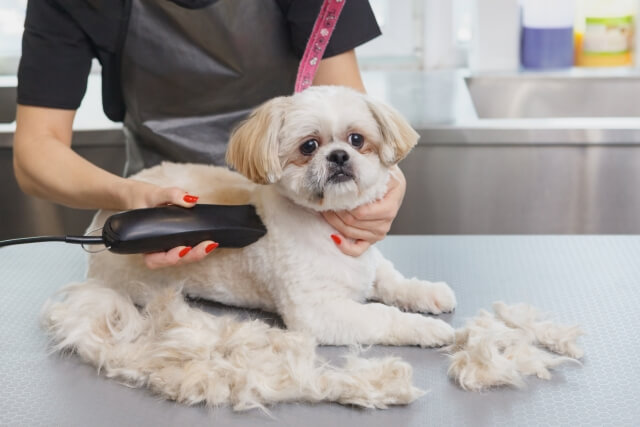
Professional groomers handle complex tasks like haircuts and ear cleaning. Dogs with thick or long coats may need regular visits. Groomers spot skin problems and signs of infection early. If your dog is nervous or hard to manage, groomers can help. Regular visits keep your dog comfortable and looking good.
Common Grooming Procedures
Regular grooming keeps your dog healthy and happy. It also helps you spot any skin problems early. Common grooming tasks include bathing, brushing, nail trimming, ear cleaning, and teeth brushing. Each task supports your dog’s overall well-being and comfort.
Bathing And Brushing
Bathing removes dirt and bad smells. Use dog-friendly shampoo to protect their skin. Bath frequency depends on your dog’s coat type and activity level. Brushing helps remove loose hair and prevents mats. It also spreads natural oils for a shiny coat. Brush your dog more often if they have long hair.
Nail Trimming
Nail trimming stops nails from growing too long. Long nails can hurt your dog’s paws or affect walking. Trim nails every few weeks or as needed. Use proper nail clippers and be careful not to cut too close. If unsure, ask a groomer or vet for help.
Ear Cleaning
Clean ears prevent infections and discomfort. Use a vet-approved ear cleaner and cotton balls. Avoid inserting anything deep into the ear canal. Check ears regularly for redness, bad smell, or dirt. Clean ears every few weeks or if dirty.
Teeth Brushing
Brushing your dog’s teeth keeps their mouth healthy. Use dog-safe toothpaste and a soft brush. Brush teeth a few times a week to reduce plaque and bad breath. Regular brushing helps prevent dental diseases and pain.
Handling Grooming Challenges
Grooming your dog can be a challenge at times. Some dogs feel nervous or scared. Others have skin that needs gentle care. Handling these challenges well helps keep grooming calm and safe. It also makes the experience better for your dog.
Dealing With Anxiety
Many dogs get anxious during grooming. They may shake, hide, or try to run. Stay calm and speak softly. Use treats to reward good behavior. Start with short sessions and slowly increase time. Let your dog get used to the tools and sounds. Patience helps reduce fear and stress.
Managing Sensitive Skin
Dogs with sensitive skin need special care. Use mild shampoos made for sensitive skin. Avoid harsh chemicals and strong scents. Brush gently to prevent irritation. Check skin for redness or bumps before grooming. If skin looks sore, give your dog a break. Consult a vet for skin problems that last.
Benefits Of Regular Grooming
Regular grooming does more than keep your dog looking good. It helps maintain their health and happiness. Grooming sessions create a routine that benefits your dog’s body and mind. Clean fur, trimmed nails, and healthy skin all come from consistent care. Dogs feel more comfortable and less stressed with regular grooming.
Health Improvements
Grooming removes dirt, dead hair, and parasites like fleas. It helps prevent skin infections and irritations. Brushing spreads natural oils, making the coat shiny and strong. Regular nail trimming stops pain and walking problems. Grooming allows early detection of lumps, bumps, or injuries. Your dog stays healthier with fewer vet visits.
Behavioral Benefits
Many dogs feel relaxed during grooming. It builds trust between you and your pet. Grooming reduces anxiety by creating a calm routine. Dogs learn to enjoy being handled and touched. This makes vet visits less stressful. Well-groomed dogs often behave better and feel happier.

Credit: www.swh-hof.at
Frequently Asked Questions
How Often Should Short-haired Dogs Be Groomed?
Short-haired dogs need grooming every 6 to 8 weeks. Regular brushing reduces shedding and keeps their coat healthy. Bathing frequency depends on activity level but usually every 1 to 3 months is sufficient. Professional grooming helps maintain skin health and cleanliness.
What Grooming Schedule Suits Long-haired Dogs Best?
Long-haired dogs require grooming every 4 to 6 weeks. Frequent brushing prevents mats and tangles. Regular trims keep their coat manageable and healthy. Consistent grooming also reduces shedding and skin issues. Professional grooming is essential for maintaining coat quality.
Can Grooming Frequency Affect My Dog’s Health?
Yes, grooming frequency impacts your dog’s health. Regular grooming prevents skin infections, matting, and parasites. It promotes healthy coat and skin. Neglecting grooming can cause discomfort and health problems. Tailor grooming to your dog’s breed and lifestyle for best results.
How Do Puppies’ Grooming Needs Differ?
Puppies need gentle, less frequent grooming initially. Start grooming routines early to build comfort. Brush weekly and bathe only when necessary. Professional grooming can begin after vaccinations. Early grooming promotes good habits and healthy coat development.
Conclusion
Regular grooming keeps your dog healthy and happy. Different breeds need different grooming schedules. Pay attention to your dog’s coat and skin condition. Clean ears, trim nails, and brush teeth often. A well-groomed dog feels comfortable and looks great. Find a routine that fits your dog’s needs.
Consistency helps prevent problems like matting or infections. Enjoy the bonding time during grooming sessions. Your dog will thank you with wagging tails and bright eyes. Keep grooming simple, regular, and caring for best results.


