

Is your puppy’s biting driving you crazy? You’re not alone.
Puppies explore the world with their mouths, but those sharp little teeth can quickly turn playtime into a painful experience. If you want to enjoy every moment with your furry friend without the constant nips and bites, you need simple and effective strategies that work.
This guide will give you the best tips to stop puppy biting for good—so you can build a loving, peaceful bond with your pup. Keep reading, because the solution is easier than you think.
Why Puppies Bite
Puppies bite for many reasons. It is a natural part of their growth and learning. Understanding why puppies bite helps you teach them better behavior. Here are some main reasons puppies use their mouths to explore and communicate.
Teething And Exploration
Puppies bite because they are teething. Their gums feel sore and biting helps ease the pain. They also use their mouths to explore the world. Puppies learn about objects and people by biting gently. This is normal but needs guidance.
Play Behavior
Biting is part of how puppies play. They often bite each other during playtime. This teaches them limits and social skills. Puppies may bite you because they want to play too. Teaching soft bites helps reduce hard nipping.
Attention Seeking
Sometimes puppies bite to get attention. If they feel lonely or bored, biting may bring a quick response. Even negative attention can encourage biting. Giving puppies proper attention and toys can stop this behavior.
Setting Boundaries Early
Setting boundaries early helps your puppy learn good behavior fast. Puppies explore the world with their mouths. Biting is natural but must be controlled. Clear rules make your puppy feel safe and confident. Consistency helps them know what is allowed and what is not. This creates a peaceful home for everyone.
Consistent Rules
Set clear rules about biting from day one. Use the same words and actions each time. Everyone in the family must follow the rules. This avoids confusing the puppy. Praise good behavior and gently stop biting. Consistency teaches your puppy what to expect.
Safe Chew Toys
Offer safe chew toys to redirect biting. Puppies need to chew for teething comfort. Give toys that fit their size and strength. Replace toys when worn out to keep interest. This reduces biting on hands and furniture.
Avoiding Rough Play
Stop rough play that encourages biting. Games with hands or feet can confuse puppies. Use toys instead to play and bond. Calm play helps your puppy stay gentle. This lowers the chance of biting growing into a problem.
Redirecting Biting Behavior
Redirecting biting behavior helps teach puppies what is okay to bite. Puppies explore the world with their mouths. Biting is natural but must be controlled. Redirecting focuses their biting on safe items. This stops them from biting hands or clothes. It also helps puppies learn good manners early.
Using Toys For Redirection
Offer your puppy a toy when they try to bite. Soft chew toys work best for puppies. Toys give them something safe to chew on. Keep toys nearby during playtime. Swap your hand or clothes with a toy. This shows the puppy what is okay to bite. Replace your hand quickly and gently.
Teaching Bite Inhibition
Bite inhibition means teaching a puppy to control bite strength. When your puppy bites too hard, say “ouch” loud and clear. Stop playing and ignore the puppy for a few seconds. This teaches them biting hurts and ends play. Repeat this often to show limits. It helps puppies learn gentle play.
Positive Reinforcement
Reward your puppy when they chew on toys, not skin. Use treats or praise to encourage good biting behavior. Positive reinforcement helps puppies understand what you want. Be patient and consistent with rewards. This builds a strong habit of gentle play. Celebrate small wins to keep training fun.

Credit: www.youtube.com
Responding To Bites
Responding to puppy bites is key to teaching good behavior early. How you react shapes your puppy’s habits. Calm, clear responses help your puppy learn what is okay and what is not. Consistency makes training easier for both you and your pet.
Immediate Reaction Techniques
React quickly when your puppy bites. A sharp “Ouch!” can stop the bite immediately. This shows the bite hurts and is not fun. Pull your hand away gently to avoid encouraging rough play. Stay calm but firm in your voice and actions.
Ignoring To Discourage
Sometimes, ignoring your puppy works best. Stop playing and look away when biting starts. No talking, no eye contact, no touch. This teaches the puppy biting ends fun and attention. Wait a few seconds before playing again. This helps your puppy understand biting is unwanted.
Time-out Methods
Time-outs help calm an overly excited puppy. Place your puppy in a quiet, safe spot for one to two minutes. Use a small room or crate with no toys or people. This short break reduces excitement and biting urges. Always return calmly to play after the time-out.
Training Exercises To Reduce Biting
Training exercises help control and reduce puppy biting effectively. These activities teach puppies how to behave gently with people. Consistent practice builds good habits early. Focus on simple commands, positive rewards, and social experiences. These methods calm your puppy and lessen biting urges.
Basic Obedience Commands
Start with easy commands like “sit,” “stay,” and “leave it.” These teach your puppy to listen and control impulses. Practice commands in short sessions daily. Reward your puppy immediately for obeying. This strengthens their understanding and attention.
Reward-based Training
Use treats and praise to encourage good behavior. Give rewards only when your puppy stops biting. This shows biting stops the fun and good things. Avoid punishment, which can cause fear and confusion. Positive rewards motivate puppies to repeat gentle actions.
Socialization With Other Dogs
Let your puppy meet other calm dogs in safe spaces. Play with well-behaved dogs teaches bite control naturally. Puppies learn limits when other dogs gently correct biting. Social time reduces anxiety and boredom that cause biting. Keep social visits short and positive for best results.
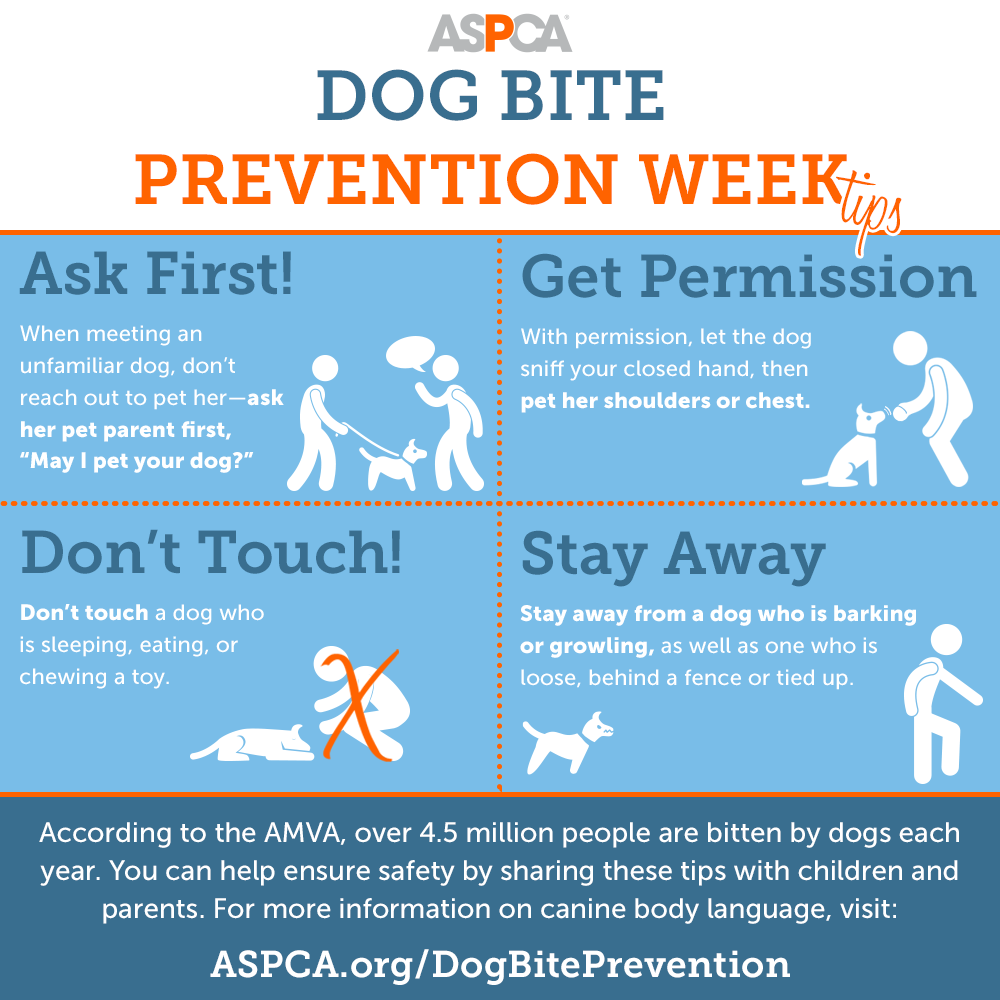
Credit: www.aspca.org
Common Mistakes To Avoid
Stopping puppy biting takes patience and clear strategies. Many dog owners make simple mistakes that slow training. Avoiding these common errors helps your puppy learn faster. It also makes your bond stronger and more positive.
Inconsistent Responses
Giving different reactions to biting confuses your puppy. Sometimes you allow biting, other times you yell. Puppies need steady rules to understand what is okay. Always respond the same way to biting. This helps your puppy learn limits quickly.
Punishing Aggressively
Harsh punishments scare your puppy and harm trust. Yelling or hitting can make biting worse. Puppies bite from excitement or teething pain, not to be bad. Use gentle corrections and calm words instead. Positive guidance teaches better than fear or pain.
Overstimulating Play
Playing too rough makes biting more likely. Excited puppies bite harder and faster. Keep play calm and controlled to reduce biting urges. Use toys to distract and focus energy. Calm play helps your puppy stay relaxed and less bitey.
When To Seek Professional Help
Sometimes, puppy biting goes beyond normal play. It can become a problem that needs expert help. Knowing when to ask for help can save you and your puppy from stress and injury. Professional trainers and behaviorists have the skills to guide you through tough biting issues.
Signs Of Aggressive Biting
A bite that breaks skin or causes pain is serious. Growling, snapping, or lunging shows aggression. If your puppy bites hard even after warnings, it needs attention. Biting that scares or hurts family members is a red flag. Watch for biting that happens often and without warning.
Choosing A Trainer
Find a trainer with good reviews and experience. Look for someone who uses gentle, positive methods. Trainers who understand puppy behavior help more. Check if they offer private sessions for personalized help. A good trainer listens to your concerns carefully.
Behavioral Therapy Options
Behavioral therapy helps change biting habits. It may include training games and exercises. Therapy teaches your puppy how to control biting. It also helps you learn how to react correctly. Sometimes, a mix of training and therapy works best for puppies.
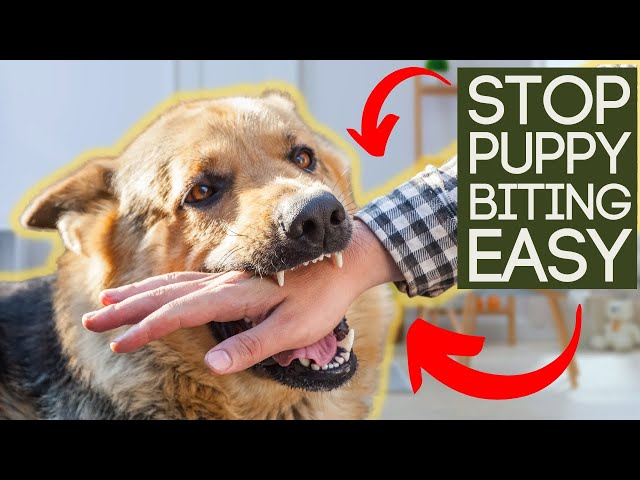
Credit: www.youtube.com
Frequently Asked Questions
How Can I Stop My Puppy From Biting Hands?
Consistently redirect your puppy’s biting to chew toys. Use firm “No” and withdraw attention briefly when biting occurs. Positive reinforcement for gentle play helps reduce biting over time.
Why Do Puppies Bite And Nip So Much?
Puppies bite to explore their environment and relieve teething pain. Biting also helps them learn social boundaries with littermates and humans. Proper training guides them to bite less.
What Are The Best Toys To Prevent Puppy Biting?
Durable chew toys, teething rings, and interactive puzzle toys are ideal. They distract your puppy from biting hands and satisfy their chewing needs safely.
When Should I Start Training My Puppy To Stop Biting?
Start training as soon as you bring your puppy home, typically at 8 weeks old. Early training prevents biting habits from becoming permanent and promotes good behavior.
Conclusion
Stopping puppy biting takes patience and consistency. Teach your puppy gentle play and set clear limits. Use positive rewards to encourage good behavior. Stay calm and avoid harsh punishments. Puppies learn best through kindness and routine. Keep practicing daily, and your puppy will improve.
Enjoy building a strong, loving bond together. Remember, every puppy is unique and learns at their own pace. With time and care, biting will become a thing of the past. Keep your training simple and your heart patient. Success is just around the corner.


