Taking a road trip with your dog can be an amazing experience, but it also comes with its own set of challenges. You want your furry friend to be safe, comfortable, and happy throughout the ride.
Imagine avoiding stressful moments, keeping your car clean, and making the journey enjoyable for both you and your dog. You’ll discover simple tips and tricks that make traveling with your dog in the car easier than ever. Ready to turn your next trip into a smooth adventure?
Let’s dive in!
Credit: www.kinship.com
Preparing Your Dog For Travel
Preparing your dog for travel makes the trip safe and fun. Dogs feel more relaxed when they know what to expect. Start by getting your dog used to the car and travel gear. This helps reduce stress during the journey. Proper preparation also keeps your dog secure and comfortable.
Choosing The Right Carrier Or Restraint
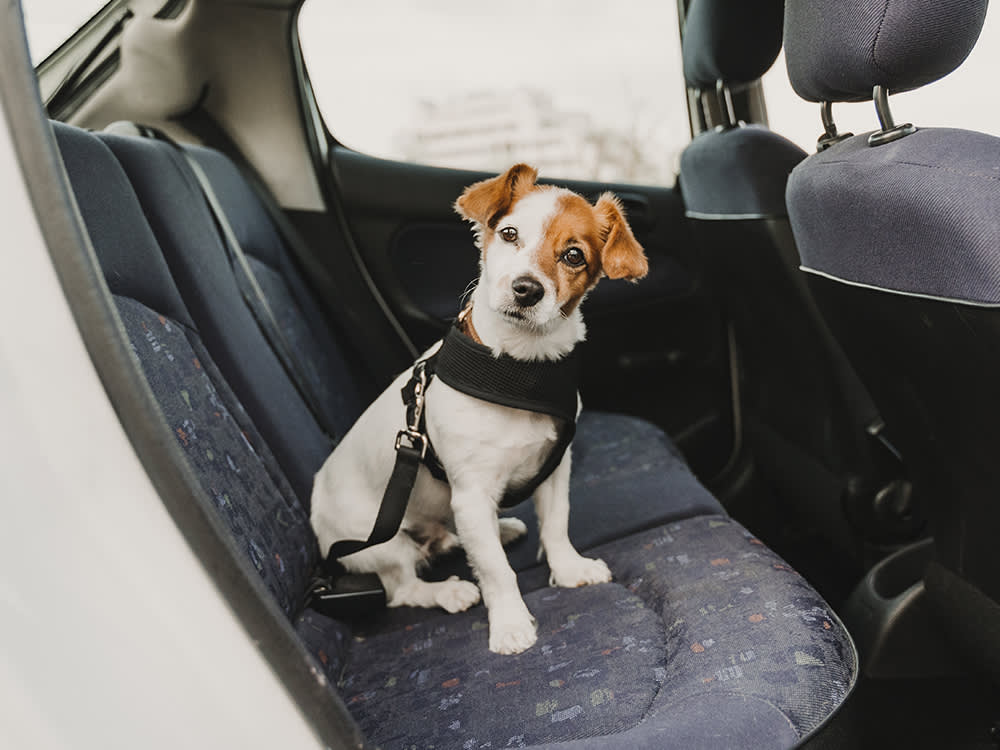
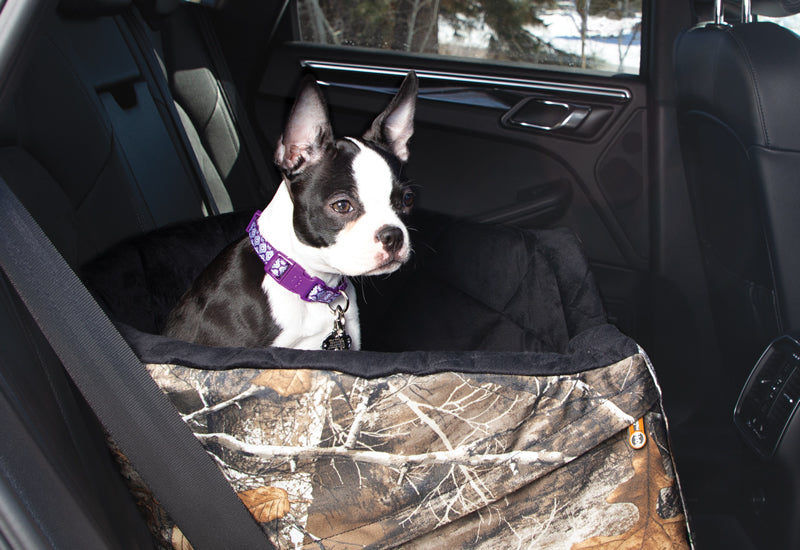
Pick a carrier or restraint that fits your dog’s size. It should be snug but not tight. Carriers protect dogs in case of sudden stops. Seatbelt harnesses keep dogs safe without feeling trapped. Test different options to find what your dog prefers. Safety must come first during car travel.
Familiarizing Your Dog With The Car
Let your dog explore the car while it is parked. Open doors and let them sniff inside. Take short drives around the block first. Praise and treat your dog for calm behavior. Gradually increase the length of trips. This helps your dog feel more at ease in the car.
Packing Essentials For Your Dog
Bring water and a bowl for your dog to drink. Pack their favorite toys and a blanket. Carry some treats for rewarding good behavior. Don’t forget waste bags for cleaning up. Keep a leash handy for stops outside. These items keep your dog happy and healthy on the road.
Credit: khpet.com
Safety Measures During The Ride
Traveling with a dog in the car needs careful safety steps. These keep your dog safe and calm. They also help you focus on driving. Small actions make a big difference. Here are key safety tips for a smooth ride.
Securing Your Dog Properly
Always secure your dog during the drive. Use a dog seat belt or a crate. This prevents your dog from moving around. It lowers injury risk in case of sudden stops. A secured dog stays calm and less stressed. Avoid holding your dog on your lap. It is dangerous and distracting.
Maintaining Comfortable Temperature
Keep the car temperature just right. Dogs can get too hot or cold quickly. Use air conditioning or open windows slightly. Never leave your dog alone in a parked car. Even a few minutes can be dangerous. Watch your dog for signs of discomfort.
Avoiding Distractions While Driving
Do not let your dog distract you while driving. Avoid loud noises or sudden movements from your pet. Keep toys or chews to keep your dog busy. Pull over if your dog needs attention. Safe driving means fewer risks for everyone.
Planning Breaks And Stops
Traveling with a dog in the car needs careful planning, especially for breaks and stops. Dogs need time to stretch and relax during long trips. Regular pauses keep them happy and healthy. These breaks also help you stay alert and enjoy the journey more.
Scheduling Regular Exercise Breaks
Plan breaks every two to three hours to let your dog move around. Short walks help reduce stress and avoid stiffness. Exercise also burns off extra energy, making the ride calmer. Carry a leash and pick safe, open spots for walking. Small play sessions during stops can boost your dog’s mood.
Finding Dog-friendly Rest Areas
Choose rest stops that welcome pets. Many highways offer dog-friendly parks or designated pet areas. These spots provide water fountains and shade for comfort. Research stops ahead and note their pet rules. Avoid places with heavy traffic or loud noises to keep your dog relaxed.
Hydration And Feeding Tips On The Road
Keep fresh water available at all times. Offer small drinks during each break to prevent dehydration. Feed your dog light meals before or after stops to avoid car sickness. Bring portable bowls and easy-to-digest food. Avoid feeding right before driving to reduce nausea risks.

Credit: news.orvis.com
Managing Motion Sickness And Anxiety
Traveling with a dog can be fun but also challenging. Some dogs feel sick or scared during car rides. Managing motion sickness and anxiety helps your pet enjoy the trip. Watch your dog closely and act quickly to ease discomfort. This section guides you through signs, remedies, and calming methods for a smooth journey.
Recognizing Signs Of Discomfort
Notice if your dog drools more than usual. They may yawn or lick their lips often. Restlessness or whining shows unease. Shaking or trembling can mean fear or sickness. Some dogs vomit or refuse to eat. Early signs help you take action fast.
Using Natural Remedies And Medications
Ginger is a safe natural remedy to reduce nausea. Small doses before travel work well. Some dogs benefit from special motion sickness collars. Consult a vet before using any medicine. Always choose pet-friendly options for your dog’s health.
Calming Techniques For Nervous Dogs
Speak softly to reassure your dog. Gentle petting can lower stress levels. Use a favorite blanket or toy in the car. Play calming music to create a relaxed space. Take short breaks during long drives to help your dog settle.
Legal And Health Considerations
Traveling with a dog in a car requires careful attention to legal and health rules. These rules keep your pet safe and avoid trouble during your trip. Knowing what laws and health needs apply helps you plan better. This section covers key points to prepare your dog for travel.
Checking Pet Travel Regulations
Different places have different rules for traveling with pets. Some states or countries require pets to have special permits or follow quarantine rules. Check the rules of your destination and any stops along the way. Also, some roads may limit pet travel. Knowing these rules before you go helps avoid fines and delays.
Ensuring Up-to-date Vaccinations
Your dog must have current vaccinations for safe travel. Vaccines protect against diseases that spread easily. Rabies shots are often required by law. Keep track of your dog’s vaccine dates and plan visits to the vet before travel. A healthy dog travels more comfortably and safely.
Carrying Necessary Documentation
Carry all important documents for your dog during the trip. This includes vaccination records, health certificates, and any permits needed. Some places may ask to see these papers at checkpoints. Keep documents in a folder or digital copy for easy access. Being prepared with paperwork avoids stress and problems on the road.
Post-trip Care For Your Dog
Traveling with your dog in the car is fun but can be tiring for your pet. After the trip, your dog needs some care to feel good again. Paying attention to your dog’s needs after travel helps keep them healthy and happy. This section explains how to care for your dog after a car trip.
Monitoring For Travel Stress Symptoms
Watch your dog closely after the trip. Signs of stress include shaking, panting, or hiding. Some dogs may lose appetite or seem restless. These signs show your dog might be tired or anxious. Early spotting helps you calm your dog quickly. Keep a quiet space for your pet to relax.
Providing Rest And Recovery
Give your dog plenty of rest after the drive. Let them lie in their favorite spot. Avoid loud noises or busy areas. Rest helps your dog regain energy and reduces stress. Offer fresh water and a small meal if they want. Gentle petting can comfort your dog.
Scheduling A Vet Checkup If Needed
Check your dog’s health after long trips. Look for unusual behavior or physical problems. If your dog shows sickness or injury, see a vet soon. A vet visit ensures your dog stays healthy. Regular checkups keep your dog safe after traveling.
Frequently Asked Questions
How To Keep My Dog Safe While Traveling In A Car?
Use a well-fitted dog harness or a secured crate. Never let your dog roam freely. This prevents injury and distraction while driving. Ensure proper ventilation and frequent breaks for comfort and hydration.
What Essentials Should I Pack For Dog Car Travel?
Bring water, a bowl, leash, waste bags, and your dog’s favorite toys. Also pack a blanket or bed and any necessary medications. These items keep your dog comfortable and entertained during the trip.
How Often Should I Stop For Breaks With My Dog?
Stop every 2 to 3 hours to let your dog stretch and relieve itself. Short walks help reduce stress and prevent restlessness. Always keep your dog on a leash during breaks for safety.
Can Dogs Get Car Sick And How To Prevent It?
Yes, dogs can experience motion sickness. To prevent it, avoid feeding your dog right before travel. Keep the car cool and well-ventilated. Consult your vet about anti-nausea medication if needed.
Conclusion
Traveling with your dog can be fun and safe. Plan breaks for your dog to stretch and drink water. Use a secure harness or crate to keep your dog safe. Bring favorite toys or blankets to comfort your dog. Watch your dog’s behavior and stop if it looks stressed.
Enjoy the journey and make good memories together. Safe travels with your furry friend!