

Are you tired of dealing with sneezing, itchy eyes, or skin reactions every time you’re around dogs? Finding the perfect furry friend who won’t trigger allergies or leave fur all over your clothes and furniture can feel impossible.
But don’t worry—there are dog breeds that are both hypoallergenic and don’t shed much. You’ll discover which breeds fit the bill, making it easier for you to enjoy the unconditional love and companionship of a dog without the downsides. Keep reading to find the best match for your lifestyle and say goodbye to allergy woes for good!
Hypoallergenic Dogs Explained
Certain dog breeds are known for being hypoallergenic and shed very little. These dogs cause fewer allergy problems and keep homes cleaner. Examples include Poodles, Bichon Frises, and Shih Tzus.
What Does Hypoallergenic Mean?
Hypoallergenic dogs produce fewer allergens than other dogs. Allergens are tiny proteins that can cause allergies. These proteins often come from a dog’s skin flakes, saliva, and urine.
Dogs that shed less tend to spread fewer allergens around the home. This reduces the chance of allergy symptoms like sneezing or itchy eyes.
Why Some Dogs Are Hypoallergenic
Some dog breeds have hair instead of fur. Hair grows longer and sheds less often. This means fewer loose hairs and less dander in the air.
These dogs often need regular grooming to keep their coat healthy. Grooming helps remove dead hair and skin, lowering allergen levels.
Hypoallergenic Does Not Mean Allergy-free
No dog breed is 100% hypoallergenic. People with allergies may still react to these dogs. The amount of allergens varies by individual and dog.
Spending time with a dog before adopting can help test allergic reactions. This helps ensure a better fit for allergy sufferers.
Why Shedding Matters
Shedding is a big concern for many dog owners. It can affect your home’s cleanliness and your comfort. Understanding why shedding matters helps you choose the right dog breed.
Shedding means your dog loses hair naturally. Some breeds shed a lot, leaving hair on furniture and clothes. This can cause allergies and extra cleaning work.
Dogs that shed less or not at all are better for people with allergies. They keep your home cleaner and reduce the amount of pet hair around. This is why hypoallergenic and non-shedding breeds are popular choices.
Impact On Allergies
Shedding spreads dander, a common allergy trigger. Less shedding means less dander in the air. This helps reduce allergy symptoms for sensitive people.
Home Cleanliness
Shedding dogs leave hair everywhere. Floors, sofas, and clothes collect fur quickly. Dogs that don’t shed help keep your home tidy.
Grooming And Maintenance
Dogs that shed a lot need frequent grooming. Brushing removes loose hair and controls shedding. Non-shedding breeds require less grooming, saving time and effort.
Choosing The Right Breed
Knowing about shedding helps pick a dog that fits your lifestyle. Hypoallergenic and non-shedding breeds suit families with allergies and busy schedules.
Top Hypoallergenic Breeds That Don’t Shed
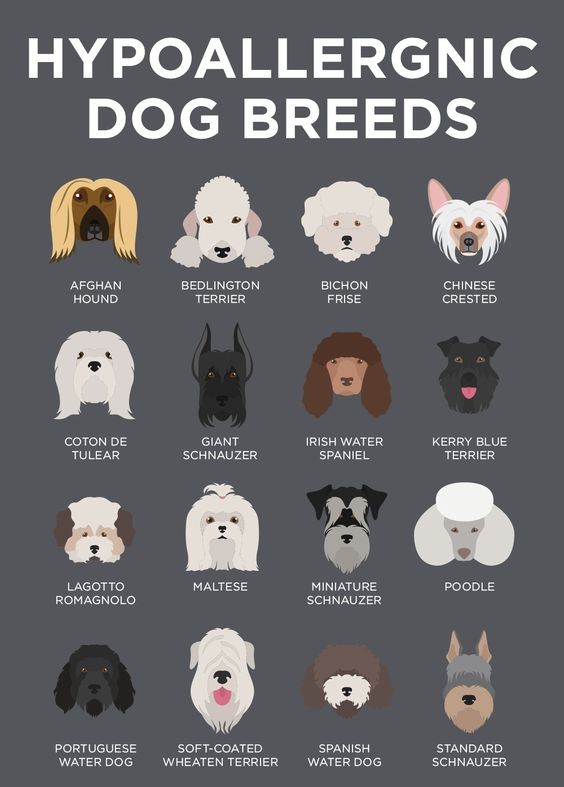
Choosing a dog that does not shed and is hypoallergenic is important for many pet lovers. These breeds cause fewer allergic reactions and keep your home cleaner. They are perfect for people with allergies or those who dislike fur everywhere.
Below are top hypoallergenic dog breeds. Each one sheds very little or not at all. They have unique traits but all share one thing: a coat that won’t fill your home with hair.
Poodle
Poodles are smart and come in three sizes. Their curly coats trap dander and reduce shedding. They need regular grooming to stay neat.
Bichon Frise
Bichon Frises have soft, fluffy fur that rarely falls out. They are playful and friendly, making great family pets.
Maltese
Maltese dogs have long, silky hair. They shed very little and enjoy being close to their owners.
Shih Tzu
Shih Tzus have thick coats that shed minimally. They are calm and love indoor living.
Portuguese Water Dog
These dogs have curly, water-resistant fur. They shed little and are energetic and loyal companions.
Yorkshire Terrier
Yorkies have fine, silky hair that does not shed much. They are small but full of personality.
Schnauzer
Schnauzers come in different sizes with wiry coats. Their fur stays on the dog, not your furniture.
Havanese
Havanese dogs have soft, long hair that sheds very little. They are social and easy to train.
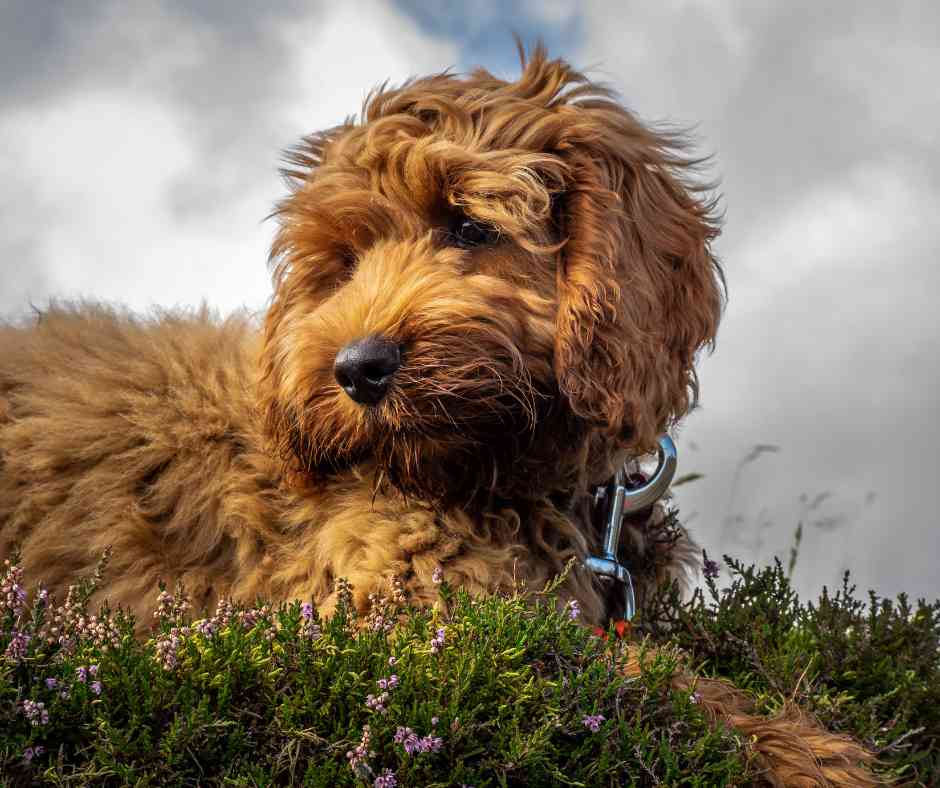
Labradoodle
Labradoodles are a mix of Labrador and Poodle. Their curly or wavy coats shed minimally and are hypoallergenic.
Cairn Terrier
Cairn Terriers have dense, wiry fur that sheds very little. They are active and full of energy.
Credit: suburban-k9.com
Care Tips For Low-shedding Dogs
Caring for low-shedding dogs requires attention to their specific needs. These dogs may shed less, but they still need proper care. Keeping their coat healthy and their body strong helps reduce shedding further. Follow simple care tips to keep your dog happy and clean.
Grooming Essentials
Brush your dog regularly to remove loose hairs and dirt. Use a brush made for their coat type. Bath your dog with gentle shampoo every few weeks. Keep their nails trimmed to avoid discomfort. Clean ears often to prevent infections. Regular grooming keeps shedding under control and your dog comfortable.
Diet And Health
Feed your dog high-quality food for a healthy coat. Add omega-3 fatty acids to improve skin condition. Keep your dog hydrated to avoid dry skin. Regular vet checkups catch health issues early. Healthy dogs shed less and look better.
Exercise Needs
Give your dog daily exercise to keep muscles strong. Play and walk help reduce stress and improve health. Active dogs have better skin and fur. Match exercise to your dog’s breed and age. A tired dog is a happy, low-shedding dog.
Choosing The Right Hypoallergenic Dog
Choosing the right hypoallergenic dog is important for a happy home. These dogs cause fewer allergy problems and shed less hair. Picking the best breed depends on many things. Think about your space, health, and daily routine. This helps you find a dog that fits your life well.
Living Space Considerations
Small homes need smaller or less active dogs. Big dogs may feel cramped in tight spaces. Some hypoallergenic breeds stay calm indoors. Others need room to run and play. Know your space size before choosing a breed.
Allergy Testing
Test your allergies before bringing a dog home. Spend time with the breed you want. See if you react to their dander or fur. Allergy tests help avoid health problems later. This step makes sure the dog suits your needs.
Lifestyle Compatibility
Match the dog’s energy with your daily routine. Active people enjoy playful, energetic breeds. Quiet owners may prefer calm, low-energy dogs. Think about exercise needs and grooming time. A good match keeps both you and your dog happy.
Credit: www.chewy.com
Credit: animology.co.uk
Frequently Asked Questions
What Are Hypoallergenic Dog Breeds?
Hypoallergenic dog breeds produce fewer allergens, causing less allergic reactions. Common breeds include Poodles, Bichon Frise, and Maltese. These dogs shed minimally, making them suitable for allergy sufferers.
Which Dogs Don’t Shed Much And Are Hypoallergenic?
Breeds like the Portuguese Water Dog, Schnauzer, and Soft Coated Wheaten Terrier shed very little. They are also hypoallergenic, reducing dander and allergens in your home.
Are Hypoallergenic Dogs Completely Allergen-free?
No dog is 100% allergen-free. Hypoallergenic breeds shed less dander, which lowers allergens but does not eliminate them entirely. Regular grooming helps control allergens further.
How To Care For Hypoallergenic, Low-shedding Dogs?
Frequent grooming and regular baths reduce dander and loose hair. Use HEPA filters and clean your home often to minimize allergens. These steps enhance comfort for allergy sufferers.
Conclusion
Choosing a hypoallergenic dog breed can help reduce allergy problems. Dogs that don’t shed much keep your home cleaner. Breeds like Poodles, Bichon Frises, and Maltese often fit these needs. Remember, no dog is 100% allergy-free. Spending time with a dog before adopting is wise.
This way, you know how your body reacts. Owning a low-shedding dog brings joy and comfort. Enjoy a happy life with your new furry friend!


