
Are you wondering if nutritional yeast is safe and healthy for your dog? You’ve probably heard about its benefits for humans, but what about your furry friend?
Giving your dog something new can be tricky, especially when it comes to their diet. You want to make sure it’s not only safe but also good for them. You’ll discover the truth about nutritional yeast and whether it can be a smart addition to your dog’s meals.
Keep reading to learn what you need to know before sharing this popular supplement with your pet.

Credit: www.amazon.com
What Is Nutritional Yeast
Nutritional yeast is a popular supplement known for its rich nutrients. It is made from a type of yeast called Saccharomyces cerevisiae. This yeast is grown on a sugar-rich medium like molasses. After harvesting, it is heated to deactivate it, so it does not ferment.
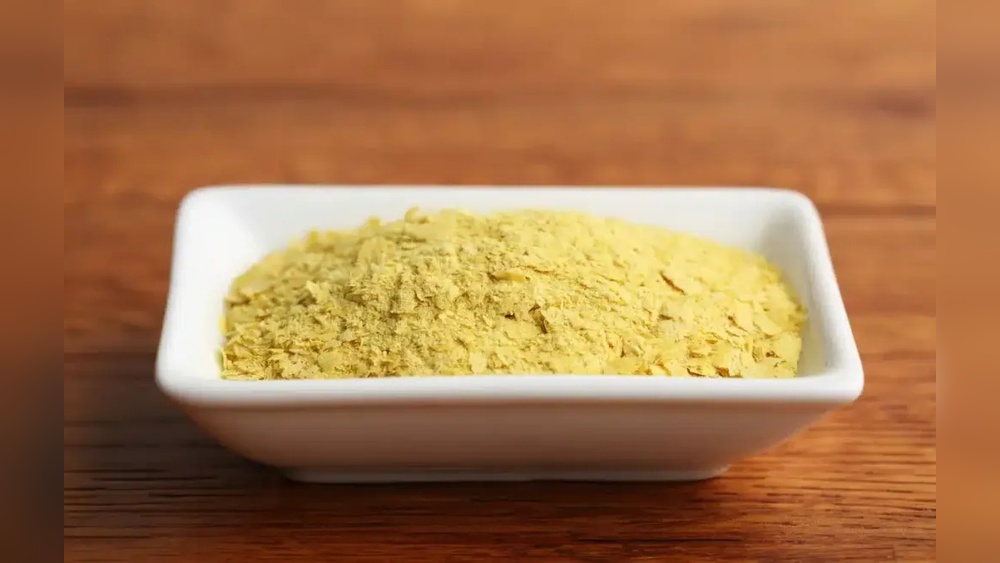
It looks like small yellow flakes or powder. People often use it to add flavor and nutrition to meals. It has a cheesy, nutty taste that many enjoy. Nutritional yeast is also a source of vitamins and minerals.
How Nutritional Yeast Is Made
The yeast is grown in controlled environments. It feeds on sugar from sources like beet molasses. After growth, it is harvested and washed. Then, heat stops its activity. Finally, it is dried and broken into flakes or powder.
Nutritional Content Of Nutritional Yeast
This yeast contains B vitamins, including B12 in fortified types. It has protein, fiber, and minerals like zinc and selenium. These nutrients support energy and immune health. Nutritional yeast is low in fat and sodium.
Common Uses Of Nutritional Yeast
People sprinkle it on popcorn or pasta. It can replace cheese in vegan recipes. It adds flavor to soups, sauces, and salads. Some use it as a supplement for extra nutrients.
Nutritional Benefits For Dogs
Nutritional yeast offers several benefits for dogs. It provides important nutrients that support overall health. Adding it to your dog’s diet can improve their well-being in many ways.
Many pet owners choose nutritional yeast for its natural, healthy properties. It can be a valuable supplement to help dogs stay strong and happy.
Rich Source Of Vitamins
Nutritional yeast contains many essential vitamins. It is high in B vitamins, especially B12, which dogs need for energy. These vitamins help support the nervous system and keep dogs active.
Supports Immune Health
This yeast helps boost the immune system. It contains antioxidants and beta-glucans that help fight infections. A stronger immune system means dogs can better resist illnesses.
Promotes Healthy Skin And Coat
Dogs need good nutrients for shiny fur and healthy skin. Nutritional yeast provides zinc and other minerals that reduce itching and dryness. This leads to a soft and glossy coat.
Aids In Digestion
Nutritional yeast has fiber that helps digestion. It supports good bacteria in the gut and improves bowel movements. Better digestion means dogs absorb nutrients well and feel comfortable.
Potential Risks And Side Effects
Nutritional yeast can offer benefits to dogs but also carries some risks. Understanding these risks helps keep your pet safe. Always watch your dog closely after introducing new foods.
Some dogs may have reactions or side effects from nutritional yeast. These can range from mild to more serious. Knowing what to look for is important for early detection and care.
Allergic Reactions
Some dogs may develop allergies to nutritional yeast. Symptoms include itching, swelling, or redness on the skin. Dogs may also scratch or bite at certain spots. Allergic reactions can cause discomfort and need attention quickly.
Digestive Issues
Nutritional yeast can cause stomach upset in some dogs. Signs include vomiting, diarrhea, or gas. Dogs with sensitive stomachs might react more strongly. Start with small amounts and monitor your dog’s digestion closely.
Interactions With Medication
Nutritional yeast may interfere with some medications. It contains compounds that affect certain drugs’ effectiveness. Always check with your vet before adding nutritional yeast to your dog’s diet. This helps avoid unwanted side effects or reduced medicine impact.

Credit: www.amazon.com
How To Safely Introduce Nutritional Yeast
Introducing nutritional yeast to your dog’s diet requires careful steps. This helps avoid any stomach upset or allergies. Start slow and watch how your dog reacts. Nutritional yeast can be a healthy addition if used correctly.
Recommended Dosage
Start with a small amount, like 1/4 teaspoon for small dogs. Larger dogs can have up to 1 teaspoon. Give this amount once a day at first. Increase slowly if your dog tolerates it well. Too much can cause digestive issues.
Choosing The Right Type
Pick nutritional yeast made for human consumption. Avoid brewer’s yeast or baker’s yeast, which may harm dogs. Look for products with no added salt or flavors. Organic nutritional yeast is a safe and clean option.
Monitoring Your Dog’s Response
Watch for any changes in behavior or digestion. Diarrhea, vomiting, or itching mean stop using it immediately. Check your dog’s energy and coat condition too. If all is well, you can continue giving small doses.
Alternatives To Nutritional Yeast
Nutritional yeast is popular for adding flavor and nutrients to dog food. Some dogs might not like its taste or could be sensitive to it. Safe and healthy alternatives can provide similar benefits. These options offer vitamins, minerals, and a tasty boost.
Brewer’s Yeast
Brewer’s yeast is a common substitute. It contains B vitamins and protein. Many dogs enjoy its mild, nutty flavor. It supports skin and coat health. Use it in small amounts to avoid digestive upset.
Parmesan Cheese
Parmesan cheese adds a cheesy taste and some nutrients. It is rich in calcium and protein. Use it sparingly due to fat and salt content. Good for dogs without lactose intolerance.
Ground Flaxseed
Ground flaxseed offers omega-3 fatty acids and fiber. It helps with digestion and coat shine. Sprinkle a small amount on your dog’s food. Make sure to grind it fresh for best nutrition.
Chia Seeds
Chia seeds provide fiber, protein, and healthy fats. They absorb water and create a gel-like texture. This can help with hydration and digestion. Use in moderation and soak before feeding.

Credit: www.nextritionpet.com
Frequently Asked Questions
Can Dogs Safely Consume Nutritional Yeast?
Yes, dogs can safely eat nutritional yeast in small amounts. It is non-toxic and often used as a supplement for added vitamins.
What Are The Benefits Of Nutritional Yeast For Dogs?
Nutritional yeast provides B vitamins, protein, and antioxidants. It supports coat health, immune function, and overall well-being in dogs.
How Much Nutritional Yeast Should I Give My Dog?
Start with a small pinch once or twice a week. Too much may cause digestive upset, so moderation is key.
Can Nutritional Yeast Cause Allergies In Dogs?
Allergic reactions are rare but possible. Monitor your dog for itching, swelling, or digestive issues after first use.
Conclusion
Nutritional yeast can be a healthy treat for dogs in small amounts. It provides vitamins and minerals that support their health. Always introduce it slowly to watch for any reactions. Avoid giving too much to prevent stomach upset. Consult your vet before adding new foods to your dog’s diet.
Safe feeding helps your dog enjoy the benefits without risks. Keep your pet’s needs in mind for a happy, healthy life. Simple steps ensure nutritional yeast stays a positive addition.


