

Are you thinking about getting a dog or just curious about the rules in the UK? It’s important to know which dog breeds are banned before you make any decisions.
Some dogs are not allowed because of safety concerns, and owning one could lead to serious trouble. You’ll discover exactly which breeds are banned and why. By the end, you’ll feel confident about what’s allowed and how to keep yourself and others safe.
Keep reading to find out the facts every dog lover in the UK must know.
Uk Dog Breed Ban Overview
The UK has strict rules about certain dog breeds. These rules aim to keep people safe. Some dogs are banned because they can be dangerous. The law covers specific breeds and types of dogs. Understanding the UK dog breed ban helps owners follow the rules. It also protects the public from harm.
The ban applies to owning, breeding, selling, or giving away these dogs. Owners must know which breeds are affected. The law also covers crosses of banned breeds. This helps to reduce risks linked to aggressive dogs.
Which Dog Breeds Are Banned In The Uk?
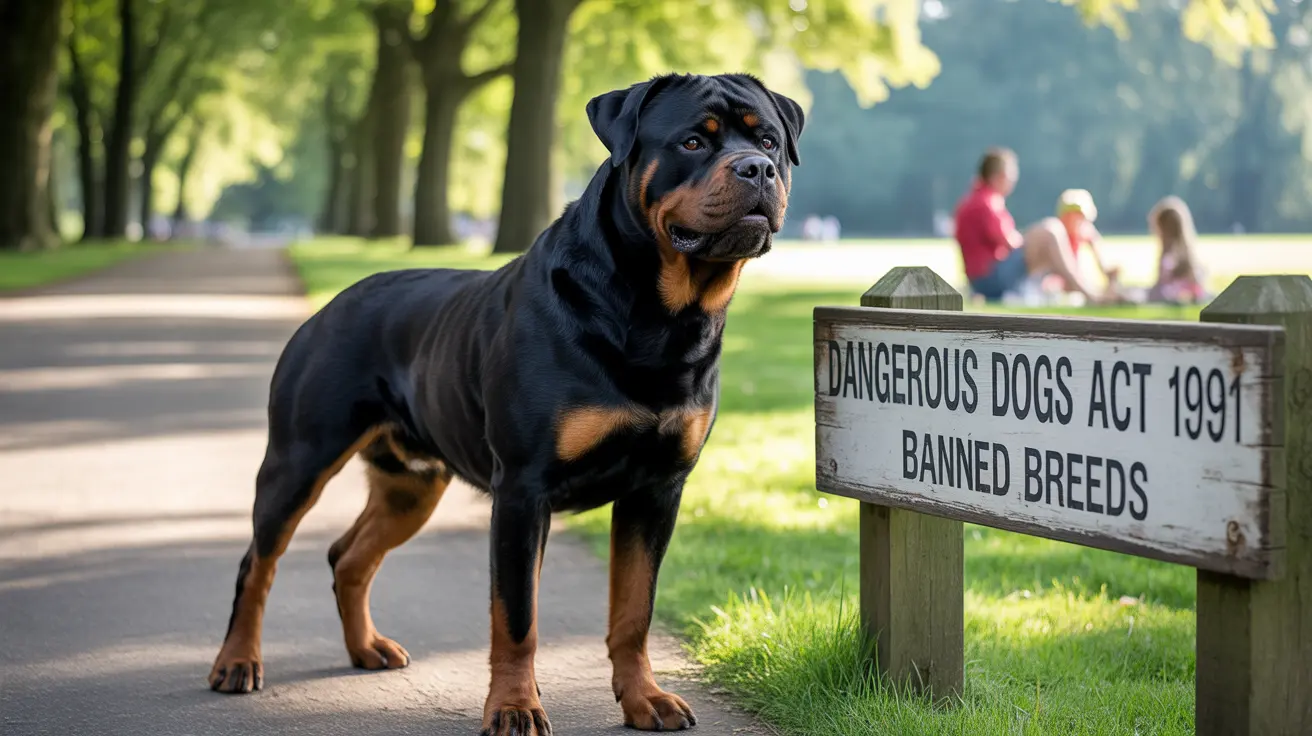
The Dangerous Dogs Act 1991 lists the banned dog breeds. The four main banned breeds are the Pit Bull Terrier, Japanese Tosa, Dogo Argentino, and Fila Brasileiro. These breeds are banned because of their strength and history of aggression.
Rules For Owners Of Banned Dog Breeds
Owners cannot breed, sell, or give away banned dogs. Dogs already owned must be registered with local authorities. Owners must keep their dogs muzzled and on a lead in public. Insurance is also required to cover any damage or injury.
Penalties For Breaking The Ban
Breaking the dog breed ban can lead to heavy fines. Courts may order dogs to be destroyed. Owners can face prison sentences for serious offences. The law is strict to prevent harm and protect the public.
Credit: www.petscare.com
List Of Banned Breeds
The UK has strict rules about certain dog breeds. Some dogs are banned because they can be dangerous. This list shows the breeds that are not allowed in the UK. Knowing these breeds helps owners avoid legal trouble.
Each banned breed has specific reasons for its restriction. These dogs often have a history of aggression or strong protective instincts. The law aims to keep people and other animals safe.
Pit Bull Terrier
The Pit Bull Terrier is one of the most known banned breeds. It is strong and very muscular. Its bite can cause serious injuries. The breed has been linked to many attacks. The UK law bans owning or breeding Pit Bulls.
Japanese Tosa
The Japanese Tosa is a large, powerful dog. It was bred for dog fighting. This breed is rare but still banned in the UK. It can be very aggressive if not trained well. The law restricts it to protect the public.
Dogo Argentino
The Dogo Argentino is a big, strong hunting dog. It has a high prey drive and strong bite force. The breed can be dangerous without strict control. The UK classifies it as a banned breed. Owners cannot keep or sell this dog.
Fila Brasileiro
The Fila Brasileiro is a large guardian dog from Brazil. It is known for loyalty and protection. This breed can be aggressive toward strangers. The UK law bans the Fila Brasileiro. It is illegal to own or breed this dog.
Reasons For Breed Bans
Breed bans in the UK exist for clear reasons. These reasons focus on protecting people and animals alike. Understanding why certain dog breeds face bans helps to see the bigger picture. The reasons include history, behavior, and safety issues.
Historical Context
Many banned breeds have a long history of use in fighting. These dogs were bred for strength and aggression. The UK government acted to prevent dog fighting and harm. Laws targeted breeds seen as dangerous in the past. This history shaped the current breed ban list.
Aggression Concerns
Some dog breeds show aggressive behavior more often. Aggression can lead to serious injuries or attacks. Authorities see certain breeds as higher risk. This view is based on past incidents and studies. Banning breeds aims to reduce aggressive dog encounters.
Public Safety
Public safety is the main goal of breed bans. Dogs that pose threats in public cause worry. Bans help protect children, adults, and other pets. These rules reduce dog attacks and emergency cases. Safety in parks, streets, and homes improves with breed bans.

Credit: www.express.co.uk
Legal Implications For Owners
Owning a banned dog breed in the UK carries serious legal risks. The law protects the public from certain dog breeds deemed dangerous. Owners must follow strict rules to avoid legal trouble. Understanding these rules helps owners stay safe and responsible.
Penalties And Fines
Owning a banned dog can lead to heavy fines. Courts may impose penalties up to thousands of pounds. In some cases, jail time is possible. The law takes breaches seriously to protect people. Ignorance of the law is not a defense.
Surrendering Banned Dogs
Owners must surrender banned dogs to authorities. Dogs may be taken by the police or local council. The animals could be destroyed or rehomed legally. Failure to surrender a banned dog is illegal. Voluntary surrender may reduce penalties.
Microchipping And Registration
All banned dogs must be microchipped and registered. This helps authorities track and identify the dog. Registration is done with the local council. Unregistered dogs may be seized by officials. Microchipping is a legal requirement for these breeds.
Impact On Dog Owners
The ban on certain dog breeds in the UK affects many dog owners deeply. It changes how they care for their pets and their daily routines. Owners face many new rules and challenges. These rules shape their choices and lifestyles. Understanding these impacts helps owners prepare better.
Adoption Challenges
Finding a banned breed for adoption is very hard. Many shelters do not accept these dogs. Owners might wait longer or travel far. They must prove they can keep the dog safe. Some dogs are abandoned because owners cannot keep them legally.
Insurance Issues
Many insurance companies refuse to cover banned breeds. Owners pay higher fees or get no coverage. This makes owning these dogs expensive and risky. Without insurance, medical bills can become very costly. It creates stress and financial problems for owners.
Travel Restrictions
Traveling with banned breeds is complicated. Some places and transport services do not allow these dogs. Owners must check rules before traveling. They may need special permits or muzzles. These limits reduce freedom and cause inconvenience.

Credit: uk.news.yahoo.com
Alternatives For Prospective Dog Owners
Choosing a dog breed can be exciting. Some breeds face restrictions in the UK due to safety laws. This means many popular breeds are not allowed. Prospective dog owners must explore other options to find a loving pet. Plenty of safe and friendly breeds suit families and singles alike. Adopting a dog from shelters also offers great possibilities. This section helps guide you toward the best alternatives for your new companion.
Safe Breed Options
Many dog breeds are safe and legal in the UK. Labrador Retrievers are known for their friendly nature. Beagles are small, gentle, and great with children. Cocker Spaniels offer a playful and loving personality. Border Collies are smart and energetic, perfect for active owners. These breeds have good temperaments and fit well in most homes. Choosing a safe breed helps avoid legal issues and ensures peace of mind.
Rescue And Adoption Tips
Rescue dogs need loving homes. Shelters have dogs of all breeds and ages. Visit local rescue centers and meet the dogs. Ask about their behavior and health history. Many dogs are trained and socialized already. Adoption helps reduce the number of homeless pets. It also saves lives and brings joy to your home. Patience is key when adopting; every dog has a unique story.
Recent Changes And Updates For 2025
The year 2025 brings notable changes to the laws on banned dog breeds in the UK. Authorities aim to update regulations for better public safety and animal welfare. These updates reflect growing concerns about certain dog breeds and how they are managed.
Understanding these changes helps dog owners stay informed and compliant. The updates also respond to new data and public feedback about dog behavior and risks. Let’s explore the key proposals and the public’s reaction to these changes.
Proposed Law Amendments
New proposals seek to expand the list of banned dog breeds. Some breeds may face stricter controls or complete bans. The law aims to prevent attacks and protect communities.
Authorities plan more checks on dog owners and better enforcement of rules. Penalties for breaking the law could increase. These amendments focus on responsible ownership and reducing dangerous incidents.
Public Opinion Trends
Public views on banned dog breeds are shifting. Many support stronger laws to improve safety. Others feel some breeds are unfairly targeted.
Surveys show growing concern about dog attacks but also calls for fair treatment of dogs. Education about dog behavior is a common request. The debate continues on balancing safety with animal rights.
Resources For Further Assistance
Finding clear information about banned dog breeds in the UK can be tricky. Some rules and details change often. It helps to have trusted resources for support. These resources guide you through legal questions, dog breed checks, and community support.
Legal Advice
Legal experts explain laws about banned dog breeds. They help understand your rights and duties. They also guide on how to avoid penalties. Consulting a lawyer can prevent legal trouble.
Breed Identification Services
Breed identification services confirm your dog’s breed type. They use expert knowledge or DNA tests. This helps prove if your dog is banned or not. Accurate breed ID avoids misunderstandings and fines.
Support Groups
Support groups connect dog owners facing breed bans. Members share experiences and advice. They offer emotional help and practical tips. Joining a group can make handling issues easier.
Frequently Asked Questions
What Dog Breeds Are Banned In The Uk?
The UK bans four main dog breeds under the Dangerous Dogs Act 1991. These are Pit Bull Terrier, Japanese Tosa, Dogo Argentino, and Fila Brasileiro. Ownership, breeding, or sale of these breeds is illegal without exemption.
Why Are Certain Dog Breeds Banned In The Uk?
Certain dog breeds are banned due to their potential for aggression and public safety risks. The UK government aims to reduce dog attacks and injuries by restricting these specific breeds.
Can I Own A Banned Dog Breed Legally In The Uk?
Owning a banned breed is illegal unless you have a court exemption. Exemptions require strict conditions, including muzzling, neutering, and secure containment to protect the public.
Are Mixed Breeds Of Banned Dogs Also Restricted?
Yes, mixed breeds with banned dog ancestry are also restricted. If the dog resembles a banned breed, it may be subject to the same legal restrictions and requirements.
Conclusion
Knowing which dog breeds are banned in the UK helps keep everyone safe. These laws protect people and animals alike. Owning a dog means responsibility and care. Choose your pet wisely and follow the rules. Respect the law to avoid trouble.
Safe dogs make happy homes. Understanding breed bans benefits all dog lovers. Stay informed and enjoy your time with pets.


