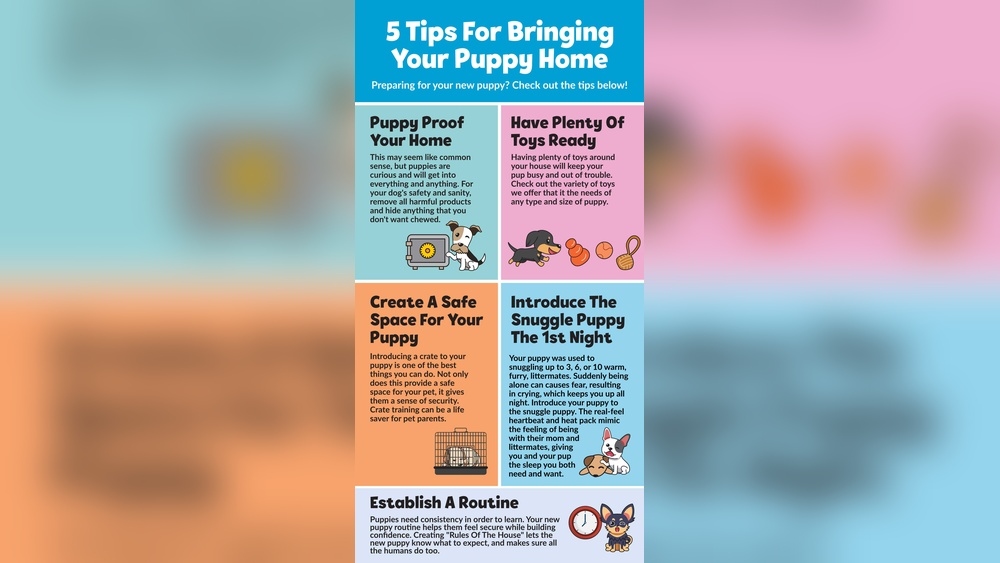
Bringing a Golden Retriever puppy into your home is exciting, but it can also feel overwhelming. You want to give your new furry friend the best start, but where do you begin?
This guide is packed with simple, practical tips to help you raise a happy, healthy, and well-behaved Golden Retriever puppy. Whether it’s training, feeding, or playtime, you’ll discover easy steps that make a big difference. Keep reading to unlock the secrets to creating a strong bond and setting your puppy up for a lifetime of joy.
Choosing The Right Puppy
Choosing the right Golden Retriever puppy is an important step. This choice affects your future with your new dog. A good start helps build a happy and healthy relationship. Take time to find a puppy that fits your life and family.
Consider where your puppy comes from. This ensures they have a good background. Check the puppy’s health and behavior. These factors make a big difference in the long run.
Finding Reputable Breeders
Reputable breeders care about their dogs. They raise puppies in clean and safe places. Ask about the puppy’s parents and their health history. Good breeders provide this information openly. They also allow visits to see the puppies and their living space. Avoid breeders who rush the sale or hide details.
Adoption Options
Adoption is a kind choice. Many Golden Retrievers need loving homes. Check local shelters and rescue groups. They often have puppies or young dogs waiting. Adoption saves lives and gives a dog a second chance. Make sure to ask about the puppy’s behavior and health before adopting.
Assessing Puppy Health
Healthy puppies have clear eyes and clean ears. Their coat should be shiny and soft. Check for signs of illness like coughing or sneezing. Puppies should be active and curious. Ask for a vet check and vaccination records. Early health checks prevent future problems.
Preparing Your Home
Bringing a Golden Retriever puppy home is exciting. Preparing your home helps your new puppy feel safe and happy. It also keeps your house protected from puppy mishaps. Setting up the right environment makes training easier and builds trust between you and your puppy.
Safe Spaces For Puppies
Create a quiet, cozy area for your puppy to rest. Use a crate or a small room with a soft bed. Puppies need a calm place to relax and feel secure. Avoid loud noises and busy spots in the house. This safe space helps your puppy settle in and sleep well.
Essential Supplies
Gather basic items before your puppy arrives. Include food and water bowls, puppy food, and a collar with an ID tag. Add chew toys and a leash for walks. Don’t forget puppy pads or newspapers for potty training. Having these supplies ready makes care easier and smoother.
Puppy-proofing Tips
Check your home for hazards that could harm your puppy. Hide electrical cords and secure loose wires. Remove small objects that puppies might swallow. Lock away cleaning products and medicines. Block off stairs and dangerous areas. Puppy-proofing keeps your puppy safe and your mind at ease.
Feeding And Nutrition
Feeding and nutrition play a big role in raising a healthy Golden Retriever puppy. Good food helps your puppy grow strong and full of energy. It also supports their brain and bone development. Choosing the right food and feeding routine creates a solid foundation for a happy dog.
Best Puppy Foods
Select puppy food made for large breeds like Golden Retrievers. These foods have the right balance of protein, fat, and nutrients. Look for options with real meat as the first ingredient. Avoid foods with too many fillers like corn or soy. Wet or dry food both work well, but dry food helps keep teeth clean.
Feeding Schedules
Puppies need regular meals for steady energy and growth. Feed your Golden Retriever puppy three to four small meals a day. Follow the amount suggested on the food package based on puppy weight. Keep feeding times consistent. Gradually switch to two meals a day after six months.
Avoiding Common Diet Mistakes
Do not overfeed your puppy. Extra weight strains joints and bones. Avoid giving human food, which can upset digestion. Skip snacks with sugar or artificial ingredients. Always provide fresh water to keep your puppy hydrated. Watch for food allergies or upset stomach signs and consult a vet if needed.
Credit: www.peanutbutterrunner.com
Training Basics
Training a Golden Retriever puppy starts with basics. Good training helps your puppy grow into a well-behaved dog. It also builds a strong bond between you and your puppy. Patience and consistency are key. Simple steps make learning easier for your new friend.
Housebreaking Techniques
Housebreaking teaches your puppy where to go potty. Set a regular schedule for bathroom breaks. Take your puppy outside often, especially after eating and waking up. Praise and reward your puppy after they go outside. Clean accidents with special cleaners to remove smells. Avoid punishment; it can scare your puppy.
Crate Training
A crate gives your puppy a safe space. Start by making the crate cozy with a soft blanket. Let your puppy explore the crate with the door open. Use treats to encourage your puppy inside. Close the door for short times, then slowly increase the time. Crate training helps with housebreaking and prevents bad behavior.
Basic Commands
Teach simple commands like sit, stay, and come. Use clear words and a calm voice. Reward your puppy with treats and praise when they listen. Keep training sessions short, about 5-10 minutes. Practice every day in different places. These commands keep your puppy safe and happy.
Socialization Strategies
Socialization is key for Golden Retriever puppies. It helps them grow into friendly and confident dogs. Early social experiences shape their behavior and reduce fear. Gentle exposure to new people, pets, and places builds trust and calmness. Start socializing your puppy early and keep sessions short and positive.
Introducing New People
Let your puppy meet many types of people. Different ages, sizes, and appearances are important. Invite friends over or visit family members. Allow your puppy to sniff and explore at their own pace. Reward calm and gentle behavior with treats and praise. Avoid forcing contact to prevent fear or stress.
Meeting Other Pets
Introduce your puppy to other dogs and pets carefully. Choose friendly and vaccinated animals for first meetings. Keep interactions short and supervised. Use leashes if needed to control the situation. Praise your puppy for calm and polite behavior. Early positive meetings help reduce future aggression or anxiety.
Handling New Environments
Expose your puppy to various places and sounds. Parks, streets, and pet-friendly shops work well. Walk calmly and let your puppy observe the surroundings. Avoid busy or loud spots at first. Bring treats and toys to create positive associations. This practice builds confidence and reduces fear of new places.
Health Care Essentials
Taking care of a Golden Retriever puppy’s health is very important. Good health care helps your puppy grow strong and happy. It also keeps them safe from many illnesses. Starting with simple steps can make a big difference in your puppy’s life.
Vaccination Schedule
Vaccines protect your puppy from serious diseases. Puppies need several shots in their first months. These shots build strong immunity. Start vaccines at six to eight weeks old. Follow your vet’s advice for the full schedule. Keep a record of all vaccinations for future use.
Regular Vet Visits
Visit the vet regularly to check your puppy’s health. Early visits help catch problems before they get worse. Vets check weight, teeth, and overall condition. They also give advice on diet and care. Regular visits create trust between you and your vet.
Parasite Prevention
Parasites can harm your puppy’s health quickly. Fleas, ticks, and worms are common threats. Use vet-recommended treatments to keep parasites away. Check your puppy’s coat often for signs. Clean your puppy’s living area regularly to reduce risks.
Exercise And Play
Exercise and play are very important for Golden Retriever puppies. They help keep your puppy healthy and happy. Puppies have lots of energy to burn. Playtime also helps them learn good behavior.
Young Golden Retrievers need the right kind of activity. Too much or too little can cause problems. The right balance helps their muscles and bones grow strong. It also helps their minds stay sharp and alert.
Daily Activity Needs
A Golden Retriever puppy needs about 30 to 60 minutes of exercise daily. Break this time into short sessions. Walks, gentle runs, and play in the yard work well. Avoid long, hard exercise. Their bones and joints are still growing.
Watch your puppy for signs of tiredness. Rest is just as important as activity. Puppies need time to recover and grow.
Safe Toys For Puppies
Choose toys that are soft but sturdy. Puppies like to chew, so avoid small parts. Safe toys prevent choking and injury. Rubber balls, rope toys, and plush animals are good choices.
Rotate toys to keep your puppy interested. Clean toys regularly to avoid germs. A happy puppy loves playing with safe toys.
Mental Stimulation
Exercise is not only physical. Mental play helps puppies learn and grow. Puzzles, treat games, and simple training keep their brains busy. These activities reduce boredom and unwanted behavior.
Spend time teaching new commands. Use treats and praise. Mental challenges make your puppy smarter and calmer.

Credit: www.peanutbutterrunner.com
Grooming Tips
Grooming your Golden Retriever puppy keeps them healthy and happy. It also helps you bond with your new friend. Regular grooming controls shedding and prevents skin problems. Start grooming early to make your puppy comfortable with the process.
Brushing And Bathing
Brush your puppy’s coat at least twice a week. Use a slicker brush or comb to remove loose hair and dirt. Brushing stops mats and tangles from forming. Bath your puppy every 6 to 8 weeks. Use a gentle dog shampoo. Rinse well to avoid skin irritation.
Nail Care
Check your puppy’s nails every two weeks. Trim nails when you hear clicking on the floor. Use dog nail clippers or a grinder. Cut small bits at a time to avoid hurting the quick. Smooth rough edges with a nail file. Healthy nails protect paws and improve walking comfort.
Ear Cleaning
Inspect your puppy’s ears weekly. Look for redness, bad smell, or discharge. Use a vet-recommended ear cleaner. Apply a small amount on a cotton ball. Gently wipe the outer ear. Avoid pushing deep inside the ear canal. Clean ears prevent infections and discomfort.
Handling Common Challenges
Golden Retriever puppies bring joy but also challenges. Understanding these issues helps you care better for your puppy. You can create a happy home by handling problems early. This section covers common challenges and simple ways to manage them.
Chewing And Biting
Puppies explore the world with their mouths. Chewing and biting are natural but can cause damage. Provide plenty of chew toys to redirect their biting. Praise your puppy when they chew toys, not furniture. If biting happens during play, stop immediately. Teach gentle play by saying “no” firmly and offering a toy instead.
Separation Anxiety
Golden Retriever puppies love company and feel stress when alone. Signs include whining, barking, and chewing furniture. Start with short separations to build confidence. Leave a favorite toy or blanket to comfort your puppy. Avoid long goodbyes; stay calm and quiet when leaving. Create a safe space where your puppy feels secure.
Dealing With Barking
Barking is a way puppies communicate. Too much barking can be a problem. Identify the cause: boredom, fear, or attention-seeking. Use toys and exercise to keep your puppy busy. Ignore barking for attention to avoid reinforcing it. Reward quiet behavior with treats and praise. Consistency helps your puppy learn when to be quiet.

Credit: www.peanutbutterrunner.com
Frequently Asked Questions
How Do I Train My Golden Retriever Puppy Effectively?
Start training early using positive reinforcement like treats and praise. Be consistent and patient with commands. Short, regular sessions work best for Golden Retriever puppies.
What Is The Best Diet For A Golden Retriever Puppy?
Feed high-quality puppy food rich in protein and nutrients. Avoid human food and provide fresh water always. Consult your vet for specific dietary needs and portion sizes.
How Much Exercise Does A Golden Retriever Puppy Need?
Golden Retriever puppies need about 30 minutes of exercise daily. Include walks and playtime to burn energy and promote health. Avoid over-exercising to protect growing joints.
When Should I Start Socializing My Golden Retriever Puppy?
Begin socialization as early as 7-8 weeks old. Introduce your puppy to different people, pets, and environments safely. Early socialization helps develop a confident, well-behaved dog.
Conclusion
Caring for a Golden Retriever puppy takes time and patience. Gentle training builds trust and good habits. Regular play keeps them happy and healthy. Feeding quality food supports their growth and energy. Early socialization helps them become friendly dogs. Remember, love and consistency shape a strong bond.
Enjoy every moment with your new furry friend. These tips guide you toward a joyful puppy journey. Keep learning and have fun together each day.