

Have you ever wondered what color toys your dog likes best? Choosing the right toy can make playtime more fun and keep your furry friend engaged for longer.
But did you know that dogs see colors differently than humans? Picking the perfect color could make all the difference in grabbing your dog’s attention and keeping them excited. You’ll discover which colors dogs prefer and why. By the end, you’ll know exactly what to look for the next time you shop for toys your dog will love.
Keep reading to make playtime more exciting for your best friend!
Dog Vision And Color Perception
Understanding how dogs see the world helps in choosing the best toys for them. Dogs do not see colors the same way humans do. Their vision affects what colors catch their attention and interest.
How Dogs See Colors
Dogs see fewer colors than humans. They mainly see shades of blue and yellow. Red and green colors look like shades of gray or brown to dogs. This means bright red toys may not stand out to them. Blue and yellow toys are easier for dogs to notice.
Differences Between Human And Dog Vision
Humans have three types of color receptors in their eyes. Dogs have only two types of color receptors. This limits the range of colors dogs can see. Dogs also see better in low light. They detect movement well but do not see fine details clearly. Their vision is designed for hunting and tracking, not for color variety.

Credit: www.thelabradorsite.com
Colors That Attract Dogs
Dogs see colors differently than humans. Their eyes have fewer color receptors. This means dogs cannot see the full spectrum of colors. They mainly see shades of blue and yellow. These colors stand out more to them than others. Choosing toys in these colors can make playtime more fun. Dogs notice blue and yellow toys more easily during play.
Blue And Yellow: The Most Visible Colors
Dogs see blue very clearly. It is one of the brightest colors for them. Yellow also appears bright and easy to spot. Toys in blue or yellow catch a dog’s eye quickly. These colors stand out against grass and dirt. This makes it easier for dogs to find their toys outdoors. Blue and yellow toys keep dogs interested longer.
Why Red And Green Are Less Noticeable
Dogs have trouble seeing red and green. These colors look dull or grayish to dogs. Red toys can blend into grass or dirt. Green toys often appear as a shade of gray. This makes red and green toys harder for dogs to find. Choosing toys in these colors may reduce playtime fun. Avoid red and green toys for better visibility.
Choosing The Best Toy Colors
Choosing the right toy color for your dog is important. Dogs see colors differently than humans. They do not see the full range of colors we do. Picking colors that catch their eyes can make playtime more fun.
Bright and clear colors often attract dogs more. Toys that stand out in their environment are easier to spot. This helps dogs find their toys quickly and enjoy playing longer.
Matching Toy Colors To Dog Preferences
Dogs mainly see blue and yellow shades well. Red and green colors look dull or gray to them. Toys in blue or yellow often grab their attention better. Choose toys with these colors to match their natural sight.
Observe your dog’s reactions to different colors. Some dogs may prefer certain shades over others. Try a few colors and see which one your dog enjoys most.
Considering Environment And Lighting
Light affects how dogs see toy colors. Bright sunlight makes colors clear and easy to see. In low light, toys with bright or glowing colors work best.
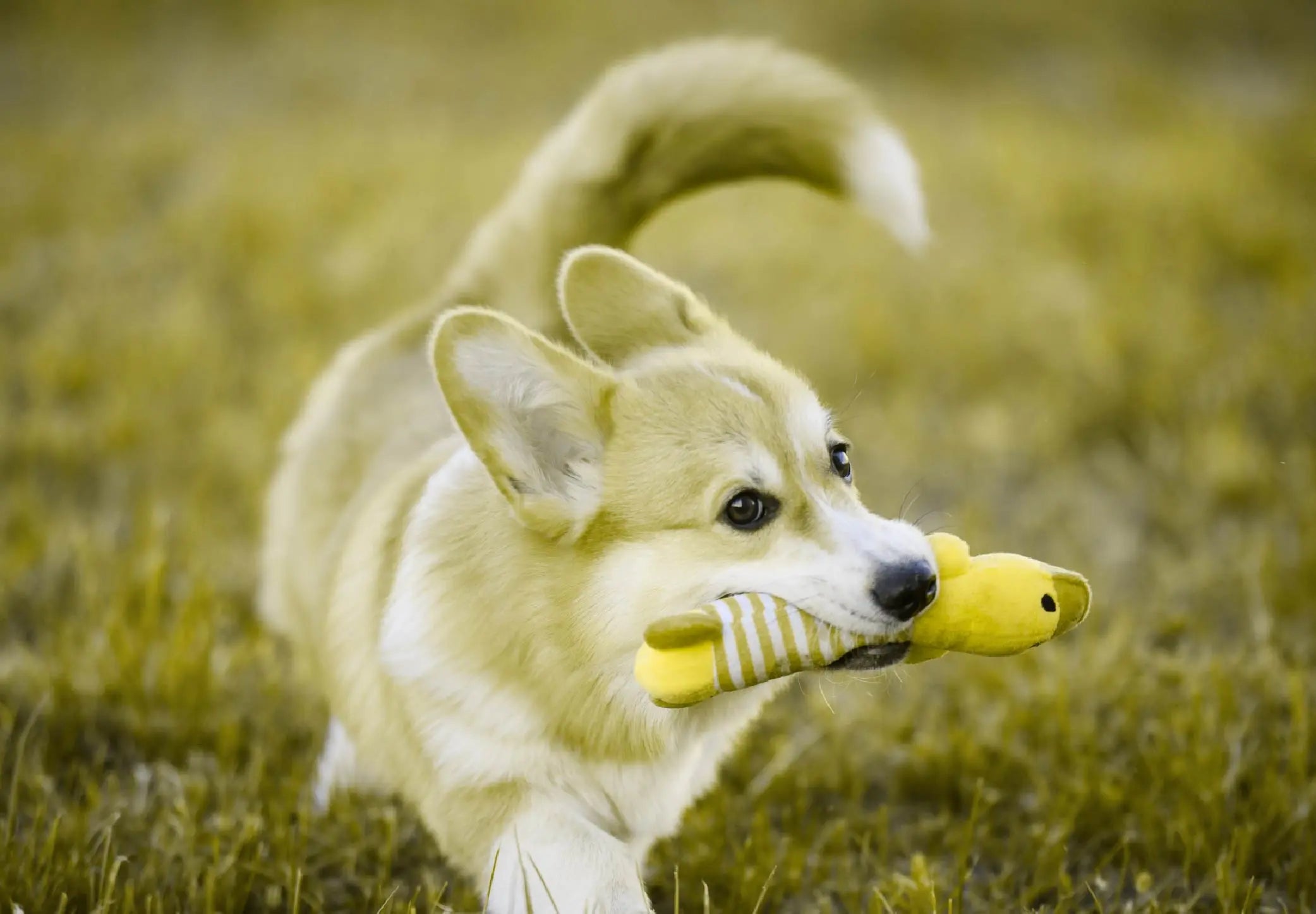
Also, think about the play area color. Toys that contrast with the ground color stand out more. For example, a yellow toy is easy to see on green grass. This helps your dog find toys faster during play.
Credit: canineandco.co.za
Behavioral Factors Influencing Toy Choice
Dogs choose toys based on more than just color. Their behavior plays a big part in what toy they like best. Toys that match their natural habits and senses catch their attention. Understanding these factors helps pick toys dogs enjoy the most.
Role Of Texture And Shape
Dogs use their mouths to explore toys. Soft or chewy textures often feel good to them. Some dogs like rough or bumpy surfaces for chewing. Shapes that fit well in their mouths are easier to carry. Toys shaped like bones or balls often attract dogs. The right texture and shape keep dogs interested longer.
Impact Of Scent And Sound
Scent is a strong factor in toy choice. Toys with familiar or interesting smells attract dogs. Some toys include scents that mimic animals or food. Sounds also play a role in grabbing attention. Squeaky or crinkly toys excite many dogs. Toys with scent and sound can keep dogs playful for hours.
Tips For Selecting Dog Toys
Selecting the right toy for your dog is important. The right toy keeps your dog happy and healthy. It also helps avoid accidents or quick breakage. Choosing toys with care ensures fun and safety.
Safety And Durability
Pick toys made from non-toxic materials. Avoid small parts that your dog can swallow. Toys should be strong to handle chewing. Soft toys may tear quickly and cause choking. Check toys often for wear and tear. Replace broken toys to keep your dog safe.
Engagement And Enrichment
Choose toys that stimulate your dog’s mind and body. Toys that squeak or bounce catch attention. Puzzle toys challenge your dog and prevent boredom. Rotate toys to keep playtime fresh. Different textures and shapes add interest. Engaged dogs are happier and less stressed.
Popular Toy Colors By Dog Breed
Different dog breeds see colors in unique ways. This affects which toy colors they prefer. Knowing these preferences helps you pick the best toys for your dog. Bright and clear colors usually attract dogs more. Some breeds are more sensitive to certain colors than others.
Choosing the right toy color can make playtime more fun. It keeps your dog interested and active. Let’s explore popular toy colors by dog breed.
Toy Preferences In Active Breeds
Active breeds like Border Collies and Labrador Retrievers enjoy bold colors. Red and yellow toys stand out best for them. These colors are easy to spot during fast play. Bright colors keep their attention longer. Blue also works well for some active dogs. These breeds rely on sight during play and hunt.
Color Choices For Senior Dogs
Senior dogs may have poorer eyesight. Toys in blue and yellow are easier for them to see. These colors contrast well with most backgrounds. Soft or pastel shades might be hard to detect. Clear, bright colors help older dogs find toys. This encourages gentle play and keeps them engaged.
Credit: www.thelabradorsite.com
Frequently Asked Questions
What Colors Do Dogs See Best?
Dogs see blue and yellow colors best. They have dichromatic vision, meaning they see fewer colors than humans. Red and green appear as shades of gray or brown to them.
Why Do Dogs Prefer Certain Toy Colors?
Dogs prefer toy colors they can easily distinguish. Bright blue and yellow toys stand out more to dogs. This makes it easier for them to find and play with the toys.
Are Red Toys Visible To Dogs?
No, red toys are less visible to dogs. Dogs cannot distinguish red well; it appears dark or grayish. Avoid red toys if you want your dog to spot them easily.
How Does Color Affect Dog Toy Choice?
Color affects how easily dogs spot toys. High contrast colors like blue and yellow attract dogs’ attention. This enhances playtime and helps dogs find toys quickly.
Conclusion
Dogs see colors differently than humans do. They like toys in blue and yellow shades best. These colors stand out clearly to them. Choosing toys in these hues can keep your dog interested. Bright colors also help you find toys easily.
Remember, the dog’s play style matters too. Soft, chewable, or squeaky toys can attract them more. Watch how your dog reacts to different colors and textures. This way, you can pick the perfect toy for fun and play. Keep your dog happy with the right colorful toys.


