

Have you ever thought about bringing a little bundle of joy into your home that’s small, loving, and full of personality? A toy dog might be exactly what you need.
These tiny companions are not just cute—they can brighten your days, reduce stress, and fit perfectly into your lifestyle. If you’re curious about what makes toy dogs so special and how they can become your perfect pet, keep reading. You’re about to discover everything you need to know to find your new best friend.
Choosing The Right Toy Dog
Choosing the right toy dog is an important step for any dog lover. Toy dogs are small but full of personality. Their size makes them perfect for apartments or homes with little space. Picking the right breed can bring joy for years. Consider your daily routine and home life before deciding.
Each toy dog breed has unique traits. Understanding these helps match a dog to your lifestyle. Some need more exercise, while others prefer quiet time. Knowing what each breed offers makes the choice easier and more rewarding.
Popular Toy Dog Breeds
Chihuahuas are lively and loyal. They love to be close to their owners. Pomeranians have fluffy coats and bright personalities. They enjoy playtime and attention. Yorkshire Terriers are brave and smart. They need regular grooming but are great companions. Maltese dogs are gentle and friendly. They fit well in quiet homes. Each breed offers something special.
Matching Breed To Lifestyle
Active people may prefer a lively breed like a Chihuahua. Calm owners might choose a Maltese or a Pomeranian. Small homes do well with toy breeds that need less space. Families with children should find gentle dogs. Consider how much time you have for grooming and exercise. A good match makes life happier for both.
Adoption Vs. Buying
Adopting a toy dog saves a life. Shelters often have small dogs waiting for homes. Adoption can be less expensive and rewarding. Buying from a breeder means knowing the dog’s history. It is important to choose a responsible breeder. Both options need careful thought and research. The goal is a healthy, happy dog in a loving home.
Setting Up Your Home
Setting up your home for a toy dog is an important step. Small dogs need a safe and comfortable place to live. Preparing your space helps your new pet feel happy and secure. It also keeps your home organized and dog-friendly. This section covers how to create a perfect environment for your little friend.
Safe Spaces For Small Dogs
Small dogs need a quiet and cozy spot to rest. Choose a corner away from loud noises and heavy foot traffic. Use soft bedding that fits their size. A crate or small dog bed works well. This space should feel like a little den. It helps your dog relax and sleep soundly.
Essential Supplies
Gather all the supplies before your dog arrives. Start with food and water bowls that are easy to clean. Pick a collar and leash made for small dogs. Buy toys that are safe and not too big. Have grooming tools like a gentle brush ready. Don’t forget a cozy blanket and puppy pads.
Puppy-proofing Tips
Small dogs are curious and can get into trouble. Remove small objects they might swallow. Keep electrical cords out of reach or covered. Block off areas that are unsafe, like stairs or balconies. Store cleaning supplies and chemicals where dogs cannot reach. Check for gaps or holes in furniture where they could hide.
Nutrition And Feeding
Nutrition and feeding play a key role in the health of toy dogs. These small dogs need balanced meals to stay active and strong. Proper nutrition helps maintain their shiny coat and bright eyes. It also supports their fast metabolism and tiny stomachs.
Choosing the right food and feeding routine keeps your toy dog happy. It prevents common health problems like obesity and dental issues. Understanding what to feed and how often helps you care for your pet better.
Best Diet For Toy Dogs
Toy dogs need high-quality food with good protein and fat. Look for formulas made for small breeds. These foods have small kibble sizes that are easy to chew.
Include fresh meat or fish as a protein source. Avoid fillers like corn and wheat that add no nutrition. Balanced vitamins and minerals support their immune system and bones.
Feeding Schedules
Feed your toy dog two to three small meals daily. Their tiny stomachs cannot hold large amounts of food. Regular feeding times help keep their energy steady all day.
Watch portion sizes carefully to avoid overeating. Use a measuring cup for accuracy. Stick to a routine to prevent begging or anxiety around food.
Treats And Supplements
Treats should be healthy and given in moderation. Choose low-calorie snacks made for small dogs. Avoid sugary or fatty human foods that can harm them.
Supplements like omega-3 fatty acids can improve skin and coat health. Consult your vet before adding supplements. They ensure your toy dog gets all needed nutrients safely.
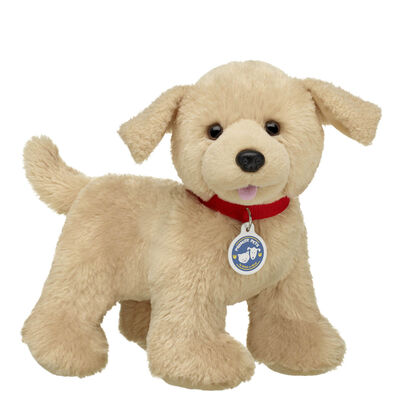
Credit: www.buildabear.com
Exercise And Playtime
Toy dogs need exercise and playtime to stay healthy and happy. They have small bodies but lots of energy. Regular activity helps them avoid weight gain and behavior problems. Playtime also builds a strong bond between you and your pet.
Short, frequent sessions work best. Toy dogs enjoy moving around but can tire quickly. Safe, gentle activities keep them active without strain.
Suitable Activities
Short walks suit toy dogs well. They enjoy exploring smells and sights outside. Indoor fetch with soft toys is fun and safe. Gentle tug-of-war games also keep them engaged. Avoid rough play that might hurt their small frames.
Mental Stimulation
Toy dogs need mental exercise too. Puzzle feeders challenge their minds while feeding. Training sessions teach new tricks and commands. These activities reduce boredom and prevent bad habits. Keep sessions brief to hold their attention.
Interactive Toys
Interactive toys provide fun and learning. Toys that squeak or move catch their interest. Treat-dispensing toys reward good behavior. Rotate toys often to keep playtime fresh. Choose safe toys sized for small mouths.
Training Basics
Training a toy dog starts with simple and clear steps. These little dogs learn best with patience and routine. Training builds good habits early and makes life easier for both you and your dog. It creates trust and helps your dog understand what you expect.
Housebreaking Tips
Begin housebreaking as soon as you bring your toy dog home. Take your dog outside often, especially after meals and naps. Choose a specific spot for your dog to relieve itself. Praise and reward your dog immediately after it goes outside. Stay consistent with timing and place to avoid accidents indoors. Clean any indoor accidents with an enzyme cleaner to remove odors.
Basic Commands
Start with simple commands like “sit,” “stay,” and “come.” Use a calm, clear voice to give commands. Keep training sessions short, about 5 to 10 minutes. Reward your dog with treats or praise for obeying commands. Repeat commands regularly to help your dog remember. Avoid scolding; encourage good behavior with positive reinforcement.
Socialization Strategies
Expose your toy dog to different people and environments early. Introduce your dog to other dogs in a controlled setting. Use treats to create positive experiences during new encounters. Allow your dog to explore new sounds and places slowly. Socialization reduces fear and helps your dog feel confident. Regular social time improves your dog’s behavior and mood.

Credit: www.amazon.com
Health Care Essentials
Taking care of a toy dog means paying attention to its health needs. Small dogs have special care requirements. Keeping them healthy involves regular checkups, watching for common problems, and proper grooming. These steps help your toy dog live a happy, long life.
Regular Vet Visits
Visit the vet at least twice a year. These visits help catch health problems early. Vaccinations and parasite control keep your dog safe. The vet also checks teeth, ears, and eyes for issues. Early care can prevent serious illness.
Common Health Issues
Toy dogs often face dental problems. Their small mouths can crowd teeth. This leads to plaque and gum disease. Watch for breathing troubles or coughing. Some toy breeds may have heart problems. Keep an eye on energy levels and appetite.
Grooming Needs
Brush your toy dog’s coat daily. This stops mats and tangles from forming. Regular baths keep skin clean and healthy. Trim nails carefully to avoid pain. Clean ears to prevent infections. Grooming also helps you spot health issues early.
Traveling With Your Toy Dog
Traveling with your toy dog can be a fun and rewarding experience. These small companions fit easily into many travel situations. Planning ahead makes trips smoother for both you and your pet. Knowing what to pack, how to keep your dog safe, and ways to reduce stress helps a lot.
Packing Essentials
Bring food and water for your toy dog. Pack bowls that do not spill. Carry a leash and harness for walks. Include your dog’s favorite toys and blanket. Bring waste bags to clean up after your pet. Don’t forget any medicine or health papers. A small first aid kit is helpful too.
Safety Tips
Keep your toy dog secure in a crate or carrier. Make sure it fits well and has ventilation. Use a harness for car travel, not just a collar. Avoid letting your dog stick its head out of windows. Never leave your dog alone in hot cars. Keep an eye on your pet at all times.
Managing Stress On The Go
Toy dogs can get scared by new places and noises. Speak softly to calm your dog. Give breaks for walking and bathroom stops. Use treats to reward calm behavior. Keep a consistent routine for feeding and rest. A calm pet makes travel easier for everyone.
Building A Strong Bond
Building a strong bond with your toy dog is key to a happy relationship. Trust and love grow with care and attention. This bond helps your dog feel safe and loved. It also makes training easier and life more joyful.
Understanding your toy dog’s behavior and spending quality time together builds this connection. Positive actions create trust and respect. Here are some ways to deepen your bond with your small companion.
Understanding Canine Behavior
Learning how your toy dog thinks and feels helps you respond better. Dogs use body language like tail wagging or barking to show emotions. Pay attention to these signs. This helps you meet their needs.
Recognize when your dog is happy, scared, or tired. Respect their feelings and space. This builds trust and makes your dog more comfortable around you.
Positive Reinforcement
Reward good behavior with treats, praise, or petting. This teaches your dog what you expect. Positive reinforcement makes learning fun and effective. Avoid punishment, which can cause fear or confusion.
Be consistent with rewards. This helps your dog remember good habits. Celebrate small successes to keep your dog motivated and happy.
Quality Time Activities
Spend time playing, walking, or cuddling with your toy dog. These moments create joy and trust. Choose activities your dog enjoys and feels safe doing.
Try simple games like fetch or gentle tug-of-war. Quiet time with petting also strengthens your bond. Regular quality time shows your dog they are loved.

Credit: www.amazon.com
Frequently Asked Questions
What Is A Toy Dog Breed?
A toy dog breed is a small-sized dog bred for companionship. They usually weigh under 10 pounds and have charming, affectionate personalities.
Are Toy Dogs Good For Apartments?
Yes, toy dogs are ideal for apartments. Their small size needs less space and exercise, making them perfect for indoor living.
How Long Do Toy Dogs Typically Live?
Toy dogs generally live 12 to 16 years. Their small size often contributes to a longer lifespan compared to larger breeds.
What Are Common Health Issues In Toy Dogs?
Common health issues include dental problems, patellar luxation, and respiratory concerns. Regular vet check-ups help maintain their well-being.
Conclusion
Toy dogs bring joy and comfort to many homes. They fit well in small spaces and need less exercise. Their small size makes them easy to carry and care for. People love their playful nature and loyal hearts. Choosing the right toy dog means thinking about your lifestyle.
These little pets offer big love and fun every day. A toy dog can be a perfect friend for all ages. Simple care and lots of love keep them happy and healthy. Consider a toy dog for a cheerful, loving companion.


