

Have you ever wondered why your dog gets so excited over a simple toy? It’s not just about fun—there’s a lot more going on beneath that wagging tail and eager bark.
Understanding why dogs love their toys can help you choose the best ones to keep your furry friend happy, healthy, and mentally sharp. Keep reading to discover the surprising reasons behind your dog’s toy obsession and how you can use this knowledge to strengthen your bond.
Your dog’s next favorite toy might be closer than you think!
Instinctive Chewing Habits
Dogs have a natural urge to chew. This habit comes from deep inside their nature. Chewing helps dogs feel good and stay healthy. It also keeps their teeth and jaws strong. Toys satisfy this urge and keep dogs busy and happy.
Evolutionary Roots
Dogs come from wild ancestors who chewed to survive. Chewing helped them eat tough food and break bones. This habit passed down to modern dogs. It is part of their natural behavior. Chewing also helped wild dogs explore and learn about their world.
Teething And Jaw Exercise
Puppies chew to ease sore teeth during teething. Chewing reduces pain and soothes their gums. For adult dogs, chewing keeps their jaws strong. It exercises muscles used for biting and chewing food. Toys give dogs a safe way to chew and exercise their jaws daily.
Mental Stimulation Benefits
Mental stimulation is vital for a dog’s health and happiness. Toys provide more than fun. They engage a dog’s brain and keep it active. This mental exercise helps dogs stay sharp and calm. It also reduces stress and unwanted behaviors. Toys challenge dogs to think, explore, and learn. This keeps their mind busy and strong.
Preventing Boredom
Boredom can lead to bad behavior in dogs. Chewing shoes or barking often happens when dogs have no mental activity. Toys help fill the empty time. They give dogs something interesting to focus on. This stops boredom and keeps dogs content. A busy mind means a happy dog.
Problem-solving Skills
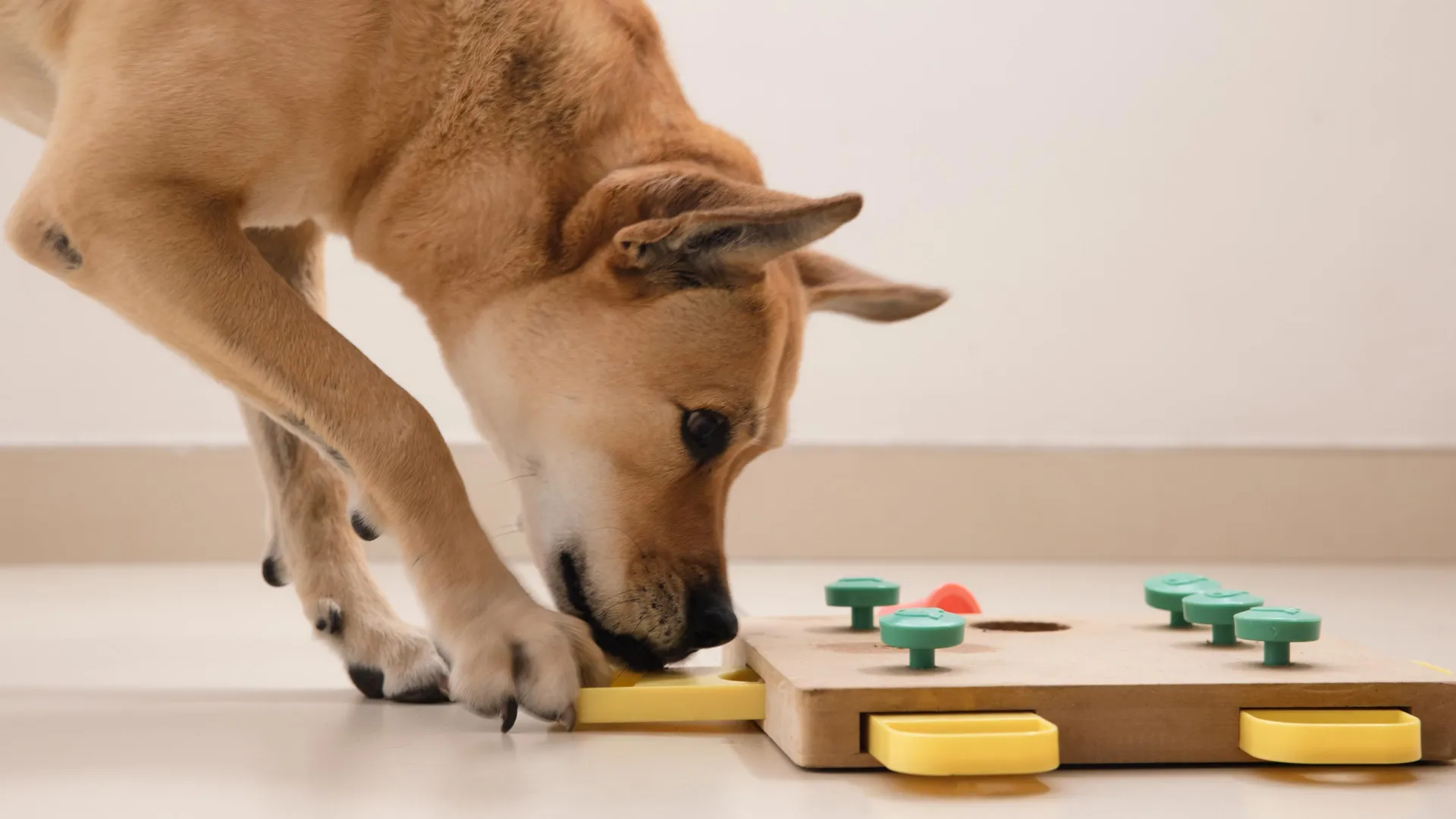
Many toys are designed to make dogs think. Puzzle toys require dogs to find treats or move parts. This challenges their problem-solving skills. Dogs learn to use their nose, paws, and brain to solve puzzles. These skills improve their intelligence and confidence. Problem-solving also keeps their mind active and prevents dullness.
Emotional Comfort
Dogs often find great comfort in their toys. These objects are more than just playthings. They help dogs feel safe and calm. Toys can provide emotional support, especially during tough moments. Understanding this comfort helps pet owners choose the right toys for their dogs.
Stress Relief
Toys help dogs release stress. Chewing or playing distracts them from worries. This activity lowers anxiety and calms their mind. Soft toys offer a sense of security. Hard toys keep their jaws busy and focused. Stress relief through toys supports a happy dog.
Separation Anxiety Aid
Many dogs feel lonely when alone. Toys can ease this feeling. Familiar toys remind dogs of their owners. They offer comfort in empty rooms. Toys reduce barking and destructive behavior. Using toys helps dogs handle separation better.

Credit: www.yahoo.com
Physical Exercise
Physical exercise is key to a dog’s health and happiness. Toys play a big role in making exercise fun and easy. They help dogs move more and stay active every day.
Encouraging Activity
Toys motivate dogs to run, jump, and play. A ball or frisbee invites chasing and fetching. Chew toys keep dogs busy and moving. This activity boosts energy and keeps dogs strong. Dogs enjoy playtime more with their favorite toys.
Healthy Weight Maintenance
Exercise helps dogs burn calories and avoid weight gain. Overweight dogs can face health problems. Toys encourage regular movement to keep dogs fit. Playing with toys makes exercise feel like fun, not a chore. This helps dogs stay at a healthy weight long-term.
Social Interaction
Toys play a big role in a dog’s social life. They help dogs connect with their owners and other dogs. Social interaction is important for a dog’s happiness and health. Toys create chances for fun and bonding. Dogs use toys to share moments and show their feelings.
Bonding With Owners
Toys help dogs and owners spend time together. Playing with a toy builds trust and friendship. Dogs feel loved when owners join their play. This shared activity makes dogs happier and calmer. It also teaches dogs to listen and follow commands.
Play With Other Dogs
Toys encourage dogs to play with friends. Dogs use toys to invite other dogs to join. Tug-of-war and fetch are popular games among dogs. Playing with toys helps dogs learn social skills. It reduces boredom and keeps them active and healthy.
Credit: www.sciencedaily.com
Variety Of Toy Preferences
Dogs enjoy many types of toys. Each dog has its own favorite kind. Some like to chew, others love to fetch. Some dogs enjoy toys that make them think. This variety helps keep dogs happy and active. Toys also help dogs use their energy in fun ways.
Understanding your dog’s toy preferences can improve their playtime. It also strengthens the bond between you and your pet.
Chew Toys Vs. Fetch Toys
Chew toys satisfy a dog’s natural urge to bite and chew. They help keep teeth clean and jaws strong. Dogs that like to chew often choose rubber or nylon toys. Fetch toys encourage running and catching. These toys are usually balls or frisbees. Dogs that love fetch enjoy chasing and retrieving. Both types provide exercise and mental stimulation.
Interactive And Puzzle Toys
Interactive toys challenge a dog’s mind. Puzzle toys hide treats, making dogs work to find them. These toys improve problem-solving skills. Dogs feel proud when they solve puzzles. Interactive toys also reduce boredom and anxiety. They are perfect for smart and curious dogs. Such toys keep dogs busy and happy for longer.
Tips For Choosing The Right Toy
Choosing the right toy for your dog is important. The right toy keeps your dog happy and safe. It also lasts longer and fits your dog’s size and play style. Consider a few key points before buying a toy.
Safety Considerations
Pick toys made from non-toxic materials. Avoid small parts that your dog can swallow. Check for loose pieces that may break off easily. Choose toys designed for dogs, not children. Always supervise your dog during play to prevent accidents.
Durability And Size
Select toys that match your dog’s chewing strength. Hard chewers need tough, durable toys. Softer toys suit gentle chewers. The toy size should be bigger than your dog’s mouth. Small toys can cause choking hazards. Durable and well-sized toys last longer and keep your dog engaged.

Credit: www.nbcrightnow.com
Frequently Asked Questions
Why Do Dogs Enjoy Playing With Toys?
Dogs enjoy toys because they stimulate their minds and bodies. Toys help relieve boredom and reduce anxiety. Playing with toys mimics natural hunting and chewing instincts, keeping dogs happy and healthy.
How Do Toys Benefit A Dog’s Mental Health?
Toys challenge dogs mentally by encouraging problem-solving and focus. Interactive toys reduce stress and prevent destructive behavior. Mental stimulation from toys keeps dogs engaged and emotionally balanced.
Can Toys Improve A Dog’s Physical Health?
Yes, toys promote physical exercise by encouraging movement and play. Active play supports weight management and muscle development. Regular toy play helps maintain a dog’s overall fitness and mobility.
What Types Of Toys Do Dogs Prefer?
Dogs prefer toys that are durable, chewable, and interactive. Squeaky toys, balls, and tug toys are popular choices. Preferences vary by breed, age, and personality, so variety is important.
Conclusion
Dogs enjoy toys because they stimulate their minds and bodies. Toys help dogs stay active and reduce boredom. Chewing and playing satisfy their natural instincts. Toys also provide comfort and fun during alone time. Choosing the right toy keeps dogs happy and healthy.
Playtime strengthens the bond between dogs and owners. Simple toys can bring great joy to dogs’ daily lives. Giving dogs toys supports their overall well-being and happiness.


