
How often should you get your dog groomed? If you’ve ever wondered about the right timing, you’re not alone.
Grooming isn’t just about making your dog look good—it’s essential for their health and happiness. But how do you know when it’s time for the next bath, trim, or nail clip? You’ll discover simple guidelines that fit your dog’s unique needs.
Keep reading to learn how the right grooming schedule can keep your furry friend comfortable, clean, and full of energy.
Factors Influencing Grooming Frequency
Several factors affect how often a dog needs grooming. Not every dog requires the same care schedule. Understanding these factors helps keep your dog healthy and happy. Grooming is more than just looks. It supports skin health, comfort, and hygiene.
Breed And Coat Type
Different breeds have different coat needs. Dogs with long or thick fur often need more grooming. Their coats can mat or tangle quickly. Short-haired dogs may need less frequent grooming. Some breeds shed heavily and require regular brushing to control hair. Coat type impacts how often bathing and trimming are necessary.
Age And Health
Puppies and senior dogs need gentler grooming routines. Older dogs might have sensitive skin or health issues. Health problems can change grooming needs. Dogs with skin conditions may need special care. Regular grooming helps spot health problems early. Tailor grooming to your dog’s age and health.
Lifestyle And Activity Level
Active dogs that spend time outdoors may need more grooming. Dirt, mud, and debris can collect in their fur. Dogs that live mostly indoors may stay cleaner longer. Swimming or playing in water also affects grooming frequency. Grooming keeps active dogs comfortable and clean.

Credit: www.likeablepets.com.sg
Signs Your Dog Needs Grooming
Knowing the signs your dog needs grooming helps keep them healthy and happy. Regular grooming is more than just looking good. It prevents problems and makes your dog feel comfortable. Watch your dog closely for these clear signs.
Matting And Tangles
Matting happens when your dog’s fur knots tightly. It pulls on the skin and causes pain. Tangles trap dirt and can lead to skin infections. Long-haired dogs need special care to avoid mats. Check their coat often and brush out any knots.
Skin Irritations
Red, itchy, or flaky skin shows your dog may need grooming. Dirt and dead hair build up and block pores. This causes irritation and sometimes sores. Grooming removes irritants and helps the skin heal. Notice if your dog scratches more than usual.
Unpleasant Odors
A bad smell from your dog means it is time for grooming. Dirt, oils, and sweat build up on the skin and fur. This causes an odor that regular brushing cannot fix. Bathing and cleaning keep your dog fresh and healthy. Pay attention to any sudden bad smells.
Basic Grooming Tasks And Timing
Basic grooming keeps your dog healthy and happy. It prevents mats, skin problems, and infections. Regular care also strengthens your bond with your dog. Knowing how often to perform basic tasks helps maintain their well-being.
Each grooming task has its own timing. Some need daily attention, others weekly or monthly. Understanding these tasks helps you plan a good grooming routine.
Brushing And Combing
Brush your dog’s coat to remove dirt and loose hair. Long-haired dogs need brushing every day. Short-haired dogs benefit from brushing once or twice a week. Brushing prevents tangles and keeps skin healthy.
Bathing Schedule
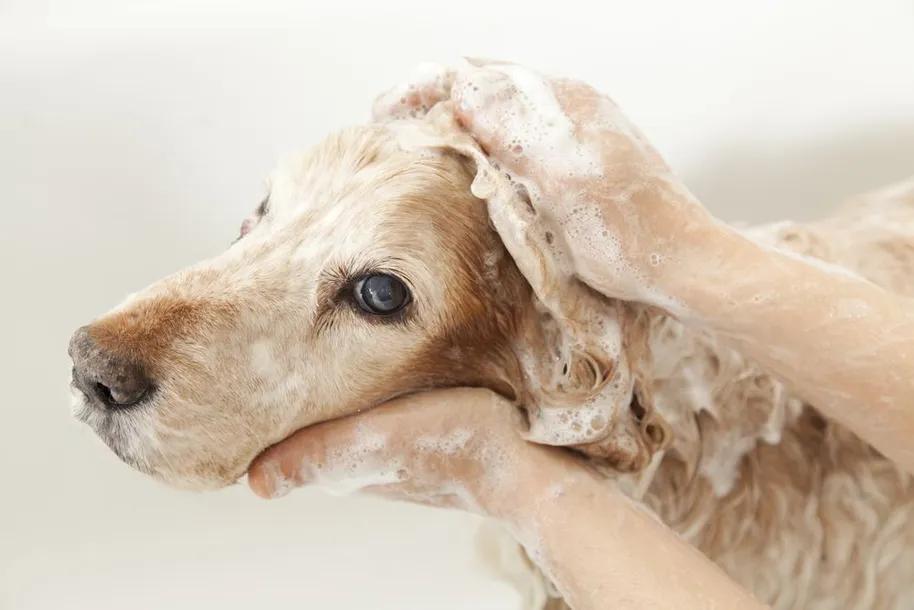
Bathe your dog to keep its coat clean and fresh. Most dogs need a bath every one to three months. Dogs with oily skin or dirt exposure may need more baths. Avoid bathing too often; it can dry out the skin.
Nail Trimming
Trim your dog’s nails every three to four weeks. Long nails cause pain and walking problems. Check nails weekly to see if they need trimming. Use proper nail clippers for safety and comfort.
Ear And Teeth Care
Clean your dog’s ears once a week. Use a vet-approved cleaner and cotton balls. Check for redness or bad smell, signs of infection. Brush your dog’s teeth daily or at least a few times a week. Good dental care prevents bad breath and dental disease.
Credit: www.summitdogandcat.com
Professional Grooming Vs Home Grooming
Deciding between professional grooming and home grooming depends on your dog’s needs. Both methods help keep your dog clean and healthy. Choosing the right option saves time and ensures your dog feels comfortable. Understanding the differences helps you care for your pet better.
When To Visit A Groomer
Professional groomers handle tough tasks like trimming and nail clipping. Dogs with thick or long hair need regular visits. Groomers also check for skin problems and infections. If your dog is nervous or hard to manage, a groomer can help. Special styles or deep cleaning require expert skills. Visit a groomer every 4 to 8 weeks for best results.
Tools For Home Grooming
Basic tools include brushes, combs, and nail clippers. Use a slicker brush for removing loose hair. A comb helps detangle knots gently. Nail clippers or grinders keep nails at a safe length. Dog-friendly shampoos and conditioners protect skin and coat. Regular brushing at home reduces shedding. Clean ears and eyes with soft cloths or wipes. Learning the right technique makes grooming easier.
Benefits Of Professional Care
Groomers have experience with many dog breeds and coat types. They can spot health issues early during grooming sessions. Professionals use safe, high-quality products. Grooming salons offer tools not found at home. Stress is lower when experts handle your dog. Your dog looks neat and feels fresh longer. Regular professional care supports your dog’s overall health and happiness.
Seasonal Grooming Tips
Seasonal changes affect your dog’s grooming needs. Each season brings different challenges for their coat and skin. Adjust grooming habits to keep your dog healthy and comfortable all year.
Regular grooming helps prevent matting, skin problems, and discomfort. Tailor your grooming routine to the season to meet your dog’s specific needs.
Summer Grooming Needs
Summer heat can be tough on dogs. Shorter haircuts help keep them cool. Brush your dog often to remove loose fur and dirt.
Check for ticks and fleas regularly. These pests are more active in warm weather. Bathing your dog with a gentle shampoo can soothe irritated skin.
Trim the fur around paws to prevent dirt buildup. Never shave your dog’s coat too short; it protects from sunburn.
Winter Coat Care
Winter cold calls for a thicker coat. Avoid cutting your dog’s fur too short. It keeps them warm and shields from cold winds.
Brush the coat regularly to prevent mats and tangles. Dry skin can happen in winter, so use moisturizing shampoos.
Check paws for cracks or ice buildup. Use paw balm to protect and heal dry pads. Keep grooming steady to maintain a healthy winter coat.

Credit: usapetgrooming.com
Common Grooming Mistakes To Avoid
Grooming your dog is important for its health and happiness. Mistakes during grooming can cause problems. Avoiding common errors helps keep your dog safe and comfortable. Learn about common grooming mistakes and how to avoid them.
Overbathing Risks
Bathing your dog too often can dry out its skin. This causes itching, redness, and flaking. Natural oils protect your dog’s coat. Overbathing removes these oils, making the skin fragile. Stick to a regular bath schedule based on your dog’s breed and activity level.
Improper Nail Cutting
Cutting nails too short can hurt your dog. It causes pain and bleeding. Cutting nails too long can lead to discomfort and walking problems. Use the right tools and learn the correct method. If unsure, ask a groomer or vet for help.
Ignoring Skin Conditions
Skin issues like redness or bumps need attention. Ignoring these signs can worsen infections or allergies. Check your dog’s skin regularly during grooming. Seek veterinary advice if you notice unusual changes. Early care prevents serious problems.
Frequently Asked Questions
How Often Should I Groom My Dog By Breed?
Grooming frequency varies by breed. Long-haired dogs need grooming every 4-6 weeks. Short-haired breeds can be groomed every 8-12 weeks. Regular grooming keeps your dog healthy and comfortable.
What Are Signs My Dog Needs Grooming?
Signs include matted fur, bad odor, itchy skin, and excessive shedding. Dirty ears or long nails also indicate grooming is due. Timely grooming prevents health issues and discomfort.
Can Grooming Frequency Affect My Dog’s Health?
Yes, regular grooming promotes skin health and reduces infections. It helps detect parasites early and improves coat condition. Grooming also supports overall hygiene and comfort.
How Does Age Affect Dog Grooming Needs?
Older dogs may need gentler, more frequent grooming due to sensitive skin. Puppies require gradual introduction to grooming routines. Adjust grooming based on your dog’s age and health.
Conclusion
Regular grooming keeps your dog healthy and happy. Frequency depends on breed, coat type, and activity level. Short-haired dogs need fewer baths and trims. Long-haired dogs require more frequent care. Watch your dog’s skin and coat for signs of dirt or mats.
Clean ears and trimmed nails prevent discomfort. Set a grooming routine that fits your dog’s needs. Consistent care helps avoid skin problems and tangles. Remember, happy dogs enjoy grooming sessions more. Caring for your dog’s coat protects their overall well-being.


