

Have you noticed your dog acting a little different after their rabies shot? It’s natural to worry when your furry friend’s behavior changes suddenly.
You might wonder if the vaccine is causing it or if something else is going on. Understanding these changes can help you stay calm and know what to expect. You’ll discover why your dog’s behavior might shift after a rabies vaccination and what signs you should watch for.
Keep reading to learn how to keep your pet safe and comfortable during this time.
Common Reactions To Rabies Vaccine
Rabies vaccination is important for your dog’s health. After the shot, some dogs show small changes. These changes are usually short and not serious. Knowing what to expect helps you care for your dog better. Here are common reactions to the rabies vaccine.
Mild Side Effects
Some dogs get a little sore where the shot was given. The area may swell or feel warm. Mild fever can happen too. Your dog might seem tired or less active. These signs usually go away in a day or two. Watch your dog, but don’t worry too much.
Temporary Behavior Shifts
Your dog may act different for a short time. They might be quieter or less playful than usual. Some dogs seem a bit grumpy or clingy. These changes last a day or two. After this, your dog should return to normal. Keep your dog calm and comfortable during this time.
Credit: drruthroberts.com
Signs Of Discomfort In Dogs
After a rabies vaccination, dogs may show signs of discomfort. These signs help owners notice if their pet feels unwell. Watching for changes in behavior is important. Early detection can prevent more serious problems. Understanding these signs helps you care for your dog better.
Lethargy And Fatigue
Dogs may seem tired or less active after vaccination. They might sleep more than usual. Playing and walking might lose their interest. This tiredness usually lasts a day or two. Rest helps your dog recover faster.
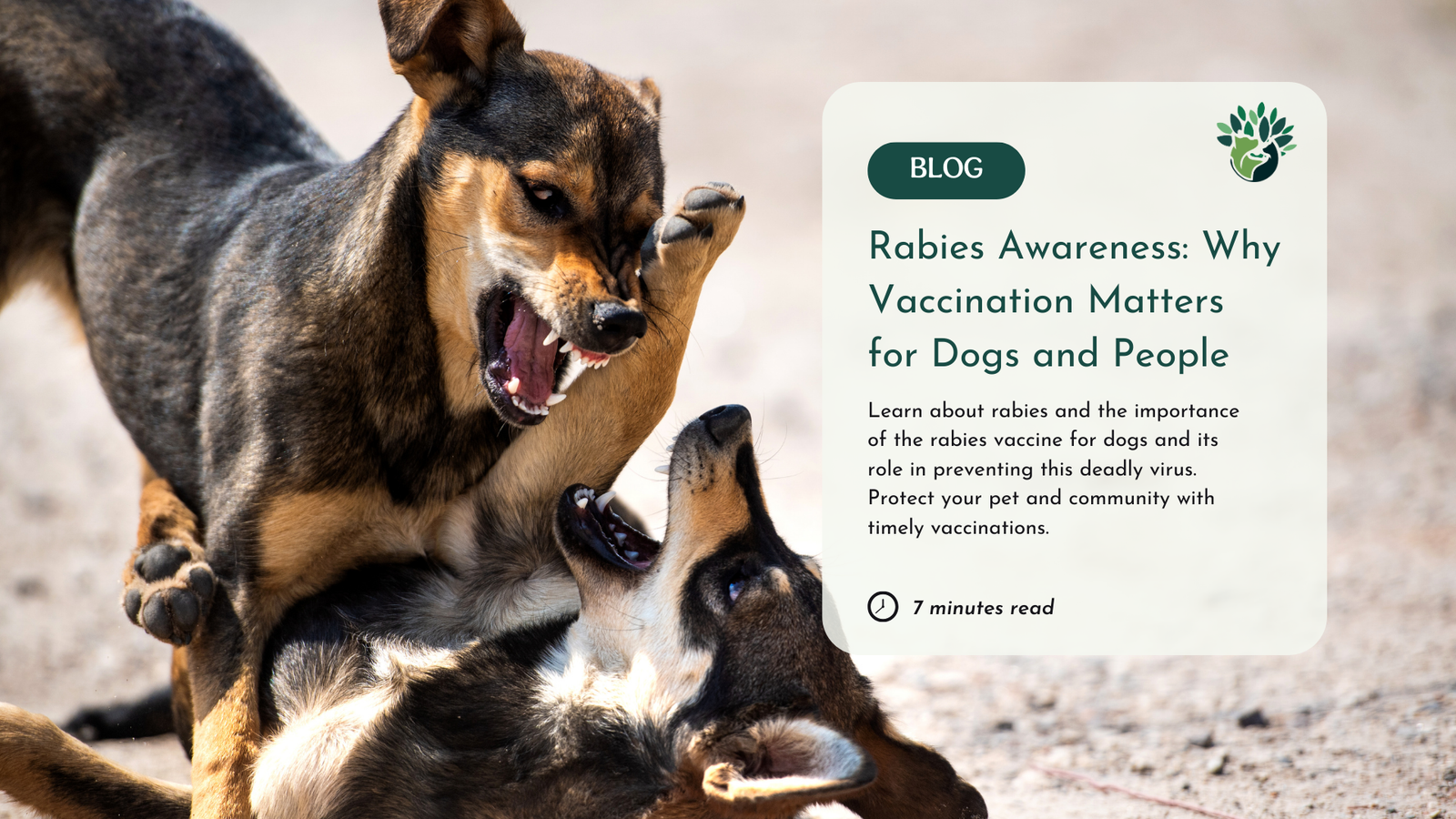
Irritability Or Aggression
Some dogs become grumpy or aggressive after their shot. They may growl or snap at people or other pets. This change shows they feel pain or discomfort. Give your dog space and avoid rough handling. Calm and quiet time can soothe them.
Loss Of Appetite
Vaccinated dogs might eat less or refuse food. Their stomach may feel upset or uneasy. This loss of appetite is often short-term. Offer small, easy-to-digest meals. Monitor their eating to ensure they stay hydrated.
When Behavior Changes Are Normal
After a rabies vaccination, some dogs may show changes in behavior. These changes can feel worrying to pet owners. It is important to know which changes are normal and which need a vet’s attention. Many dogs have mild reactions that go away quickly. Understanding normal behavior changes helps keep your dog safe and calm.
Duration Of Symptoms
Behavior changes usually last only a few hours to two days. Mild tiredness or slight irritability often appears soon after vaccination. These signs fade as the dog’s body adjusts to the vaccine. If symptoms continue longer than 48 hours, contact your vet. Normal reactions do not cause severe or long-lasting problems.
Typical Recovery Timeline
Most dogs recover fully within 24 to 48 hours. Energy levels return to normal by the second day. Eating and drinking habits improve quickly. Watch for signs like swelling or fever that last beyond this period. Normal recovery means your dog acts like itself again soon after the shot.
Potential Serious Reactions
Rabies vaccination is crucial for your dog’s health. Most dogs tolerate the vaccine well. Some dogs may show serious reactions after the shot. These reactions need quick attention. Knowing the signs helps you protect your pet.
Allergic Responses
Allergic reactions can occur soon after vaccination. Watch for swelling, itching, or hives on your dog. Difficulty breathing or vomiting are also signs. These symptoms need immediate care from a vet.
Neurological Symptoms
Some dogs may show changes in behavior or movement. They might seem confused or weak. Tremors, seizures, or unsteady walking can appear. These signs suggest a serious issue in the nervous system.
Emergency Signs
Emergency signs include collapse, difficulty breathing, or severe swelling. Your dog may become very weak or unconscious. Call a vet right away if you see these symptoms. Quick action can save your dog’s life.
Managing Behavior Changes Post-vaccination
After rabies vaccination, some dogs may show changes in behavior. These changes are usually mild and short-term. Managing these behaviors helps your dog feel safe and calm. Understanding what to do ensures a smooth recovery.
Comfort And Care Tips
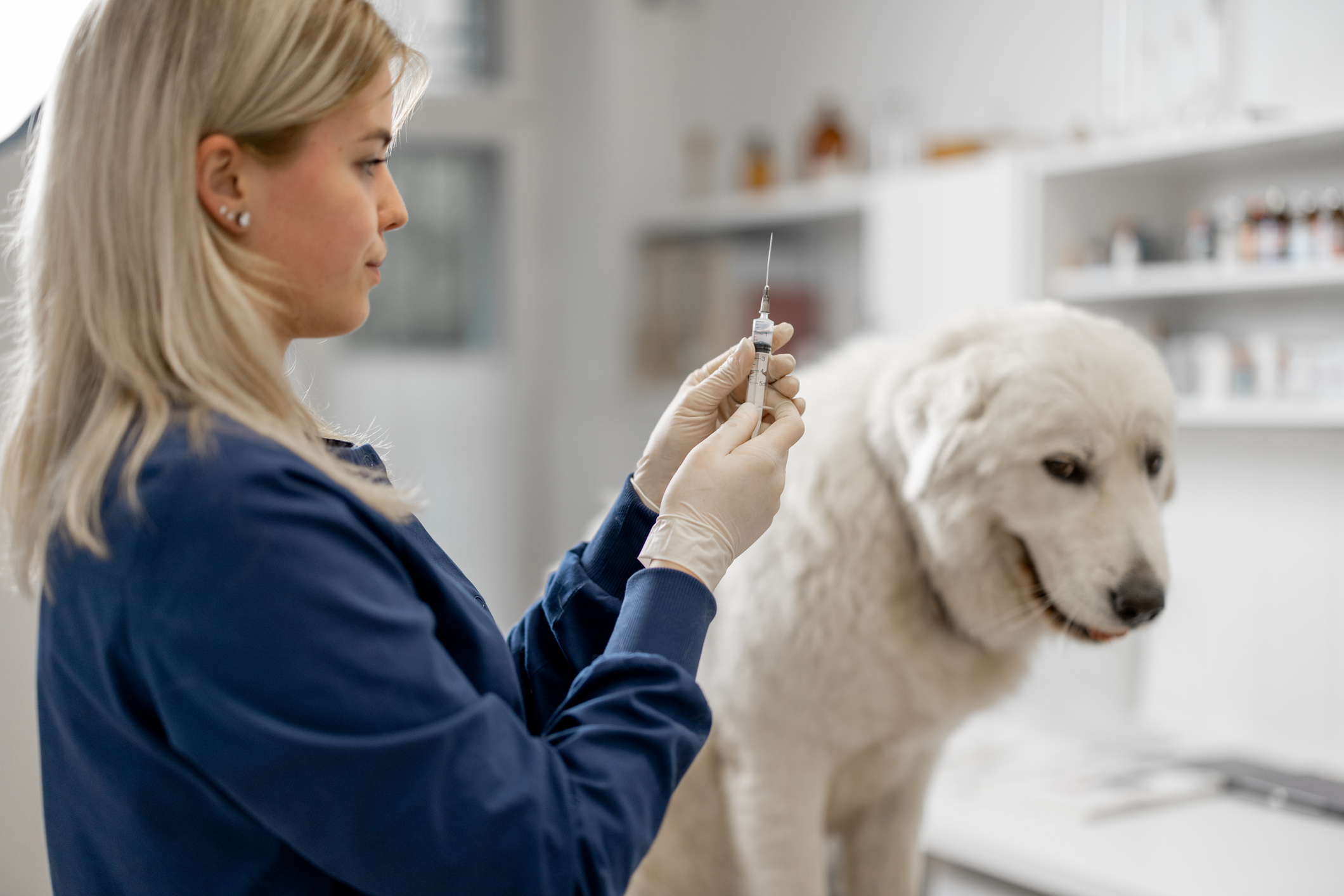
Provide a quiet space for your dog to rest. Soft bedding and calm surroundings help reduce stress. Offer fresh water and light food. Avoid loud noises or rough play. Gentle petting can soothe your dog. Keep your dog indoors to prevent extra stress.
Monitoring Your Dog
Watch for signs like tiredness, swelling, or slight fever. Note any unusual aggression or fear. Track how long these behaviors last. Keep a daily log of your dog’s mood and activity. Early observation helps catch problems fast. Stay alert to any new or worsening symptoms.
When To Contact A Vet
Seek help if swelling grows or your dog has trouble walking. Call the vet if your dog stops eating or drinking. Unusual breathing or severe lethargy are warning signs. Sudden aggressive behavior or seizures need immediate care. Trust your instincts to protect your dog’s health.
Credit: pennypaws.com
Preventing Stress During Vaccination
Vaccination can be stressful for dogs. Their behavior may change due to fear or discomfort. Reducing stress helps your dog stay calm and safe during the process. It also supports a smoother recovery after the shot. Simple steps before and after vaccination can make a big difference.
Preparing Your Dog
Start by creating a calm environment before the visit. Speak softly and offer gentle pets to reassure your dog. Avoid loud noises or sudden movements that may cause anxiety. Bring a favorite toy or blanket for comfort. Practice short visits to the vet without shots to build trust. Keep your dog on a leash or in a carrier for safety.
Post-vaccine Environment
After vaccination, provide a quiet and familiar space for rest. Limit your dog’s activity to prevent overexertion. Offer fresh water and small meals to support recovery. Watch for signs of discomfort like whining or hiding. Avoid stressful situations, like loud gatherings or new pets. Gentle attention helps your dog feel secure and loved.
Long-term Effects On Behavior
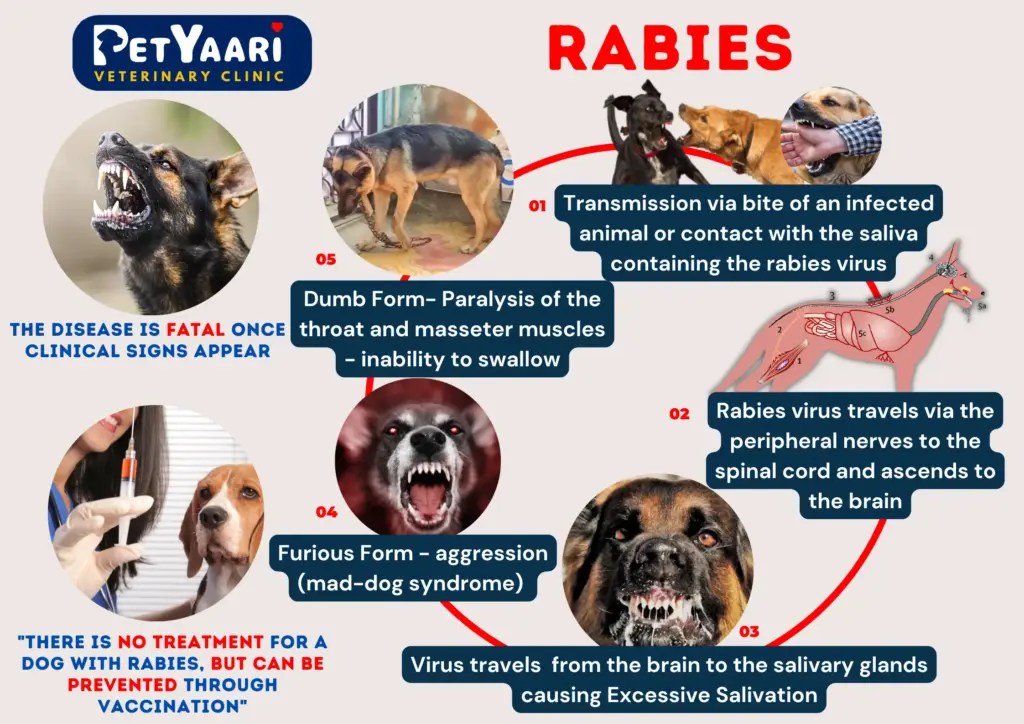
Rabies vaccination is crucial for dog health and public safety. Most dogs show little to no change in behavior after the vaccine. Long-term effects on behavior are uncommon and usually mild. Understanding these effects helps owners stay calm and informed.
Rare Cases
Some dogs may show rare, mild changes after vaccination. These changes include slight irritability or tiredness. Such effects usually last a few days only. Serious behavior changes after rabies shots are very rare. Always report unusual signs to your vet for advice.
Behavioral Baseline Restoration
Most dogs return to their normal behavior quickly. The vaccine does not affect a dog’s personality long term. Dogs regain their usual energy and mood within days. Regular routines and care help restore their behavior baseline. This process supports the dog’s comfort and well-being.
Credit: petyaari.com
Frequently Asked Questions
Can Rabies Vaccination Affect Dog Behavior Temporarily?
Yes, some dogs may show mild behavior changes like lethargy or irritability after rabies vaccination. These effects are usually short-lived and resolve within a day or two.
Why Does My Dog Act Different After Rabies Shot?
Behavior changes after rabies vaccination can occur due to mild immune response or discomfort at the injection site. These reactions are normal and typically disappear quickly.
Is Aggressive Behavior Common Post Rabies Vaccination?
Aggressive behavior after rabies vaccination is rare. If your dog shows unusual aggression, consult a vet to rule out other causes or vaccine reactions.
How Long Do Behavior Changes Last After Rabies Vaccine?
Behavior changes after rabies vaccination typically last 24 to 48 hours. If symptoms persist longer, seek veterinary advice to ensure your dog’s well-being.
Conclusion
Rabies vaccination may cause some mild changes in dog behavior. These changes usually last a short time and go away on their own. Watch your dog closely after the shot. If unusual signs last longer, check with your vet. Vaccination helps protect your dog from serious illness.
Understanding these behavior changes helps you stay calm and prepared. Keep your dog safe and healthy by staying informed. Regular vet visits support your dog’s well-being. Your care makes a big difference in your dog’s life.


