

Is your dog acting out in ways that leave you frustrated or worried? You’re not alone.
Bad behavior in dogs can be tough to handle, but the good news is that you can change it. Imagine enjoying peaceful walks, calm mornings, and a happy, well-behaved companion by your side. This guide will show you simple, effective steps to correct your dog’s behavior and build a stronger bond.
Keep reading—you’re about to discover how to turn challenges into success with your furry friend.
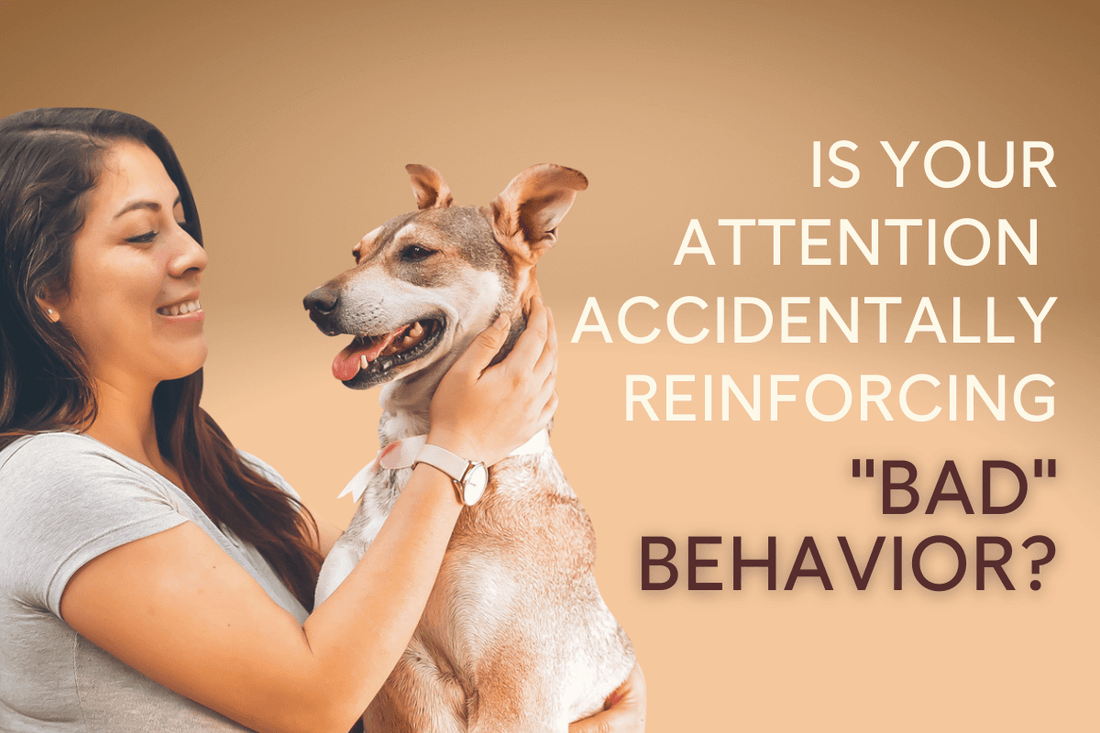
Credit: pupford.com
Common Bad Behaviors
Dogs sometimes show behaviors that can be hard to handle. These behaviors often cause stress for owners and pets alike. Understanding common bad behaviors is the first step to fixing them.
Many dog problems come from natural instincts or lack of training. Recognizing these behaviors helps you address them calmly and effectively. Let’s explore some common issues you might face.
Excessive Barking
Barking is normal for dogs but too much can be a problem. Dogs bark to alert, play, or express needs. Constant barking can annoy neighbors and family. It often means the dog feels bored or scared. Training and exercise help reduce this behavior.
Chewing And Destruction
Dogs chew to explore and relieve stress. Puppies especially chew on furniture or shoes. This behavior can damage your home and belongings. Providing chew toys and supervision prevents destruction. Teaching “leave it” can stop unwanted chewing.
Jumping On People
Jumping shows excitement or a desire for attention. It can be scary or annoying for guests. Teaching your dog to sit when greeting people helps. Reward calm behavior to encourage good manners. Consistency is key to stop jumping.
Aggression And Fearfulness
Some dogs show aggression or fear in certain situations. This can result from poor socialization or pain. Aggression risks safety for everyone around. Fearful dogs may hide or growl. Professional help and gentle training improve these problems.
House Soiling
Accidents inside the house frustrate many owners. Dogs may soil due to poor training or health issues. Establishing a routine helps dogs learn where to go. Clean accidents quickly to remove smells. Patience and consistency are essential for success.
Root Causes Of Misbehavior
Understanding why a dog misbehaves helps fix problems faster. Dogs do not act out of spite. They react to needs or feelings we might not see. Identifying the root causes of bad behavior makes training easier and more effective. Here are some common reasons dogs misbehave.
Lack Of Training
Dogs need clear rules and guidance. Without training, they do not know what is right. They may jump on people or chew furniture. Training teaches good manners and sets limits. Consistency is key for dogs to learn well.
Boredom And Excess Energy
Dogs get restless when they have no activities. Too much energy can lead to destructive acts. Running, playing, and mental challenges reduce boredom. A tired dog behaves better and feels happier.
Anxiety And Stress
Stress affects dogs like it does humans. Loud noises, changes, or separation cause anxiety. Dogs may bark, dig, or hide. Calm, safe spaces and gentle routines help reduce stress. Attention to emotional health improves behavior.
Health Issues
Pain or illness can change a dog’s behavior. Sudden aggression or withdrawal signals a problem. Regular vet visits catch health issues early. Treating pain or sickness helps dogs feel better and act normal.
Effective Training Techniques
Effective training techniques help change bad dog behavior. These methods teach dogs what is right and wrong. Training builds trust between you and your dog. It makes your dog feel safe and happy. Simple, clear steps work best for dogs. Here are some proven techniques to try.
Positive Reinforcement
Positive reinforcement means giving your dog rewards for good behavior. Rewards can be treats, praise, or playtime. Dogs learn faster when they get something nice after doing right. Avoid punishment; it can make dogs scared or confused. Rewarding good actions helps your dog want to repeat them.
Consistency And Patience
Always use the same rules and commands. Dogs learn by repeating actions many times. Be patient; training takes time. Do not get angry if your dog makes mistakes. Calm and steady training helps your dog understand better. Practice daily for short periods to keep your dog focused.
Using Commands And Cues
Use simple words for commands like “sit,” “stay,” or “come.” Say commands clearly and in the same tone. Use hand signals along with words for better understanding. Give the command once and wait for the dog to respond. Praise your dog immediately when it follows the command.
Redirecting Bad Behavior
Redirect bad behavior by offering a better choice. For example, if your dog chews shoes, give a chew toy instead. Move your dog away from the wrong action gently. Reward the dog when it chooses the right behavior. This teaches your dog what is acceptable and fun.
Tools And Aids For Training
Training a dog needs the right tools and aids. These help guide your pet and make learning clear. Using proper equipment can make training easier and more effective. Below are key tools that support correcting bad behavior in dogs.
Leashes And Collars
Leashes keep your dog close and controlled. They prevent pulling and sudden running away. Collars hold ID tags and attach to the leash. Choose collars that fit well and do not harm your dog. Some collars help reduce pulling gently.
Clickers And Treats
Clickers make a sharp sound to mark good behavior. Dogs learn to connect this sound with rewards. Treats encourage your dog to repeat good actions. Use small, tasty treats to keep your dog interested. This method helps teach commands quickly and clearly.
Crates And Playpens
Crates offer a safe space for your dog to rest. They teach your dog to be calm and quiet. Playpens keep dogs contained in one area. They stop your dog from accessing forbidden places. Both tools help manage your dog’s behavior inside the house.
Professional Training Classes
Professional trainers guide you and your dog step-by-step. Classes teach you how to handle bad behavior properly. Trainers offer tips tailored to your dog’s needs. Group classes also help socialize your dog with others. This support speeds up the training process.
Creating A Stimulating Environment
Creating a stimulating environment helps correct bad dog behavior. Dogs need activity and mental work to stay happy. Without this, they can become bored and act out. A good environment keeps dogs busy and calm. It teaches them good habits and reduces bad ones.
Daily Exercise And Play
Exercise helps dogs burn off extra energy. A tired dog is less likely to misbehave. Take your dog for walks or runs every day. Play fetch or tug-of-war to keep them active. Regular exercise improves mood and focus.
Mental Enrichment Activities
Mental tasks challenge your dog’s brain. Use puzzle toys or treat dispensers to engage them. Training sessions also stimulate the mind. Mental work reduces boredom and bad habits. Change activities often to keep dogs interested.
Socialization With Other Dogs
Meeting other dogs teaches social skills. It helps reduce fear and aggression. Arrange playdates or visits to dog parks. Watch interactions to keep play safe. Social dogs are calmer and better behaved.
Safe Spaces For Calm
Dogs need quiet places to relax. Create a cozy spot with their bed or crate. This space helps them feel safe and calm. Use it during stressful times or after play. A calm dog behaves better overall.
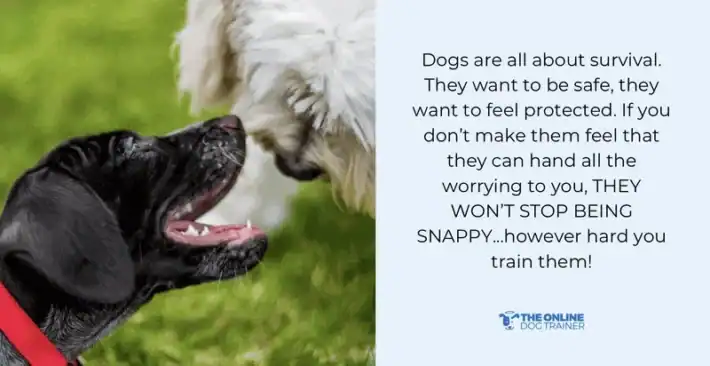
Credit: theonlinedogtrainer.com
Dealing With Setbacks
Correcting bad dog behavior is a process that takes time. Setbacks are normal and should be expected. These moments can feel frustrating but they offer chances to learn more about your dog. Handling setbacks well keeps training on the right path.
Recognizing Triggers
Bad behavior often starts because of triggers. Triggers are things that cause stress or excitement in your dog. Loud noises, new places, or other animals can be triggers. Watch your dog closely to find what causes bad actions. Knowing triggers helps you avoid or control them.
Adjusting Training Plans
Sometimes your training plan needs changes. If a method does not work, try another one. Break lessons into smaller steps. Reward small successes to encourage good behavior. Change your approach based on your dog’s progress. Keep training short and positive to hold attention.
Seeking Professional Help
Some problems need expert advice. Dog trainers or behaviorists can give you new ideas. They see things you might miss. Professionals can teach you how to handle tough behaviors safely. Don’t hesitate to ask for help if you feel stuck. Your dog’s well-being is the top goal.
Maintaining Good Behavior
Maintaining good behavior in dogs requires steady effort and care. Consistency helps your dog understand what is expected. Keeping good habits strong prevents bad behavior from returning.
This section explains key steps to maintain your dog’s good behavior over time. Practice, rewards, and socialization all play important roles.
Regular Practice
Practice commands daily to keep them fresh in your dog’s mind. Short, frequent sessions work better than long ones. Repetition builds confidence and obedience. Consistent practice avoids confusion and reinforces good habits.
Rewarding Positive Actions
Give treats or praise immediately after good behavior. This helps your dog connect actions with rewards. Positive reinforcement motivates your dog to repeat good behavior. Avoid punishing mistakes; focus on rewarding success instead.
Ongoing Socialization
Expose your dog to different people and animals regularly. New experiences reduce fear and improve behavior. Social dogs tend to be calmer and more obedient. Safe, controlled settings help your dog learn proper social skills.

Credit: www.youtube.com
Frequently Asked Questions
How Can I Stop My Dog’s Bad Behavior Quickly?
Consistency and positive reinforcement are key to correcting bad behavior. Use clear commands and reward good actions immediately to encourage change.
What Causes Bad Behavior In Dogs?
Bad behavior often results from lack of training, boredom, anxiety, or inconsistent rules. Identifying the cause helps tailor effective corrections.
Which Training Methods Fix Bad Dog Behavior Best?
Positive reinforcement, such as treats and praise, works best. Avoid punishment, as it can increase anxiety and worsen behavior.
How Long Does It Take To Correct Dog Behavior?
Correction time varies by dog and behavior severity. With consistent training, most dogs improve within a few weeks.
Conclusion
Correcting bad dog behavior takes patience and clear steps. Consistency helps your dog learn good habits faster. Reward positive actions with treats or praise. Avoid punishment; it can make problems worse. Small changes daily create big improvements over time. Keep training sessions short and fun.
Remember, your dog wants to please you. Building trust makes behavior correction easier. With love and effort, your dog will behave well. Stay calm and enjoy the progress you make together.

