

Have you noticed your Boxer acting more aggressive than usual? It can be confusing and worrying when your friendly dog suddenly shows signs of anger or hostility.
Understanding why your Boxer dog displays aggressive behavior is the first step to keeping both your pet and family safe. You’ll discover the common reasons behind this behavior and learn practical tips to manage and reduce aggression. Keep reading—your Boxer’s happiness and your peace of mind depend on it.

Credit: www.youtube.com
Common Causes Of Aggression
Understanding the common causes of aggression in Boxer dogs helps owners manage behavior better. Aggression does not appear without reason. Several factors can trigger aggressive actions in Boxers. Knowing these reasons allows for early intervention and safer interactions.
Genetic Factors
Some Boxers inherit aggressive traits from their parents. Breeding lines can influence behavior strongly. Genetics set the base for how a dog reacts to threats. Not all Boxers are aggressive, but some carry a higher risk.
Lack Of Socialization
Boxers that miss early social experiences often grow fearful. Fear can turn into aggression quickly. Puppies need exposure to people and other animals. Without this, they may not learn proper social skills.
Fear And Anxiety
Fear is a common cause of aggression in Boxers. An anxious dog may bite to protect itself. Loud noises or new environments can trigger fear. Calm training helps reduce anxiety over time.
Territorial Behavior
Boxers can be very protective of their home and family. This can lead to aggressive behavior toward strangers. They see unfamiliar people as threats. Proper training teaches boundaries without aggression.
Health Issues
Pain or illness can make Boxers aggressive. Dogs often hide discomfort but react when hurt. Regular vet checks help find hidden health problems. Treating pain can reduce aggressive responses.
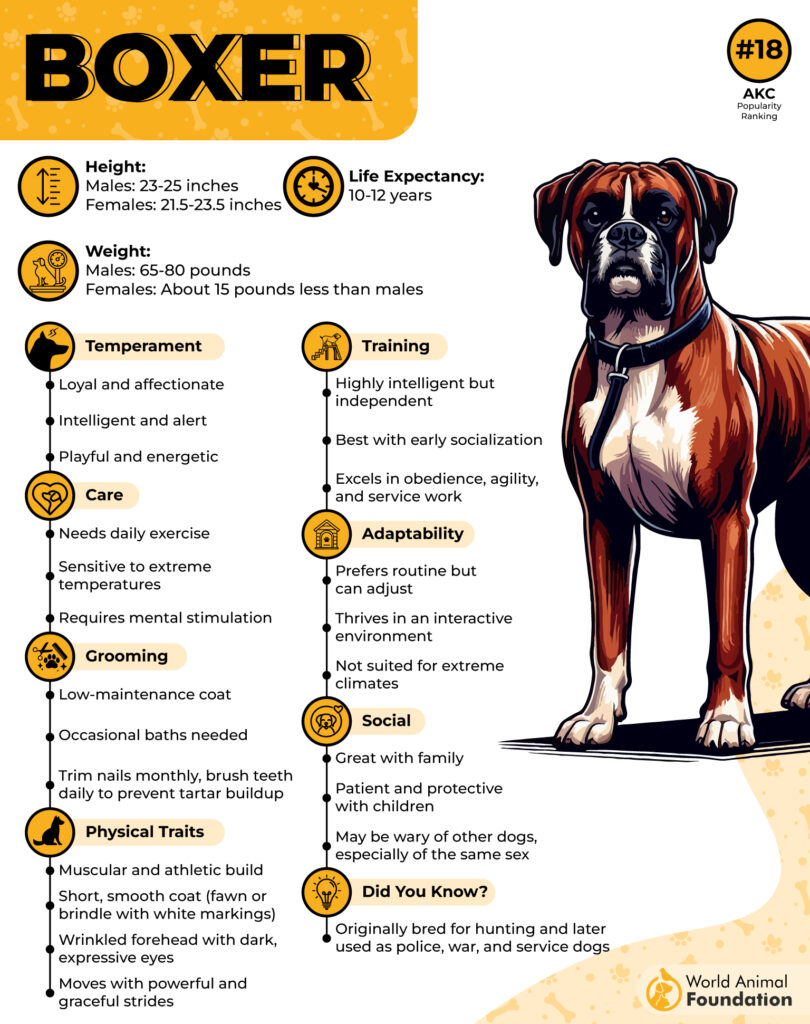
Credit: worldanimalfoundation.org
Recognizing Aggressive Signs
Recognizing aggressive signs in Boxer dogs helps keep everyone safe. Early detection stops problems from growing. Knowing what to watch for makes handling aggression easier. Observe your Boxer closely to spot the warning signals.
Body Language Cues
Boxers show aggression through their body. Raised hackles mean they feel threatened. Stiff legs and a tense stance show readiness to act. A direct, hard stare signals potential danger. Tail position is also key. A high, stiff tail can mean alertness or aggression. Ears pinned back may show fear or anger. Watch these signs carefully.
Vocalizations
Growling is a clear sign of discomfort or warning. Deep, continuous barking may signal aggression. Snarling and teeth baring show serious threats. Sudden silence after loud barking can mean tension. Learn to tell the difference between playful and aggressive sounds.
Behavioral Changes
Sudden changes in behavior can indicate aggression. A calm Boxer may become restless or irritable. Avoidance of people or other dogs signals discomfort. Increased biting or snapping is a serious warning. Notice if your dog becomes possessive over toys or food.
Triggers To Watch For
Certain situations often trigger aggression in Boxers. Protecting territory or family members is common. Fear of strangers or loud noises can cause reactions. Pain or illness may increase aggression too. Pay attention to these triggers to manage your dog’s behavior better.
Effective Training Techniques
Training a Boxer dog to reduce aggressive behavior requires clear methods. These techniques build trust and guide your dog to behave better. Effective training helps your dog feel safe and happy. It also makes your home peaceful and your walks calm.
Positive Reinforcement
Positive reinforcement means giving rewards for good behavior. Treats, praise, or toys work well as rewards. This method encourages your Boxer to repeat good actions. Avoid focusing on bad behavior only. Reward calm and friendly behavior often to build habits.
Consistency And Patience
Be consistent with your commands and rules every day. Use the same words and gestures for training. Patience is key; training takes time and effort. Do not expect instant results. Keep training sessions short but frequent to keep your dog engaged.
Avoiding Punishment
Punishment can cause fear and worsen aggression. Avoid yelling or physical punishment. Focus on redirecting bad behavior gently. Use calm voices to guide your dog. Positive methods build confidence and trust better than fear.
Socialization Strategies
Introduce your Boxer to new people and dogs slowly. Start with calm, friendly animals and quiet places. Socialization reduces fear and aggression. Reward your dog for calm behavior during new encounters. Gradual exposure helps your dog feel safe around others.

Credit: www.reddit.com
Managing Aggression Safely
Managing aggression in Boxer dogs requires care and safety. It protects both your dog and people around. Aggressive behavior needs clear steps to reduce risks. These steps help create a calm and controlled space for your dog.
Creating A Calm Environment
Start by making your home quiet and stress-free. Loud noises and sudden movements can increase aggression. Give your Boxer a safe spot to relax. Keep this area free from distractions and crowds. Routine helps too; feed and walk your dog at the same time daily. Calm surroundings reduce fear and anxiety, which lowers aggressive actions.
Using Muzzles And Leashes
Muzzles prevent bites during walks or visits to the vet. Choose a comfortable muzzle that fits well. Do not use muzzles as punishment. Always use a leash in public places to control your dog. A strong leash stops sudden lunges or attacks. These tools keep your dog and others safe during training or stressful events.
When To Seek Professional Help
Some aggression signs need expert advice. If your Boxer shows constant growling, biting, or fear, contact a trainer. Professionals can find the cause of aggression. They teach you techniques to manage and reduce it. Early help stops problems from getting worse. Do not wait until the situation becomes dangerous.
Preventing Future Aggression
Preventing aggressive behavior in Boxer dogs starts early. It requires consistent care and attention. Understanding how to guide your dog can reduce chances of aggression. Early action helps create a calm and friendly pet. This section covers key steps to prevent aggression.
Early Training Tips
Start training your Boxer puppy as soon as possible. Teach basic commands like sit, stay, and come. Use positive reinforcement with treats and praise. Avoid harsh punishments that may cause fear. Socialize your dog with different people and animals. This builds confidence and reduces fear-based aggression.
Regular Exercise And Mental Stimulation
Boxers have high energy and need daily exercise. Walks, playtime, and running help burn off energy. Mental games like puzzles and training keep their mind active. Boredom can lead to frustration and aggression. Exercise and mental activities promote a calm and happy dog.
Monitoring Health And Behavior
Watch your Boxer’s health closely. Pain or illness can cause sudden aggression. Regular vet checkups catch problems early. Notice changes in behavior like growling or snapping. Address issues quickly with professional help. Early detection prevents aggressive problems from worsening.
Frequently Asked Questions
Why Do Boxer Dogs Show Aggressive Behavior?
Boxer dogs may show aggression due to fear, territorial instincts, or lack of socialization. Proper training helps reduce this behavior.
How Can I Stop My Boxer’s Aggressive Tendencies?
Consistent training, early socialization, and positive reinforcement are key to managing Boxer aggression. Seek professional help if needed.
Is Boxer Aggression Common In Puppies?
Aggression in Boxer puppies is rare but can occur due to fear or frustration. Early training is crucial to prevent issues.
What Triggers Aggressive Behavior In Boxers?
Triggers include unfamiliar people, other animals, or sudden loud noises. Identifying triggers helps in effective behavior management.
Conclusion
Boxer dogs can show aggressive behavior for many reasons. Understanding these signs helps keep everyone safe. Training and socializing your dog early is very important. Consistent care and attention reduce aggressive actions. Always watch your dog’s mood and body language.
Seek help from a vet or trainer if needed. Patience and love make a big difference. Remember, every dog is unique and can improve. Aggression does not have to control your Boxer’s life. Keep learning and caring for your dog daily.


