
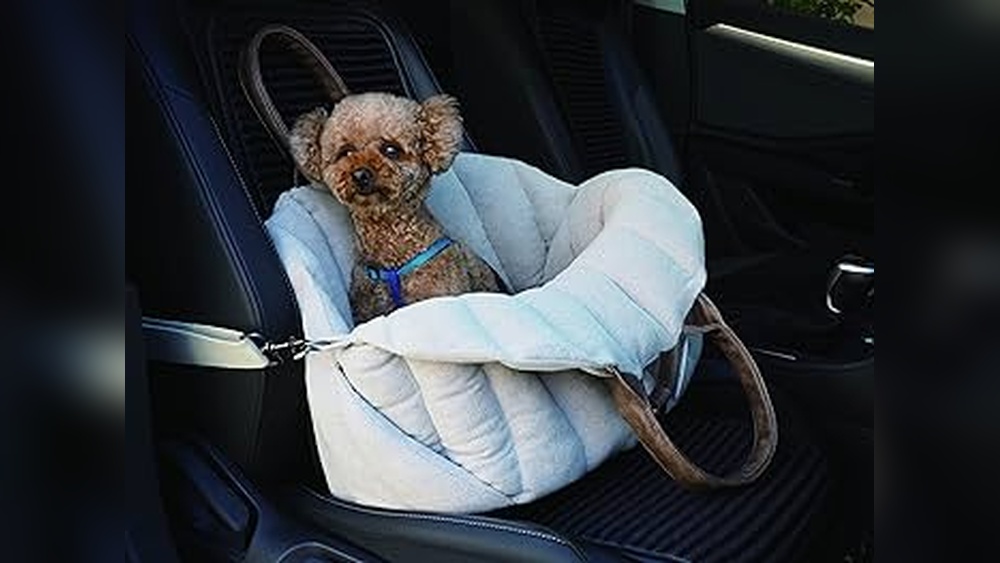
Traveling with your dog can be a fun and rewarding experience, but carrying your furry friend safely in the car is essential. You want to keep your dog secure, comfortable, and calm while you focus on the road.
If you’re unsure about the best way to carry your dog in the car, this guide is for you. Keep reading to discover simple, effective tips that will make every trip safer and more enjoyable for both you and your pet.
Credit: www.chewy.com
Choosing The Right Carrier
Choosing the right carrier for your dog is key for a safe and comfortable car ride. The right carrier keeps your dog secure and calm. It also protects your car’s interior. Picking the best carrier depends on your dog’s size, comfort needs, and the carrier’s material. This section explains how to find the perfect fit for your furry friend.
Types Of Dog Carriers
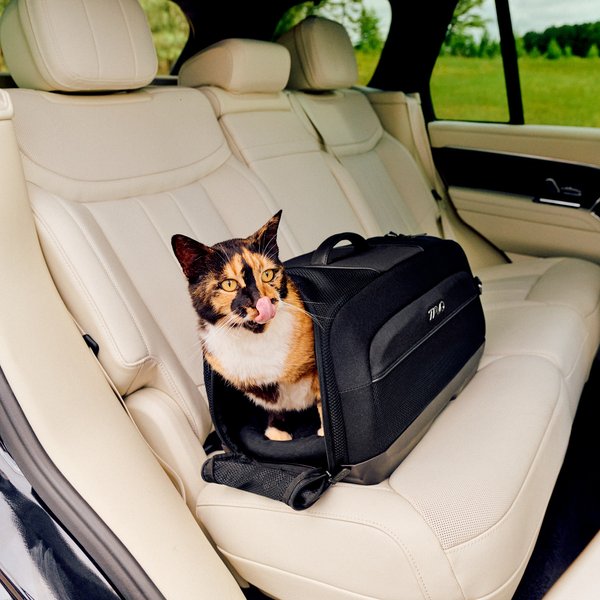
Soft-sided carriers are lightweight and easy to carry. They work well for small dogs on short trips. Hard-sided carriers offer more protection and are better for long trips. Backpacks and sling carriers are good for active dogs. Crate-style carriers provide space and stability. Each type suits different dog sizes and travel needs.
Size And Comfort Considerations
Choose a carrier that fits your dog’s size. Your dog should stand, turn, and lie down comfortably. A too-small carrier causes stress and discomfort. Too large a carrier might let your dog slide during stops. Add soft bedding inside for extra comfort. Check the carrier’s ventilation to keep your dog cool.
Material And Durability
Durable materials protect your dog and last long. Nylon and polyester are common for soft carriers. They resist tears and are easy to clean. Hard carriers use strong plastic or metal. These materials handle rough handling and keep your dog safe. Look for carriers with reinforced seams and sturdy zippers.
Credit: www.walmart.com
Preparing Your Dog For The Ride
Preparing your dog for a car ride helps make the trip calm and safe. Dogs can feel nervous about new places. Getting them ready can reduce stress. Start early to create good travel habits. Small steps build comfort and trust.
Use gentle training and patience. Your dog learns best with positive experiences. This section covers key tips to prepare your dog for a smooth ride.
Familiarizing With The Carrier
Let your dog explore the carrier at home. Place treats and toys inside to create a positive space. Leave the door open so your dog can enter freely. Practice short times inside the carrier daily. This helps your dog see the carrier as safe. Avoid forcing your dog inside. Gradually increase the time spent in the carrier.
Exercise Before Travel
Give your dog a walk or play session before the trip. Exercise helps reduce nervous energy. A tired dog is more relaxed during travel. Avoid heavy exercise right before the ride. Gentle activity works best to calm your dog.
Calming Techniques
Use a calm voice to soothe your dog. Petting and gentle strokes can lower anxiety. Bring a favorite blanket or toy for comfort. Some dogs like soft music or white noise. Keep the car environment quiet and steady. Stop for breaks on long trips to let your dog stretch.
Securing Your Dog In The Car
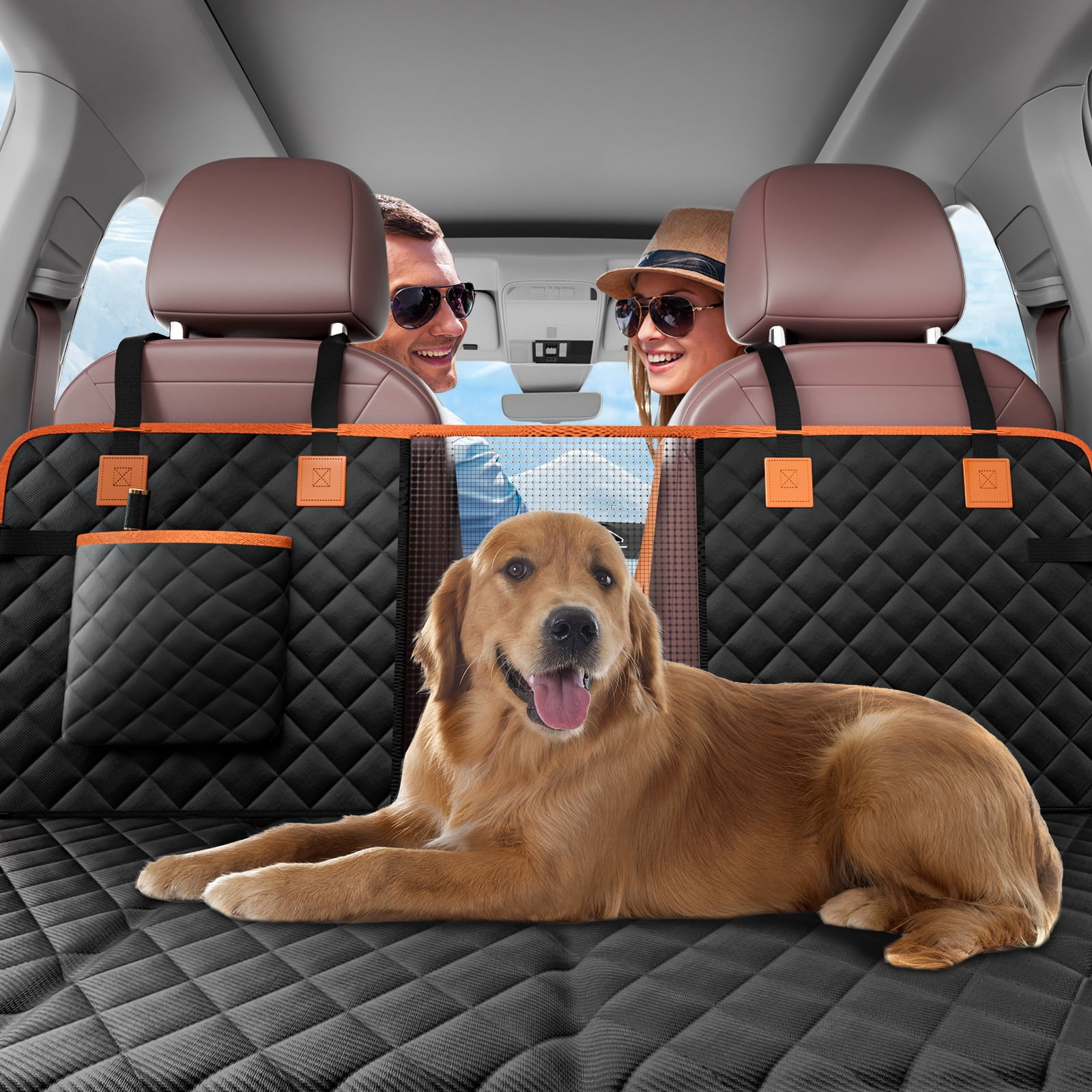
Keeping your dog safe in the car is very important. Securing your dog prevents injuries and keeps the driver focused. It also stops your dog from moving around and causing distractions. Use the right tools and place your dog carefully for a safe trip.
Using Seat Belts And Harnesses
Seat belts and harnesses made for dogs offer great protection. These devices keep your dog in one spot during sudden stops. Always choose a harness that fits your dog well. Attach the harness to the car’s seat belt system. This setup reduces the risk of injury in an accident. Avoid using human seat belts as they do not fit dogs properly.
Positioning The Carrier
Place the dog carrier on the back seat for safety. The back seat reduces the chance of injury from airbags. Ensure the carrier is stable and does not slide around. Use seat belts or straps to secure the carrier tightly. Make sure your dog has enough space inside to sit or lie down comfortably. A well-positioned carrier keeps your dog calm and safe.
Avoiding Distractions
Dogs moving around can distract the driver. Secure your dog before starting the trip. Do not let your dog stick its head out of the window. This can cause injury or distraction. Keep your dog busy with toys or treats inside the carrier. A calm dog means a safer drive for everyone.

Credit: www.amazon.com
Managing Temperature And Ventilation
Keeping your dog cool and comfortable during car rides is very important. Dogs can get too hot or too cold quickly. Managing temperature and ventilation helps protect your pet’s health. It also makes travel more pleasant for both of you. Follow simple steps to control the climate inside the car and keep your dog safe.
Maintaining Comfortable Climate
Set the car’s air conditioner or heater to a mild temperature. Avoid extreme cold or heat. Use window shades to reduce heat from the sun. Adjust the vents to circulate fresh air near your dog. Stop often to check if your dog feels comfortable. Watch for signs of overheating or chills.
Avoiding Direct Sunlight
Keep your dog away from direct sun rays inside the car. Park in shaded areas during stops. Use sunshades on windows where your dog sits. Close curtains or blinds if possible. Direct sunlight can cause overheating fast. Protect your dog’s skin and eyes from bright light.
Hydration Tips
Bring water and a bowl for your dog during trips. Offer small amounts of water regularly. Avoid letting your dog drink too much at once. Wet a cloth to cool your dog’s paws or face if needed. Staying hydrated helps dogs control their body temperature better.
Planning Breaks And Stops
Planning breaks and stops is important when carrying your dog in a car. Dogs need fresh air and time to stretch. Regular breaks keep them comfortable and calm during the trip. Proper stops can prevent accidents caused by restless pets.
Frequency Of Stops
Plan to stop every two hours on long trips. Shorter trips may need fewer stops. Watch your dog’s behavior to decide when to stop. Signs like restlessness or whining mean it is time for a break.
Exercise And Bathroom Breaks
Allow your dog to walk and relieve itself during stops. Exercise helps reduce anxiety and keeps muscles loose. Choose safe and quiet areas for bathroom breaks. Bring a leash to keep your dog secure.
Feeding Schedule
Feed your dog before the trip or during longer stops. Avoid feeding right before driving to prevent car sickness. Offer water regularly but in small amounts. Maintain a consistent feeding routine to keep your dog calm.
Handling Anxiety And Motion Sickness
Traveling with your dog can be fun but also stressful for your pet. Many dogs feel anxious or get motion sickness during car rides. Knowing how to handle these problems helps make trips calm and safe. Comfort and care are key to helping your dog feel better inside the car.
Recognizing Signs
Watch your dog for signs of anxiety or motion sickness. Panting, drooling, and whining show stress. Vomiting, shaking, or restlessness may mean motion sickness. Early signs help you act fast. Notice if your dog hides or seems scared. These clues tell you when your pet needs help.
Natural Remedies And Medications
Natural remedies can calm your dog’s nerves. Ginger treats or small amounts of peppermint may ease nausea. Some dogs benefit from calming supplements like chamomile. Always check with a vet before using medicines. Your vet can suggest safe pills for motion sickness and anxiety. Use these only as directed for best results.
Comfort Items
Bring your dog’s favorite blanket or toy. Familiar smells provide comfort and reduce fear. A well-fitted harness or crate keeps your dog secure. Soft bedding helps your pet relax during the ride. Playing gentle music can also soothe nervous dogs. These small things make the car feel like home.
Safety Measures And Legal Requirements
Transporting your dog safely in a car is important for both your pet’s well-being and your own safety. Following safety measures and understanding legal rules protects everyone on the road. It helps prevent accidents and avoids fines. Knowing what to do in an emergency also keeps your dog safe during travel.
Local Laws On Pets In Vehicles
Many places have laws about pets in cars. Some require dogs to be secured with a seat belt or in a crate. Others forbid pets from sitting on the driver’s lap. Check local rules before you travel. Following laws keeps you safe and avoids tickets.
Emergency Preparedness
Prepare for unexpected events while driving with your dog. Keep water and a leash handy. Have your dog’s ID and vaccination records in the car. Know the nearest vet’s location on your route. Stop regularly to check on your dog’s comfort and health.
First Aid Basics
Learn simple first aid for dogs. Know how to treat cuts, heatstroke, and choking. Carry a pet first aid kit in your car. This kit should include bandages, antiseptic wipes, and tweezers. Quick action can save your dog’s life during travel emergencies.
Frequently Asked Questions
How Can I Safely Carry My Dog In A Car?
Use a dog seat belt, harness, or secured crate. These tools prevent sudden movements and keep your dog safe during travel.
What Equipment Is Best For Dog Car Travel?
A crash-tested harness or a well-ventilated crate is ideal. Both ensure comfort and safety, reducing injury risk in accidents.
Is It Okay To Let My Dog Ride In The Front Seat?
It’s safer to keep dogs in the back seat. Front airbags can injure pets during collisions, so avoid placing them there.
How Do I Prepare My Dog For Car Trips?
Start with short drives to build comfort. Bring water, toys, and take breaks to reduce stress and motion sickness.
Conclusion
Carrying your dog safely in the car protects both of you. Use a proper carrier, harness, or seatbelt designed for pets. Keep the dog calm and secure during the trip. Avoid distractions while driving by properly restraining your pet. Regular breaks help your dog stay comfortable and relaxed.
Safe travel makes the journey enjoyable for everyone. Remember, your dog depends on you for safety on the road. Practice these tips every time you travel with your dog. Safe and happy trips start with good preparation.


