

Grooming your dog at home might seem tricky, but it’s easier than you think. Imagine saving money, bonding more with your furry friend, and keeping them looking fresh—all without a trip to the groomer.
You don’t need fancy tools or special skills to get started. In this guide, you’ll discover simple steps to make grooming stress-free and even enjoyable for both you and your dog. Ready to become your pet’s personal groomer? Keep reading to learn how!
Choosing The Right Grooming Tools
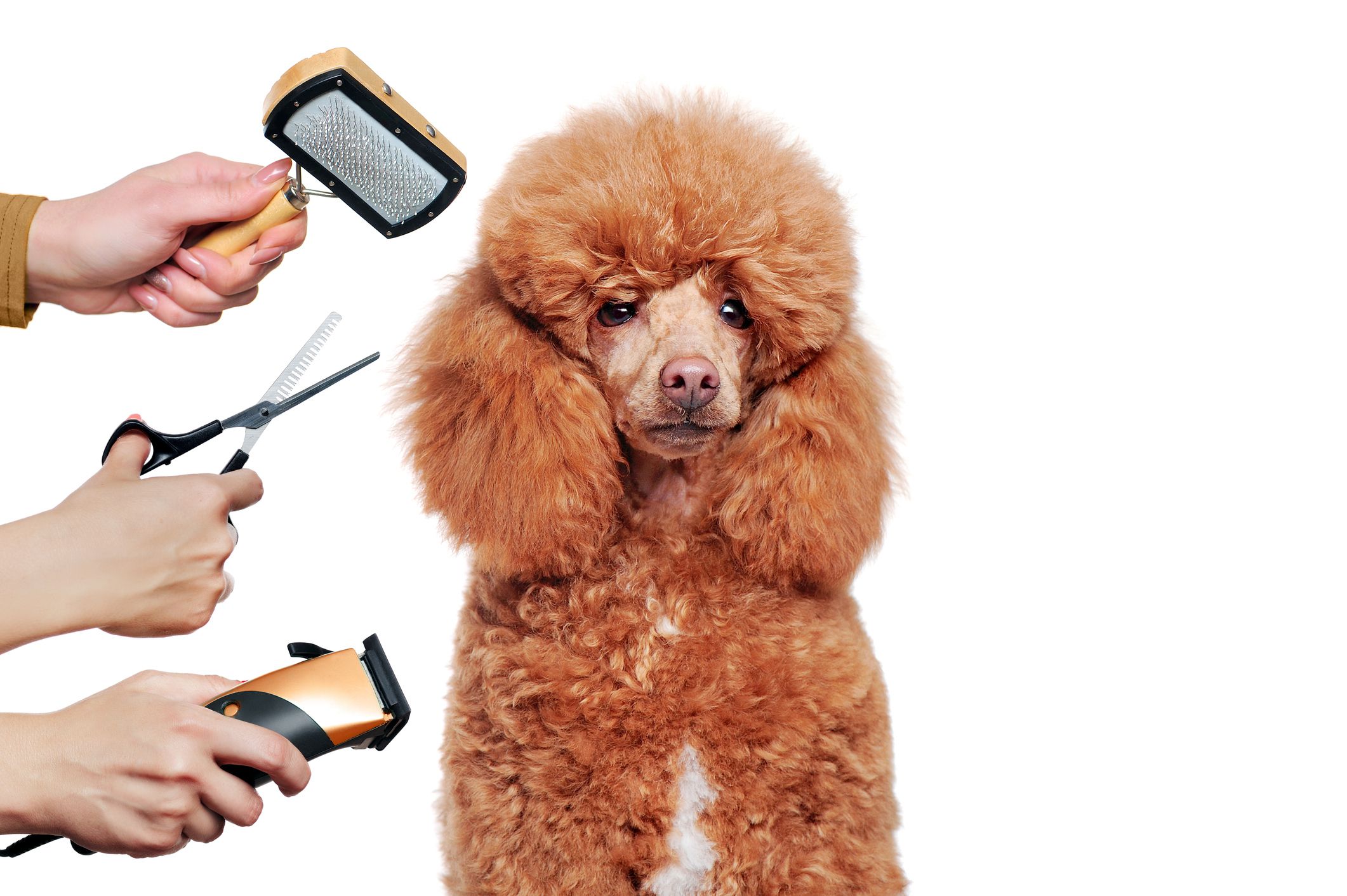
Choosing the right grooming tools is key to a smooth dog grooming session at home. The right tools make grooming easier and more comfortable for your dog. Different dogs need different tools based on their coat type. Investing in the right items saves time and keeps your dog happy. Let’s explore the main grooming tools you need.
Brushes And Combs For Different Coats
Brushes and combs come in many styles. Each style suits a certain coat type. For short-haired dogs, a bristle brush works well. It removes loose hair and dirt. For long-haired dogs, use a slicker brush. It helps detangle and smooth the coat. Dogs with curly or thick coats need a comb with wide teeth. This type prevents pulling and pain. Choose brushes that fit your dog’s size and coat. Regular brushing keeps the coat healthy and shiny.
Selecting Suitable Clippers And Scissors
Clippers and scissors are important for trimming. Clippers come in different sizes and speeds. Choose one with adjustable blades for safety. Scissors help with delicate areas like around the eyes and paws. Rounded-tip scissors prevent accidental cuts. Use sharp scissors for clean cuts. Dull tools can hurt your dog or cause uneven trims. Keep tools clean and well-maintained. This ensures smooth grooming and prevents infections.
Essential Grooming Supplies
Other supplies help make grooming easier. Nail clippers or grinders keep nails short and safe. Ear cleaners remove dirt and prevent infections. Dog-friendly shampoos and conditioners keep the coat clean and soft. Towels and blow dryers help dry your dog after baths. Have treats ready to reward good behavior. A grooming table or non-slip mat keeps your dog steady. These supplies create a safe, smooth grooming experience.
Credit: www.cheapism.com
Preparing Your Dog For Grooming
Preparing your dog for grooming helps make the process smooth and stress-free. It builds trust between you and your pet. Proper preparation reduces fear and resistance. It also keeps your dog calm and happy during grooming.
Creating A Calm Environment
Choose a quiet room with few distractions. Keep the space clean and safe. Use soft lighting to help your dog relax. Play gentle music if it soothes your pet. Avoid loud noises that may cause stress.
Getting Your Dog Comfortable With Handling
Touch your dog gently on paws, ears, and tail. Use slow, soft strokes to build comfort. Give treats to create positive feelings. Practice short sessions daily to increase tolerance. Stop if your dog shows signs of stress.
Scheduling Grooming Sessions
Pick a regular time for grooming. Choose a time when your dog feels calm and rested. Keep sessions short at first, about 10 to 15 minutes. Gradually increase grooming time as your dog adjusts. Consistency helps your dog know what to expect.
Bathing Your Dog At Home
Bathing your dog at home keeps them clean and healthy. It also strengthens your bond. A clean dog feels good and smells fresh. Bath time can be fun with the right approach. Prepare everything before you start to avoid stress for both.
Choosing The Right Shampoo
Select a shampoo made for dogs, not humans. Dog skin is different and needs special care. Pick a shampoo based on your dog’s coat type. For sensitive skin, choose a gentle, hypoallergenic shampoo. Avoid shampoos with strong perfumes or harsh chemicals. Always check the label for safe ingredients.
Step-by-step Bathing Process
Start by brushing your dog to remove loose hair and dirt. Use lukewarm water to wet your dog’s coat fully. Apply shampoo evenly, avoiding eyes and ears. Massage the shampoo gently to clean the skin and fur. Rinse thoroughly to remove all soap, preventing irritation. Repeat shampoo only if your dog is very dirty. Speak softly and calmly to keep your dog relaxed.
Drying Techniques For Different Coat Types
Use a towel to gently pat your dog dry. For short-haired dogs, towel drying may be enough. Long-haired dogs need extra care to prevent matting. Use a blow dryer on low heat and speed if your dog allows. Keep the dryer moving to avoid hot spots. Brush the coat while drying to keep it smooth. Make sure your dog is completely dry before going outside.
Brushing And Detangling
Brushing and detangling are key steps to keep your dog’s coat healthy. This process removes loose hair and stops mats. Regular care helps your dog feel comfortable and look neat. Knowing how to brush and detangle properly protects your dog’s skin and fur.
Brushing Frequency Based On Coat Type
Short-haired dogs need brushing once a week. Medium-haired dogs benefit from brushing two to three times weekly. Long-haired breeds require daily brushing to avoid tangles. Adjust brushing habits to your dog’s specific coat type. Consistent brushing keeps the coat clean and shiny.
Removing Mats And Tangles Safely
Start by gently working through small tangles with your fingers. Use a wide-tooth comb for stubborn mats. Hold the fur close to the skin to avoid pulling. If mats are tight, use a mat splitter carefully. Never cut mats with scissors near the skin to prevent injury.
Benefits Of Regular Brushing
Brushing spreads natural oils for a healthy shine. It reduces shedding and keeps your home cleaner. Regular brushing improves blood flow to the skin. It helps spot skin problems early, like bumps or infections. Brushing also strengthens the bond between you and your dog.
Trimming Nails And Ears
Trimming your dog’s nails and cleaning their ears are key parts of home grooming. These tasks keep your dog healthy and comfortable. Regular care helps avoid pain and infections. It also keeps your dog looking neat.
Safe Nail Clipping Tips
Use a sharp nail clipper made for dogs. Hold your dog’s paw gently but firmly. Clip a small part of the nail at a time. Avoid cutting too close to the quick. The quick is the pink part inside the nail. It has blood vessels and nerves. If you cut it, your dog will bleed and feel pain. If nails are dark, trim little by little. Use a nail file to smooth sharp edges.
Cleaning And Checking Ears
Use a damp cotton ball or soft cloth to clean ears. Avoid using cotton swabs inside the ear canal. Wipe gently around the ear flap and entrance of the ear canal. Use an ear cleaner made for dogs if needed. Check ears for dirt, wax, or bad smell. Clean ears weekly or as your vet suggests. This prevents buildup and keeps ears healthy.
Signs Of Infections To Watch For
Watch for redness or swelling in the ears. Notice if your dog shakes its head often. Scratching or rubbing ears can signal discomfort. Look for unusual odor or discharge. Check if your dog seems sensitive when you touch ears. If these signs appear, contact your vet quickly.

Credit: forevervets.com
Maintaining Dental Hygiene
Keeping your dog’s teeth clean is key to their health. Good dental care prevents pain and bad breath. It also stops serious diseases that affect the heart and kidneys. Regular care at home makes a big difference.
Brushing Your Dog’s Teeth
Use a soft toothbrush made for dogs. Choose toothpaste that is safe and tastes good for pets. Brush gently in small circles. Focus on the back teeth where plaque builds up fast. Do this two to three times a week for best results.
Dental Chews And Toys
Dental chews help clean teeth while your dog chews. They reduce plaque and freshen breath. Choose chews sized right for your dog. Toys that are tough to chew also help scrape off plaque. Rotate different toys to keep your dog interested.
Preventing Common Dental Issues
Watch for red gums, bad breath, or loose teeth. These signs need a vet check. Feed a balanced diet and avoid sugary treats. Regular home care lowers the risk of cavities and infections. Keep dental visits part of your dog’s health routine.
Dealing With Common Grooming Challenges
Grooming your dog at home can be rewarding but also challenging. Some dogs feel scared or angry during grooming. Shedding can create a big mess. Sometimes, the grooming task may go beyond your skills. Knowing how to handle these common challenges helps keep grooming safe and stress-free.
Handling Anxious Or Aggressive Dogs
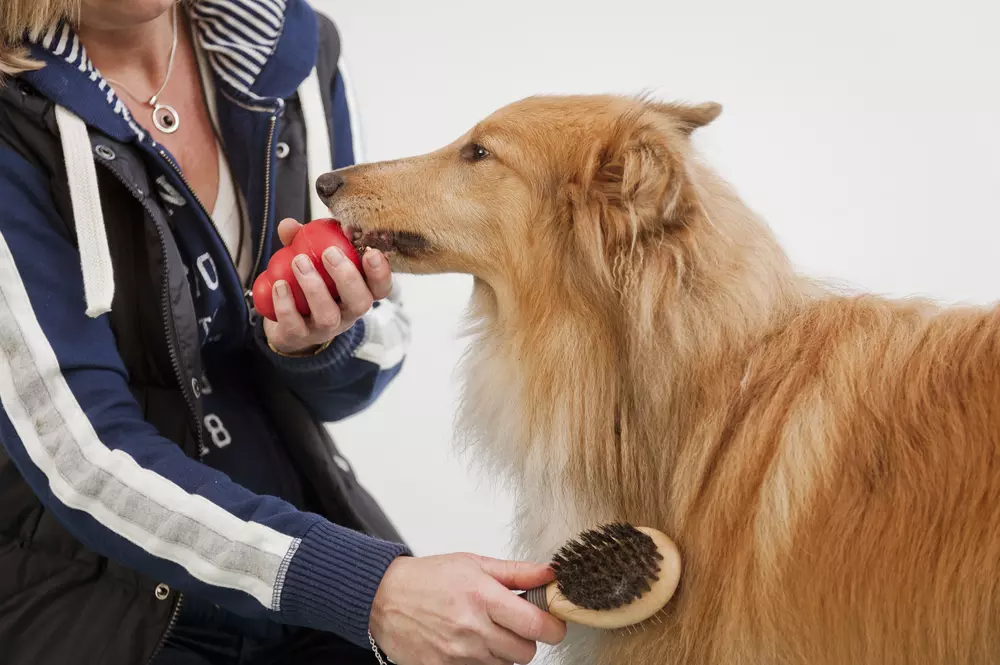
Stay calm and patient when your dog feels nervous. Use soft, gentle words and slow movements. Offer treats as positive rewards to build trust. Stop if your dog shows signs of stress or anger. Try shorter grooming sessions to avoid overwhelm. Use a muzzle only if necessary and safely.
Managing Shedding And Excess Fur
Brush your dog regularly to reduce loose hair. Choose a brush that fits your dog’s fur type. Groom in a space easy to clean, like outdoors or on a tile floor. Use a vacuum or sticky roller after grooming to remove fur. Bathing your dog helps loosen dead hair but don’t overdo it.
When To Seek Professional Help
Some dogs need special care during grooming. Look for signs like extreme fear, aggression, or skin problems. Groomers have tools and experience for tough situations. Ask for help if your dog’s nails are too long or matted fur is painful. Regular visits to a professional can keep your dog healthy and happy.
Credit: www.bluecross.org.uk
Frequently Asked Questions
How Often Should I Groom My Dog At Home?
Groom your dog every 4 to 6 weeks to maintain coat health. Regular brushing prevents mats and reduces shedding. Bathing frequency depends on the breed and activity level. Consistent grooming keeps your dog clean and comfortable.
What Tools Do I Need For Home Dog Grooming?
Basic tools include a slicker brush, comb, nail clippers, and dog shampoo. A grooming table and scissors can help with trimming. Choose tools suited to your dog’s coat type. Proper tools make grooming easier and safer.
Can I Safely Trim My Dog’s Nails At Home?
Yes, with the right tools and care, you can trim nails safely. Use sharp dog nail clippers and avoid cutting the quick. Trim small amounts gradually to prevent pain or bleeding. Regular nail trimming promotes healthy paws.
How Do I Keep My Dog Calm During Grooming?
Use a calm voice and gentle handling to reduce stress. Give treats and praise to create positive associations. Take breaks if your dog becomes anxious or restless. A relaxed dog makes grooming easier and safer.
Conclusion
Grooming your dog at home saves time and money. It helps keep your pet clean and healthy. Regular brushing stops mats and reduces shedding. Bathing your dog gently removes dirt and odors. Nail trimming prevents discomfort and injury. Use the right tools for each step.
Be patient and calm during grooming sessions. Your dog will feel happier and more comfortable. Start small and build a routine that suits both of you. Enjoy the special bond grooming creates with your dog.


