

Bringing a rescue dog into your life is a rewarding experience, but it comes with its own set of challenges. You might wonder how to help your new furry friend feel safe, confident, and happy.
Training a rescue dog isn’t just about teaching commands—it’s about building trust and understanding your dog’s unique needs. In this guide, you’ll discover simple, effective steps to train your rescue dog with patience and kindness. By the end, you’ll feel confident in turning your rescue into a well-behaved companion who loves and trusts you completely.
Ready to transform your dog’s life—and yours? Let’s dive in.
Preparing For Your Rescue Dog
Preparing for your rescue dog is the first step to a smooth transition. It helps your new pet feel safe and loved. Proper preparation sets a strong foundation for training and bonding.
Choosing The Right Space
Pick a quiet, calm area in your home for your dog. Avoid busy rooms with many people or loud noises. This space should be cozy and free from hazards. A small room or corner with a bed works well. Your dog will feel secure and less stressed in this safe zone.
Gathering Essential Supplies
Get all the necessary items before bringing your dog home. Basic supplies include food, water bowls, and a comfortable bed. Add a collar, leash, and ID tags. Toys and treats will help during training. Having these ready shows your dog care and readiness.
Setting Realistic Expectations
Understand that rescue dogs may need time to adjust. Some may have fear or anxiety. Training requires patience and consistency. Progress might be slow at first. Celebrate small wins and stay positive. Your calm approach builds trust and confidence.

Credit: www.amazon.com
Building Trust And Bonding
Building trust and bonding is the first step to training a rescue dog. Rescue dogs often come from difficult backgrounds. They need time to feel safe and loved. A strong bond helps them learn better and feel happy. Patience and care make a big difference in this process.
Approaching With Patience
Approach your rescue dog slowly and calmly. Do not rush or force contact. Let the dog come to you first. Speak softly and avoid sudden movements. Give the dog space to explore and adjust. This helps reduce fear and builds comfort.
Using Positive Reinforcement
Reward good behavior with treats and praise. Use gentle words and petting as rewards. Avoid punishment or harsh tones. Positive reinforcement encourages the dog to repeat good actions. It strengthens your bond and makes training easier.
Recognizing Body Language
Watch your dog’s body for signs of comfort or stress. Relaxed ears and wagging tail show happiness. Stiff body or avoiding eye contact shows fear. Understanding these signals helps you respond kindly. It builds trust and prevents misunderstandings.
Basic Training Techniques
Training a rescue dog starts with basic techniques. These build a strong bond between you and your new friend. Simple, clear steps help your dog learn quickly. Patience and consistency are key. Each dog learns at its own pace.
Teaching Commands
Start with easy commands like “sit,” “stay,” and “come.” Use treats or praise to reward good behavior. Keep training sessions short, about 5 to 10 minutes. Repeat commands clearly and calmly. Practice daily to help your dog remember.
House Training Tips
Set a regular schedule for bathroom breaks. Take your dog outside often, especially after meals and naps. Praise your dog when it goes outside. Watch for signs your dog needs to go. Clean accidents inside thoroughly to remove smells.
Leash Training Essentials
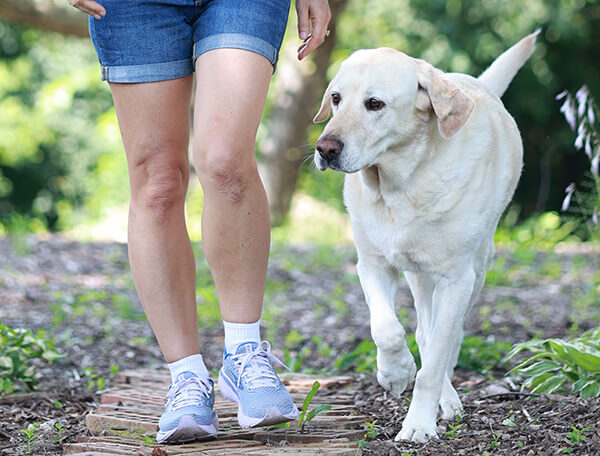
Choose a comfortable leash and collar. Start indoors or in a quiet area. Let your dog get used to the leash first. Walk slowly and reward your dog for staying close. Stop if your dog pulls and wait until it calms down.
Credit: www.rescuedogs101.com
Addressing Common Behavioral Issues
Training a rescue dog often involves addressing common behavioral issues. These challenges come from the dog’s past experiences. Understanding these behaviors helps build trust and improve training success.
Rescue dogs may show fear, aggression, or anxiety. Each issue needs patience and clear techniques. Correctly handling these problems makes the dog feel safe and loved.
Dealing With Fear And Anxiety
Fear is common in rescue dogs. Loud noises, new places, or strangers can cause anxiety. Start by creating a calm environment. Use gentle tones and slow movements. Give the dog space to explore at their own pace.
Use treats to reward brave behavior. Avoid forcing the dog into scary situations. Gradually expose them to new things. This builds confidence without stress. Patience is key to reduce fear.
Managing Aggression
Aggression may appear as growling, barking, or biting. It often comes from fear or confusion. Never punish aggressive behavior harshly. It can make aggression worse. Instead, stay calm and avoid eye contact.
Redirect the dog’s attention with toys or treats. Teach basic commands like “sit” or “leave it.” This helps control their actions. Seek help from a professional trainer if needed. Safety for you and the dog is important.
Handling Separation Anxiety
Separation anxiety causes dogs to panic when alone. They may bark, chew, or try to escape. Start by leaving the dog alone for short times. Gradually increase the time apart. Use toys or treats to keep them busy.
Keep departures and arrivals low-key. Avoid emotional goodbyes or greetings. This reduces the dog’s stress. A consistent routine helps the dog feel secure. Separation anxiety lessens with time and care.
Socializing Your Rescue Dog
Socializing your rescue dog is a key step in training. It helps build confidence and trust. A well-socialized dog feels safe and behaves better around people and animals. This process takes patience and gentle guidance. Start slowly and watch your dog’s reactions closely. Positive experiences lead to lasting good behavior.
Introducing To Other Pets
Introduce your rescue dog to other pets carefully. Choose calm animals for first meetings. Keep dogs on a leash to control the situation. Let them sniff and greet each other at their own pace. Watch for signs of stress or fear. Praise your dog for calm behavior. Repeat meetings often to build comfort and trust.
Exposing To Different Environments
Take your dog to new places regularly. Try parks, streets, and pet-friendly stores. Change the time of day to vary experiences. Let your dog explore smells, sounds, and sights. Start with short visits and increase time gradually. New environments help reduce fear and anxiety. Your dog learns to adapt and stay calm.
Encouraging Positive Interactions
Reward your dog for good behavior around others. Use treats, praise, or gentle petting. Ignore unwanted behavior to avoid reinforcing it. Teach simple commands to maintain control. Keep sessions short and fun to hold attention. Positive interactions build trust and happiness. Your dog will enjoy socializing more each day.

Credit: www.amazon.com.au
Maintaining Training Progress
Training a rescue dog is just the start. Maintaining the progress is key to long-term success. Consistency and patience help your dog remember good behavior. Keep training part of daily life. This builds trust and strengthens your bond.
Consistent Routine And Practice
Dogs learn best with regular routines. Set specific times each day for training sessions. Short, frequent practices work better than long, rare ones. Use the same commands and rewards every time. This helps your dog understand expectations clearly. Avoid skipping sessions to prevent confusion.
Adapting Techniques Over Time
Each dog learns differently. Watch your rescue dog’s progress and adjust methods as needed. Use gentler praise or stronger rewards depending on their response. Change training spots to keep your dog interested. Keep training fun and avoid frustration for both.
Celebrating Milestones
Recognize every small success your dog achieves. Celebrate with treats, petting, or playtime. Positive reinforcement boosts confidence and motivation. Mark progress like learning a new command or calming down. These moments build a stronger connection and encourage continued good behavior.
Frequently Asked Questions
How Long Does It Take To Train A Rescue Dog?
Training a rescue dog usually takes several weeks to months. Consistency, patience, and positive reinforcement speed up progress. Each dog learns at its own pace, depending on past experiences and temperament.
What Is The Best Training Method For Rescue Dogs?
Positive reinforcement training is best for rescue dogs. It builds trust and encourages good behavior using rewards. Avoid punishment, as it can cause fear and setbacks in training.
How Do I Build Trust With A Rescue Dog?
Building trust requires patience, gentle handling, and consistent routines. Spend quality time, use calm tones, and offer treats. Trust grows as the dog feels safe and understood.
Can Rescue Dogs Learn Basic Commands Easily?
Yes, rescue dogs can learn basic commands like sit, stay, and come. Short, frequent training sessions with rewards improve learning. Early socialization also helps reinforce obedience.
Conclusion
Training a rescue dog takes time and patience. Each dog learns at its own pace. Consistency helps build trust and good habits. Celebrate small wins every day. A happy dog makes a happy home. Keep training fun and gentle. Your efforts will create a strong bond.
Rescue dogs can become great companions. Stay positive and enjoy the journey together.


