
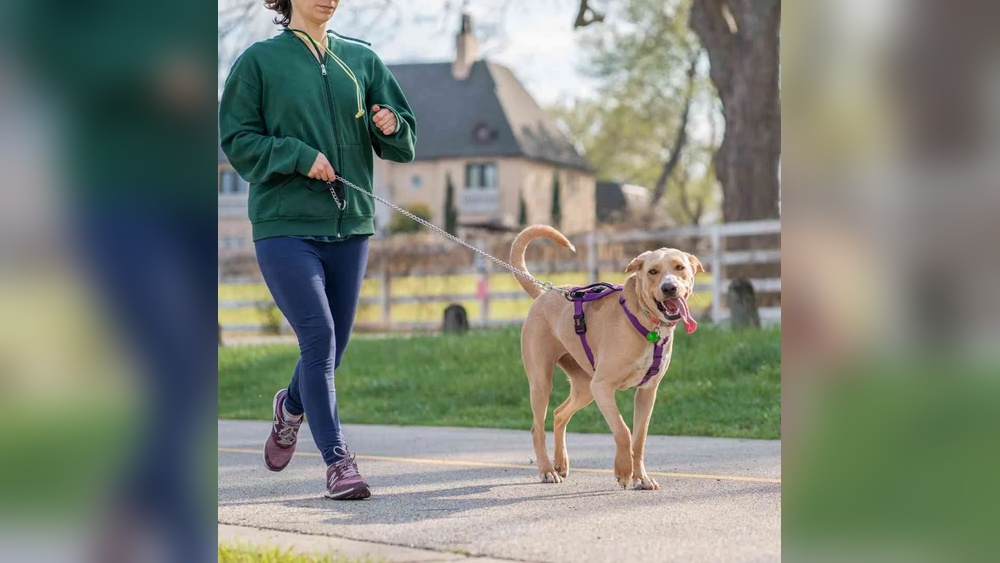
If you’re tired of your dog pulling hard during walks, you’re not alone. Finding the best harness for dogs to stop pulling can make a huge difference in your daily routine.
Imagine enjoying calm, relaxed walks where you’re in control and your dog feels comfortable too. You’ll discover simple, effective solutions that help stop pulling without causing discomfort. Keep reading to find the perfect harness that works for you and your furry friend.
Why Dogs Pull On Leash
Many dog owners struggle with pulling during walks. This behavior can make walks stressful for both dogs and owners. Understanding why dogs pull helps in finding the right harness. It also guides better training methods for calmer walks.
Common Causes
Dogs pull because they want to explore their world. New smells, sights, and sounds excite them. Pulling can be a natural response to curiosity. Some dogs pull to reach other dogs or people. Others pull out of nervousness or fear. Energy levels also play a role. Active dogs tend to pull more during walks. Lack of proper leash training is another key cause.
Behavioral Factors
Pulling often shows a dog’s behavior and habits. Dogs may pull to lead the walk and feel in control. Some dogs pull to release pent-up energy. Anxiety or frustration can make dogs pull harder. Puppies usually pull because they do not understand leash rules. Dogs that never learned to walk calmly on leash pull more. Consistent training helps change these pulling habits over time.
Benefits Of Using A Harness
Using a harness for your dog offers many benefits over a collar. It helps manage pulling while keeping your dog safe and comfortable. Harnesses distribute pressure evenly, reducing strain on your dog’s neck. This makes walks more pleasant for both you and your pet.
Improved Control
A harness gives you better control over your dog. It stops pulling more effectively than a collar. You can guide your dog gently without causing pain. This control makes walks safer, especially in busy areas.
Enhanced Comfort
Harnesses reduce pressure on your dog’s throat and neck. They fit around the chest and shoulders, which is more comfortable. Dogs can move freely without choking or coughing. This comfort encourages your dog to enjoy walks more.
Safety Advantages
Harnesses prevent injuries to the neck and spine. They lower the risk of escape during walks. Reflective harnesses increase visibility at night. These safety features protect your dog in many situations.
Types Of Dog Harnesses
Choosing the right harness helps control your dog’s pulling during walks. Different types of harnesses serve different purposes. Understanding each type can help you pick the best one for your dog’s needs.
Front-clip Harness
This harness has a clip on the chest. It helps steer your dog to the side when pulling. This reduces forward pulling and gives you more control. Many trainers recommend it for dogs that pull hard.
Back-clip Harness
The clip is on the dog’s back in this style. It is easy to put on and comfortable for dogs. This harness suits calm dogs that walk without pulling. It offers less control over pulling compared to front-clip types.
Dual-clip Harness
This harness has clips on both the front and back. You can change clips depending on the situation. It gives you flexibility and more control during walks. Good for dogs that need training and comfort.
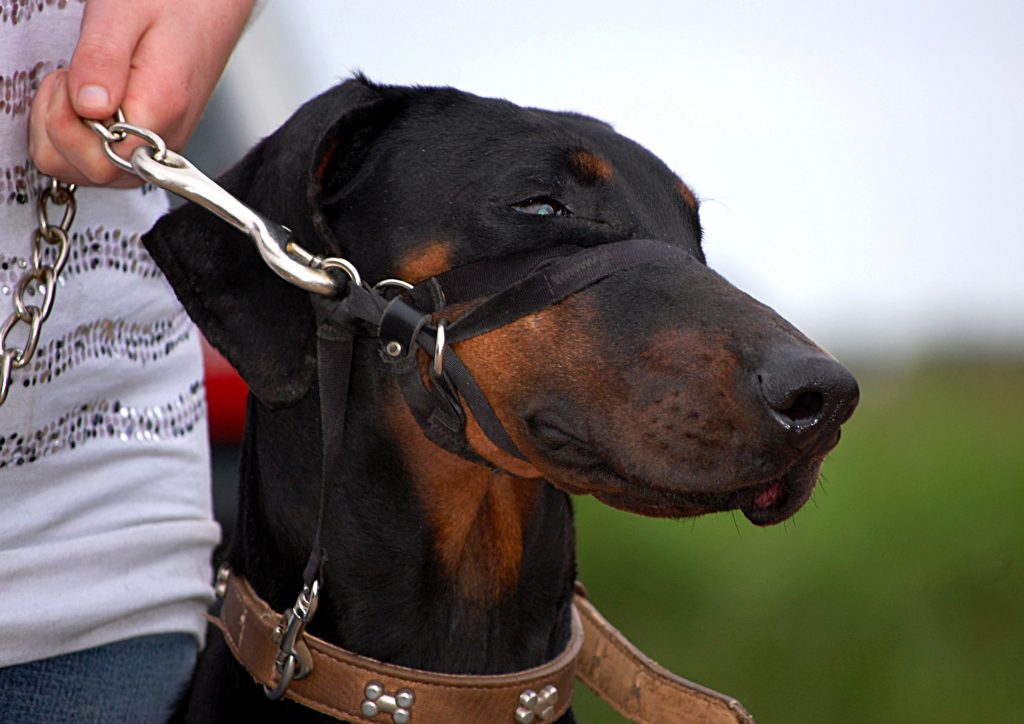
No-pull Harness
Designed specifically to stop pulling, this harness tightens gently when the dog pulls. It discourages pulling by applying pressure in a safe way. Ideal for dogs that pull strongly and need extra help.
Credit: www.k9bridle.com
Top Harnesses For Stopping Pulling
Choosing the right harness helps stop your dog from pulling during walks. A good harness offers control and comfort. It keeps your dog safe and makes walks more enjoyable. Here are the top harnesses designed to reduce pulling for different dogs and needs.
Best Overall
The best overall harness fits well and prevents pulling effectively. It has a front clip to stop pulling and a back clip for regular walks. The straps are adjustable to fit most dog sizes. This harness uses soft padding to avoid rubbing. Many dog owners find it easy to put on and take off.
Best For Large Dogs
Large dogs need strong and durable harnesses. This option has heavy-duty materials and extra padding. It offers great control without hurting your dog. The harness keeps large dogs comfortable and stops strong pulls. Its secure design helps prevent escapes during walks.
Best For Small Dogs
Small dogs need lightweight harnesses that fit well. This harness is soft and does not weigh your dog down. It has a gentle front clip that stops pulling. The straps are easy to adjust for a snug fit. This choice protects small dogs’ delicate bodies while walking.
Best Budget Option
This budget harness offers good quality at a low price. It has a simple design with a front clip to reduce pulling. The materials are strong enough for daily use. It fits most dogs and is easy to clean. Many owners find this harness a smart, affordable choice.
Best For Training
Training harnesses help teach dogs to stop pulling. This harness has multiple clip options for control. It allows gentle corrections without pain. The design encourages good walking habits early. Trainers and owners use it to improve dog behavior on walks.
Features To Look For
Choosing the best harness for dogs to stop pulling needs careful thought. Certain features make a harness effective and safe. These features help control pulling while keeping your dog comfortable. Understanding what to look for helps you pick the right harness.
Adjustability And Fit
A harness must fit your dog well. Adjustable straps allow a snug, secure fit. A good fit stops your dog from slipping out. It also prevents chafing or discomfort. Check for multiple adjustment points on the harness.
Material And Durability
Durable materials extend the harness’s lifespan. Look for strong fabrics like nylon or polyester. These materials resist tearing and wear. Quality stitching is important to avoid breaks. Choose a harness that can handle your dog’s strength.
Ease Of Use
A harness should be easy to put on and take off. Quick-release buckles save time and effort. Simple designs prevent frustration during walks. Easy cleaning is also a plus for busy owners.
Comfort Features
Comfort keeps your dog happy and willing to wear the harness. Padding on straps reduces pressure and rubbing. Breathable fabric helps prevent overheating. A lightweight design avoids extra strain on your dog.
Reflective Elements
Reflective strips or patches improve visibility in low light. This feature increases safety during early morning or night walks. It helps drivers and cyclists see your dog clearly. Reflective parts add extra protection without discomfort.
How To Properly Fit A Harness
Choosing the best harness for dogs to stop pulling is only part of the process. Proper fitting is key to ensure comfort and control. A well-fitted harness prevents chafing and slipping. It allows your dog to walk freely but safely. Follow these simple steps to fit a harness correctly.
Measuring Your Dog
Start by measuring your dog’s chest and neck. Use a soft measuring tape. Measure the widest part of the chest, just behind the front legs. For the neck, measure where the collar usually sits. Write down these numbers. Check the harness size chart for the right fit.
Adjusting Straps
Put the harness on your dog. Adjust all straps to fit snugly but not tight. The straps should lie flat against the fur. Avoid twists or folds in the straps. Make sure the harness does not rub or pinch your dog’s skin. Tighten or loosen each strap as needed for balance.
Checking For Comfort
After adjusting, check your dog’s comfort carefully. Insert two fingers between the harness and your dog’s body. This space ensures the harness is not too tight. Watch your dog walk and move. The harness should stay in place without causing distress. Adjust again if your dog shows signs of discomfort.
Training Tips To Reduce Pulling
Training your dog to stop pulling improves every walk. It makes outings safe and fun for both. Using the right harness helps, but training is key. Follow simple tips to teach your dog better leash manners.
Positive Reinforcement
Reward your dog when it walks calmly beside you. Use treats, praise, or a favorite toy. This helps your dog connect good behavior with rewards. Avoid punishment; it can cause fear or confusion.
Consistent Commands
Use clear, short commands like “heel,” “stop,” or “easy.” Say the same words every time. Consistency helps your dog understand what you want. Practice these commands often during walks.
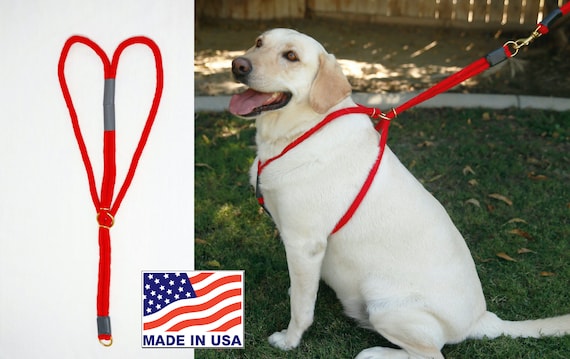
Using The Harness Effectively
Choose a harness designed to discourage pulling. Attach the leash to the front clip for better control. Adjust the harness to fit snugly but comfortably. Stop walking if your dog pulls and wait for calm.
Credit: www.etsy.com
Common Mistakes To Avoid
Choosing the best harness for dogs to stop pulling is just the start. Many dog owners make common mistakes that reduce the harness’s effectiveness. Avoiding these errors helps your dog walk calmly and safely. Learn about the most frequent mistakes to keep your training on track.
Incorrect Fit
A harness that does not fit well can cause discomfort. Too tight, it may hurt your dog’s skin or restrict movement. Too loose, your dog might slip out. Measure your dog carefully before buying. Check the straps and adjust them properly. A good fit keeps your dog safe and comfortable.
Using The Wrong Harness Type
Not all harnesses work the same for every dog. Some harnesses are best for small dogs, others for large breeds. Some are designed to reduce pulling, while others focus on control. Pick a harness made to stop pulling. Using the wrong type can make pulling worse or confuse your dog.
Inconsistent Training
Using the harness alone won’t stop pulling. Training must be consistent and clear. If you allow pulling sometimes, your dog learns mixed signals. Use the harness every walk. Reward your dog for walking nicely. Consistency helps your dog understand the right behavior faster.

Credit: www.bestmatedogtraining.co.nz
Frequently Asked Questions
What Is The Best Harness Type To Stop Dog Pulling?
A front-clip harness is most effective to reduce pulling. It redirects your dog’s motion and discourages pulling behavior. These harnesses improve control and comfort during walks. Choose one with adjustable straps and durable materials for best results.
How Does A No-pull Harness Work For Dogs?
No-pull harnesses work by gently steering dogs away from pulling. They use front or dual attachment points to control movement. This reduces strain on the dog’s neck and makes walking easier. Training combined with the harness enhances effectiveness.
Can Harnesses Prevent Dog Pulling Completely?
Harnesses help reduce pulling but may not eliminate it fully. Consistent training and positive reinforcement are essential to stop pulling. Harnesses provide better control and comfort during walks. Combining both methods yields the best results.
Are Harnesses Better Than Collars For Stopping Pulling?
Yes, harnesses are generally better than collars for pulling control. They distribute pressure evenly across the chest, avoiding neck injuries. Harnesses offer improved control and comfort, especially for strong or large dogs. They support safer and more enjoyable walks.
Conclusion
Choosing the best harness helps your dog stop pulling quickly. A good harness fits well and feels comfortable for your dog. It gives you better control during walks. Training with the right harness makes walks more enjoyable. Your dog learns to walk calmly by your side.
Consistent use helps build good habits over time. Remember, patience and practice are key for success. Enjoy peaceful walks with your furry friend every day. A simple change can make a big difference.


