Are you looking for simple ways to make your dog’s meals healthier and tastier? Adding the right ingredients to your dog’s food can boost their energy, improve their coat, and support their overall health.
But with so many options out there, it’s easy to feel overwhelmed or unsure about what’s truly best. You’ll discover the top things you can add to your dog’s food that are safe, nutritious, and loved by pups everywhere. Keep reading to unlock the secrets to making mealtime something your dog looks forward to every day.
Nutrient-rich Vegetables
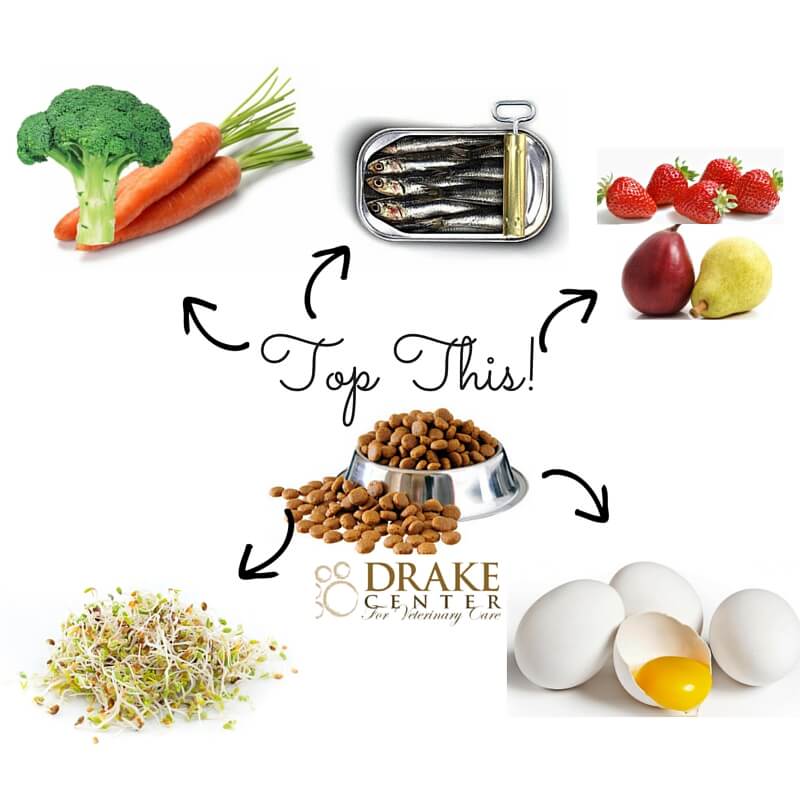
Nutrient-rich vegetables are a great way to boost your dog’s diet. They offer vitamins, minerals, and fiber that support health. These veggies can improve digestion, coat shine, and energy levels. Choosing the right vegetables keeps meals tasty and safe.
Leafy Greens Benefits
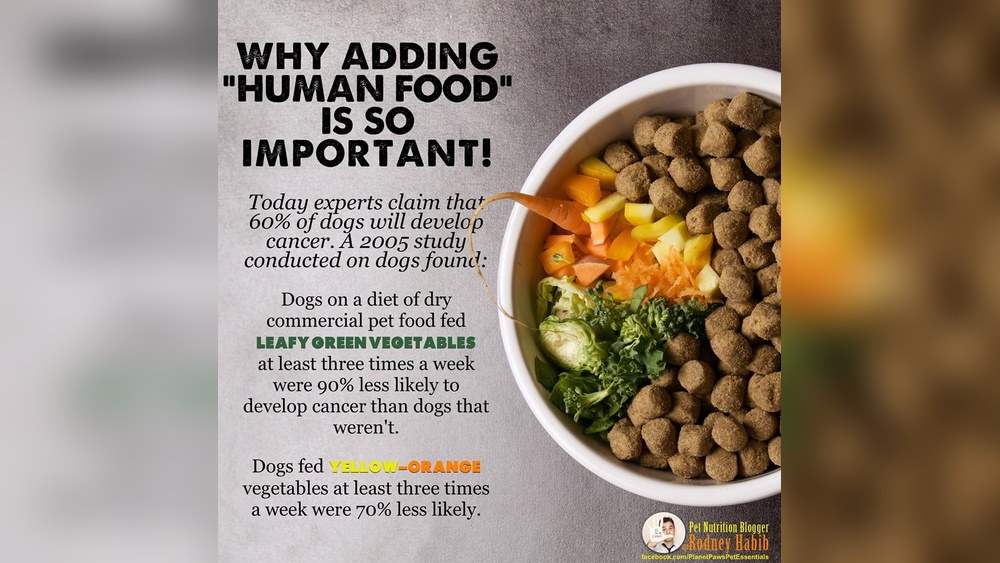
Leafy greens like spinach and kale are packed with nutrients. They provide vitamins A, C, and K. These help with eye health and immune support. Leafy greens also contain antioxidants that reduce inflammation. Serve them cooked or finely chopped for easy digestion.
Safe Root Vegetables
Carrots and sweet potatoes are safe root vegetables for dogs. They are rich in beta-carotene and fiber. These help maintain good vision and a healthy gut. Cooked or steamed roots are easier for dogs to chew. Avoid raw potatoes, as they can be harmful.
Crunchy Veggie Options
Crunchy veggies like green beans and cucumber add texture to meals. They are low in calories and high in water content. These vegetables help keep dogs hydrated and full. Cut them into small pieces for safe eating. Avoid onions and garlic, which are toxic to dogs.

Credit: brindleberryacres.com
Protein Enhancers
Protein enhancers improve your dog’s diet by boosting muscle health and energy. They support growth and keep your pet strong. Adding the right proteins helps your dog stay active and healthy.
Lean Meats To Include
Lean meats are rich in protein and low in fat. Chicken, turkey, and lean beef are excellent choices. These meats provide essential amino acids for muscle repair. Cook meats thoroughly to avoid bacteria. Avoid seasoned or processed meats that can harm dogs.
Fish And Omega-3s
Fish like salmon and sardines contain omega-3 fatty acids. Omega-3s reduce inflammation and support brain health. Fish also offers high-quality protein for strong muscles. Serve cooked fish without bones to keep dogs safe. Regular fish meals can improve skin and coat condition.
Plant-based Proteins
Plant proteins like lentils, chickpeas, and quinoa are good options. These foods offer fiber and essential nutrients. Plant proteins work well with meat to balance your dog’s diet. Cook all plant proteins to make them easier to digest. Avoid raw beans or peas, which can upset digestion.
Healthy Fats
Healthy fats are an important part of a dog’s diet. They give energy and support many body functions. Adding good fats to dog food helps keep your pet strong and active.
Sources Of Essential Fatty Acids
Essential fatty acids are types of fats dogs cannot make themselves. These fats must come from their food. Fish oil is a rich source, full of omega-3. Flaxseed oil also provides omega-3 and is plant-based. Coconut oil offers medium-chain triglycerides that give quick energy. Olive oil adds healthy omega-9 fats. Each source brings different benefits to your dog’s health.
Benefits For Coat And Skin
Healthy fats improve the skin’s moisture and reduce itchiness. They help dogs have shiny, soft coats. These fats support healing for dry or flaky skin. Regular intake can lower the risk of allergies. Your dog will look better and feel more comfortable.
Fruits As Treats
Fruits make great treats for dogs. They are sweet, tasty, and full of vitamins. Many fruits offer natural hydration and fiber. This helps your dog stay healthy and happy. Adding fruits to dog food can provide a fresh, crunchy texture that dogs enjoy. Always pick fruits that are safe and healthy for dogs.
Dog-safe Fruits
Some fruits are safe and healthy for dogs to eat. Apples without seeds are a good choice. Blueberries are small and full of antioxidants. Bananas offer potassium and fiber in small amounts. Watermelon without seeds keeps dogs hydrated. Strawberries provide vitamin C and fiber. Avoid grapes, raisins, and cherries. These fruits can harm dogs and cause serious health issues.
Serving Suggestions
Cut fruits into small, bite-sized pieces. Serve fresh or frozen for a cool treat. Mix fruit pieces with regular dog food. Use fruits as rewards during training sessions. Avoid adding sugar or artificial sweeteners. Always introduce new fruits slowly. Watch for any signs of allergies or upset stomach. Clean fruits well before serving to remove pesticides.
Supplements For Wellness
Supplements for wellness support your dog’s overall health. They help fill gaps in their diet. This keeps your pet strong and active. Adding the right supplements can improve digestion, boost immunity, and promote healthy skin and coat. Here are some popular supplements to consider.
Probiotics For Digestion
Probiotics are good bacteria that aid digestion. They help balance your dog’s gut flora. This reduces stomach upset and improves nutrient absorption. Probiotics can ease diarrhea and constipation. They also support a healthy immune system. Many dog foods lack enough probiotics, so adding them helps maintain digestive health.
Vitamins And Minerals
Vitamins and minerals are essential for your dog’s body. They support bones, muscles, and organs. Common supplements include vitamin E, vitamin B, zinc, and calcium. These nutrients boost energy and repair tissues. They also keep your dog’s skin and coat healthy. A balanced vitamin and mineral intake prevents deficiencies and strengthens overall wellness.
Herbal Additions
Herbs have natural healing properties for dogs. Examples include turmeric, ginger, and chamomile. Turmeric helps reduce inflammation and joint pain. Ginger soothes upset stomachs and aids digestion. Chamomile calms anxiety and promotes relaxation. Adding herbs to food can improve health gently and naturally.
Credit: www.thedrakecenter.com
Homemade Mix-ins
Homemade mix-ins are a great way to improve your dog’s meals. They add nutrients and flavors that dogs love. These mix-ins can boost health and make food more exciting.
Simple ingredients from your kitchen can make a big difference. They help support your dog’s digestion, coat, and energy levels. Let’s explore some easy homemade mix-ins to try.
Bone Broth Benefits
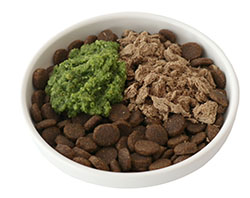
Bone broth is rich in minerals and collagen. It helps support joints and gut health. Pour a small amount over dry food for taste and nutrition. Bone broth is easy to digest and keeps dogs hydrated.
Eggs For Extra Protein
Eggs are a natural source of protein and vitamins. They provide essential amino acids for muscle health. Cook eggs without oil or seasoning before serving. A scrambled or boiled egg can be a tasty meal boost.
Yogurt And Dairy Options
Plain yogurt offers probiotics that aid digestion. It also adds calcium for strong bones. Use small amounts to avoid stomach upset. Choose low-fat, unsweetened yogurt for the best results.
Foods To Avoid
Choosing the right foods to add to your dog’s diet is important for their health. Some foods can harm dogs even in small amounts. Knowing which foods to avoid keeps your pet safe and happy. Avoid feeding your dog anything toxic or high-risk.
Toxic Ingredients
Certain ingredients can poison dogs. Chocolate contains theobromine, which dogs cannot digest. Grapes and raisins can cause kidney failure. Onions and garlic damage dog’s red blood cells. Xylitol, a sweetener in sugar-free gum, causes low blood sugar and liver damage. Avoid these ingredients completely.
High-risk Human Foods
Many human foods are unsafe for dogs. Alcohol affects their nervous system and can be deadly. Cooked bones can splinter and cause internal injuries. Fatty foods like bacon can cause pancreatitis. Raw dough with yeast can expand and block the stomach. Keep these foods away from your dog’s meals.
Credit: www.allthebestpetcare.com
Frequently Asked Questions
What Are The Healthiest Additions To Dog Food?
Healthy additions include cooked vegetables, lean meats, and fish oil. These boost nutrition and improve coat health. Avoid toxic foods like onions or grapes.
Can I Add Fruits To My Dog’s Food?
Yes, fruits like blueberries and apples are great. They provide antioxidants and vitamins. Always remove seeds and feed in moderation.
Is It Safe To Add Supplements To Dog Food?
Supplements like glucosamine and probiotics support joint and digestive health. Consult your vet before adding any new supplement to your dog’s diet.
How Do I Know If My Dog Needs Food Additives?
Signs include dull coat, low energy, or digestive issues. Adding nutrients can help. Always consult a vet for proper diagnosis.
Conclusion
Adding healthy foods to your dog’s meals boosts their health and happiness. Fresh vegetables, lean proteins, and safe fruits bring vitamins and energy. Always choose natural, safe options and avoid harmful ingredients. Small changes can make a big difference in your dog’s life.
Watch your dog enjoy meals more and stay strong. Remember, balanced food helps your dog live a long, joyful life. Try different healthy additions and see what your dog loves best. Simple steps lead to a happier, healthier pet every day.