
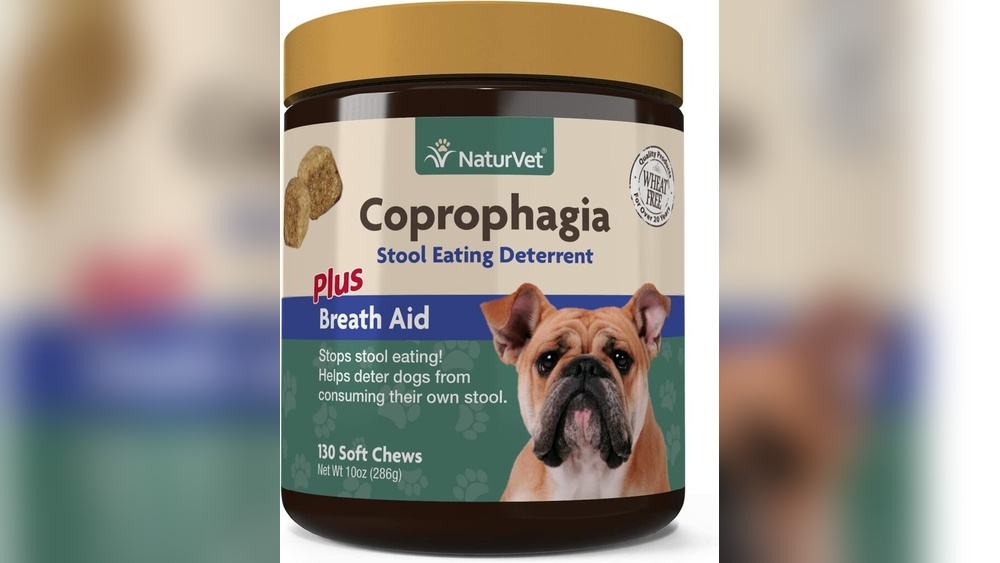
Are you tired of finding unwanted dog poop in your yard or on your walks? Dealing with your dog’s bathroom habits can be frustrating and messy.
But what if you could stop the problem before it starts? The best poop deterrent for dogs can save you time, stress, and keep your outdoor spaces clean and enjoyable. You’ll discover simple, effective ways to discourage your dog from pooping where you don’t want it.
Keep reading to learn how to take control and make your life easier.
Common Causes Of Unwanted Dog Pooping
Unwanted dog pooping can cause frustration and mess in your home or yard. Understanding why dogs poop in wrong places helps solve this issue. Dogs may have different reasons for this behavior. Knowing these reasons is the first step to find the best poop deterrent.
Marking Territory
Dogs use poop to mark their space. This behavior is common among male dogs but can happen with females too. Marking shows other dogs that this area belongs to them. It is a natural instinct and hard to stop without training.
Anxiety And Stress
Stress can make dogs poop inside the house. Changes like moving or loud noises cause anxiety. Dogs may lose control of their bathroom habits when scared or nervous. Reducing stress can help prevent unwanted pooping.
Lack Of Training
Without proper training, dogs do not know where to poop. Puppies especially need clear rules and patience. Consistent training teaches dogs the right place to go. This helps keep your home clean and your dog happy.
Health Issues
Sometimes, health problems cause dogs to poop in wrong places. Digestive issues or infections may make it hard to hold poop. A vet check is important if your dog suddenly starts pooping indoors. Treating health problems can stop the behavior.

Credit: m-grill.com
Types Of Poop Deterrents
Dogs often choose spots to relieve themselves that may not please their owners. Poop deterrents help guide dogs away from unwanted areas. Different types of deterrents work in various ways. Some focus on smell, others on physical barriers or training. Choosing the right type can make cleaning and yard care easier.
Natural Repellents
Natural repellents use scents dogs dislike. Citrus peels, vinegar, or coffee grounds work well. These ingredients are safe and eco-friendly. Sprinkling them around problem areas can keep dogs away. Natural repellents need regular reapplication to stay effective.
Commercial Sprays
Commercial sprays are made specifically to deter dogs. They often contain bitter or strong smells. These sprays are easy to apply and quick to act. Many brands offer odorless options to avoid bothering humans. Always follow label instructions for best results.
Physical Barriers
Physical barriers block dogs from accessing certain spots. Fencing, garden netting, or decorative rocks work well. Barriers prevent dogs from entering areas without relying on smell. They require some effort to install but offer long-term protection.
Behavioral Training Tools
Training tools help teach dogs where to go. Clickers, whistles, or remote training collars are common. These tools encourage good habits through positive or negative feedback. Consistent use can reduce unwanted pooping over time. Training builds respect and understanding between dog and owner.
Top Natural Poop Deterrents
Natural poop deterrents keep yards clean without harsh chemicals. They use safe ingredients dogs dislike. These methods protect plants and pets. Easy to make and apply at home. They work gently but effectively.
Try these top natural poop deterrents for your dog’s outdoor habits. Each option has unique benefits and uses. Choose one that suits your space and dog’s behavior.
Citrus-based Solutions
Dogs dislike citrus smells like lemon, orange, and lime. Sprinkle citrus peels around the yard edges. You can also spray diluted citrus juice on spots. This fresh scent keeps dogs away from certain areas.
Citrus is safe for plants and pets. Replace peels regularly to keep the smell strong. Avoid using citrus oil directly on grass to prevent damage.
Vinegar Mixtures
Vinegar’s strong smell deters dogs from pooping nearby. Mix equal parts water and white vinegar in a spray bottle. Spray the mixture on lawn patches or garden beds.
Vinegar is inexpensive and easy to find. Use carefully to avoid harming plants. Test a small area first to see how your grass reacts.
Essential Oils
Certain essential oils repel dogs due to their strong scents. Oils like eucalyptus, citronella, and peppermint work well. Dilute a few drops with water and spray around problem spots.
Essential oils should be used with caution. Keep oils away from your dog’s nose and skin. Reapply regularly for best results.
Homemade Repellents
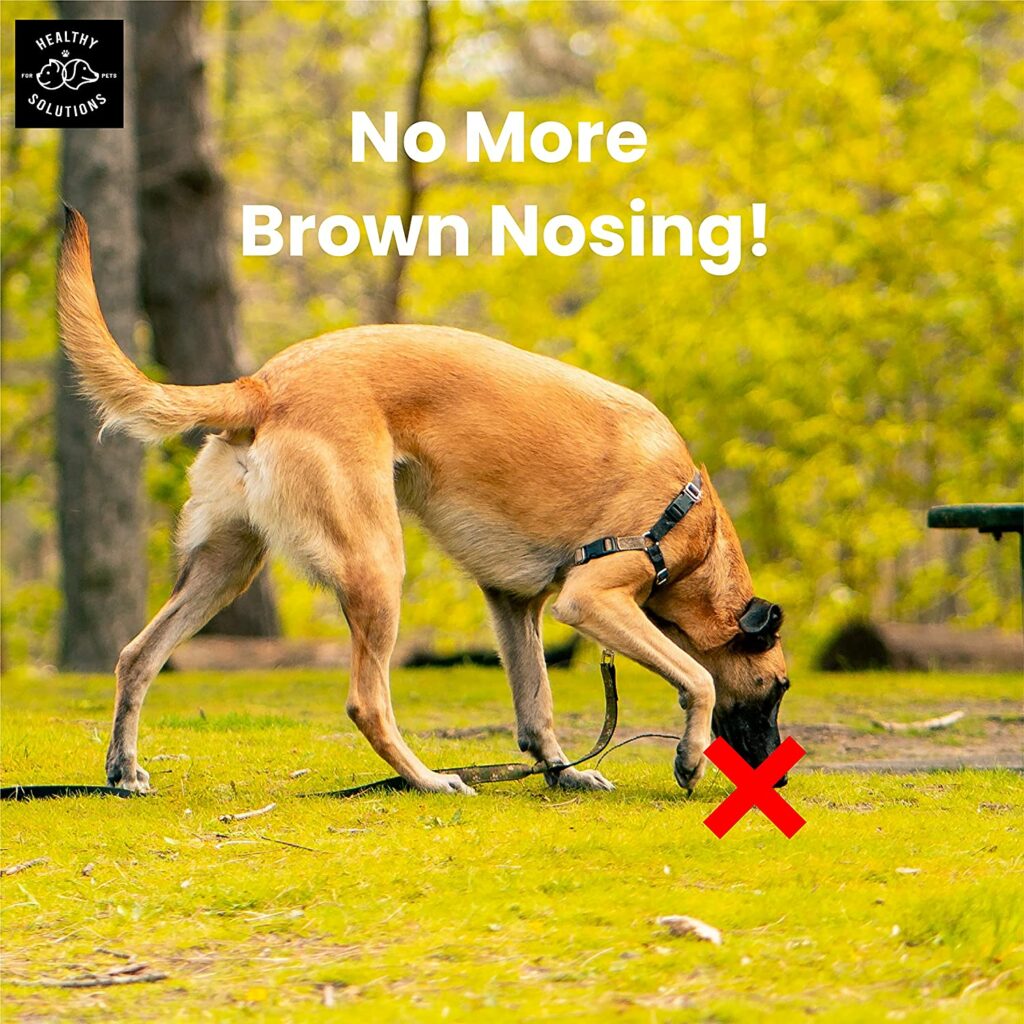
Combine natural ingredients for a custom dog deterrent spray. Mix garlic powder, cayenne pepper, and water in a bottle. Spray this mix on areas to keep dogs from pooping.
Homemade repellents are affordable and non-toxic. Test on a small patch of grass first. Reapply after rain or watering to maintain effectiveness.
Credit: healthysolutionsforpets.com
Effective Commercial Sprays And Products
Effective commercial sprays and products help stop dogs from pooping in unwanted spots. These products use smells or tastes dogs dislike. This way, dogs avoid those areas without harm.
Many pet owners find these sprays easy to use. Just spray the area and wait for your dog to learn. Consistency is key for success.
Ingredients To Look For
Look for natural ingredients like citrus, vinegar, and bitter apple. These smells often repel dogs. Avoid harsh chemicals that can harm pets or the environment.
Essential oils such as eucalyptus and citronella also work well. They create unpleasant scents dogs avoid. Choose products that mention pet-safe formulas.
Popular Brand Reviews
Brands like Simple Solution, PetSafe, and Nature’s Miracle get good reviews. Users say these sprays reduce accidents quickly. Many praise their easy application and lasting effect.
Simple Solution’s spray has a bitter taste dogs dislike. PetSafe uses natural scents to mark no-go zones. Nature’s Miracle offers odor neutralizers with repellents.
Safety Considerations
Always check product labels for safety warnings. Some sprays can irritate skin or eyes. Keep sprays out of your dog’s reach.
Test sprays on a small surface before full use. Monitor your dog’s reaction closely. Stop using if you notice discomfort or allergies.
Using Physical Barriers To Prevent Pooping
Using physical barriers to prevent dogs from pooping in unwanted areas works well. These barriers help control where your dog can go. They create clear limits. Dogs learn to avoid places they cannot enter easily. This method keeps your yard or garden clean. It also saves time spent cleaning up.
Fencing And Gates
Fencing is a simple way to keep dogs out of specific spots. Small fences around flower beds or gardens stop dogs from entering. Gates control access to certain areas. Use gates to block off parts of the yard. Choose fences that dogs cannot jump over or squeeze through. This limits where dogs can go and poop.
Motion-activated Devices
Motion-activated devices scare dogs away without harming them. These devices use sound or water spray when a dog approaches. Dogs quickly learn to avoid these areas. Place devices near places where dogs often poop. This method teaches dogs to respect boundaries. It works quietly and automatically.
Textured Surfaces
Dogs dislike walking on certain surfaces. Textured materials like sharp rocks or plastic mats deter them. Cover areas you want to protect with these surfaces. Dogs avoid uncomfortable textures and find other spots. This barrier is gentle but effective. It helps keep your garden or lawn poop-free.

Credit: www.amazon.com
Training Techniques To Discourage Pooping
Training your dog to avoid pooping in unwanted places needs patience and clear methods. Using the right techniques helps your dog learn faster. It also reduces accidents inside your home.
Training focuses on guiding your dog’s behavior. You show your dog what you want, not just what you don’t want. This builds trust and good habits.
Positive Reinforcement
Positive reinforcement means rewarding good behavior. Praise your dog when it poops outside or in the right spot. Treats, petting, or kind words work well.
This encourages your dog to repeat the good action. Dogs learn faster when they get rewards. It makes training fun for both of you.
Consistent Commands
Use the same words or signals every time. Choose a simple command like “Go potty” or “Outside.” Say it clearly before your dog poops.
Consistency helps your dog connect the command with the action. This reduces confusion. Your dog will understand what you want.
Redirecting Behavior
Redirect your dog if it tries to poop inside. Gently lead your dog outside or to the correct spot. Use a leash if needed for control.
Do not punish your dog. Punishment can cause fear and stress. Redirecting teaches your dog the right place without negative feelings.
When To Consult A Veterinarian
Knowing when to consult a veterinarian is important for your dog’s health and behavior. Some poop problems happen because of health issues. Others come from habits or training needs. A vet can help find the cause and suggest the best solution. Acting early can prevent bigger problems later.
Signs Of Medical Issues
Watch for changes in your dog’s bathroom habits. Frequent diarrhea, blood in stool, or pain during pooping need a vet check. Loss of appetite and vomiting can also signal illness. These signs mean your dog may have a health problem. A vet can diagnose and treat it quickly.
Professional Training Help
Sometimes, dogs need more than health care. A vet may suggest a professional trainer. Trainers know how to fix bad habits like pooping inside. They use gentle, clear methods to teach your dog. Training helps your dog learn good bathroom routines.
Behavioral Assessments
Some dogs poop indoors due to stress or anxiety. A vet can offer a behavioral assessment. This checks if your dog has fears or worries causing the behavior. Treatment may include calming techniques or medicines. Understanding behavior helps improve your dog’s life.
Maintaining A Clean And Inviting Yard
A clean yard feels welcoming and looks great. It invites you and your guests to spend time outside. For dog owners, keeping the yard neat can be tricky. Dog waste can create bad smells and damage grass. Using the best poop deterrent for dogs helps a lot. It also works well with good yard care. Focus on regular cleaning, smart landscaping, and setting bathroom spots. These steps keep your yard fresh and enjoyable.
Regular Cleaning Tips
Pick up dog poop daily. It stops bad smells and keeps germs away. Use a scoop or bag for easy cleanup. Rinse areas where your dog often goes. This helps prevent stains and odors. Wash hands after cleaning for safety. Regular cleaning keeps your yard healthy and nice.
Landscaping Ideas
Choose tough grass types that handle dog traffic. Clover and fescue are good options. Use mulch or stones in places where grass won’t grow. Plant bushes or shrubs to block certain spots. These plants act as natural barriers. Avoid plants that are toxic to dogs. Smart landscaping helps protect your yard and guides your dog.
Creating Designated Bathroom Areas
Pick a specific spot for your dog’s bathroom needs. Train your dog to use this area only. Use gravel, sand, or mulch to cover the spot. This makes cleaning easier and controls smells. Add a small fence or border to mark the area. Designated spots keep the rest of your yard clean and green.
Frequently Asked Questions
What Is The Best Poop Deterrent For Dogs?
The best poop deterrent is a safe, non-toxic spray that repels dogs from specific areas. It uses natural ingredients to discourage defecation without harming pets or the environment.
How Do Poop Deterrent Sprays Work For Dogs?
Poop deterrent sprays emit scents that dogs find unpleasant. These smells discourage them from pooping in treated spots, helping to keep yards and gardens clean.
Are Homemade Poop Deterrents Effective For Dogs?
Some homemade deterrents, like vinegar or citrus sprays, can work temporarily. However, commercial products usually provide longer-lasting and more reliable results for preventing dog poop.
Can Poop Deterrents Harm My Dog Or Environment?
Most high-quality poop deterrents are non-toxic and safe for dogs and plants. Always check product labels to ensure they are environmentally friendly and pet-safe before use.
Conclusion
Choosing the right poop deterrent helps keep your yard clean. Consistency matters most in training your dog effectively. Simple products can make a big difference in habits. Always watch your dog’s behavior and adjust as needed. Clean spaces make outdoor time more enjoyable for everyone.
Small steps lead to better results over time. Your effort will pay off with a happy, well-trained pet. Keep patience and stay calm during the process. A clean yard means less stress for you and your dog.


