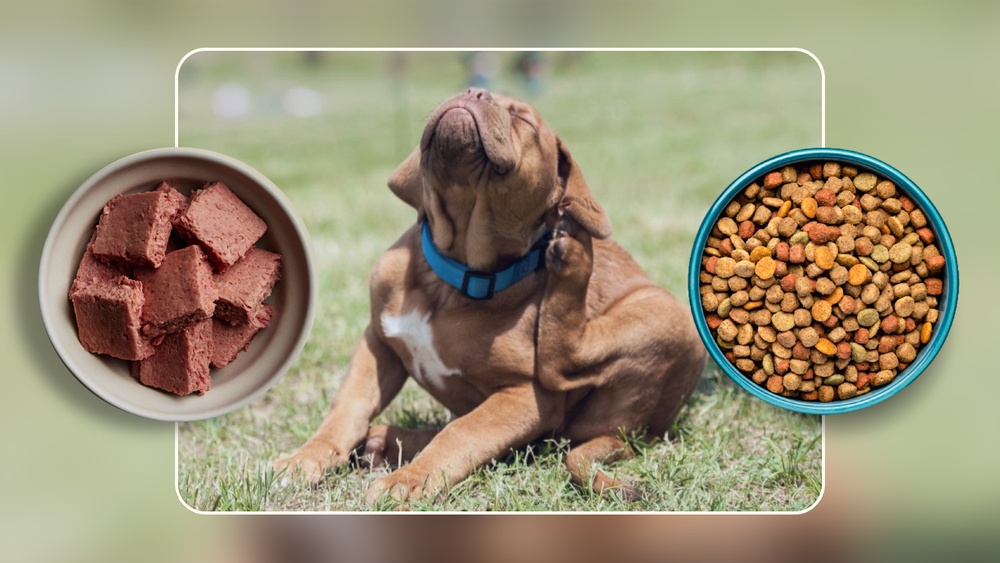
If your dog struggles with allergies and frequent ear infections, you know how tough it can be to watch them suffer. Finding the right food could make a huge difference in their comfort and health.
But with so many options out there, how do you choose the best dog food for allergies and ear infections? This guide will help you understand what ingredients to look for, what to avoid, and how the right diet can ease your dog’s symptoms.
Keep reading to discover simple, effective ways to help your furry friend feel their best again.
Causes Of Dog Allergies And Ear Infections
Dogs can develop allergies that cause discomfort and health issues. These allergies often affect their skin and ears. Ear infections in dogs frequently result from allergic reactions. Understanding the causes of allergies and ear infections helps in managing your dog’s health effectively.
Common Allergens In Dog Food
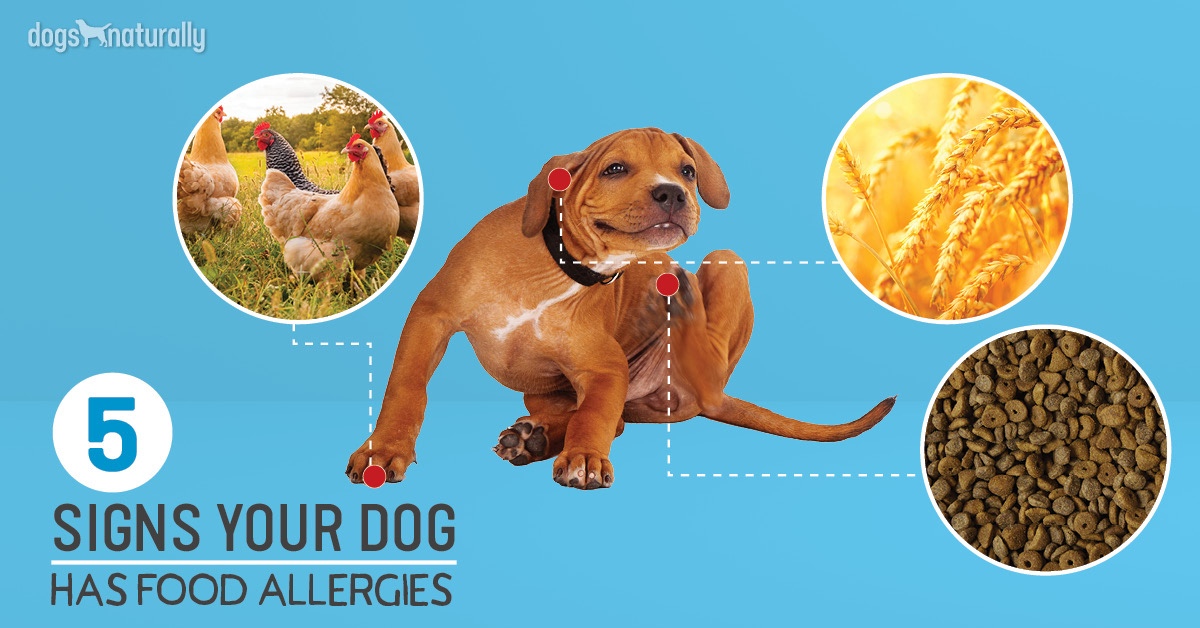
Several ingredients in dog food can trigger allergies. Common allergens include beef, chicken, dairy, and wheat. Some dogs react to corn, soy, or eggs too. These ingredients cause immune responses that harm your dog. Identifying the allergen is key to choosing the right food.
How Allergies Trigger Ear Infections
Allergic reactions cause inflammation in the ear canals. This inflammation creates a moist environment where bacteria and yeast grow. The growth of these microbes leads to painful ear infections. Repeated infections can damage the ear and cause hearing problems. Managing allergies helps reduce ear infection risks.
Key Ingredients For Allergy Relief
Choosing the right dog food can help reduce allergies and ear infections. Certain ingredients soothe the skin and lower inflammation. These key ingredients support your dog’s health and comfort daily.
Hypoallergenic Proteins
Proteins are essential for dogs, but some cause allergies. Hypoallergenic proteins like duck, venison, or salmon reduce allergic reactions. These proteins are easier to digest and less likely to irritate the skin. Feeding hypoallergenic proteins helps calm allergy symptoms and protect ears from infections.
Omega Fatty Acids And Skin Health
Omega fatty acids, especially Omega-3 and Omega-6, improve skin health. They reduce itching and inflammation caused by allergies. These fats also strengthen the skin barrier, preventing bacteria that cause ear infections. Fish oil and flaxseed are rich sources of omega fatty acids.
Avoiding Common Allergens
Many dogs react to common allergens like wheat, corn, and soy. These ingredients often trigger skin problems and ear infections. Choosing dog food without these allergens lowers the risk of flare-ups. Grain-free and limited ingredient diets help avoid these common triggers effectively.
Top Dog Food Brands For Allergies
Choosing the right dog food is key to managing allergies and ear infections. Some brands focus on special recipes to reduce allergic reactions. These foods help keep your dog comfortable and healthy. Quality ingredients and careful formulas support sensitive skin and ears. Many pet owners trust these brands for their allergy-friendly options.
Limited Ingredient Diets
Limited ingredient diets use few ingredients. This reduces the chance of allergic reactions. They often include one protein and one carbohydrate source. Simple recipes make it easier to identify allergens. These diets avoid common triggers like beef, dairy, or soy. Many dogs with allergies show improvement on limited ingredient diets.
Grain-free Options
Grain-free dog foods remove wheat, corn, and soy. Some dogs have allergies to grains. Grain-free recipes use ingredients like potatoes or peas instead. These foods can reduce ear infections caused by allergies. They also support dogs with sensitive stomachs. Choose grain-free foods with quality protein and no fillers.
Prescription Diets For Allergies
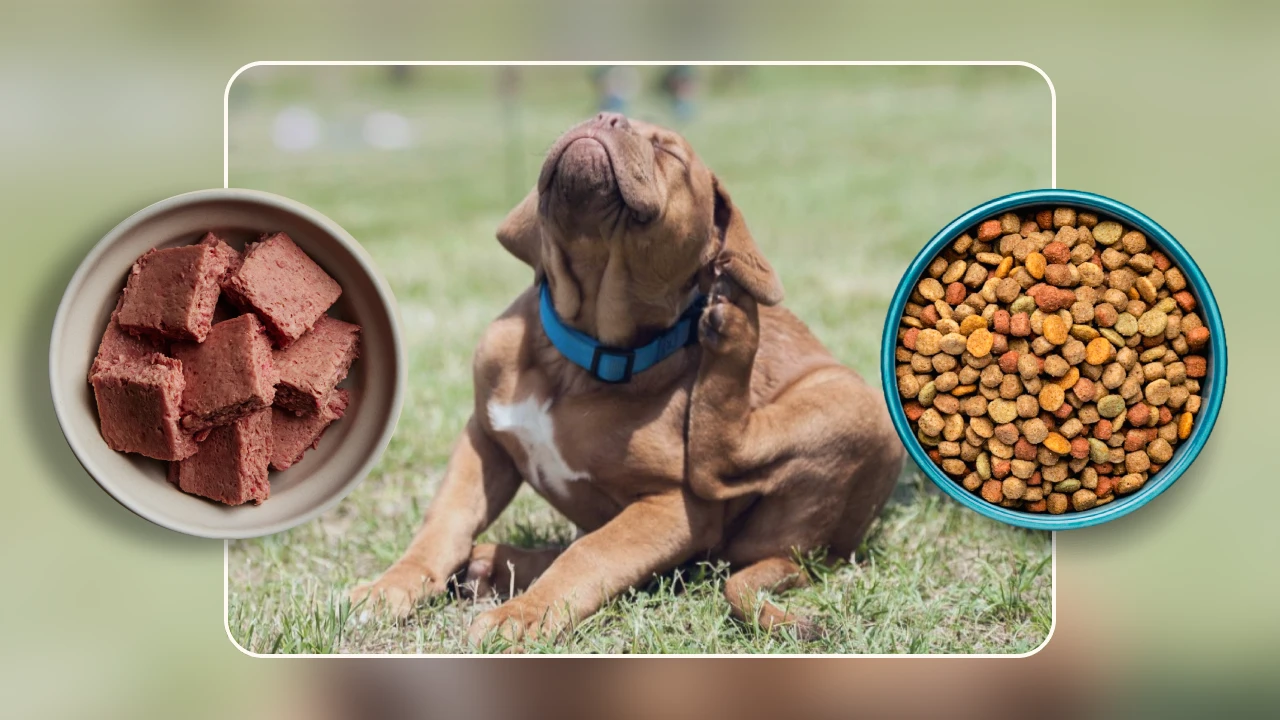
Prescription diets are made by veterinarians for allergy relief. These foods use hydrolyzed proteins or novel ingredients. Hydrolyzed proteins are broken down to avoid immune reactions. Prescription diets often come with vet guidance. They help control severe allergies and chronic ear infections. Always use these diets under veterinary advice.
Credit: wefeedraw.com
Homemade Diets For Sensitive Dogs
Homemade diets can help dogs with allergies and ear infections. These diets allow control over every ingredient. This control helps avoid foods that cause reactions. Homemade meals often improve a dog’s health and comfort.
Careful planning is important. Dogs need balanced nutrition for energy and growth. Homemade diets can be simple yet effective. They often use fresh, natural foods that are gentle on sensitive systems.
Safe Ingredient Choices
Choose ingredients that are less likely to cause allergies. Lean meats like turkey or rabbit work well. Rice and sweet potatoes are gentle carbohydrates. Avoid common allergens such as wheat, corn, and soy. Fresh vegetables like carrots and green beans add nutrients. Use fish oils for healthy fats that reduce inflammation. Always avoid toxic foods like onions, garlic, and chocolate.
Recipes To Soothe Allergies
Simple recipes help reduce allergic reactions. Cooked turkey with boiled sweet potatoes is a good start. Add steamed green beans for fiber and vitamins. Mix in a small amount of fish oil for omega-3s. Another option is lean white fish with rice and pumpkin. These meals are easy to digest and low in allergens. Offer small portions to watch for any reactions.
Consulting Your Vet
Talk with your vet before starting homemade diets. Vets can recommend tests to identify allergens. They guide on nutrient needs for your dog’s health. Your vet can suggest supplements to balance the diet. Regular check-ups track your dog’s progress. Always follow professional advice to keep your dog safe and healthy.
Supplements To Support Ear Health
Supplements can help keep your dog’s ears healthy and free from infections. They support the immune system and reduce inflammation. These benefits are important for dogs with allergies and recurring ear problems. Choosing the right supplements can improve overall ear health.
Probiotics And Immune Support
Probiotics help balance good bacteria in the gut. A healthy gut strengthens the immune system. This helps your dog fight off ear infections naturally. Probiotics also reduce allergy symptoms that may affect the ears. Look for supplements with strains like Lactobacillus and Bifidobacterium.
Natural Anti-inflammatories
Natural anti-inflammatories reduce swelling and pain in the ears. Ingredients like omega-3 fatty acids are effective for this. These fats come from fish oil or flaxseed oil. They calm irritated skin and lower allergy reactions. Turmeric and green tea extract also help fight inflammation safely.
Credit: www.dogsnaturallymagazine.com
Tips To Prevent Ear Infections
Ear infections in dogs with allergies need careful attention. Preventing these infections helps keep your dog healthy and happy. Simple habits can reduce the risk of ear problems. Here are key tips to help prevent ear infections.
Regular Ear Cleaning
Clean your dog’s ears often but gently. Use a vet-approved ear cleaner to remove dirt and wax. Avoid cotton swabs deep inside the ear. Wipe only the outer part of the ear canal. Regular cleaning stops bacteria and yeast from growing.
Environmental Control
Keep your dog’s environment clean and dry. Remove dust, pollen, and mold that trigger allergies. Dry your dog’s ears after swimming or baths. Damp ears create a perfect place for infection. Use air filters to reduce airborne allergens at home.
Monitoring Dietary Changes
Watch your dog’s diet carefully. New foods can cause allergies and ear infections. Introduce new food slowly and observe any reactions. Choose hypoallergenic dog food to reduce allergy risks. A balanced diet supports your dog’s immune system.
:strip_icc()/Spruce-best-dog-food-for-allergies-4173781-024027f06d344cd8acf7267d38694fa3.jpg)
Credit: www.thesprucepets.com
Frequently Asked Questions
What Ingredients Help Reduce Dog Allergies And Ear Infections?
Limited-ingredient diets with novel proteins reduce allergic reactions. Omega-3 fatty acids soothe inflammation and improve skin health. Avoid common allergens like wheat, soy, and corn to minimize ear infections.
How Do Hypoallergenic Dog Foods Prevent Ear Infections?
Hypoallergenic dog foods contain hydrolyzed proteins that don’t trigger immune responses. They help reduce ear inflammation caused by allergies, promoting cleaner ears and less frequent infections.
Can Grain-free Dog Food Improve Allergy Symptoms?
Grain-free dog foods eliminate common allergens like wheat and corn. This can reduce allergy symptoms and lower the risk of ear infections in sensitive dogs.
How Long Does It Take For Dog Food To Affect Allergies?
It usually takes 4 to 8 weeks for new dog food to show allergy improvements. Consistent feeding is key to reducing ear infection frequency and skin irritation.
Conclusion
Choosing the best dog food helps reduce allergies and ear infections. Healthy ingredients support your dog’s skin and ears. Avoid foods with common allergens like wheat or soy. Watch your dog’s reaction to new diets closely. Consistency matters for lasting health benefits.
Talk to your vet for the best advice. A good diet keeps your dog happy and comfortable. Small changes can make a big difference. Care and attention bring relief to your pet. Trust the process and observe your dog’s health daily.