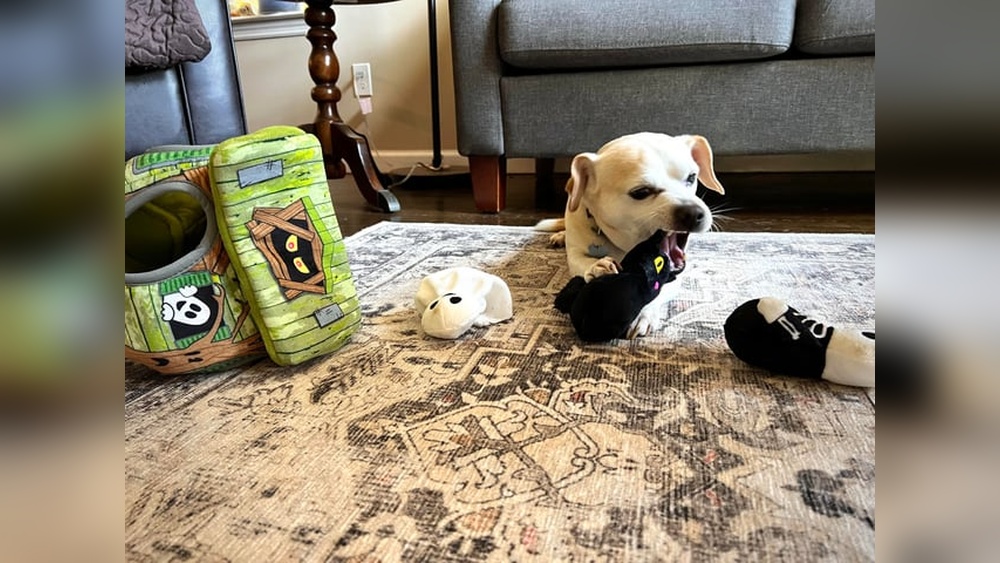
Do you want your dog to have more fun and stay active? Getting your dog to play with toys can boost their happiness and health.
But sometimes, dogs just don’t seem interested in the toys you give them. If you’re wondering how to change that, you’re in the right place. You’ll discover simple and effective tips that will make your dog excited to play. Keep reading, and soon you’ll see your furry friend enjoying playtime like never before!
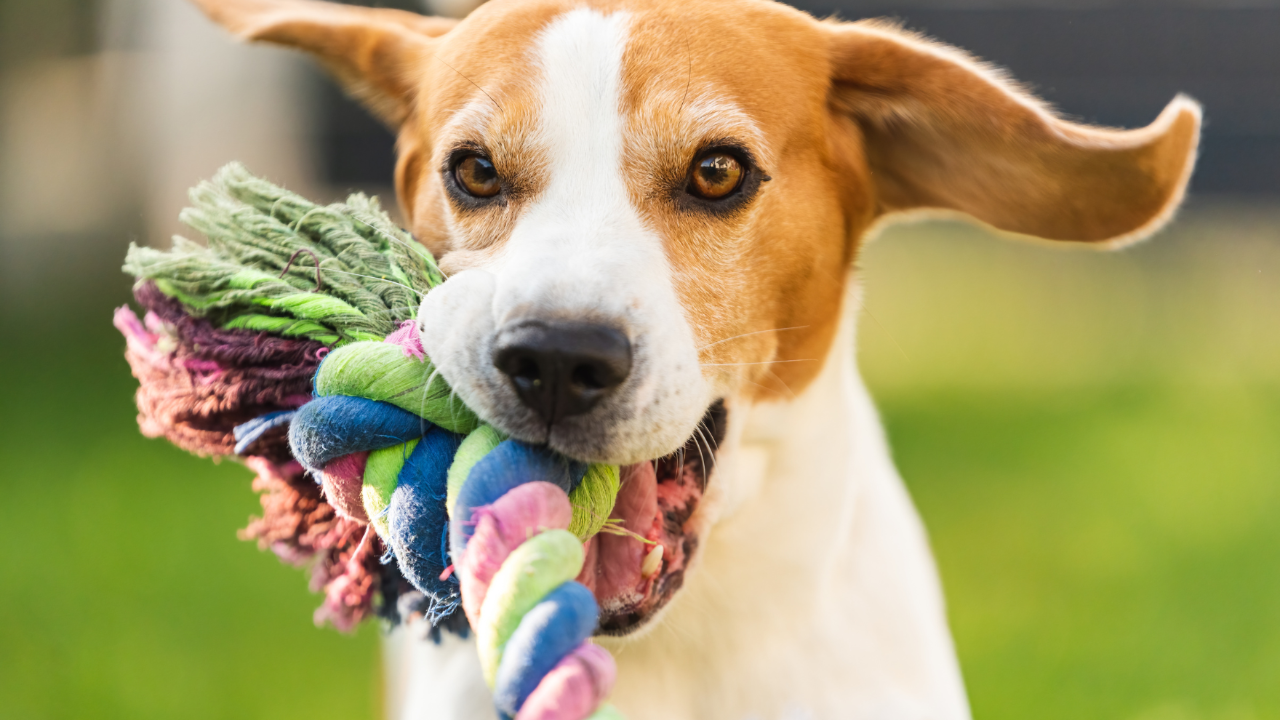
Credit: www.dogkindtraining.com
Choosing The Right Toys
Choosing the right toys is the first step to get your dog interested in play. Not all toys fit every dog. Picking toys that suit your dog’s size, breed, and play style helps keep them engaged. Safe and strong materials also matter. The right toy can make playtime fun and safe.
Consider Your Dog’s Size And Breed
Small dogs need small toys that fit their mouths. Big dogs need bigger toys that last longer. Some breeds like to chew hard, while others like to fetch or tug. Match the toy size and type to your dog’s size and breed. This avoids choking hazards and keeps them interested.
Pick Toys That Match Their Play Style
Dogs have different ways to play. Some love to chase balls. Others enjoy tugging ropes or chewing bones. Notice how your dog plays. Choose toys that fit their favorite activities. This makes playtime exciting and helps your dog stay active.
Opt For Durable And Safe Materials
Choose toys made from strong, non-toxic materials. Weak toys break easily and can harm your dog. Avoid toys with small parts that your dog can swallow. Durable toys last longer and keep your dog safe during play. Safety should always come first.
Introducing Toys Effectively
Introducing toys to your dog can be fun and simple. It helps your dog learn to enjoy playtime. Start slow and make the experience positive. This way, your dog will want to play more often. Use different methods to catch your dog’s interest in toys.
Use Scent And Sound To Attract Attention
Dogs rely on smell and sound to explore. Rub a toy with a treat or your scent. Let your dog sniff it before playing. Toys that make noise, like squeakers, grab attention quickly. Shake or toss the toy gently to make sound. This sparks curiosity and invites your dog to join the fun.
Demonstrate How To Play
Show your dog how to use the toy. Bite, shake, or roll it yourself. Use an excited voice to encourage your dog. Playing together teaches your dog the toy is safe. It builds interest and makes playtime more enjoyable. Repeat this often to build a strong connection with the toy.
Rotate Toys To Keep Interest High
Dogs get bored with the same toys fast. Keep several toys but offer only one or two at a time. Switch the toys every few days. This keeps your dog curious and eager to play. Rotating toys feels like new discoveries. It keeps your dog’s mind active and excited.
Encouraging Play Behavior
Encouraging your dog to play with toys starts with building positive habits. Play is a key part of a dog’s life. It keeps them active, happy, and healthy. Some dogs need extra help to enjoy toys. You can guide your dog to like toys through simple steps. These steps create fun moments and strengthen your bond.
Incorporate Play Into Daily Routine
Set specific times for play every day. Dogs thrive on routine and feel safe with it. Choose a quiet spot free from distractions. Offer toys during these times to build interest. Keep play sessions short and fun to hold attention. Repeating this daily makes toys a normal part of life.
Reward Interaction With Praise And Treats
Praise your dog with a happy voice when they touch toys. Use small treats to reward any toy interest. This teaches your dog that toys bring good things. Rewards should come right after play to connect the action. Over time, your dog will seek toys for fun and treats.
Play Together To Boost Engagement
Join your dog in playing with toys. Use tug toys or balls to invite interaction. Show excitement to make playtime more fun. Moving toys around encourages chasing and grabbing. Your active role makes toys more interesting and helps your dog learn how to play.
Overcoming Common Challenges
Getting a dog to play with toys can bring joy and exercise. Some dogs face issues that stop them from enjoying playtime. These challenges need gentle handling to keep play fun and safe. Understanding common problems helps create better play habits for your dog.
Dealing With Toy Disinterest
Some dogs ignore toys at first. Try different types like balls, ropes, or squeaky toys. Use treats or praise to make toys more exciting. Play together to show how fun toys can be. Patience is key. Keep trying without forcing your dog.
Handling Overexcitement Or Aggression
Dogs may get too excited or rough with toys. Stop the play if your dog bites or growls. Teach gentle play by using calm commands. Use toys that are safe and strong. Offer breaks to calm your dog. Reward calm behavior to encourage it.
Managing Chewing And Destructive Habits
Chewing is natural but can damage toys or furniture. Provide durable chew toys to protect your home. Redirect chewing from bad items to toys. Praise your dog when they chew the right things. Remove toys that become unsafe quickly. Consistency helps reduce destructive habits over time.
Maintaining Toy Safety And Cleanliness
Keeping your dog’s toys safe and clean helps your dog enjoy playtime without risks. Dirty or broken toys can harm your dog or cause illness. Regular care of toys also makes them last longer. This section explains simple steps to maintain toy safety and cleanliness for your dog’s health and happiness.
Regularly Inspect Toys For Damage
Check your dog’s toys often for cracks, tears, or loose parts. Broken toys can cause choking or cuts. Throw away any toy that is damaged beyond repair. Replace toys that show signs of wear to keep play safe.
Clean Toys To Prevent Germs
Wash your dog’s toys regularly to remove dirt and germs. Use warm water and mild soap or a pet-safe cleaner. Rinse toys well and dry them before giving them back. Clean toys help prevent infections and keep your dog healthy.
Store Toys Properly Between Uses
Keep toys in a clean, dry place when not in use. Avoid damp areas to stop mold and bacteria growth. Use a box or basket to organize toys. Proper storage keeps toys safe and ready for fun playtimes.

Credit: thepuzzlefeeder.com

Credit: www.3lostdogs.com
Frequently Asked Questions
How Can I Encourage My Dog To Play With Toys?
Introduce toys gradually and choose ones your dog likes. Use treats and praise to motivate play. Play together to make toys more engaging.
What Types Of Toys Do Dogs Prefer?
Dogs often enjoy chew toys, squeaky toys, and interactive puzzles. Choose toys based on your dog’s size and chewing habits for safety.
How Do I Make Toys Interesting For My Dog?
Rotate toys regularly to keep them fresh. Hide treats inside toys or play games like fetch to increase interest.
Can Training Improve My Dog’s Toy Play?
Yes, teaching commands like “fetch” or “bring” encourages interaction with toys. Positive reinforcement helps your dog associate toys with fun.
Conclusion
Getting your dog to play with toys takes time and patience. Try different toys to find what excites your pet. Use praise and treats to encourage play. Keep play sessions short but fun. Remember, every dog is unique and learns at its own pace.
Stay consistent and enjoy the bonding moments. Play helps your dog stay happy and healthy. Keep toys safe and clean for better fun. Your efforts will make playtime a favorite part of your dog’s day.