Is your dog scratching more than usual? Are you noticing tiny white flakes on their fur or your furniture?
Dog dandruff can be frustrating for both you and your furry friend. It’s not just about looks—dandruff can mean your dog’s skin isn’t as healthy as it should be. But don’t worry, you’re in the right place. You’ll discover the best things you can do to clear up your dog’s dandruff and keep their coat shiny and comfortable.
Keep reading, because your dog deserves the best care—and you’ll want to know these simple, effective solutions right now.
Causes Of Dog Dandruff
Dandruff in dogs is a common problem. It causes white flakes on the fur and dry skin. Understanding what causes dandruff helps to find the best treatment. Several factors can lead to dandruff in dogs. These include dry skin, allergies, diet, and parasites. Each factor affects the dog’s skin in different ways.
Dry Skin Factors
Dry skin is the top cause of dandruff in dogs. Cold weather and low humidity can dry out the skin. Hot baths or harsh shampoos also remove natural oils. Lack of moisture makes skin flaky and itchy. Dogs that live indoors with heaters often have dry skin.
Allergies And Irritants
Allergies often cause skin problems and dandruff. Dogs can react to pollen, dust, or chemicals in their environment. Some dogs are sensitive to certain shampoos or cleaning products. Allergic reactions make skin inflamed and flaky. Itching from allergies can make dandruff worse.
Diet And Nutrition
Diet plays a big role in skin health. Poor nutrition can cause dry, flaky skin. Lack of essential fatty acids makes skin dull and flaky. Feeding balanced food with omega-3 and omega-6 helps keep skin healthy. Supplements can improve skin and reduce dandruff.
Parasites And Infections
Parasites like fleas and mites cause skin irritation and dandruff. These pests damage the skin and cause itching. Bacterial or fungal infections also lead to flaky skin. Treating infections and parasites is key to stopping dandruff. A vet can diagnose and suggest the right treatment.
Credit: www.walmart.com
Identifying Dandruff In Dogs
Dandruff in dogs is a common skin issue that many pet owners notice. It looks like tiny white flakes on the dog’s fur and skin. These flakes can make your dog uncomfortable and itchy. Recognizing dandruff early helps keep your dog healthy and happy. Understanding the signs is the first step to solving the problem.
Common Symptoms
White flakes appear on your dog’s coat or skin. Your dog may scratch or lick more than usual. The skin might look dry or rough. Sometimes, the skin becomes red or irritated. Hair loss can happen in some areas. These signs show your dog might have dandruff.
When To See A Vet
Visit the vet if dandruff does not improve after care. If your dog’s skin looks very red or swollen, get help. When your dog scratches nonstop or seems in pain, see a vet. If dandruff comes with hair loss or sores, consult a professional. A vet can find the cause and suggest the best treatment.
Top Treatments For Dog Dandruff
Dog dandruff can make your pet uncomfortable and affect its skin health. Treating dandruff early helps keep your dog’s coat shiny and healthy. Several treatments target the root cause of dandruff and soothe dry skin effectively.
Choosing the right treatment depends on your dog’s skin type and dandruff severity. The following options provide safe and reliable ways to reduce flakes and improve skin condition.
Medicated Shampoos
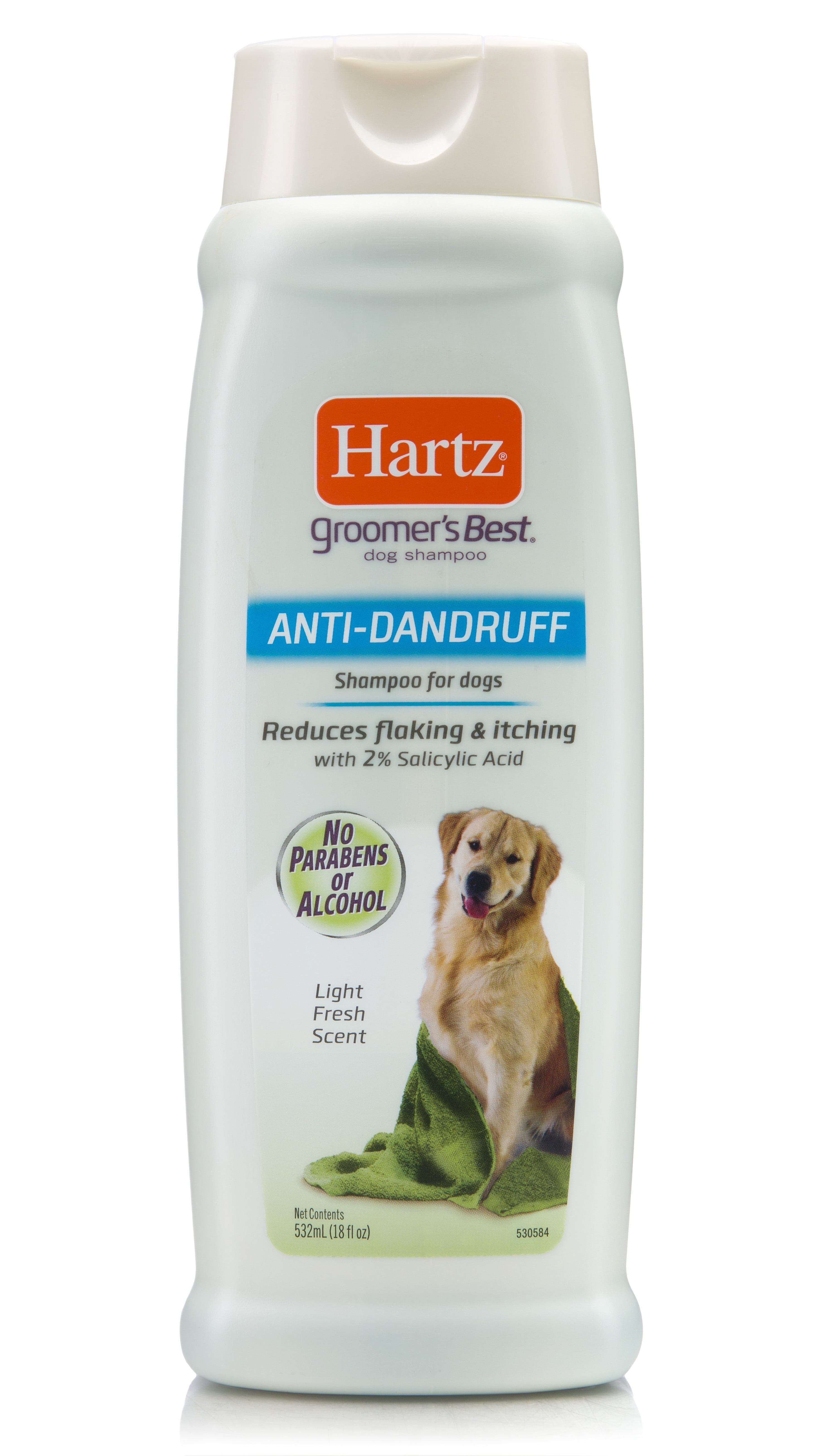
Medicated shampoos contain ingredients that fight dandruff and control oil. They reduce itching and remove dead skin cells gently. Use these shampoos as directed by the product label or your vet. Regular baths with medicated shampoo help keep dandruff in check.
Moisturizing Conditioners
Moisturizing conditioners restore hydration to dry, flaky skin. They soften the coat and reduce skin irritation. Apply conditioner after shampooing to lock in moisture. This step is important for dogs with sensitive or dry skin.
Natural Remedies
Natural remedies use gentle, plant-based ingredients to soothe the skin. Coconut oil, oatmeal baths, and aloe vera are popular choices. These options calm inflammation and add moisture. Natural treatments are safe for most dogs and easy to use at home.
Prescription Options
Prescription treatments may be needed for severe dandruff or underlying skin issues. Your vet can prescribe medicated creams, oral medications, or special shampoos. These options target infections or allergies causing dandruff. Follow your vet’s advice carefully for best results.
Credit: www.hartz.com
Improving Diet For Healthy Skin
Improving your dog’s diet can help reduce dandruff and improve skin health. Healthy skin starts from inside. Proper nutrition gives your dog the nutrients needed for soft, clean skin and a shiny coat. Changing the diet is a natural way to fight dry, flaky skin.
Essential Fatty Acids
Essential fatty acids like omega-3 and omega-6 support skin health. They reduce inflammation and dryness. Fish oil and flaxseed oil are good sources. Adding these oils to your dog’s food can help soothe itchy skin and reduce dandruff. These fats also improve coat shine and softness.
Balanced Nutrition Tips
Provide a balanced diet with proteins, fats, and vitamins. Proteins help repair skin cells. Include fresh meat, eggs, or fish in your dog’s meals. Avoid too many fillers like corn or soy. Fresh fruits and vegetables add antioxidants to fight skin damage. Drinking plenty of water keeps skin hydrated too.
Supplements For Skin Health
Supplements can support your dog’s skin if diet alone is not enough. Look for products with biotin, vitamin E, and zinc. These nutrients help skin heal and stay healthy. Consult your vet before starting supplements. They can suggest the right type and dose for your dog’s needs.
Home Care Practices
Home care practices play a key role in managing dog dandruff effectively. Simple daily habits can improve your dog’s skin health and reduce flakes. Consistency matters most in these routines. Let’s explore easy steps you can follow at home.
Regular Grooming Tips
Brush your dog’s coat gently every day. This removes loose fur and dead skin cells. Choose a brush that fits your dog’s fur type. Grooming also spreads natural oils, keeping skin moist. Regular brushing reduces itchiness and dandruff build-up.
Bathing Frequency
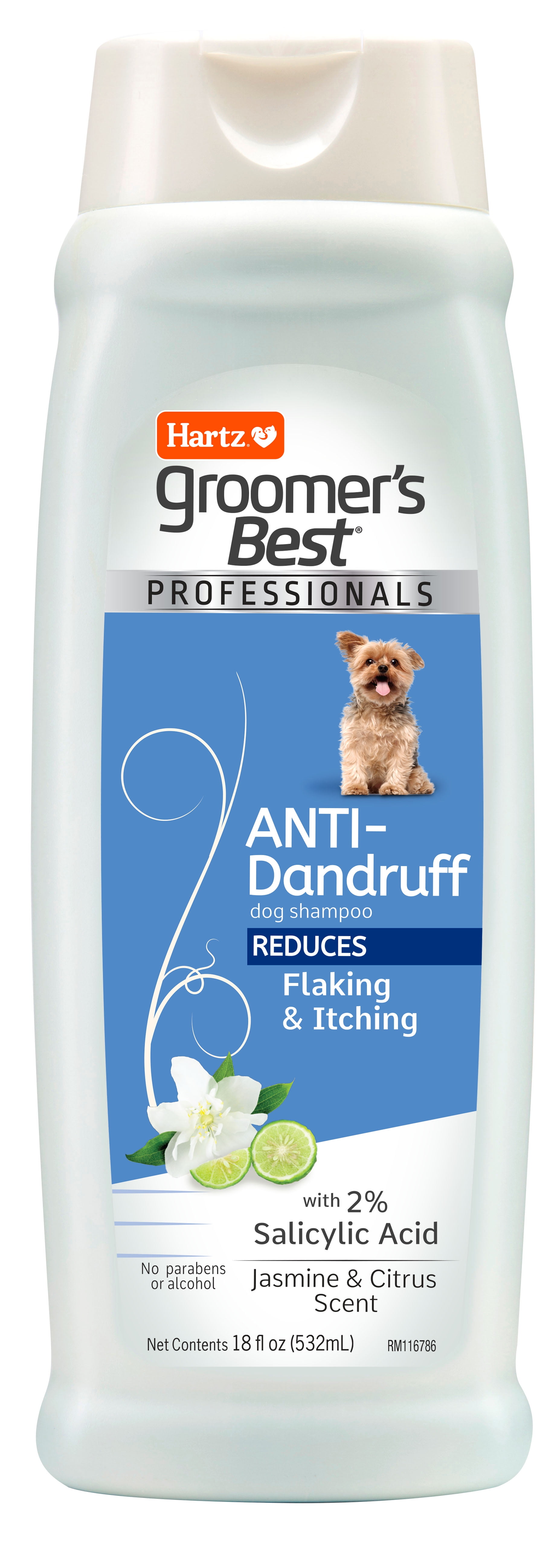
Bath your dog as needed, not too often. Too frequent baths strip natural oils from the skin. Use a mild, dog-friendly shampoo designed for sensitive skin. Rinse thoroughly to avoid leftover soap. Bathing every 3 to 4 weeks usually works well.
Maintaining Humidity Levels
Dry air worsens dandruff and skin dryness. Use a humidifier in your home during cold, dry months. Keep your dog’s environment comfortable and moist. Proper humidity helps skin stay hydrated and less flaky.
Credit: www.walmart.com
Preventing Future Flakes
Preventing future flakes on your dog’s coat is key to keeping them healthy and comfortable. Regular care and small changes can make a big difference. A healthy lifestyle, less stress, and regular vet visits help stop dandruff before it starts.
Lifestyle Adjustments
Feed your dog a balanced diet rich in omega fatty acids. These nutrients support healthy skin and coat. Provide fresh water daily. Avoid over-bathing, as it can dry out the skin. Use gentle shampoos made for dogs. Brush your dog often to remove loose fur and flakes.
Stress Reduction
Stress affects dogs just like people. It can cause skin problems and dandruff. Create a calm environment for your dog. Give them plenty of playtime and rest. Try calming toys or gentle massages. Keep a consistent routine to help them feel safe.
Routine Vet Checkups
Regular vet visits catch skin problems early. Your vet can spot allergies or infections causing flakes. They can recommend treatments or diet changes. Keep vaccinations and parasite control up to date. Healthy skin starts with good overall health.
Frequently Asked Questions
What Causes Dog Dandruff And Dry Skin?
Dog dandruff is mainly caused by dry skin, allergies, poor diet, or parasites. Environmental factors like cold weather can worsen it. Identifying the cause helps in choosing the best treatment and improving your dog’s skin health effectively.
How Can I Treat Dog Dandruff At Home?
Regular brushing, moisturizing shampoos, and a balanced diet help treat dandruff. Omega-3 supplements can improve skin condition. Keeping your dog hydrated and avoiding harsh soaps also reduces flakes and itchiness naturally.
Which Shampoos Are Best For Dog Dandruff?
Choose shampoos with oatmeal, aloe vera, or tea tree oil. These ingredients soothe irritation and moisturize dry skin. Avoid products with harsh chemicals that may worsen dandruff or cause allergic reactions in dogs.
Can Diet Changes Reduce My Dog’s Dandruff?
Yes, a diet rich in omega-3 and omega-6 fatty acids improves skin health. High-quality protein and vitamins support coat condition. Avoid low-quality or allergenic foods that may trigger skin problems and dandruff.
Conclusion
Choosing the best treatment for dog dandruff helps your pet stay happy. Healthy skin means less itching and fewer flakes. Regular baths and proper diet support your dog’s skin health. Using gentle shampoos soothes dry skin without causing harm. Keep your dog well-hydrated and brush their fur often.
Small steps make a big difference in comfort and care. Your dog will thank you with a shiny, healthy coat. Simple care routines protect your dog from dandruff problems.